 Instalab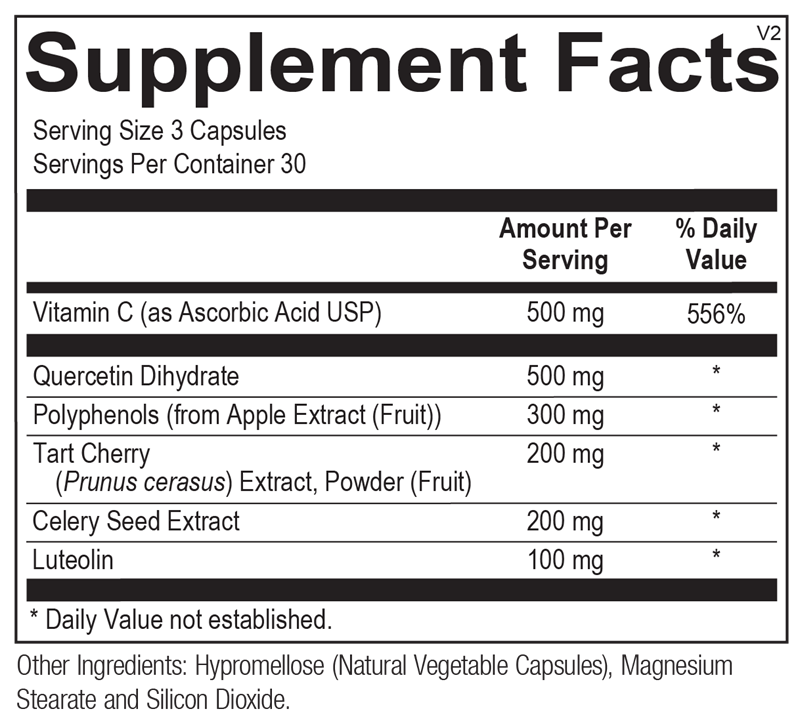
Ortho Molecular Products
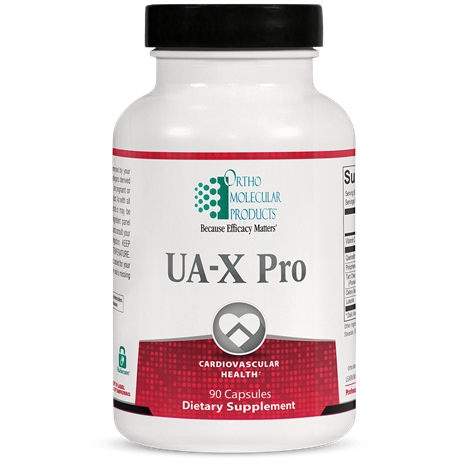
UA-X Pro by Ortho Molecular Products
90 capsules · 30-day supply
Comprehensive Cardiovascular Support with Powerful Antioxidants and Polyphenols$75.76
Purchase options
Practitioner-grade brand3rd-party testedFree shipping $50+
Gluten Free·Yeast Free·Artificial Color Free·Artificial Flavor Free
Ortho Molecular Products UA-X Pro overview
If your Uric Acid blood test runs high, you’ve had gout flares, or you’re on a high-purine diet with beer or red meat, this uric acid formula is a practical nudge. It also fits people with metabolic syndrome patterns, like elevated Triglycerides or fasting insulin, where uric acid often rides along. Expect modest movement within 4 to 8 weeks, then recheck Uric Acid. If you have established gout on prescription therapy, use this alongside your clinician’s plan, not instead of it.
Quercetin and luteolin are plant flavonoids that inhibit xanthine oxidase, the enzyme your body uses to make uric acid from purines. Vitamin C at 500 mg acts as a mild uricosuric, meaning it helps the kidneys excrete uric acid. Tart cherry and apple polyphenols provide additional anti-inflammatory signals, which is why some people see easier joints and small drops in hs-CRP (a blood marker of inflammation). Celery seed extract is a gentle diuretic botanical traditionally used in gout; it may reinforce uric acid clearance.
Take three capsules daily with food, ideally split as 2 in the morning and 1 later to steady kidney handling. Hydration matters for uric acid excretion, so pair this with ample water. Most people see their first meaningful change on labs in 4 to 8 weeks. If your Uric Acid is significantly high or flares are frequent, this is an adjunct; prescriptions like allopurinol or febuxostat deliver larger, faster reductions when clinically needed.
Skip this if you’re pregnant or breastfeeding, allergic to celery, or have a history of calcium oxalate kidney stones where added vitamin C can raise urine oxalate. Use caution with significant kidney disease or if you’re on warfarin, strong immunosuppressants, or chemotherapy—flavonoids like quercetin can interact with drug metabolism. If you already take allopurinol, febuxostat, or probenecid, combining is reasonable, but monitor Uric Acid and symptoms with your clinician.
Frequently asked questions
How long does it take to lower uric acid with quercetin?
Most people who respond see modest uric acid reductions within 4–8 weeks. Recheck a Uric Acid blood test at that point. If there’s no change by 12 weeks, reassess dose, adherence, and alcohol/purine intake with your clinician.
Can I take this with allopurinol or febuxostat?
Yes, but treat it as adjunctive. Quercetin and luteolin also target xanthine oxidase, while vitamin C helps excretion. Monitor Uric Acid and watch for over-lowering if you recently adjusted your prescription dose.
Will tart cherry really help gout?
Tart cherry has small trials and observational data linking it to fewer flares, likely via anti-inflammatory polyphenols and modest uric acid effects. It’s not a replacement for urate-lowering therapy in frequent gout.
What side effects should I watch for?
Most tolerate it well. Possible effects include mild stomach upset, increased urination from celery seed, and in stone-formers, higher urine oxalate from vitamin C. Take with food and hydrate. Stop if you notice rash or swelling.
Does vitamin C interact with labs or meds?
High vitamin C can artifactually affect some glucose test strips and may reduce warfarin effect in rare cases. At 500 mg daily this is uncommon, but tell your clinician and keep medication monitoring as scheduled.
What diet changes help lower uric acid fastest?
Cut beer and spirits, limit high-purine meats and organ meats, and lose excess weight gradually. Hydrate well and favor dairy, coffee, and cherries, which are urate-friendly. Combine with this supplement for better odds.
Should I take it at a specific time of day?
Timing is flexible. Taking doses with meals improves tolerance, and splitting morning and later in the day can smooth kidney excretion. Consistency day to day matters more than clock time.
Which labs should I track besides uric acid?
Uric Acid is primary. hs-CRP can reflect inflammation, and a basic metabolic panel checks kidney function. If you drink heavily or have fatty liver, add ALT to keep an eye on liver health.
How to take it & ingredients
Suggested use: 3 capsules per day or as recommended by your health care professional.
Active ingredients
3 capsules per serving · 30 servings
Vitamin C
As Ascorbic Acid USP
As Ascorbic Acid USP
500 mg
Quercetin Dihydrate
500 mg
Polyphenols
From Apple Extract (Fruit)
From Apple Extract (Fruit)
300 mg
Tart Cherry Extract
Prunus cerasus (Fruit) Extract, Powder
Prunus cerasus (Fruit) Extract, Powder
200 mg
Celery Seed Extract
200 mg
Luteolin
100 mg
Other ingredients: Hypromellose (Natural Vegetable Capsules), Magnesium Stearate, Silicon Dioxide
Certifications
Benefits
Warnings
Customers also considered
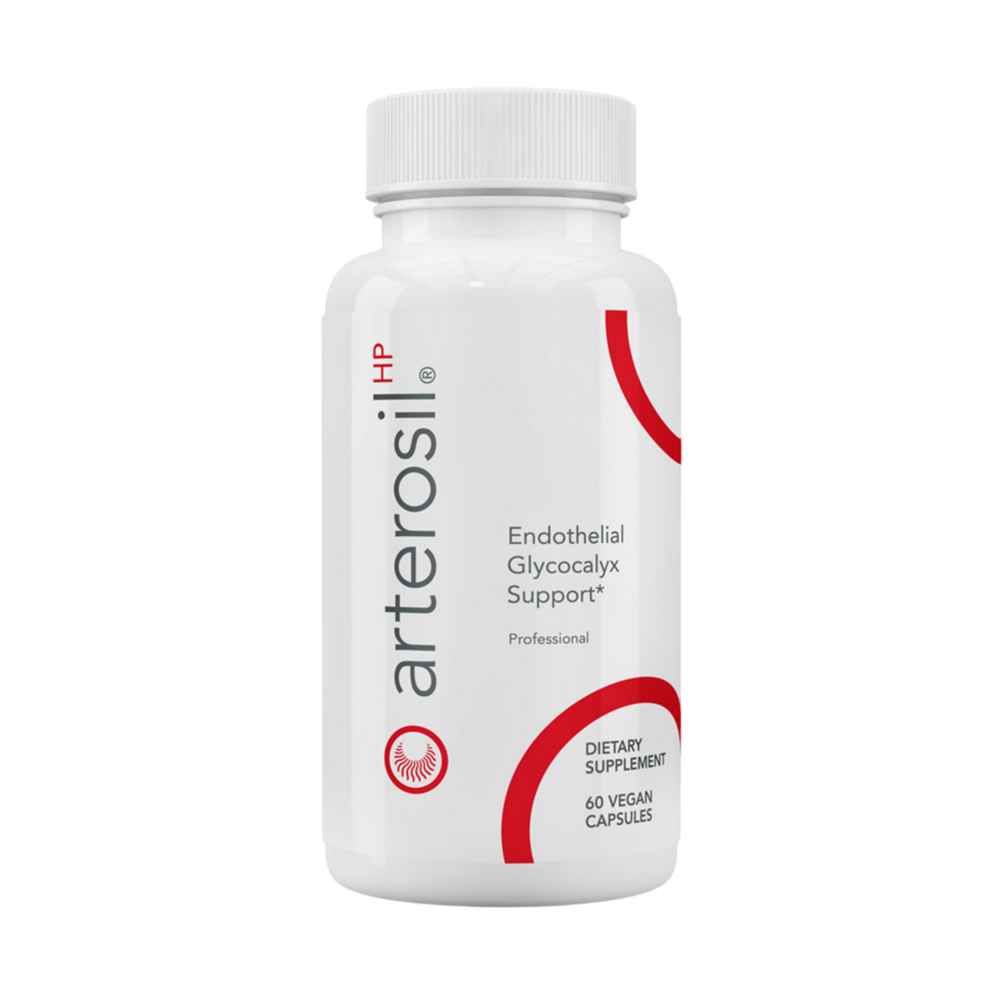
Arterosil HP
Calroy Health Sciences
60 capsules
$99.99$79.99 with Subscribe & Save
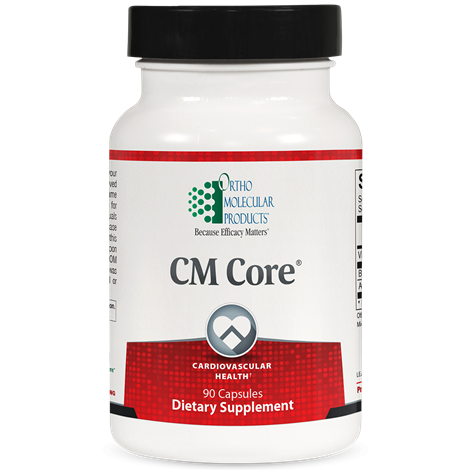
CM Core
Ortho Molecular Products
90 capsules
$70.32$63.35 with Subscribe & Save
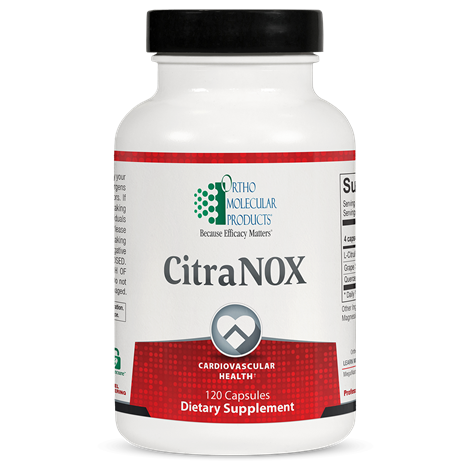
CitraNOX
Ortho Molecular Products
120 capsules
$70.32$63.35 with Subscribe & Save
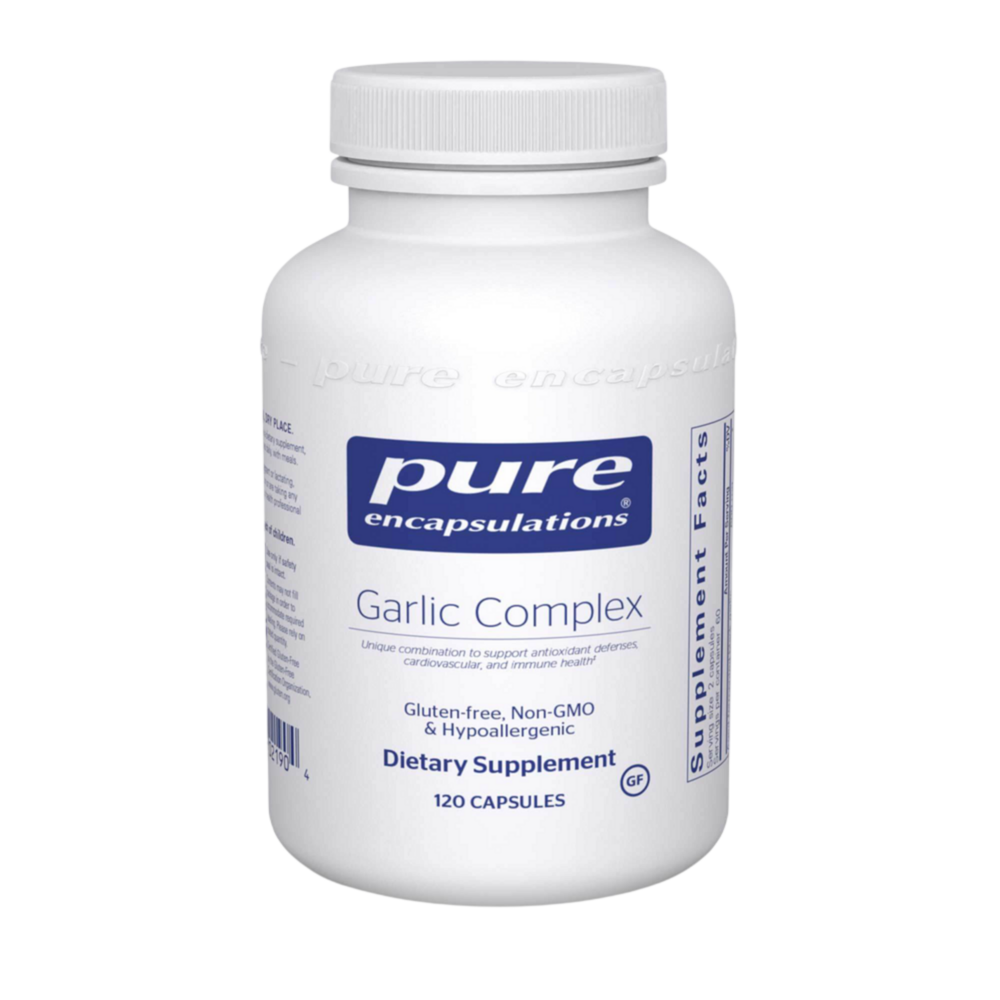
Garlic Complex
Pure Encapsulations
120 capsules
$59.50$47.99 with Subscribe & Save