 Instalab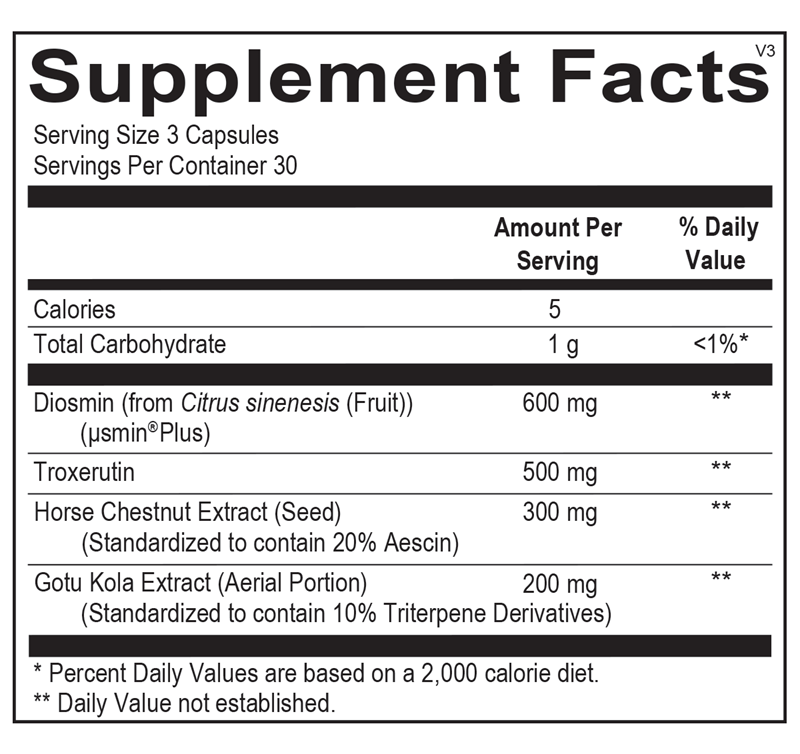
Ortho Molecular Products
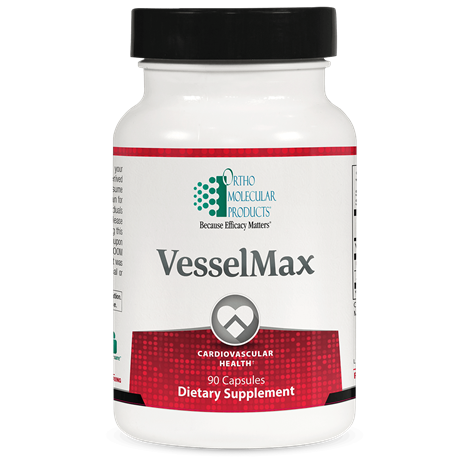
VesselMax by Ortho Molecular Products
90 capsules · 30-day supply
Comprehensive Support for Healthy Circulation and Vascular Function$65.99
Purchase options
Practitioner-grade brand3rd-party testedFree shipping $50+
Gluten Free·Yeast Free·Artificial Color Free·Artificial Flavor Free
Ortho Molecular Products VesselMax overview
Heavy, achy legs after long days on your feet is the classic use case for diosmin for varicose veins. This blend fits adults with mild chronic venous insufficiency (leg heaviness, ankle swelling, visible veins) and during hemorrhoid flares. It pairs well with compression stockings and walking programs. Expect steadier legs on travel or standing shifts. If you have sudden one-sided swelling or calf pain, seek urgent care to rule out a clot.
Diosmin is a citrus flavonoid that increases venous tone (tighter vein walls that move blood upward) and reduces capillary leak, which helps ankle swelling. Horse chestnut’s aescin reduces fluid seeping from tiny vessels and limits inflammation from white blood cells sticking to vein linings. Troxerutin stabilizes fragile capillaries, while gotu kola supports connective tissue in vein walls and microcirculation. In trials, these actions ease leg heaviness within 2–4 weeks and speed hemorrhoid symptom relief in the first week at higher, short-term doses. Modest drops in hs-CRP (a systemic inflammation marker) are reported in some responders.
Take three capsules daily with food, ideally split morning and evening to keep levels steady and reduce stomach upset. Most notice lighter legs in 2–4 weeks, with fuller changes in swelling by 4–8 weeks. For hemorrhoid flares, some studies used short loading courses, but stick to the label unless your clinician directs otherwise. Keep wearing compression and stay active for best results.
Skip or get clinician guidance if you use blood thinners (warfarin, apixaban, rivaroxaban) or antiplatelets (aspirin, clopidogrel), since horse chestnut and flavonoids can add to bleeding risk. Avoid in pregnancy or breastfeeding due to limited data. Use caution with liver disease or heavy alcohol, as gotu kola has rare liver effects. Stop 1–2 weeks before surgery. Raw horse chestnut seeds are toxic; standardized extracts like aescin are the safe form used here.
Frequently asked questions
Does diosmin really help varicose veins?
Yes for symptoms. Randomized trials show diosmin-based formulas reduce leg heaviness and ankle edema in chronic venous insufficiency. They do not erase existing varicose veins, but they make legs feel better and swell less, especially when combined with compression stockings and walking.
How long does diosmin take to work?
Leg heaviness often improves within 2–4 weeks, with swelling changes by 4–8 weeks. Hemorrhoid discomfort can ease within a week in studies that used short-term higher dosing. Stay consistent daily for a full trial of 8 weeks before judging.
Can I take diosmin or horse chestnut with blood thinners?
Not without medical guidance. Diosmin blends and horse chestnut can increase bleeding risk alongside warfarin, apixaban, rivaroxaban, dabigatran, aspirin, or clopidogrel. If your clinician approves, they may monitor for bruising and adjust doses as needed.
Is diosmin safe in pregnancy or breastfeeding?
Safety data are limited, so avoid during pregnancy and breastfeeding unless your obstetric clinician specifically recommends and monitors it. Compression stockings, elevation, and walking are first-line for pregnancy-related leg swelling.
Can I use diosmin for hemorrhoids?
Yes for symptom flares. Diosmin-based regimens shorten pain and bleeding in acute hemorrhoids in clinical trials, often within 3–7 days when dosed more aggressively. Use the label dose here unless your clinician prescribes a short loading schedule.
What side effects should I watch for?
Most people tolerate it well. Possible effects include stomach upset, nausea, headache, dizziness, or itching. Rarely, horse chestnut or gotu kola can cause liver enzyme elevations. Stop and seek care if you notice dark urine, yellowing skin, or unusual bleeding.
Do I still need compression stockings?
Yes. Supplements and compression work better together than either alone. Stockings improve venous return mechanically, while diosmin, troxerutin, aescin, and gotu kola address vein tone, leakage, and inflammation from the inside.
How to take it & ingredients
Suggested use: 3 capsules per day or as recommended by your health care professional.
Active ingredients
3 capsules per serving · 30 servings
Diosmin
From Citrus sinensis (Fruit) (μsmin®Plus micronized)
From Citrus sinensis (Fruit) (μsmin®Plus micronized)
600 mg
Troxerutin
Naturally occurring flavonoid from tea, coffee and vegetables
Naturally occurring flavonoid from tea, coffee and vegetables
500 mg
Horse Chestnut Extract
Seed (Aesculus hippocastanum) (Standardized to contain 20% Aescin)
Seed (Aesculus hippocastanum) (Standardized to contain 20% Aescin)
300 mg
Gotu Kola Extract
Aerial Portion (Centella asiatica) (Standardized to contain 10% Triterpene Derivatives)
Aerial Portion (Centella asiatica) (Standardized to contain 10% Triterpene Derivatives)
200 mg
Other ingredients: Hypromellose (Natural Vegetable Capsules), Magnesium Stearate, Silicon Dioxide, Stearic Acid
Certifications
Benefits
Warnings
Customers also considered
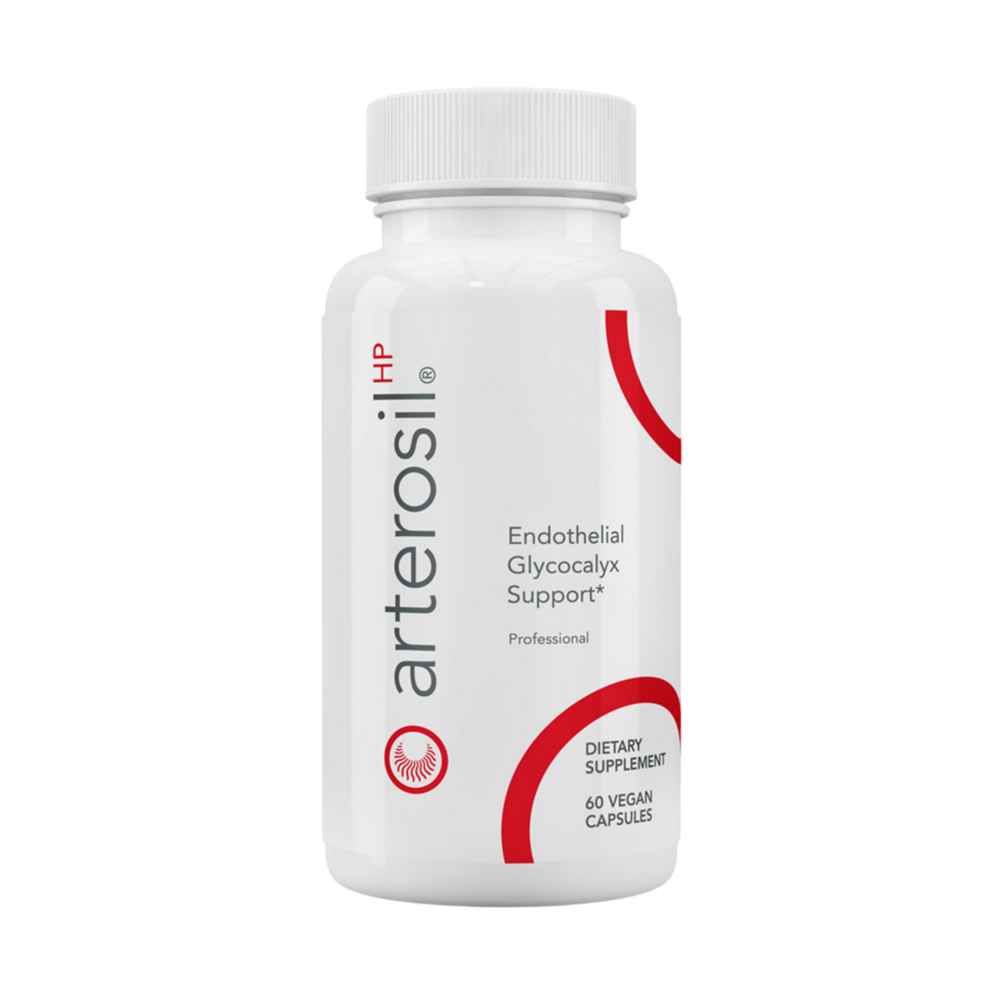
Arterosil HP
Calroy Health Sciences
60 capsules
$99.99$79.99 with Subscribe & Save
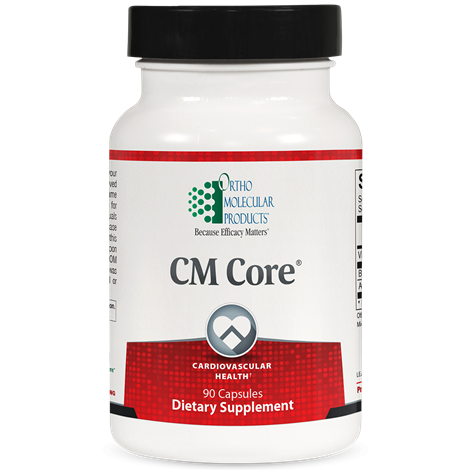
CM Core
Ortho Molecular Products
90 capsules
$70.32$63.35 with Subscribe & Save
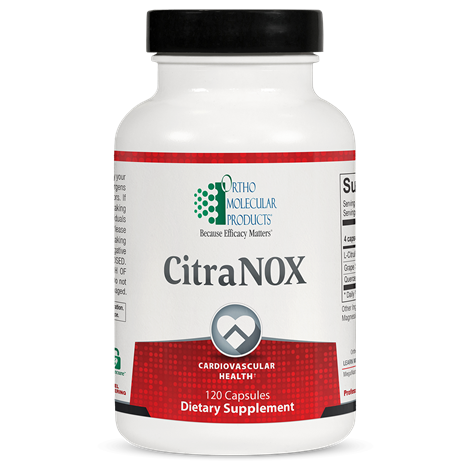
CitraNOX
Ortho Molecular Products
120 capsules
$70.32$63.35 with Subscribe & Save
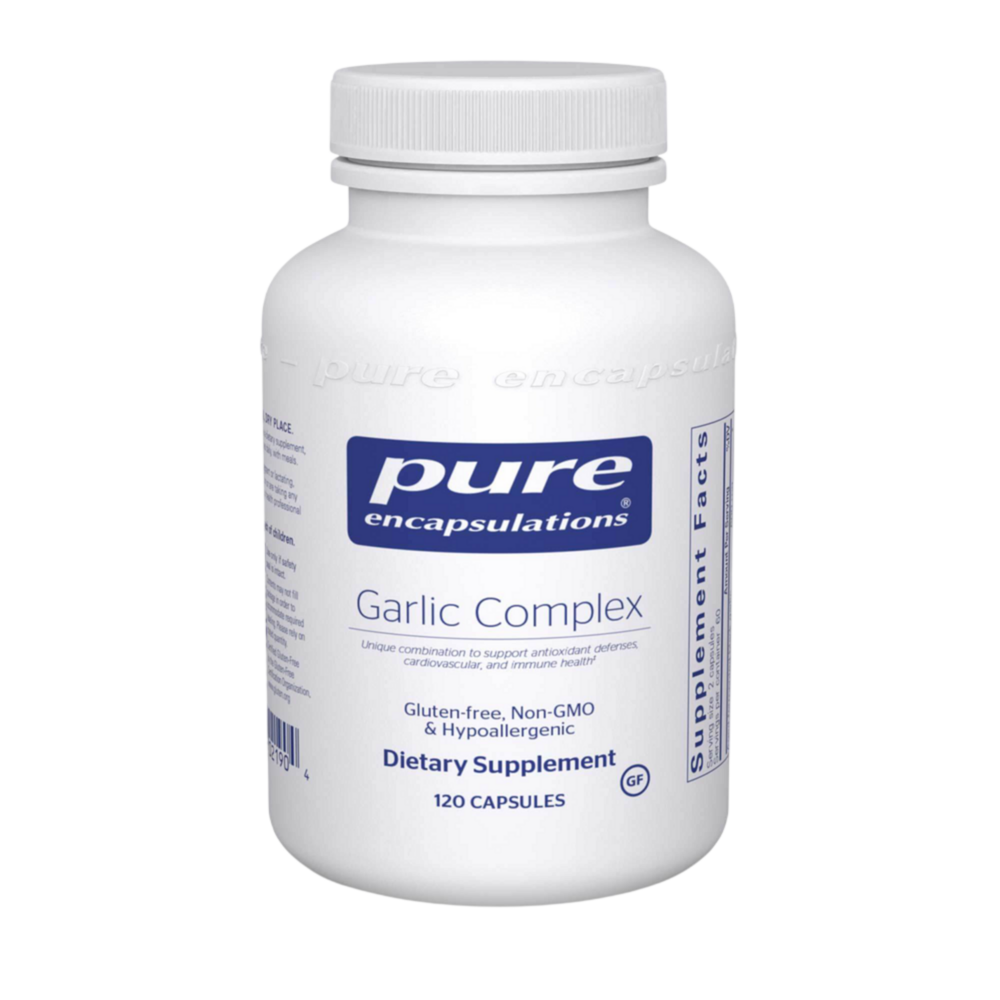
Garlic Complex
Pure Encapsulations
120 capsules
$59.50$47.99 with Subscribe & Save