 Instalab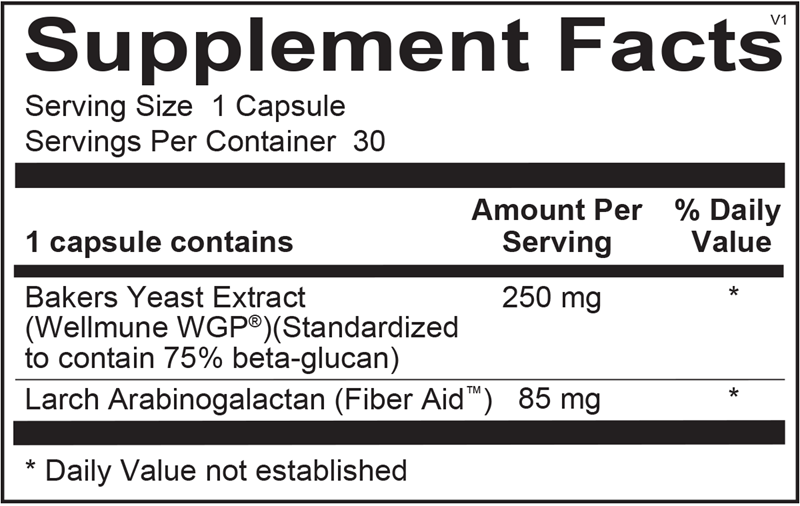

Ortho Molecular Products
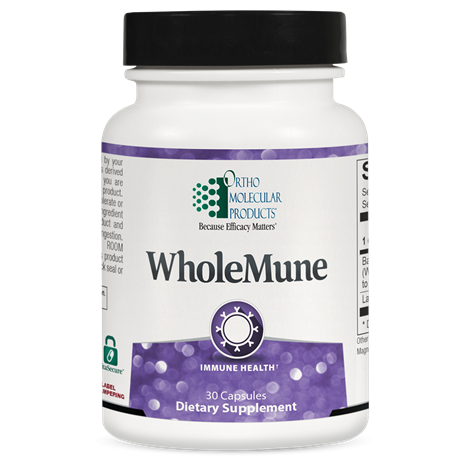
WholeMune 250 mg by Ortho Molecular Products
30 capsules · 30-day supply
Natural Immune Support with Wellmune WGP® for Everyday Wellness$47.67
Purchase options
Practitioner-grade brand3rd-party testedFree shipping $50+
Gluten Free·Corn Free·Yeast Free·Artificial Color Free·Artificial Flavor Free
Ortho Molecular Products WholeMune overview
If you’re the person who gets run down during heavy work stress, travel, or marathon training, a beta glucan supplement can help steady day‑to‑day resilience. This formula uses 250 mg of Wellmune beta 1,3/1,6‑glucan, the dose used in human trials showing fewer and milder upper‑respiratory symptom days in stressed adults within 4 to 12 weeks. It’s a good fit if your sleep is inconsistent or you work in high‑exposure settings. For those tracking inflammation, responders sometimes see modest improvements in hs-CRP (a blood marker of inflammation) and higher salivary IgA (the antibody that lines your airways and gut).
Yeast-derived beta 1,3/1,6‑glucan is a specific fiber pattern your innate immune system recognizes. After you swallow it, gut immune cells shuttle fragments to lymph tissues, where they prime neutrophils (first‑responder white cells) through complement receptor 3 (a docking site that helps cells grab and clear microbes). That priming doesn’t overstimulate immunity; it improves the speed and coordination of the early response. This is different from oat beta‑glucan (1,3/1,4), which mainly lowers LDL cholesterol by thickening gut contents rather than priming immune cells.
Take one capsule once daily, with or without food. Consistency matters more than timing; most studies ran 4 to 12 weeks. If you’re heading into a high‑stress window, start 1 to 2 weeks before. This is a maintenance-level dose for ongoing immune readiness. If you’re expecting rapid changes in triglycerides or cholesterol, this isn’t the right tool—oat beta‑glucan or fish oil are better studied for lipids.
Skip this if you’ve had an organ transplant or take immune‑suppressing drugs like high‑dose steroids, calcineurin inhibitors, or biologics unless your specialist agrees—priming innate immunity can counter their goals. Use caution with autoimmune conditions and discuss with your clinician. Severe yeast allergy warrants care, even though Wellmune is highly purified. Safety data in pregnancy and breastfeeding are limited; avoid unless advised. For kids, use pediatric‑specific dosing rather than this adult capsule.
Frequently asked questions
How long does beta glucan take to work?
Expect steady effects over 4 to 12 weeks. Trials with 250 mg daily show fewer and milder upper‑respiratory symptoms by week 4, with benefits maintained through the study period. It’s not an immediate cold remedy.
Does beta glucan help with colds?
It can reduce the number and severity of upper‑respiratory symptom days in stressed or high‑exposure adults. It won’t prevent every infection, and it’s not a treatment once you’re sick, but it helps your front‑line response work more smoothly.
Is this yeast-free or safe with yeast allergy?
It’s derived from baker’s yeast but highly purified and does not contain live yeast. Most people with yeast sensitivity tolerate it, but those with severe yeast allergy should consult an allergist before use.
What’s the difference between yeast and oat beta glucan?
Yeast beta 1,3/1,6‑glucan primes innate immune cells. Oat and barley beta 1,3/1,4‑glucan is a viscous fiber that helps lower LDL cholesterol and improve glycemic response. They’re not interchangeable for goals.
Can I take beta glucan with vaccines?
Yes, there’s no known conflict, and it doesn’t replace vaccination. If you’re in a vaccine series, continuing daily dosing is reasonable; for personalized timing, ask your clinician.
Are there side effects with beta glucan?
It’s generally well tolerated. Mild digestive changes or headache are uncommon and usually brief. Stop and seek care if you notice rash, wheezing, or swelling, especially with a history of severe allergies.
Is beta glucan safe with autoimmune disease or biologics?
Use caution and involve your specialist. It primes innate immunity, which could counteract drugs that dial immunity down. Many clinicians prefer to avoid it during active immunosuppression.
Do I need to take beta glucan with food or at a specific time?
You can take it with or without food and at any time of day. The key is daily consistency, not timing. If it upsets your stomach, take it with a meal.
How to take it & ingredients
Suggested use: 1 capsule per day or as recommended by your health care professional.
Active ingredients
1 capsule per serving · 30 servings
Wellmune WGP®
Beta 1,3/1,6 glucan from Saccharomyces cerevisiae (Standardized to contain 75% beta-glucan)
Beta 1,3/1,6 glucan from Saccharomyces cerevisiae (Standardized to contain 75% beta-glucan)
250 mg
Other ingredients: Hypromellose (Vegetable Capsule)
Certifications
Benefits
Warnings
Customers also considered
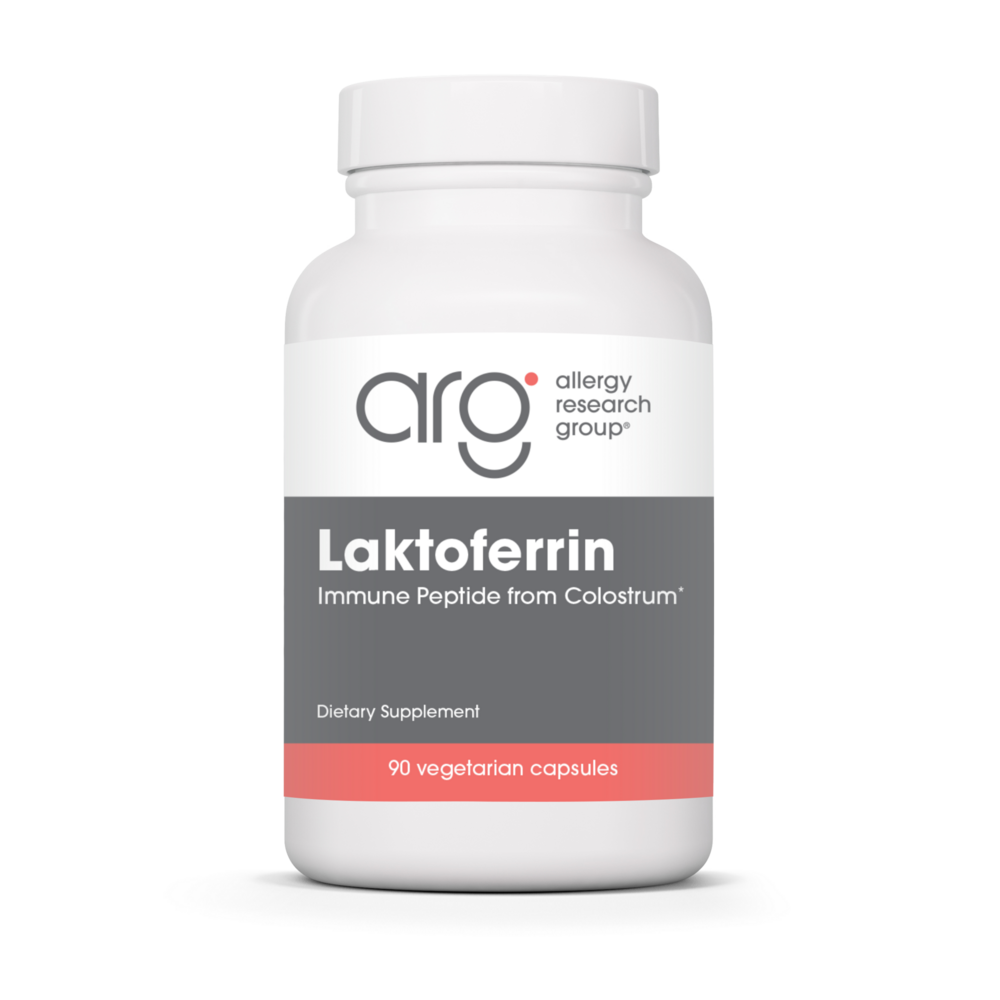
Laktoferrin 350mg
Allergy Research Group
90 capsules
$131.99$105.99 with Subscribe & Save
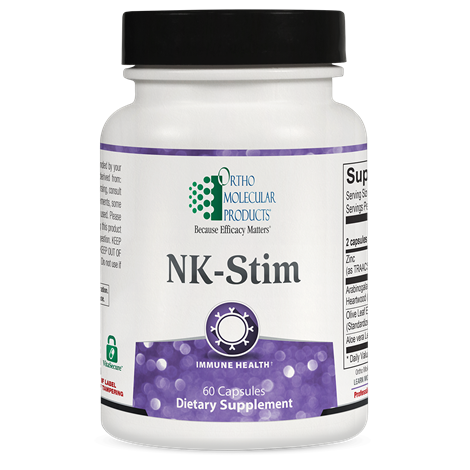
NK-Stim
Ortho Molecular Products
60 capsules
$72.54$65.35 with Subscribe & Save
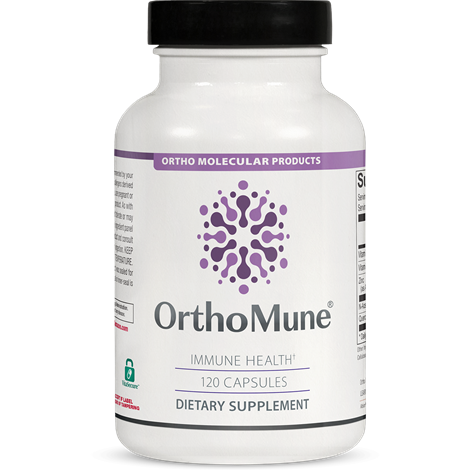
OrthoMune®
Ortho Molecular Products
120 capsules
$67.10$60.45 with Subscribe & Save
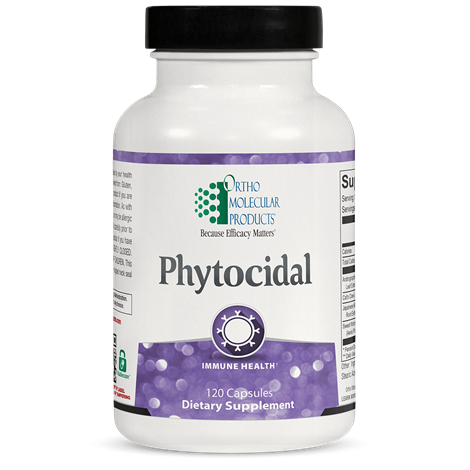
Phytocidal
Ortho Molecular Products
120 capsules
$100.07$90.15 with Subscribe & Save