 Instalab

Pure Encapsulations
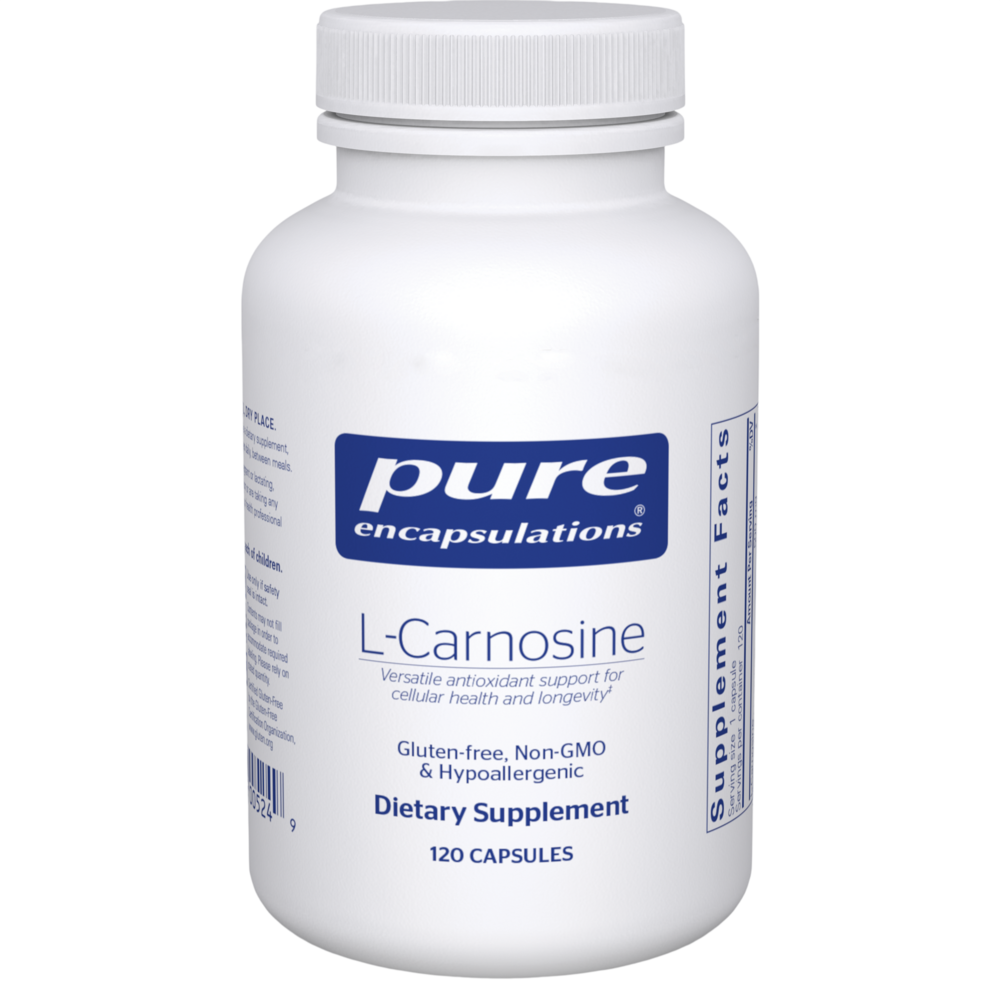
L-Carnosine 500 mg by Pure Encapsulations
120 capsules · 120-day supply
Antioxidant Dipeptide for Cellular Health and Healthy Aging$153.99
Purchase options
Practitioner-grade brand3rd-party testedFree shipping $50+
Gluten Free
Pure Encapsulations L-Carnosine overview
L-carnosine appeals to adults interested in healthy aging who want antioxidant support that works differently from vitamins C and E. It tends to interest people who eat little or no meat, since carnosine comes only from animal foods and vegetarians have lower muscle stores, and older adults, whose muscle carnosine declines with age. No routine lab test guides its use. If your interest is exercise performance specifically, beta-alanine has the stronger evidence for raising muscle carnosine.
Carnosine is a dipeptide: two amino acids, beta-alanine and histidine, joined together. It is concentrated in muscle and brain, where it buffers acid, binds reactive metals, and reacts with sugars and their by-products before they can attach to proteins, a process called glycation. That last role is the main reason it is studied in aging. One caveat: an enzyme in the blood, carnosinase, breaks down much of an oral dose within hours, so how much reaches tissues intact is debated. Human trials are small and their results mixed.
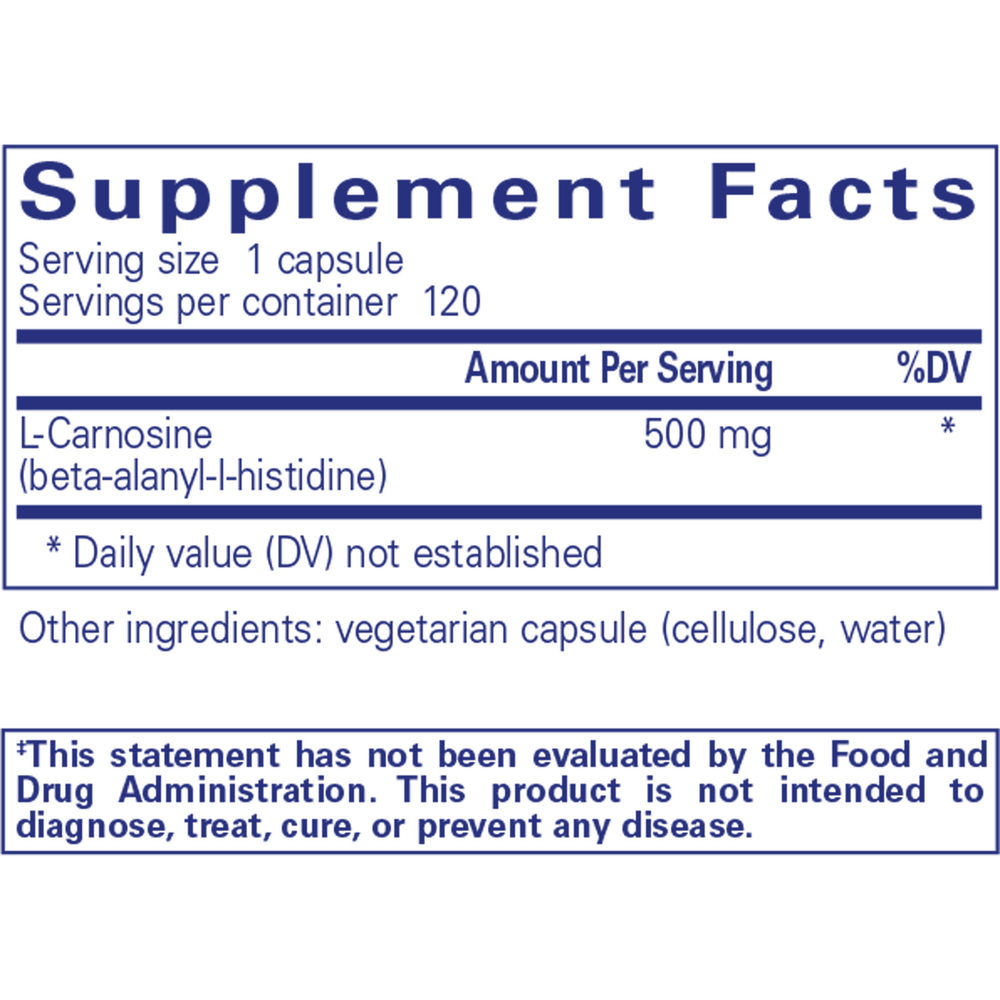
Each capsule provides 500 mg of L-carnosine in a vegetarian capsule, with nothing else listed. The label directs 1 capsule, 1–3 times daily, between meals. Take it with a glass of water, and start with one capsule a day before adding more. If an empty stomach leaves you queasy, a small snack is a reasonable compromise.
Carnosine is generally well tolerated, and no significant drug interactions are established. Small trials suggest it may modestly lower blood sugar, so if you take glucose-lowering medicines, mention it to your clinician. It has not been studied in pregnancy or nursing; avoid it then unless your clinician advises otherwise. People with kidney disease should ask before using any amino acid supplement.
Carnosine is not something you feel. Trials that reported changes ran for two to three months, so give it at least that long and then decide whether it earns its place. The common alternative is beta-alanine, the building block that limits how much carnosine muscle can make; it raises muscle carnosine more reliably and is the form used in sports research, though it causes a harmless tingling. Zinc carnosine is a different product, used for the stomach lining, and is not interchangeable.
Frequently asked questions
What is L-carnosine?
L-carnosine is a dipeptide made of the amino acids beta-alanine and histidine. It is concentrated in muscle and brain, where it acts as an acid buffer and antioxidant. Each capsule of this product provides 500 mg.
What is the difference between carnosine and beta-alanine?
Beta-alanine is one of carnosine's two building blocks, and the one that limits how much your muscles can make. Beta-alanine supplements raise muscle carnosine reliably and are used in sports research. Carnosine itself is taken mainly for antioxidant support.
Is L-carnosine the same as L-carnitine?
No. The names are similar, but they are different compounds. Carnitine helps carry fatty acids into mitochondria to be used for energy. Carnosine is a dipeptide that buffers acid and acts as an antioxidant. They are not interchangeable.
When should I take L-carnosine?
The label directs 1 capsule, 1–3 times daily, between meals. Take it with a glass of water on an empty stomach; if that upsets your stomach, a small snack is fine. Each capsule provides 500 mg.
Is zinc carnosine the same thing?
No. Zinc carnosine is carnosine bound to zinc, used to support the stomach lining, and it also supplies zinc. This product is plain L-carnosine with no zinc. Choose based on your goal and do not substitute one for the other.
Can vegetarians take L-carnosine?
Dietary carnosine comes only from meat and fish, so vegetarians tend to have lower muscle stores. This product lists a vegetarian capsule (cellulose, water) as its only other ingredient. The label does not state the source of the carnosine or make a vegan claim.
Does L-carnosine have side effects?
It is generally well tolerated; occasional stomach upset is the most common complaint. If you take medicines for blood sugar, tell your clinician, since small trials suggest carnosine may lower glucose modestly. Avoid it in pregnancy and nursing, where it has not been studied.
How long does L-carnosine take to work?
There is no quick effect to notice. Trials that reported changes generally ran two to three months. Give it that long, then decide with your clinician whether to continue. Much of an oral dose is broken down in the blood, which is one reason results vary.
How to take it & ingredients
Suggested use: As a dietary supplement, take 1 capsule, 1-3 times daily, between meals.
Active ingredients
1 capsule per serving · 120 servings
L-Carnosine
Beta-alanyl-L-histidine
Beta-alanyl-L-histidine
500 mg
Other ingredients: Vegetarian capsule (cellulose, water)
Certifications
Benefits
Warnings
Customers also considered
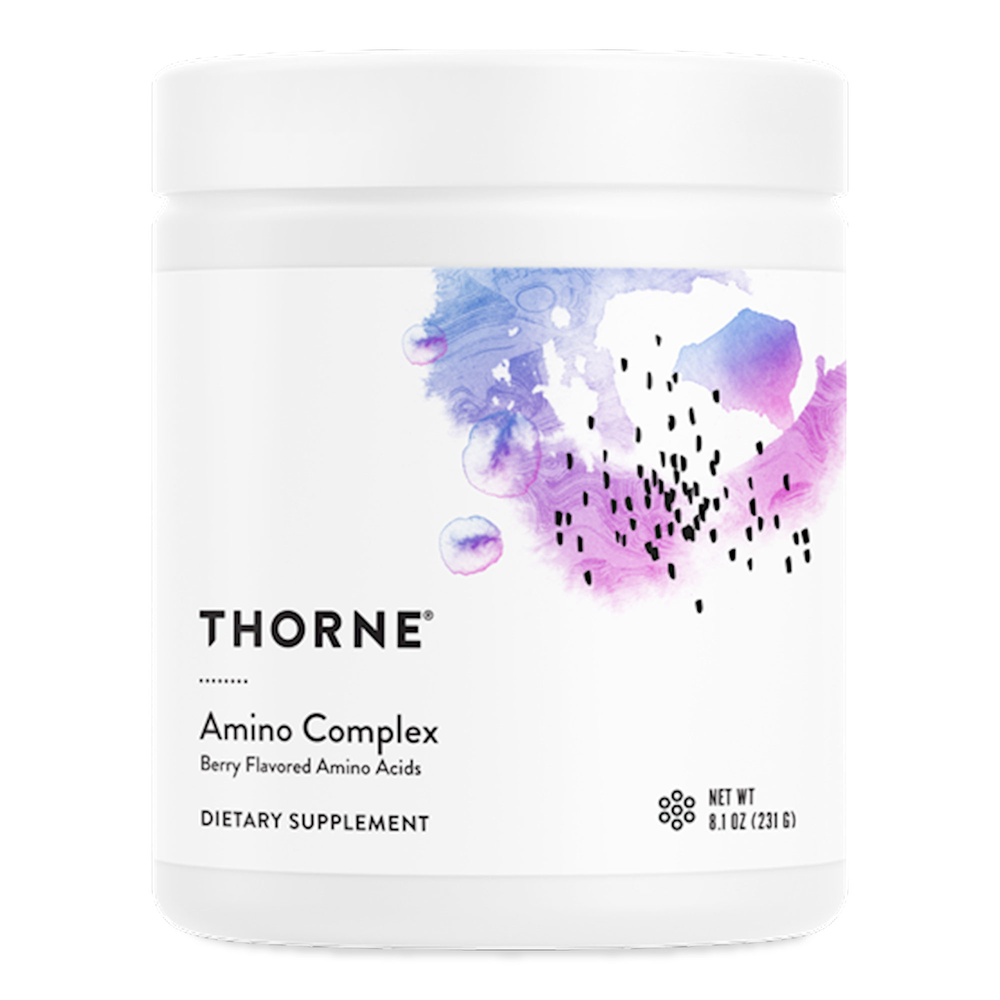
Amino Complex Berry Powder
Thorne
231 grams
$52.00$46.80 with Subscribe & Save
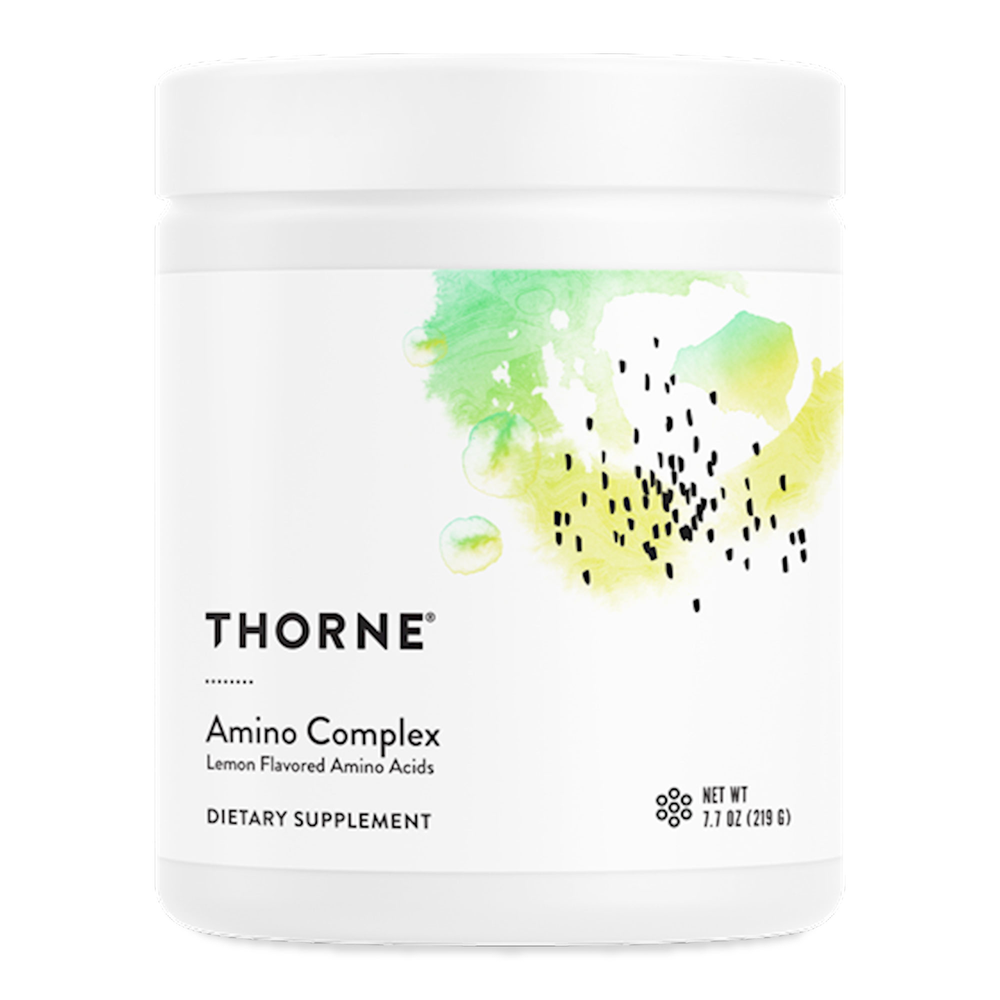
Amino Complex Lemon
Thorne
231 grams
$52.00$46.80 with Subscribe & Save
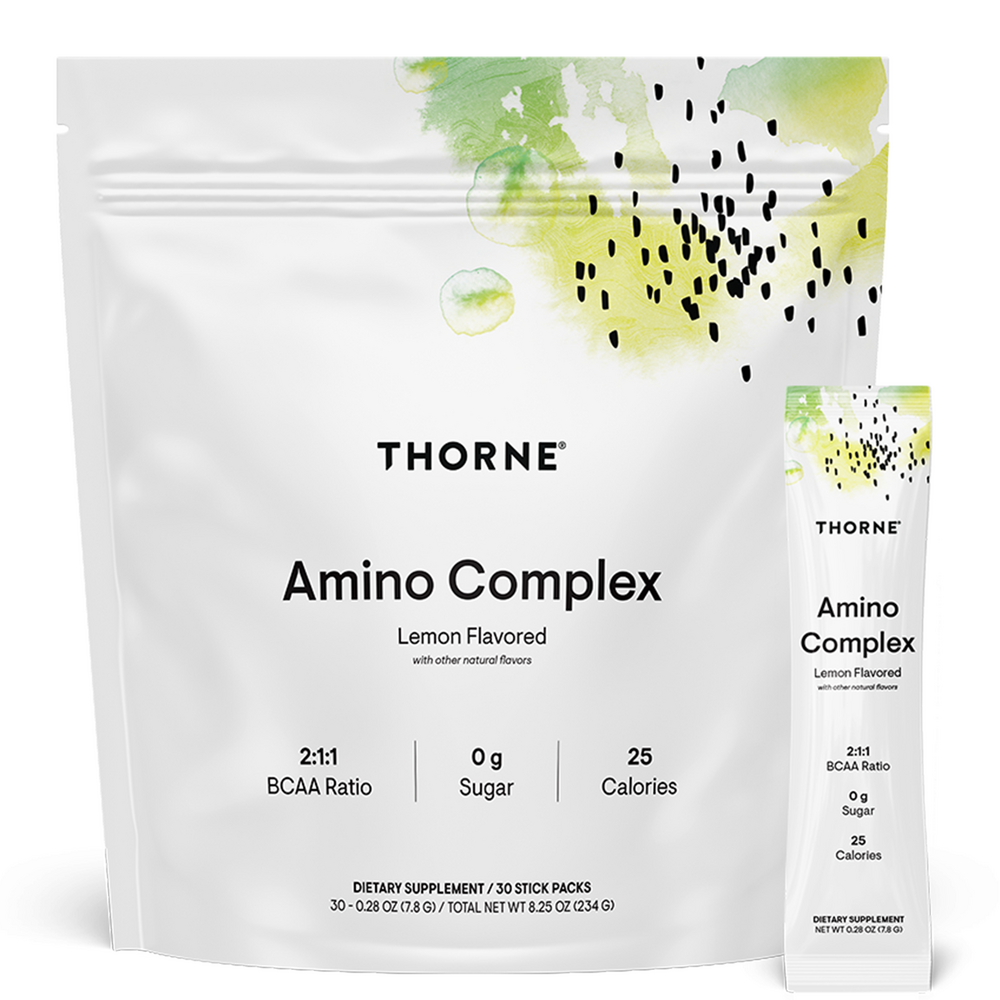
Amino Complex Lemon Stick Pack
Thorne
30 packets
$56.00$50.40 with Subscribe & Save
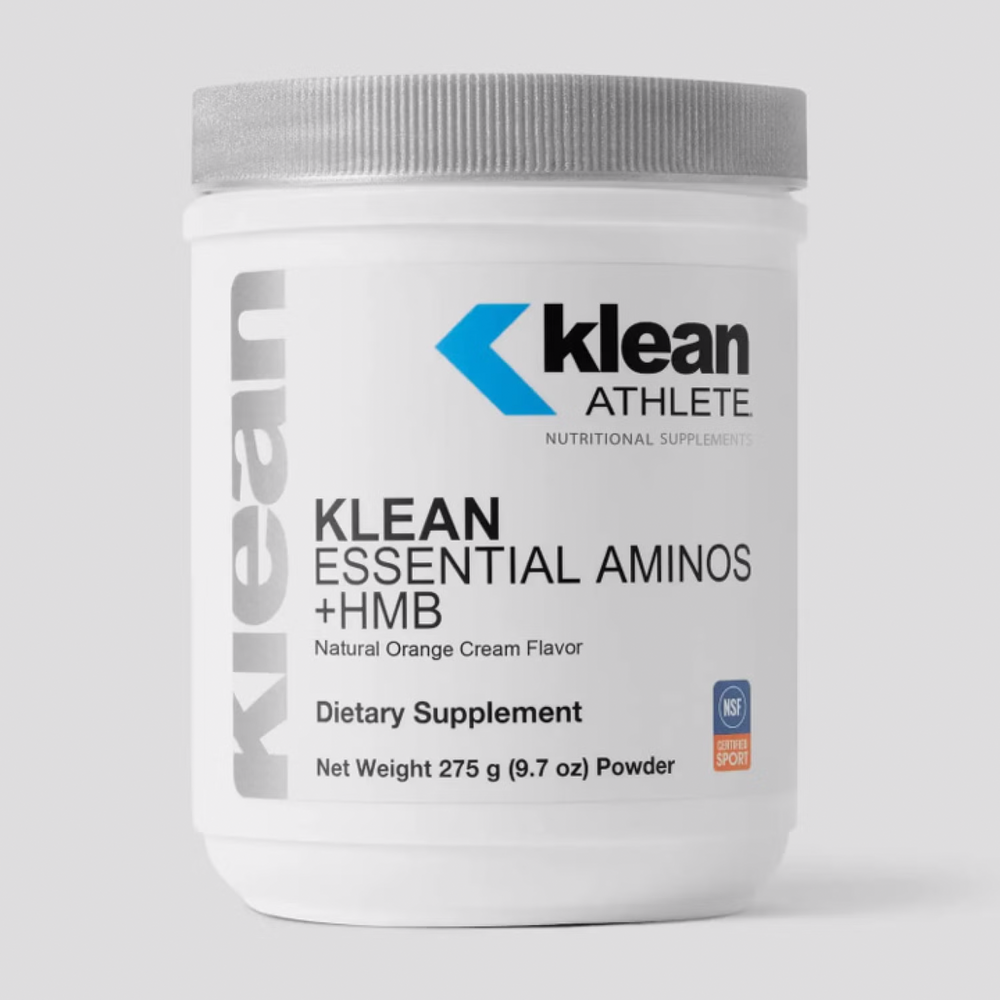
Klean Essential Aminos + HMB
Klean Athlete
275 grams
$78.00$61.99 with Subscribe & Save