 Instalab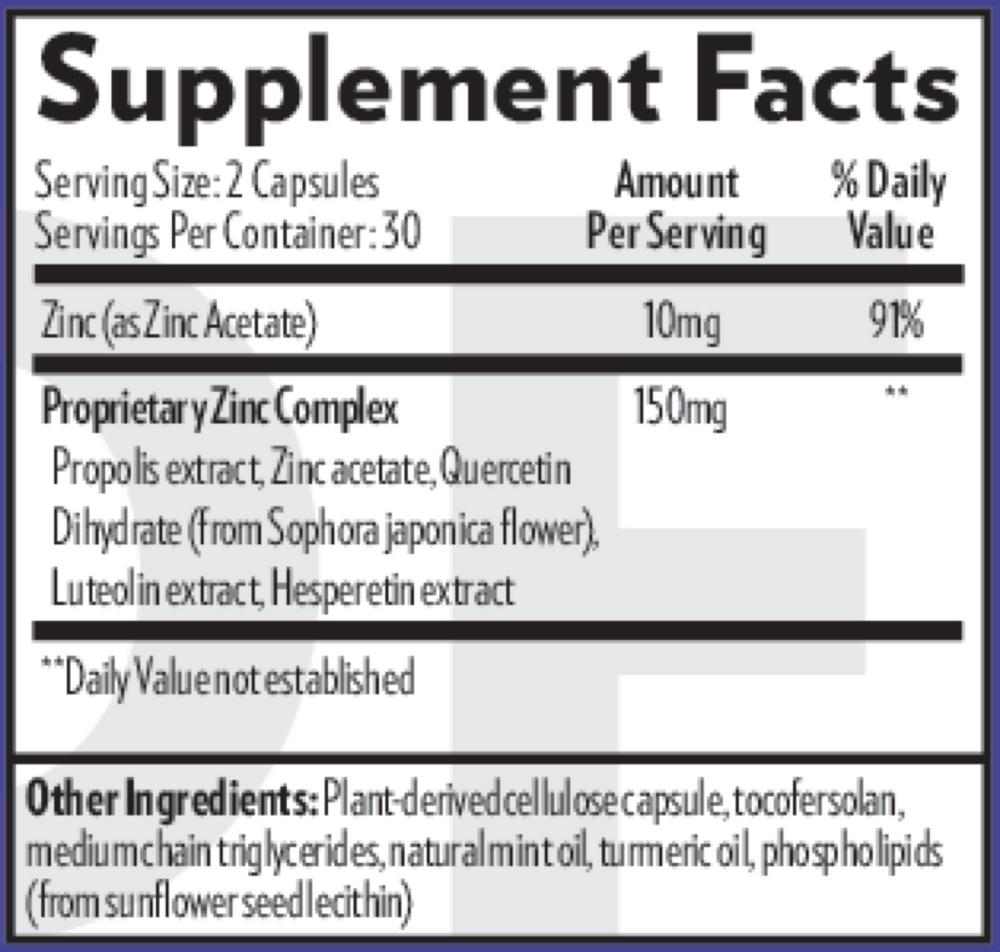
Quicksilver Scientific
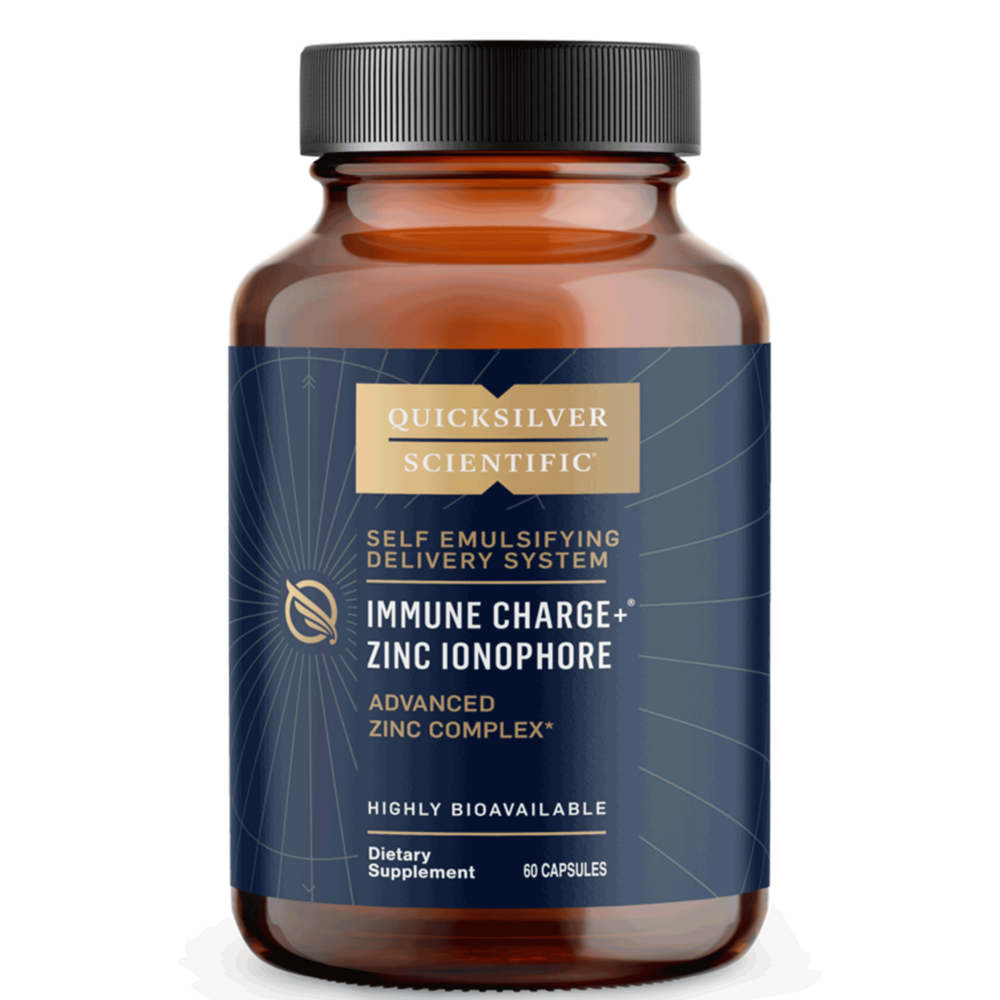
Immune Charge + Zinc Ionophore by Quicksilver Scientific
60 capsules
Support Your Immune System with Zinc and Natural Botanicals$73.99
This item is currently out of stockGet notified when this item is back in stock
Practitioner-grade brand3rd-party testedFree shipping $50+
Soy Free
Quicksilver Scientific Immune Charge + Zinc Ionophore overview
If you pick up every office cold and your Serum Zinc trends low-normal, a zinc ionophore formula can help you keep a steady daily intake without mega-dosing. It suits plant‑forward eaters who skimp on red meat and shellfish, heavy exercisers with sweat losses, and people limiting calories. This is a maintenance-level approach; if you're chasing acute cold relief, high-dose zinc acetate lozenges used at symptom onset are the studied option, not capsules like these.
Zinc is used by immune cells to mature and to regulate antiviral defenses, and in lab settings it can slow viral replication inside cells. Getting zinc into cells is the trick. Quercetin, luteolin, and hesperetin are plant flavonoids that act as zinc ionophores (shuttles that help zinc cross cell membranes), and propolis adds similar polyphenols from bee resin. The capsule also uses a self-emulsifying delivery system to improve absorption in the gut. Human outcome data with this exact combo are limited, so treat it as a smart way to cover daily zinc needs, not a cure.
Take two capsules with a full glass of water on an empty stomach for best zinc uptake. If you get nausea, take one capsule twice daily or with a small snack. Separate from iron, calcium, or magnesium by a few hours to avoid competition. Capsules are not lozenges; for cold symptom timing, zinc acetate lozenges at much higher total daily zinc are the form with evidence. Recheck Serum Zinc within 4 to 12 weeks if you're tracking levels.
Avoid if you’re allergic to bee products (propolis). Space zinc at least 2–6 hours from tetracycline or quinolone antibiotics and from thyroid medication, which can bind with minerals. Long-term high zinc can lower Copper and Ceruloplasmin (the copper-carrying protein), so if you supplement beyond basic dietary coverage, monitor both markers. Pregnancy and breastfeeding: safe zinc ranges are narrower, so use only with clinician guidance.
Frequently asked questions
Does a zinc ionophore really help zinc get into cells?
In cells and animal models, flavonoids like quercetin act as zinc ionophores, increasing intracellular zinc. Human trials are limited, so think of this as improving bioavailability rather than proven clinical outcomes. It’s a reasonable strategy to cover daily zinc needs.
Is this good for a cold, or do I need zinc lozenges?
For colds, evidence centers on high-dose zinc acetate lozenges started within 24 hours of symptoms. These capsules provide a modest daily zinc intake and aren’t lozenges, so they’re better for maintenance than acute cold treatment.
Can I take this zinc with food?
You can, but zinc absorbs better on an empty stomach. If it causes nausea, take it with a small snack or split the dose. Avoid taking it alongside iron, calcium, or magnesium, which compete for absorption.
How long until zinc levels improve?
Serum Zinc usually responds within 4 to 12 weeks of consistent intake. If you’ve had low levels or dietary gaps, retest after a few months and adjust with a clinician if needed.
Will zinc upset my stomach?
The most common side effect is mild nausea, especially on an empty stomach. Taking with a light snack or splitting the dose typically solves it. Persistent vomiting or abdominal pain is uncommon—stop and check in if that happens.
Do I need to take copper with zinc?
High-dose, long-term zinc can reduce copper status. This formula is a modest dose, but if you supplement zinc for months, it’s prudent to check Copper and Ceruloplasmin and add copper only if those are low.
Can I take zinc with antibiotics or thyroid meds?
Yes, but separate doses. Zinc binds tetracyclines, quinolones, and levothyroxine, reducing absorption. Take those medicines at least 2–6 hours apart from zinc.
Is quercetin safe to take daily with zinc?
Quercetin is generally well tolerated at supplement doses. Data in pregnancy and breastfeeding are limited, and it can interact with some drugs metabolized in the liver, so check with your clinician if you use multiple prescriptions.
How to take it & ingredients
Suggested use: Take 2 capsules with 8 ounces of water or as directed by a healthcare professional. If not well tolerated, take 1 capsule with 8 ounces of water twice daily. Best taken on an empty stomach.
Active ingredients
2 capsules per serving
Zinc
Zinc Acetate
Zinc Acetate
10 mg
Proprietary Zinc Complex
150 mg
Other ingredients: Plant derived cellulose capsule, Tocofersolan, Medium chain triglycerides, Natural mint oil, Turmeric oil, Phospholipids from sunflower seed lecithin
Certifications
Benefits
Warnings
Customers also considered
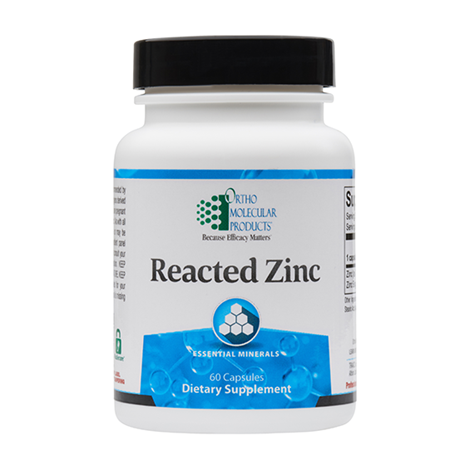
Reacted Zinc
Ortho Molecular Products
60 capsules
$32.91Save 10% with Subscribe & Save
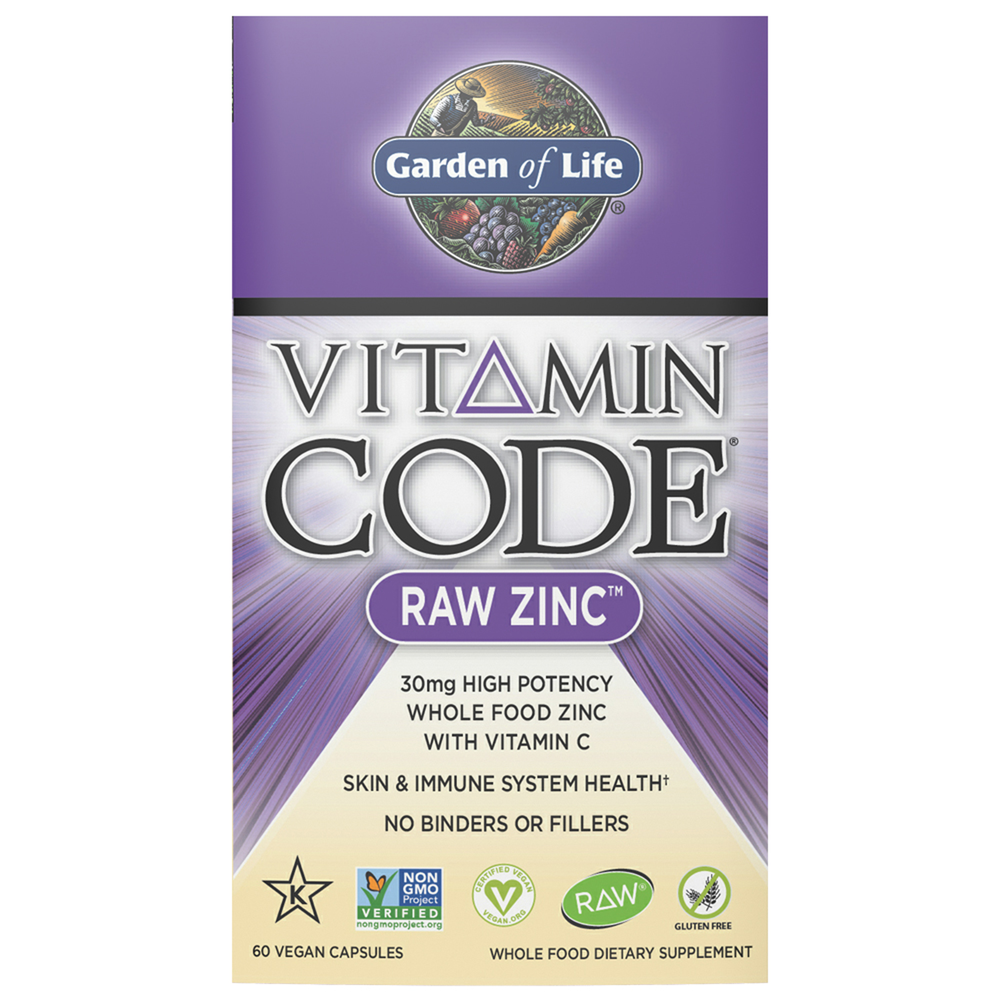
Vitamin Code Raw Zinc
Garden of Life
60 capsules
$15.99Save 19% with Subscribe & Save
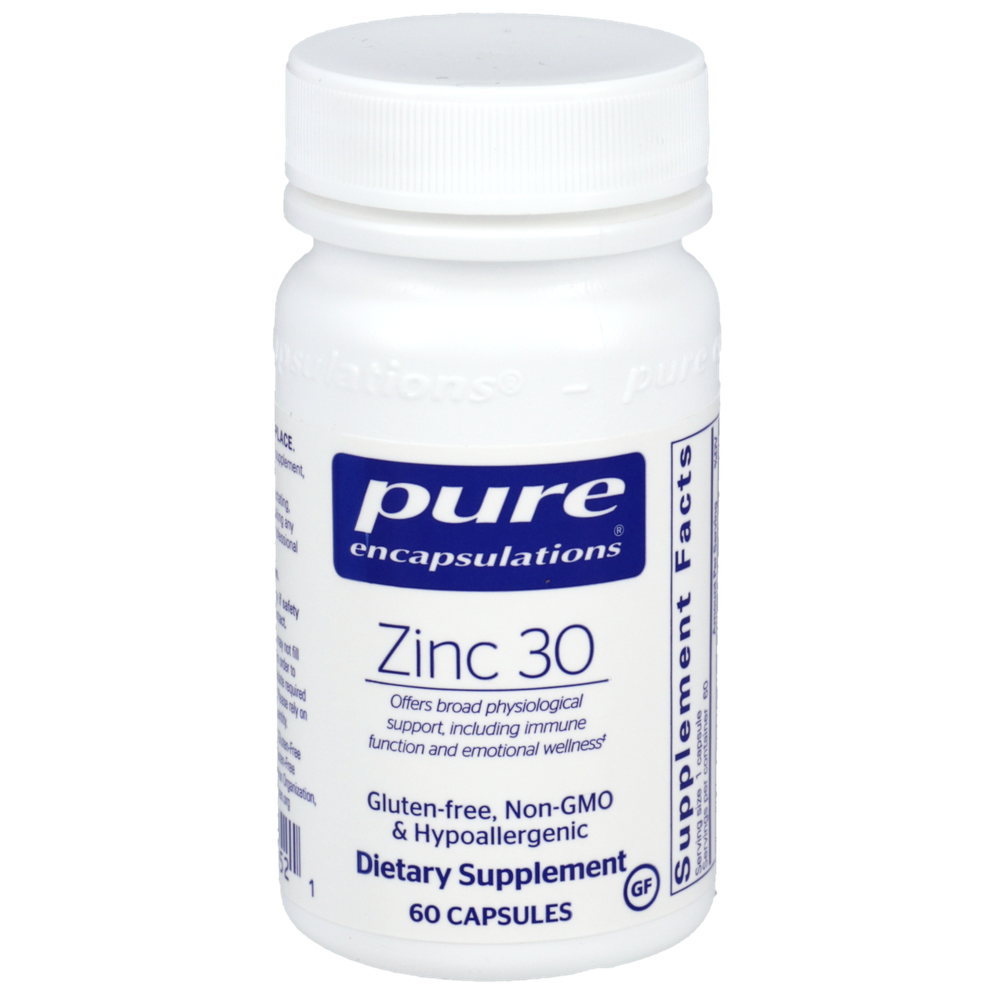
Zinc 30
Pure Encapsulations
60 capsules
$16.00Save 19% with Subscribe & Save
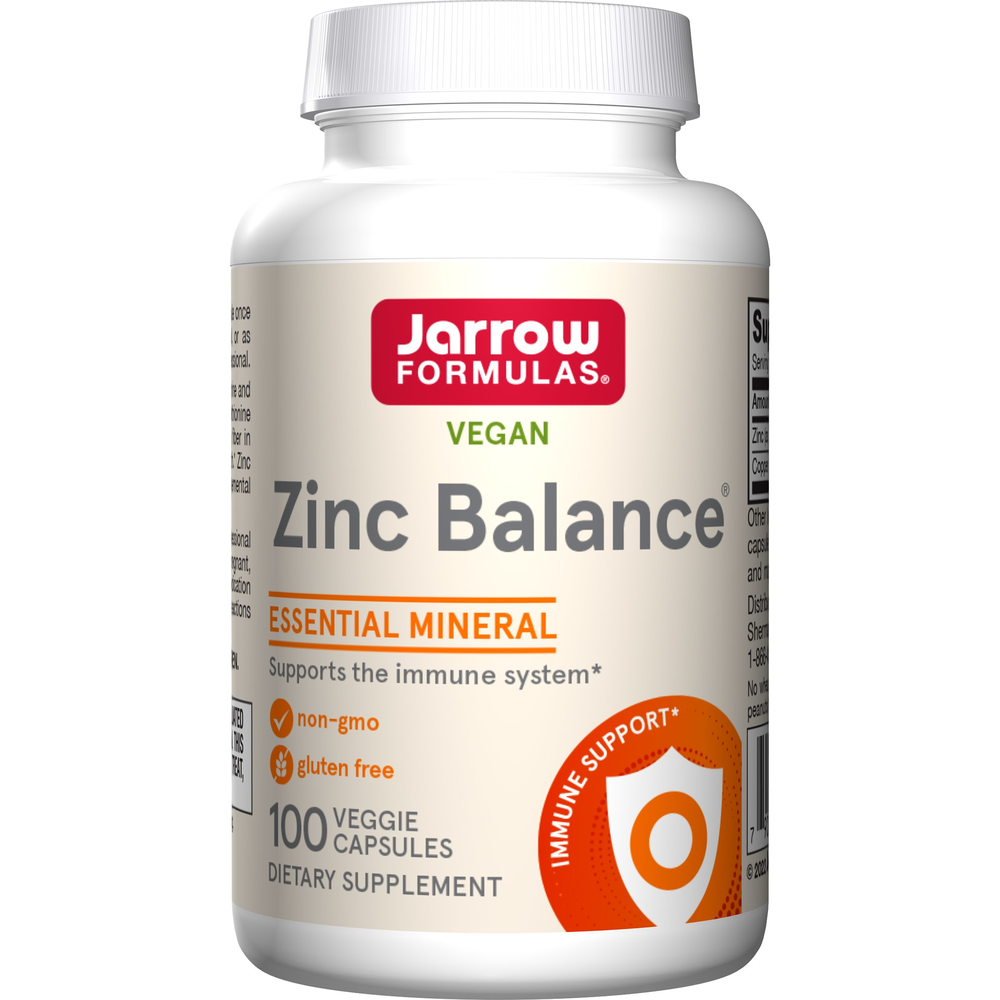
Zinc Balance
Jarrow Formulas
100 capsules
$16.99Save 18% with Subscribe & Save