 Instalab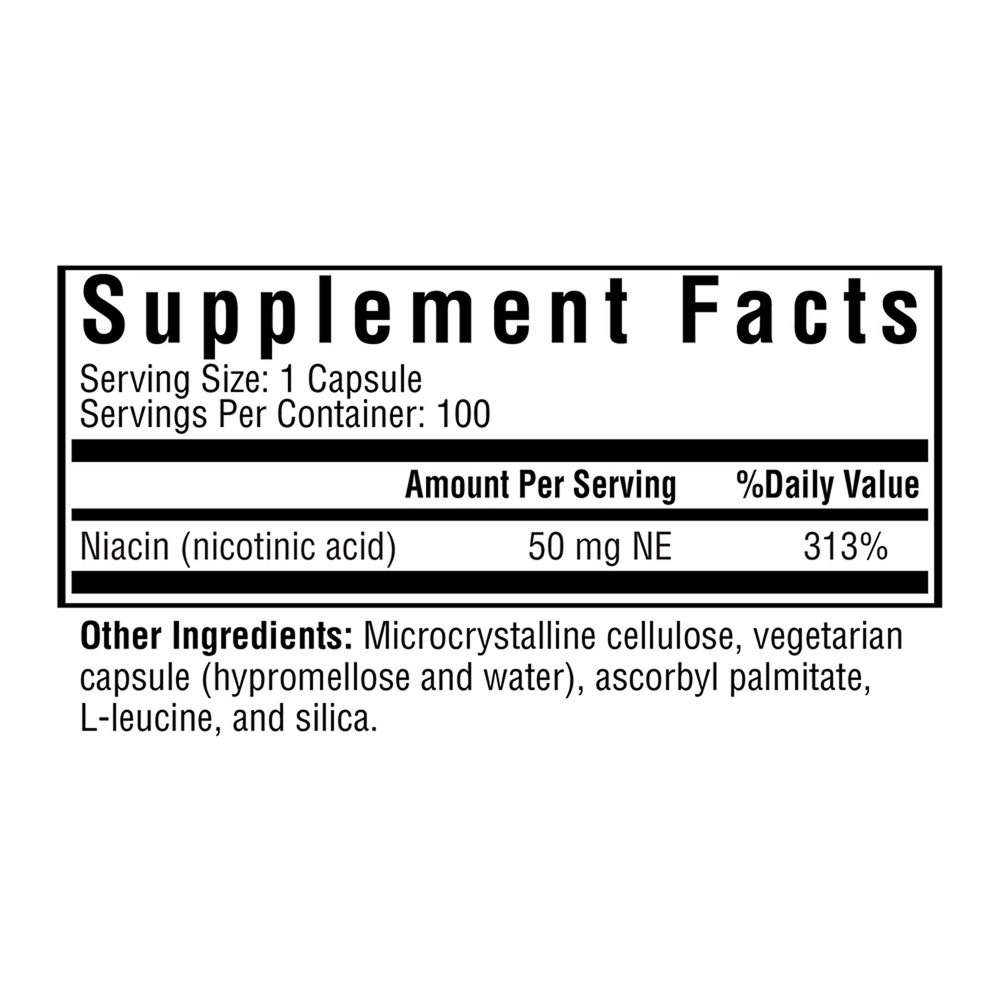
Seeking Health
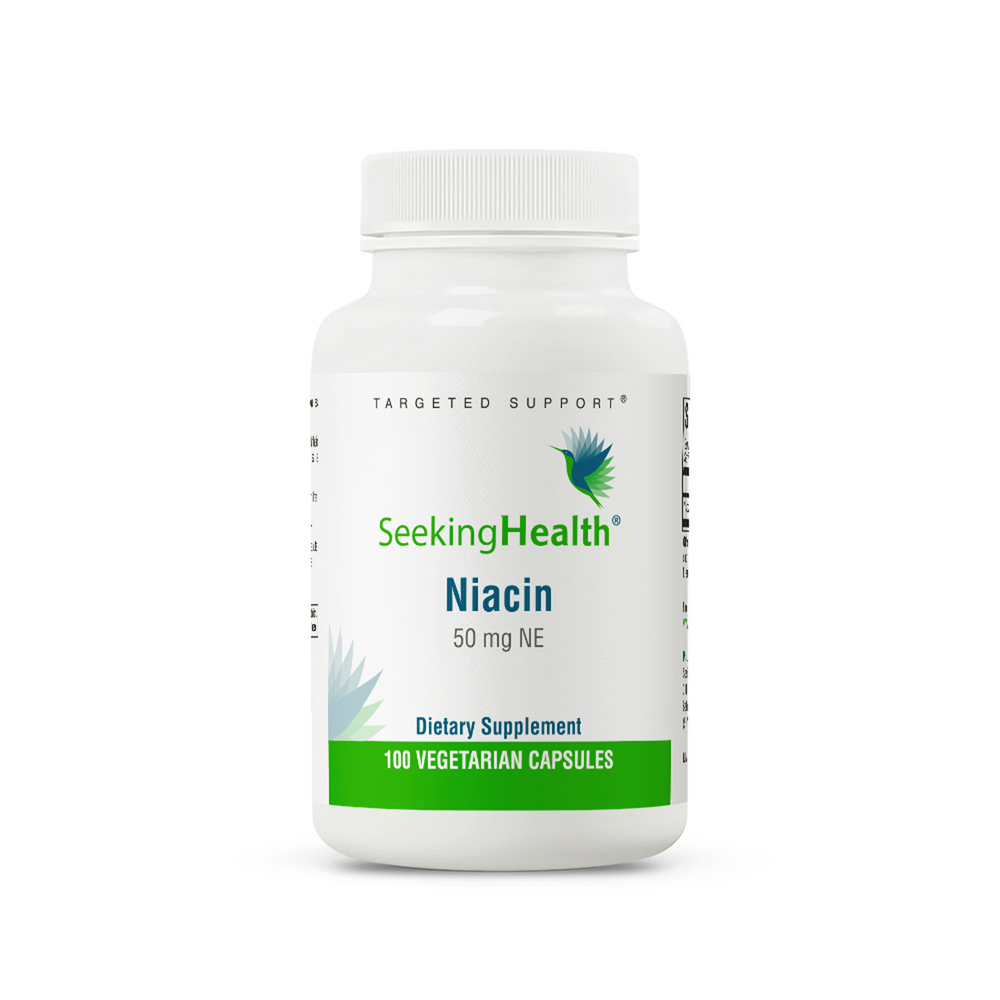
Niacin 50mg by Seeking Health
100 capsules · 100-day supply
Supports Energy Production and Healthy Cholesterol Levels$20.99
This item is currently out of stockGet notified when this item is back in stock
Practitioner-grade brand3rd-party testedFree shipping $50+
Vegan·Vegetarian·Egg Free·Tree Nut Free·Fish Free·Peanut Free·
Seeking Health Niacin 50mg overview
If you want a low, predictable niacin 50 mg dose to maintain vitamin B3 status and test your tolerance to the flushing form, this fits. It’s useful if your diet is light on meat, fish, or fortified grains, after periods of heavy alcohol use, or if you’re exploring NAD support. For cholesterol work, this dose is maintenance only; it’s far below the multi-gram amounts used in lipid clinics.
Nicotinic acid converts to NAD and NADP, the coenzymes that run hundreds of redox reactions, turning carbs, fat, and protein into usable energy. At higher doses, niacin also reduces how much fat your liver releases as VLDL particles (the carriers that appear as triglycerides on a lipid panel). The same receptor action in skin blood vessels explains the warm “flush” many feel at 30–60 minutes.
Take one capsule after breakfast as directed. Food blunts flushing; hot drinks and alcohol make it worse, so avoid them around the dose. If you’re new to niacin, start every other day for a week, then daily. Some use 81 mg aspirin 30 minutes before to cut flushing, but only do that if your clinician agrees. This is immediate-release, not extended-release.
For lipid management, outcome trials added to statins haven’t shown cardiovascular benefit, and 50 mg won’t move a lipid panel. If you have active liver disease, gout, or poorly controlled diabetes, higher-dose niacin can worsen labs; even at low dose, discuss with your clinician. Limit alcohol, which increases flushing and liver strain. Pregnancy or nursing: ask your OB before using more than a standard prenatal amount.
Frequently asked questions
What does 50 mg of niacin do?
It tops up vitamin B3 and feeds NAD/NADP, the cofactors your cells use to make energy. At this dose, expect nutrient maintenance and a possible mild flush, not cholesterol changes.
Will 50 mg of niacin lower cholesterol or triglycerides?
No. Lipid changes typically require gram-level niacin supervised by a clinician. Even then, adding niacin to statins hasn’t improved heart outcomes in major trials.
How do I avoid or reduce the niacin flush?
Take with food, avoid hot drinks and alcohol around the dose, and titrate slowly. The flush is harmless and usually fades in 30–60 minutes. Low-dose aspirin can blunt it if your clinician approves.
Is niacin the same as niacinamide (nicotinamide)?
They’re both vitamin B3. Nicotinic acid (this product) can cause flushing and, at high doses, affects lipids. Niacinamide does not flush and doesn’t lower triglycerides or raise HDL.
Can I take niacin with statins?
At 50 mg, interaction risk is low. At higher doses, combining niacin with statins raises the risk of muscle symptoms and liver enzyme elevations. Coordinate any lipid-dose niacin with your prescriber.
Does niacin affect blood sugar or gout?
High-dose niacin can raise blood glucose and uric acid. This low dose is unlikely to matter, but if you have diabetes or gout, discuss with your clinician and monitor labs.
When will I feel effects from niacin?
Nutrient effects are subtle; most people notice only the transient flush within an hour. If you’re repleting a low intake, expect steady support over weeks, not a stimulant-like boost.
How to take it & ingredients
Suggested use: Take one capsule daily after breakfast or as directed by your healthcare practitioner.
Active ingredients
1 capsule per serving · 100 servings
Niacin
As nicotinic acid
As nicotinic acid
50 mg
Other ingredients: Microcrystalline cellulose, HPMC (vegetable capsule), Ascorbyl palmitate, L-leucine, Silica
Certifications
Benefits
Warnings
Customers also considered
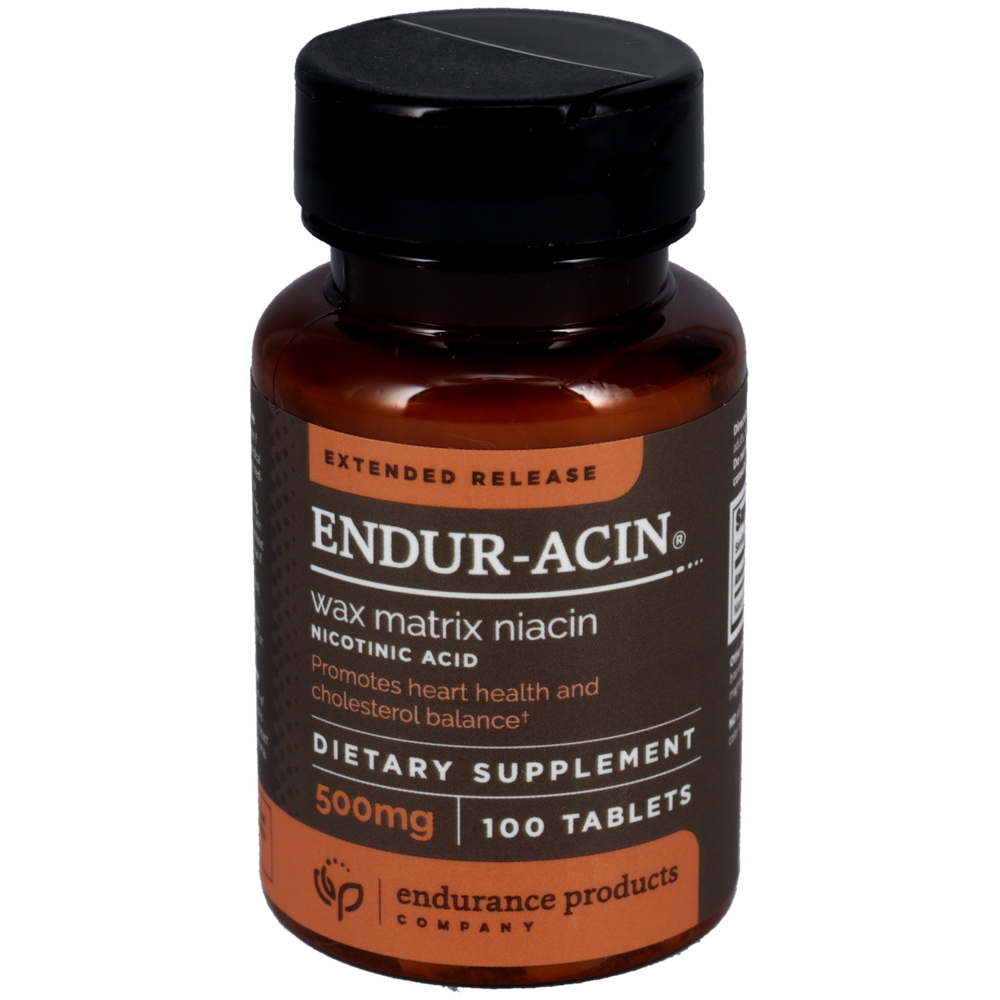
Extended Release ENDUR-ACIN
Endurance Products Company
100 tablets
$22.99$17.99 with Subscribe & Save
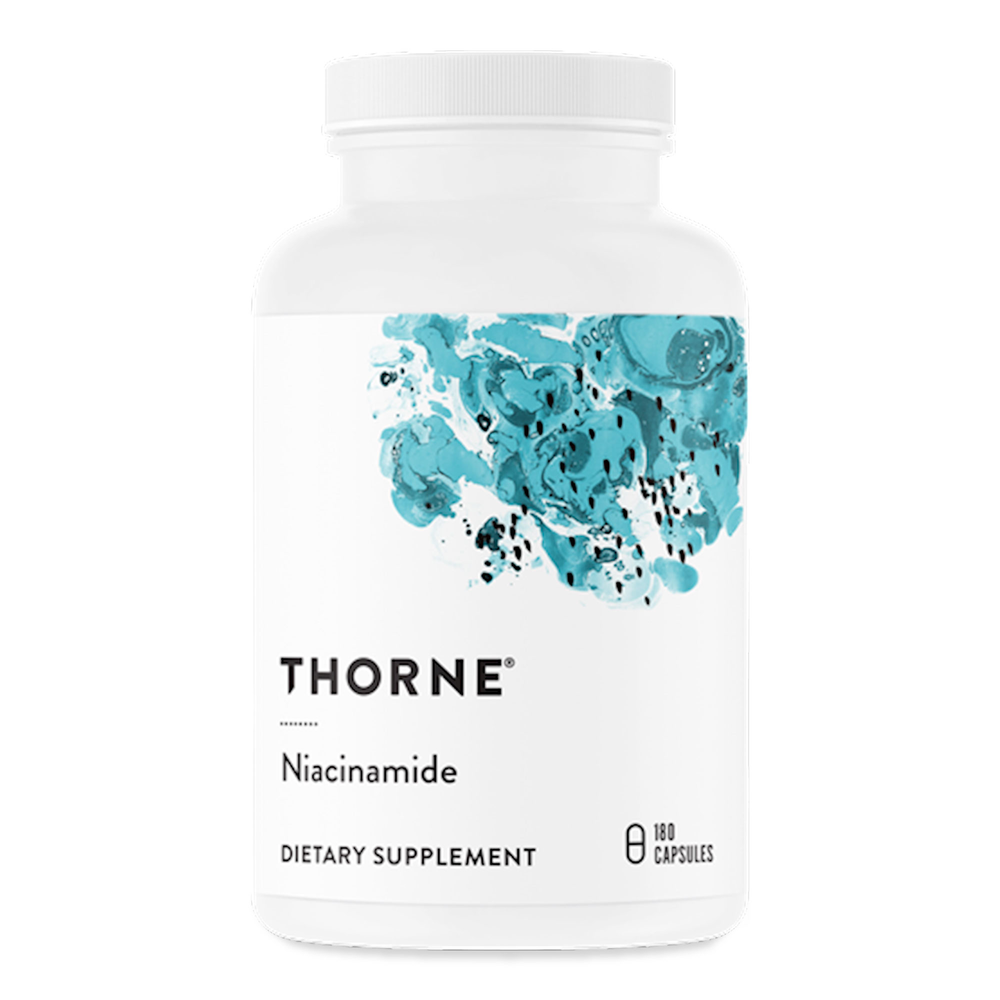
Niacinamide
Thorne
180 capsules
$26.00$23.40 with Subscribe & Save
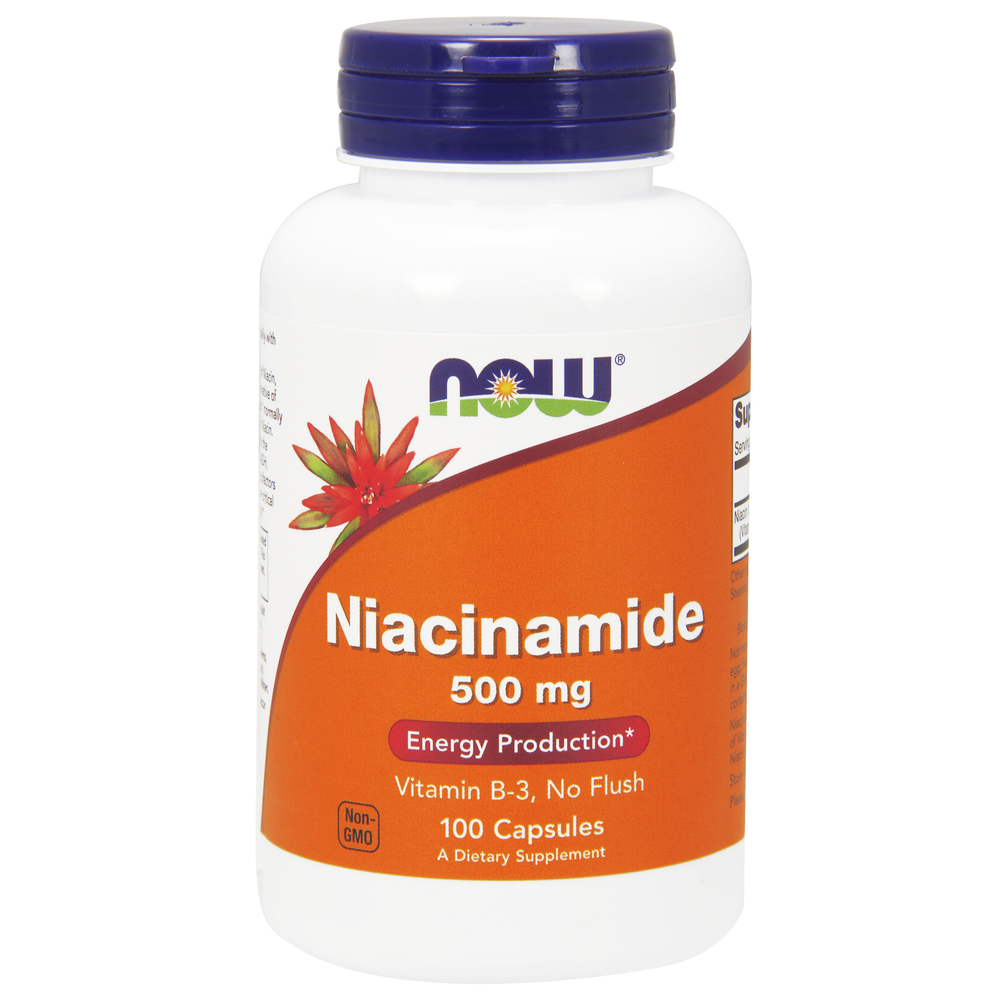
Niacinamide 500 mg
Now Foods
100 capsules
$12.99$9.99 with Subscribe & Save
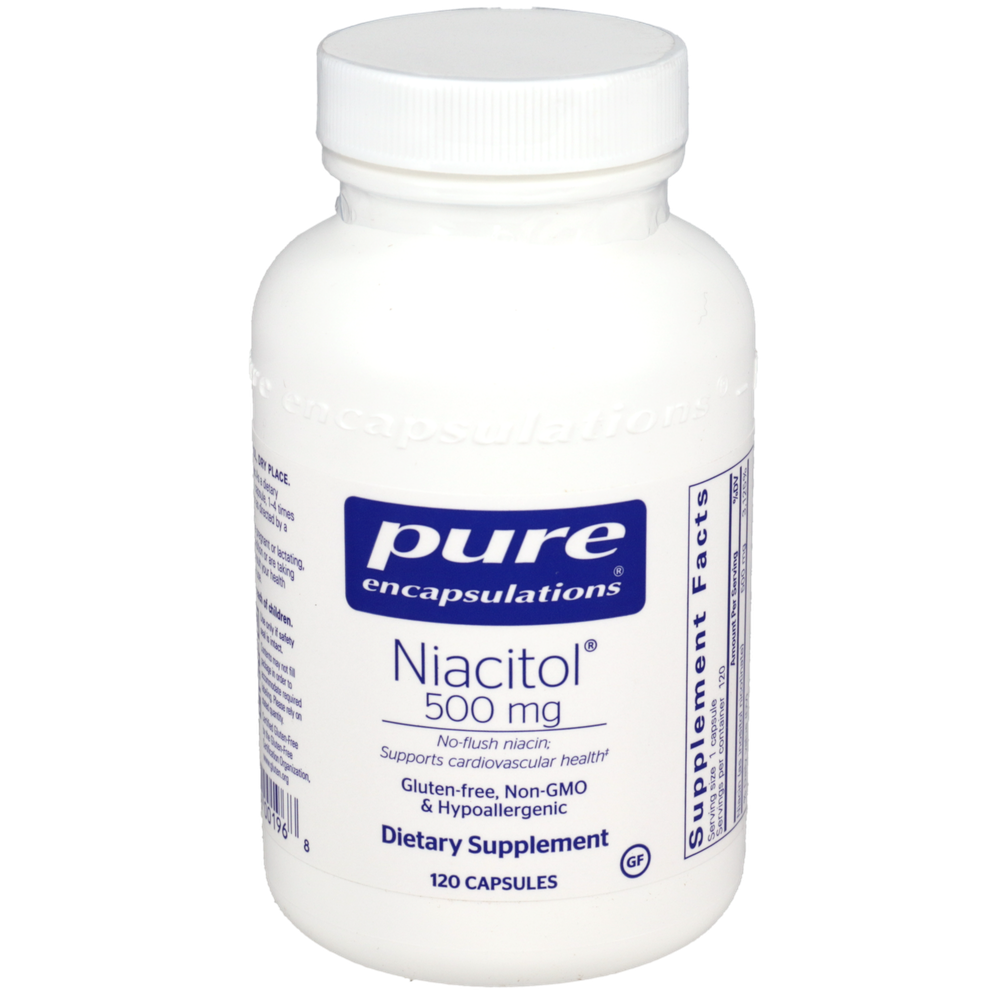
Niacitol 500mg
Pure Encapsulations
120 capsules
$58.00$45.99 with Subscribe & Save