 Instalab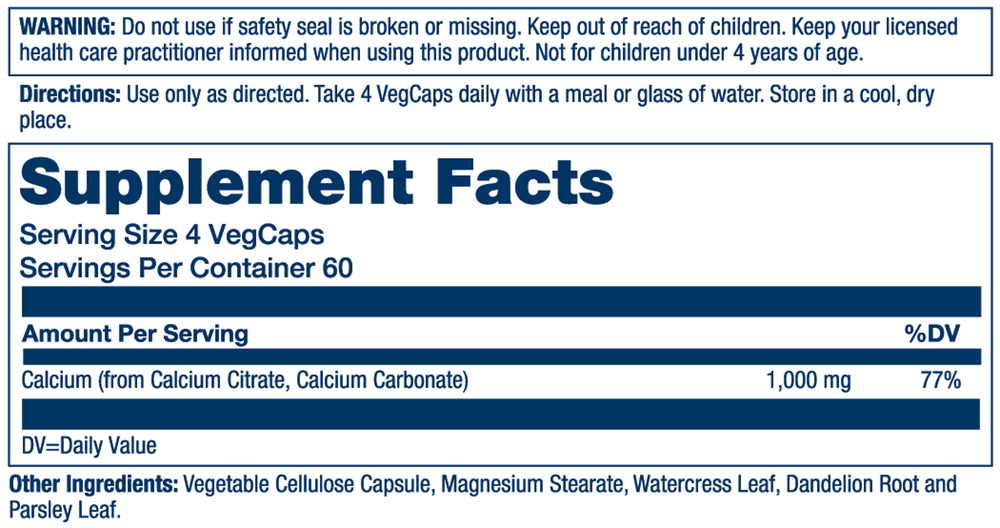

Solaray
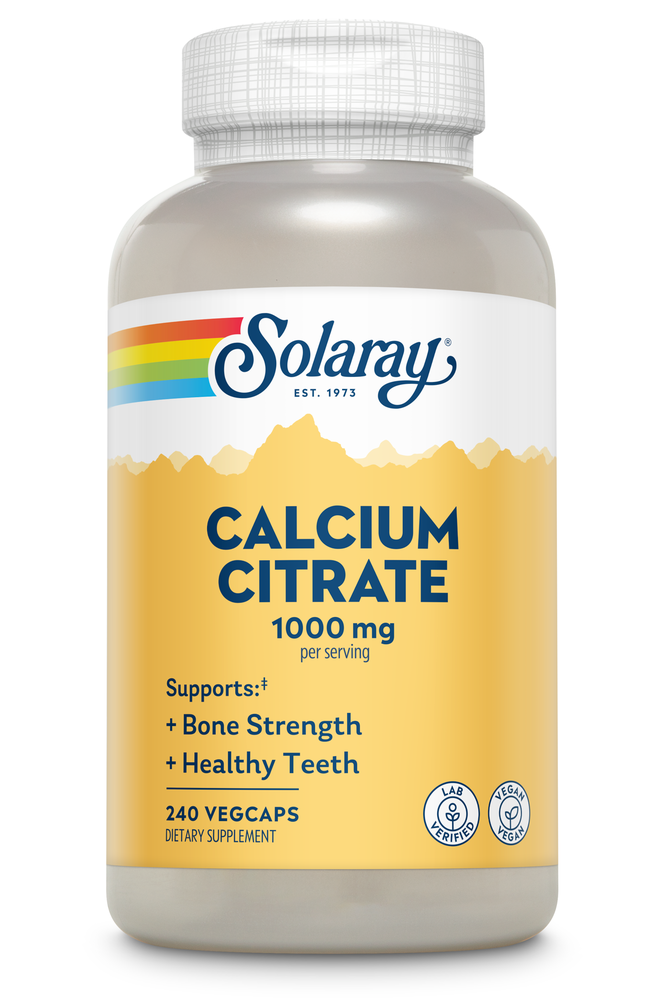
Calcium Citrate 1g 1000 mg by Solaray
240 capsules · 60-day supply
Supports Bone Health and Calcium Absorption$26.99
Purchase options
Practitioner-grade brand3rd-party testedFree shipping $50+
Vegan·Vegetarian·Gluten Free·Dairy Free·Egg Free·Fish Free·
Solaray Calcium Citrate 1g overview
If you get little dairy or fortified foods, are vegan, lactose intolerant, or post‑menopausal with low dietary calcium, calcium citrate 1000 mg is a practical way to close the gap. It’s also a better fit if you use acid‑reducing meds like PPIs or H2 blockers, since citrate absorbs well with low stomach acid. For bone goals, pair it with Vitamin D, 25-Hydroxy testing and aim to correct low vitamin D first, because poor vitamin D stalls calcium absorption.
Dietary calcium supplies the raw material your skeleton uses to maintain bone. Calcium citrate is absorbed more consistently than calcium carbonate when stomach acid is low, and it’s gentler on the gut for many people. Adequate calcium helps keep parathyroid hormone (the signal that tells your body to pull calcium from bone) in check. The blend here includes both citrate and carbonate; you get the absorption reliability of citrate with the compact dose of carbonate.
Manufacturer suggests four vegcaps daily with a meal or a glass of water. Calcium absorbs best in split doses, so take it in two divided servings rather than all at once. If your diet already supplies substantial calcium, use a smaller split. Take with meals if you’re prone to kidney stones, since calcium binding food oxalate at mealtime reduces absorption of oxalate. Recheck Vitamin D, 25-Hydroxy within 8–12 weeks if you adjusted vitamin D.
Calcium binds many medications in the gut. Separate by at least 4 hours from levothyroxine (thyroid hormone), tetracycline or quinolone antibiotics, and bisphosphonates for osteoporosis. Space it 2 hours from iron or zinc to avoid blocking their absorption; monitor Ferritin if you’re repleting iron. If you take a multivitamin, move calcium to another time so minerals aren’t competing in the same dose.
Avoid supplemental calcium if you’ve had high blood calcium, primary hyperparathyroidism, sarcoidosis, or recurrent calcium phosphate stones unless a clinician directs you. If you’re a younger man with adequate dietary calcium, routine high‑dose calcium is unlikely to add benefit and can cause constipation. If your DEXA scan (a bone density test) is low, calcium is necessary but not sufficient—ensure vitamin D repletion and discuss exercise and medications that actually raise bone density.
Frequently asked questions
Is calcium citrate better than calcium carbonate?
Calcium citrate absorbs more reliably when stomach acid is low and is gentler for many people. Carbonate is more compact per pill but needs acid and food. This product blends both, which balances absorption and capsule count.
Should I take calcium citrate with or without food?
You can take calcium citrate with or without food, but with meals is preferred if you form kidney stones because it binds food oxalate. Splitting the dose with breakfast and dinner improves absorption and tolerability.
How much calcium can I absorb at once?
Your gut handles moderate calcium doses better when split. Most people do best dividing the daily amount into two servings several hours apart rather than a single large dose.
Do I need vitamin D with calcium?
Yes, adequate vitamin D is key for absorption. If your Vitamin D, 25-Hydroxy is low, correct it first or alongside calcium. Many adults need separate vitamin D to bring levels up, then a maintenance dose.
Does calcium citrate cause constipation or gas?
Constipation can happen with any calcium, but citrate tends to be easier on the gut than carbonate. Splitting doses, taking with meals, staying hydrated, and adding magnesium or fiber can help.
Can calcium supplements increase kidney stone risk?
Taken with meals, calcium can lower oxalate absorption and may reduce calcium oxalate stone risk. Large between‑meal doses are less favorable. If you’ve had stones, review timing and 24‑hour urine results with your clinician.
How long until calcium helps my bones?
Calcium works as daily maintenance, not a quick fix. You won’t feel an effect. Bone density changes show up on DEXA scans over 1–2 years, and results depend on vitamin D status, exercise, and any bone medications.
What drugs should not be taken with calcium?
Separate calcium from levothyroxine, tetracycline and quinolone antibiotics, and bisphosphonates by several hours. Also space from iron and zinc. If in doubt, ask your pharmacist to review your schedule.
How to take it & ingredients
Suggested use: Use only as directed. Take four vegcaps daily with a meal or glass of water.
Active ingredients
4 capsules per serving · 60 servings
Calcium
Calcium Citrate / Calcium Carbonate
Calcium Citrate / Calcium Carbonate
1000 mg
Other ingredients: Vegetable cellulose capsule, Magnesium stearate, Watercress leaf, Dandelion root, Parsley leaf
Certifications
Benefits
Warnings