 Instalab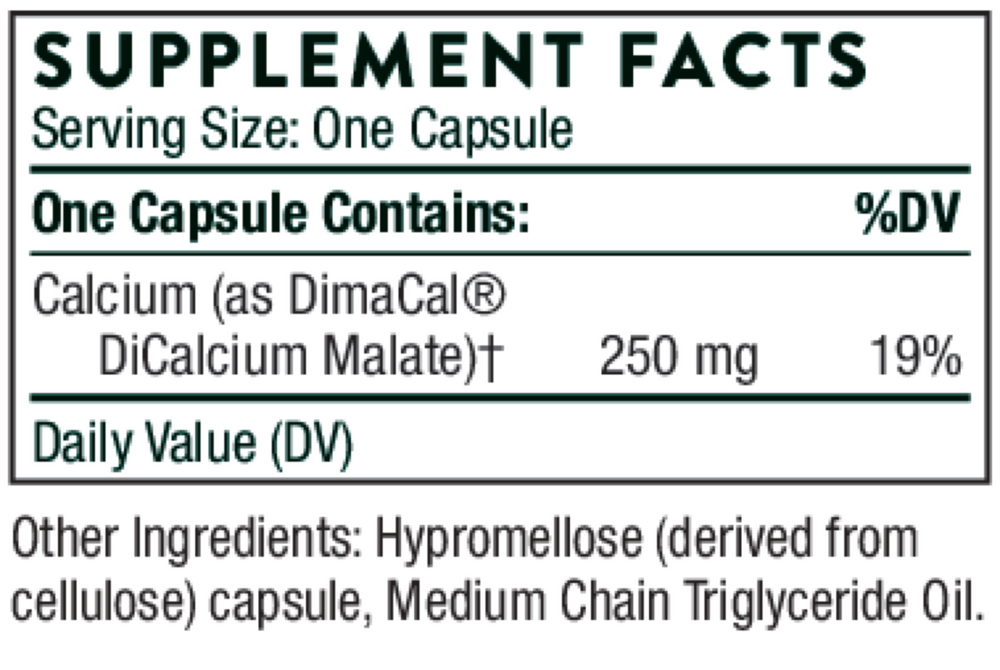


Thorne
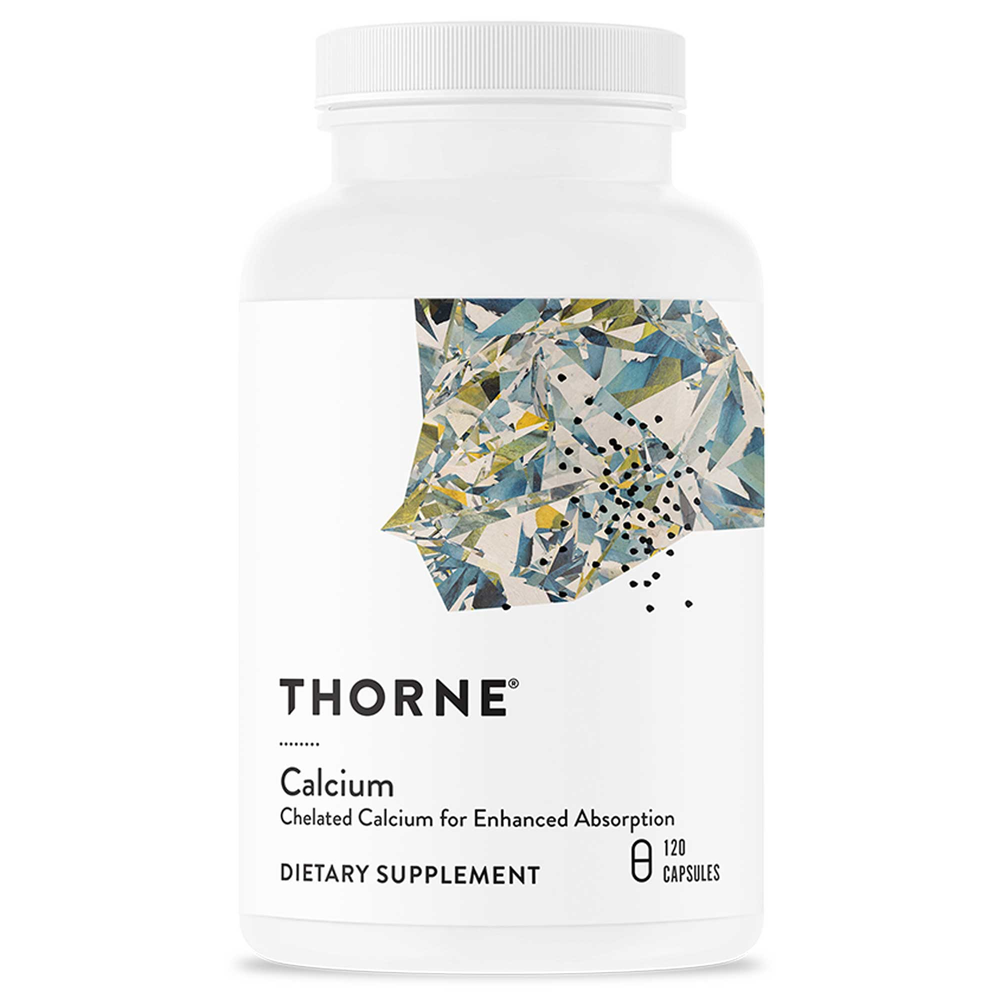
Calcium 250 mg by Thorne
120 capsules · 120-day supply
Supports Bone Health and Strength with Bioavailable Calcium$28.00
Purchase options
Practitioner-grade brand3rd-party testedFree shipping $50+
Gluten Free·Soy Free·Dairy Free·Milk Free
Thorne Calcium overview
If you’re searching for the best calcium supplement for absorption because your diet falls short on dairy, fortified plant milks, or calcium-rich greens, this fits. It’s also useful if your DEXA scan shows low bone density, your Vitamin D, 25-Hydroxy is low-normal, or PTH (parathyroid hormone, the signal that pulls calcium from bone) is edging up. Adults on acid-suppressing meds often absorb carbonate poorly; calcium malate sidesteps that.
This formula uses dicalcium malate, calcium bound to malic acid (an organic acid that keeps minerals soluble), so it dissolves well and is gentler on the gut than chalky carbonate. Once absorbed, calcium supplies the raw material for bone remodeling, the ongoing breakdown and rebuilding that keeps bones strong. In practice, calcium moves the needle most in people with low intake, and it works best alongside adequate Vitamin D, resistance training, and sufficient protein.
The suggested use is one capsule twice daily, giving 500 mg total. Calcium absorbs better in split doses, so this layout helps. Because it’s malate, you can take it with or without food, but take it at least 2–4 hours away from iron, levothyroxine, and certain antibiotics. Most adults do best getting the bulk of calcium from food, then using supplements to fill the gap.
Calcium binds common meds and nutrients in the gut. Separate it from levothyroxine, tetracyclines and fluoroquinolones (antibiotics), iron, and bisphosphonates by several hours. Thiazide diuretics can raise blood calcium, so monitor Serum Calcium and PTH with your clinician. If you’re also repleting vitamin D, recheck Vitamin D, 25-Hydroxy within 8–12 weeks to keep levels in range.
Skip extra calcium if you have a history of high Serum Calcium, recurrent calcium-containing kidney stones, sarcoidosis, or uncontrolled overactive parathyroid. Stone-formers who do supplement should take calcium with meals and review a 24-hour urine test with their clinician. Severe kidney disease needs individualized dosing. Pregnancy and breastfeeding need adequate calcium, but coordinate total intake with your obstetric clinician.
Frequently asked questions
Is calcium malate better than calcium carbonate or citrate?
For many adults, calcium malate is easier on the stomach and doesn’t require stomach acid to absorb, unlike carbonate. Citrate and malate have similar absorption profiles; malate is comparably well tolerated with less gas and can be taken without food.
How much calcium should I take per day from supplements?
Use supplements to top up what you miss from food. Most adults only need 300–600 mg from supplements, split twice daily, when diet is decent. More isn’t better; combine with Vitamin D and resistance training, and retest Vitamin D, 25-Hydroxy within 8–12 weeks if you adjust doses.
Can I take calcium with vitamin D and vitamin K2?
Yes, calcium pairs well with vitamin D, which improves absorption. K2 is often bundled for bone health, though fracture data are mixed. If you add D, track Vitamin D, 25-Hydroxy and discuss K2 with your clinician if you’re on blood thinners.
What does calcium interact with?
Calcium reduces absorption of levothyroxine, iron, and certain antibiotics (tetracyclines, fluoroquinolones), and it can interfere with oral bisphosphonates. Separate by 2–4 hours. Thiazide diuretics can raise blood calcium, so labs may need monitoring.
Does calcium cause constipation or kidney stones?
Constipation is more common with carbonate; malate is typically gentler. For stone-formers, calcium with meals is safer than between meals. If you’ve had stones, review a 24-hour urine and ask about timing and total intake before supplementing.
How long until calcium helps my bones?
Bone changes are slow. If diet was low, supplementation supports bone remodeling over months to years. You won’t feel an immediate effect; you track progress with DEXA scans and labs like Vitamin D, 25-Hydroxy and PTH at follow-up visits.
Can I take calcium at night?
Timing is flexible. What matters is splitting the dose and keeping it away from iron, thyroid medication, and certain antibiotics. Choose times you can repeat daily so you’re consistent.
How to take it & ingredients
Suggested use: Take 1 capsule two times daily or as recommended by your health professional.
Active ingredients
1 capsule per serving · 120 servings
Calcium
DimaCal® DiCalcium Malate
DimaCal® DiCalcium Malate
250 mg
Other ingredients: Hypromellose Capsule, Medium Chain Triglycerides
Certifications
Benefits
Warnings
Customers also considered
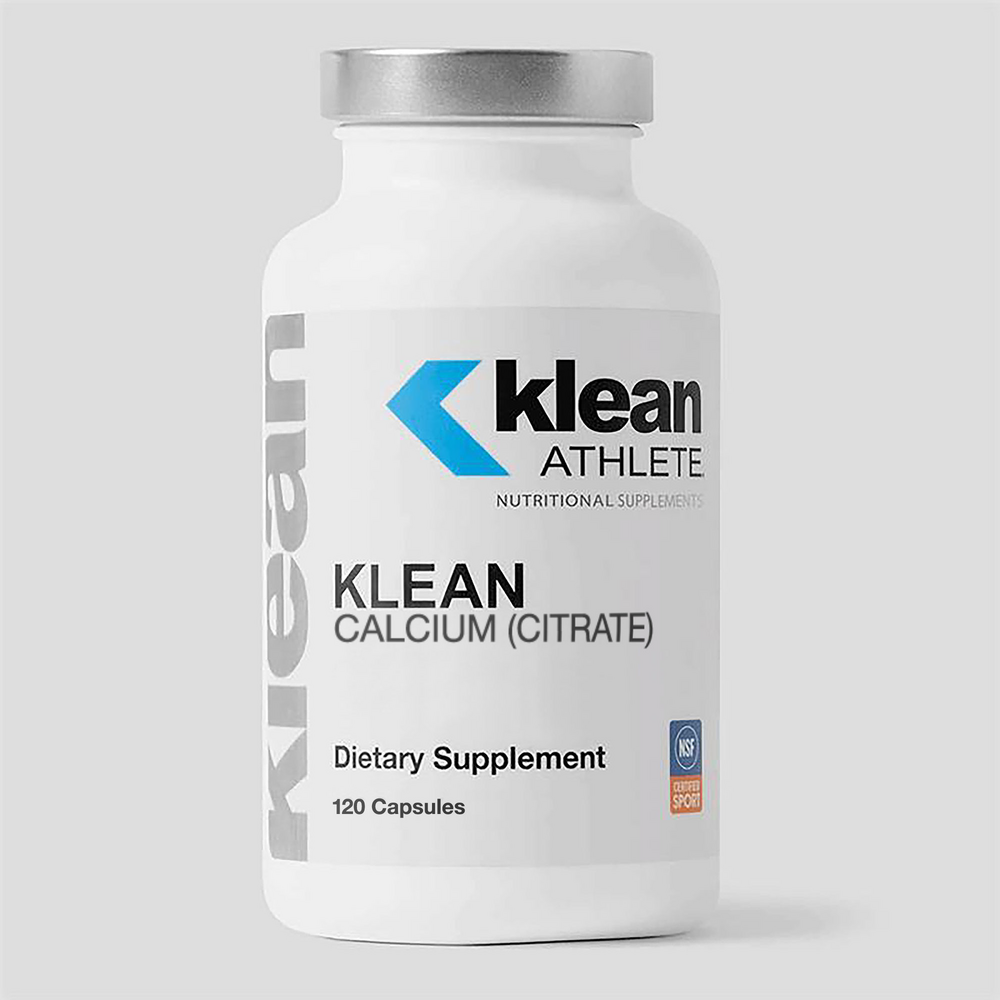
Calcium Citrate
Klean Athlete
120 capsules
$22.50$17.99 with Subscribe & Save
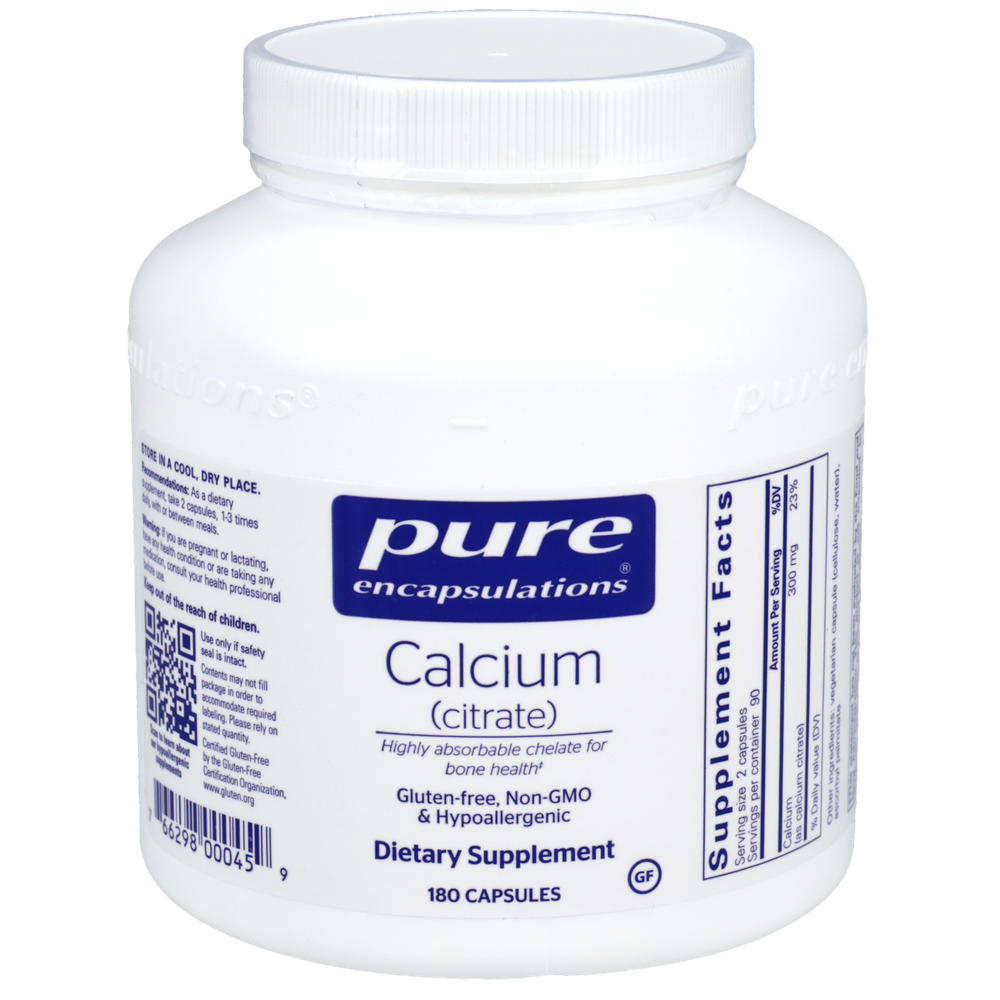
Calcium Citrate
Pure Encapsulations
180 capsules
$32.50$25.99 with Subscribe & Save
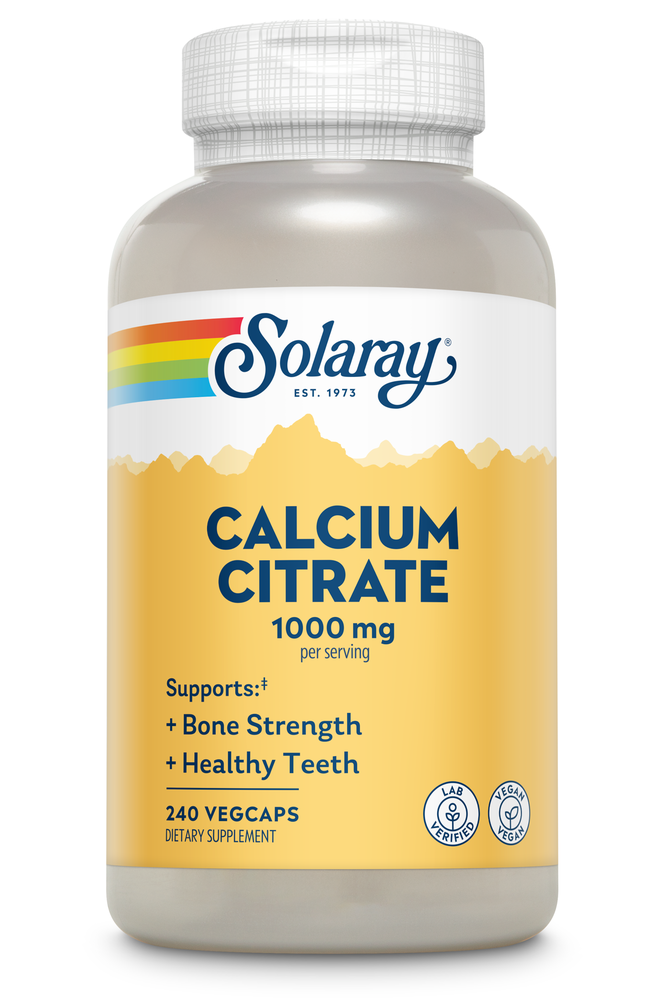
Calcium Citrate 1g
Solaray
240 capsules
$26.99$21.99 with Subscribe & Save
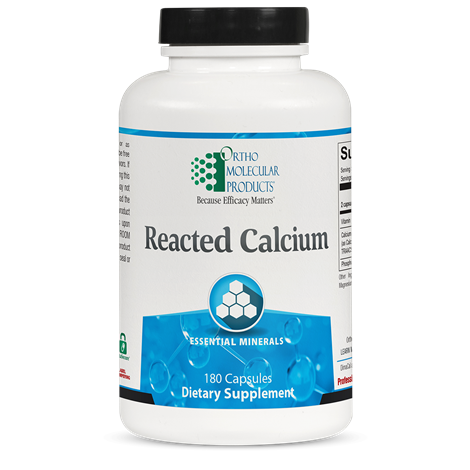
Reacted Calcium
Ortho Molecular Products
180 capsules
$63.88$57.55 with Subscribe & Save