 Instalab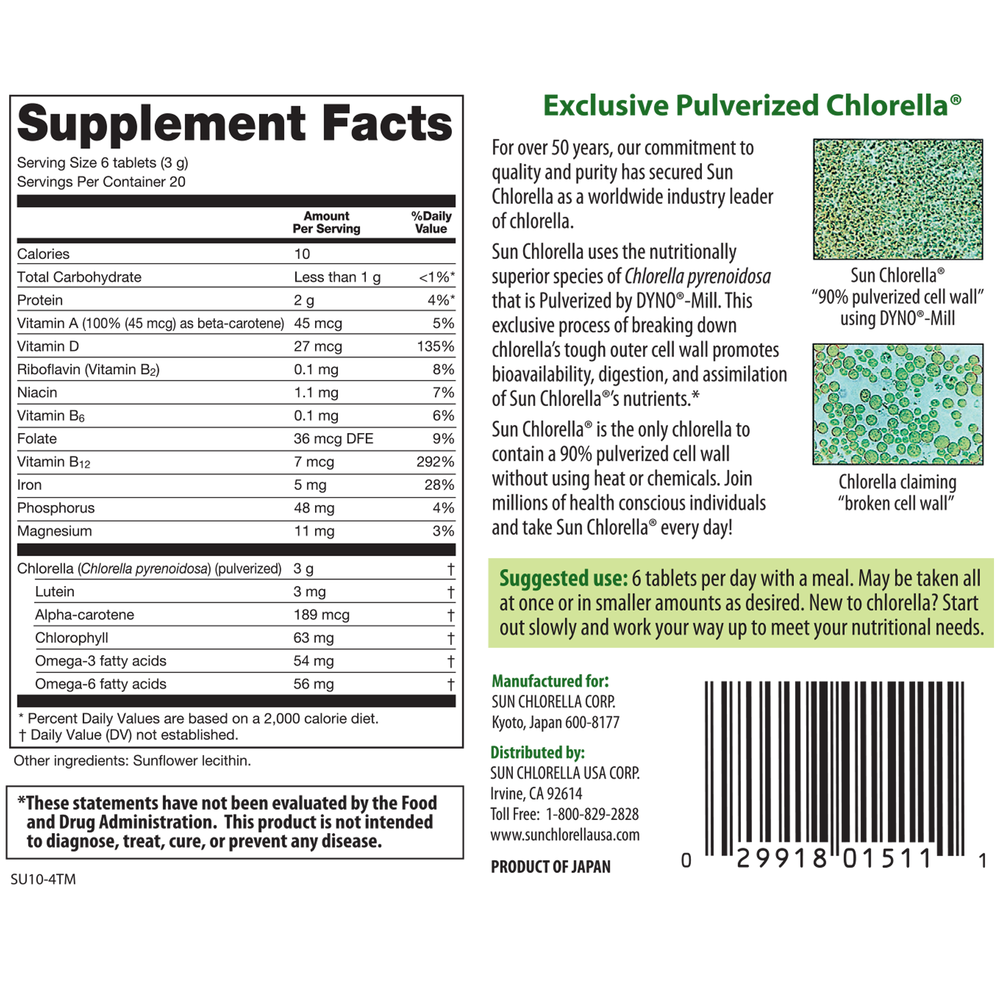

Sun Chlorella
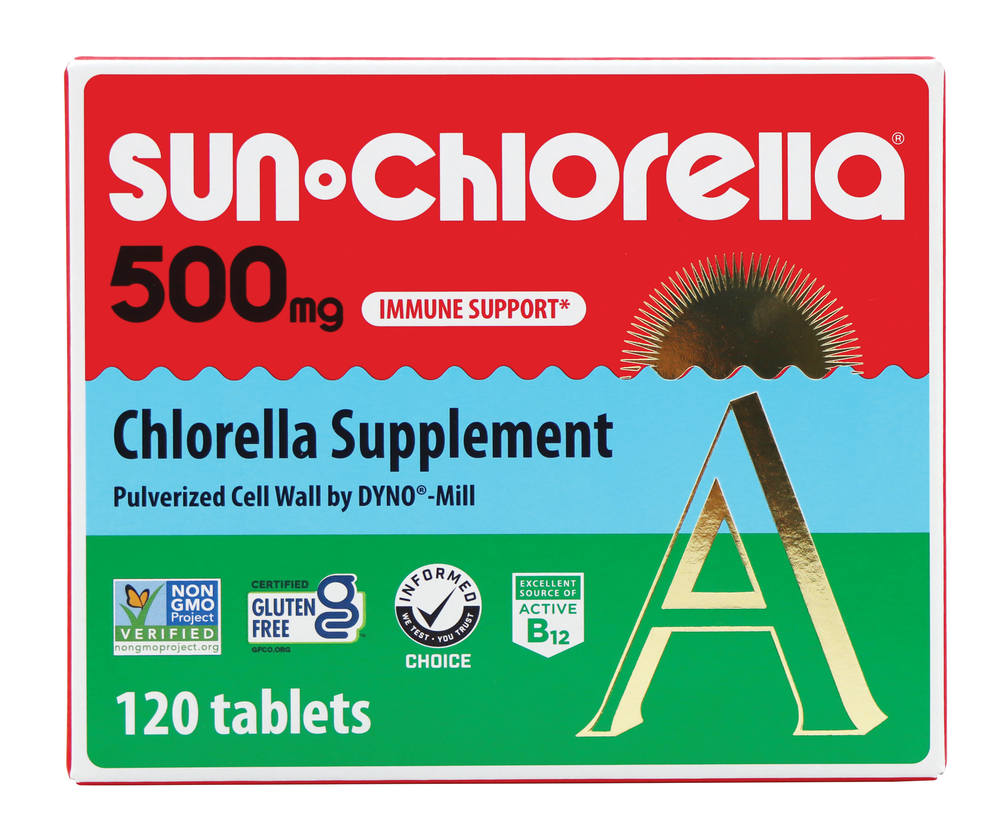
Sun Chlorella 500mg by Sun Chlorella
120 tablets · 20-day supply
Nutrient-Dense Superfood for Energy, Immunity, and Overall Wellness$52.99
Purchase options
Practitioner-grade brand3rd-party testedFree shipping $50+
Gluten Free
Sun Chlorella Sun Chlorella 500mg overview
Plant-based eaters who want a whole‑food source of B12 and iron are the clearest fit for chlorella benefits. The 3,000 mg daily serving here delivers 7 mcg of Vitamin B12 and 5 mg of iron, useful for maintenance if your Vitamin B12, Methylmalonic Acid (a functional B12 marker), Homocysteine, or Ferritin (iron stores) are borderline. Small trials also show modest improvements in fasting glucose and LDL cholesterol in some users within 8–12 weeks, so it’s reasonable if your labs are drifting in the wrong direction and you want a food-first nudge.
Chlorella has a tough cell wall that humans can’t break down well, so this formula uses pulverized (broken) cell walls to improve absorption. That concentrates chlorophyll (the green pigment that carries antioxidants), carotenoids like lutein (eye-friendly antioxidants), and B vitamins. Its fibers can bind some bile acids (the way your body moves cholesterol), which helps explain the small lipid changes seen in studies. The proteins and polysaccharides feed gut bacteria, which is why some people notice digestion changes early on.
Take six tablets with a meal; split dosing (for example, three with lunch and three with dinner) is gentler on the gut. New to algae? Start with two to three tablets daily for a week, then step up. Pair with vitamin C–rich foods to aid iron absorption. This is a maintenance intake: if you have established B12 deficiency or iron deficiency, use dedicated repletion doses under clinician guidance and recheck Vitamin B12, Methylmalonic Acid, Homocysteine, and Ferritin within 4–12 weeks.
If you take warfarin, avoid chlorella because its vitamin K content can counteract your dose. Separate from levothyroxine, antibiotics, and mineral supplements by at least 4 hours to avoid binding in the gut. People with gout or high uric acid should be cautious due to natural purines. If you’re on immune‑suppressing drugs after a transplant, skip algae-based immunostimulants unless your specialist approves.
Frequently asked questions
What are the real chlorella benefits?
Best-supported benefits are nutrition-focused: a whole-food source of B12, iron, and carotenoids, with modest improvements in fasting glucose and LDL cholesterol reported in some trials within 8–12 weeks. It’s not a stand-alone treatment for deficiency or high cholesterol.
Does chlorella help with detox or heavy metals?
Human evidence for “detox” claims is limited. Chlorella’s fibers can bind some compounds in the gut, but reliable, clinically meaningful heavy-metal removal in people hasn’t been proven. Don’t use it as a chelation substitute.
How long does chlorella take to work?
For nutrition markers (Vitamin B12, Methylmalonic Acid, Homocysteine, Ferritin), recheck in 4–12 weeks. Metabolic changes like fasting glucose or LDL usually need 8–12 weeks. Digestive changes, like more gas, can show up in the first few days and usually settle.
Is chlorella good enough for vegans to replace a B12 supplement?
It can help with maintenance, but it’s not reliable for repleting a true deficiency. If your Vitamin B12 is low or Methylmalonic Acid is high, use a dedicated B12 (cyanocobalamin or methylcobalamin) and confirm correction on labs before relying on chlorella.
Can I take chlorella with iron or B12 supplements?
Yes. If you’re correcting deficiency, chlorella can be a food-based add-on while you use therapeutic doses of iron or B12. Take iron with vitamin C–containing food and recheck Ferritin and Hemoglobin per your clinician.
Does chlorella thin your blood?
No. If anything, chlorella’s vitamin K can oppose warfarin. That interaction matters for people on warfarin, who should avoid chlorella unless their prescriber adjusts dosing and monitors INR closely.
What side effects should I expect from chlorella?
The most common are digestive: gas, green stools, or mild cramping, especially if you start at a full dose. Start low and increase over a week. Rarely, allergic reactions occur; stop and seek care if you develop hives or breathing trouble.
Is chlorella safe in pregnancy or breastfeeding?
Small studies suggest it’s generally well tolerated, but data are limited. If you’re pregnant or breastfeeding, discuss it with your obstetric clinician and rely on lab-guided targets for Ferritin and Vitamin B12 rather than guessing.
How to take it & ingredients
Suggested use: Take six tablets daily with a meal. May be taken all at once or divided.
Active ingredients
6 tablets per serving · 20 servings
▼
Chlorella
Chlorella pyrenoidosa, pulverized
Chlorella pyrenoidosa, pulverized
3000 mg
Omega 3 fatty acids
54 mg
Omega 6 fatty acids
56 mg
Chlorophyll
63 mg
Lutein
3 mg
Alpha carotene
189 mcg
Vitamin A
45 mcg
Vitamin D3
27 mcg
Riboflavin
0.1 mg
Niacin
1.1 mg
Vitamin B6
0.1 mg
Folate
36 mcg
Vitamin B12
7 mcg
Iron
5 mg
Phosphorus
48 mg
Magnesium
11 mg
Other ingredients: Sunflower lecithin
Certifications
Benefits
Warnings
Customers also considered
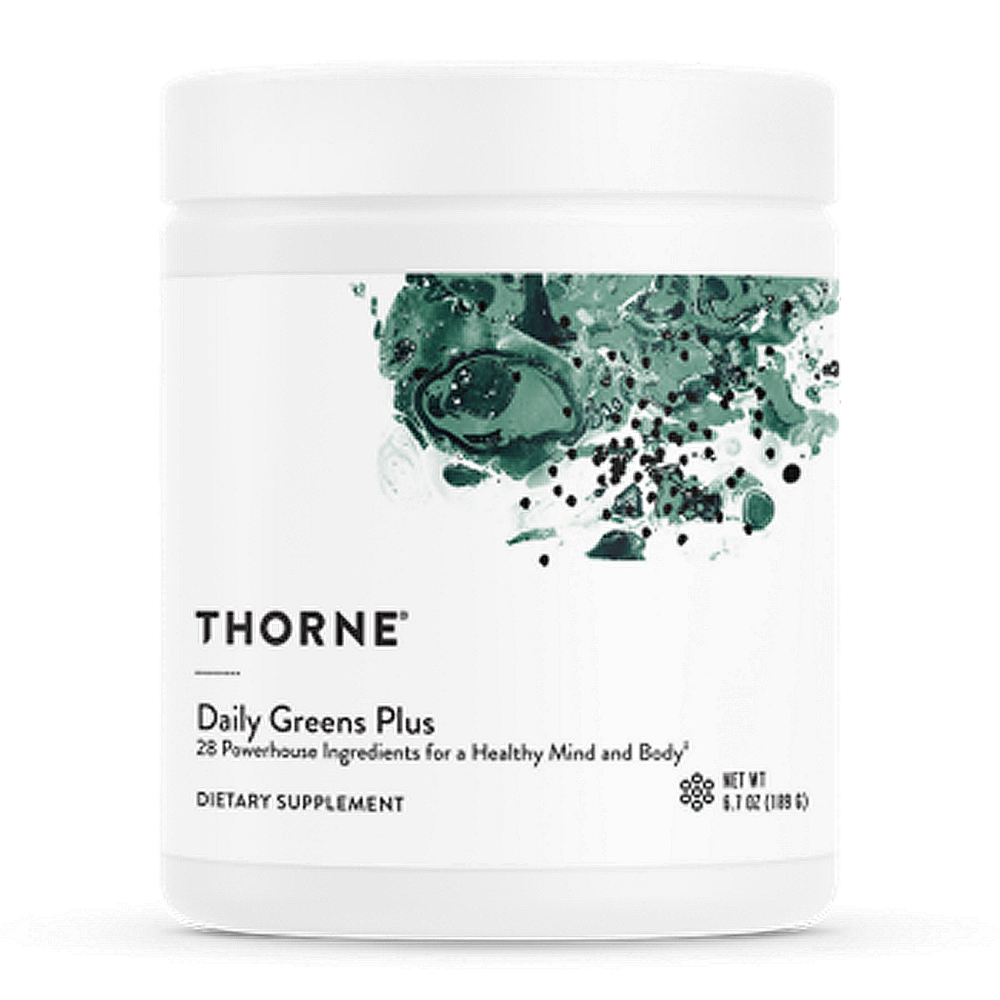
Daily Greens Plus
Thorne
204 grams
$72.00$64.80 with Subscribe & Save
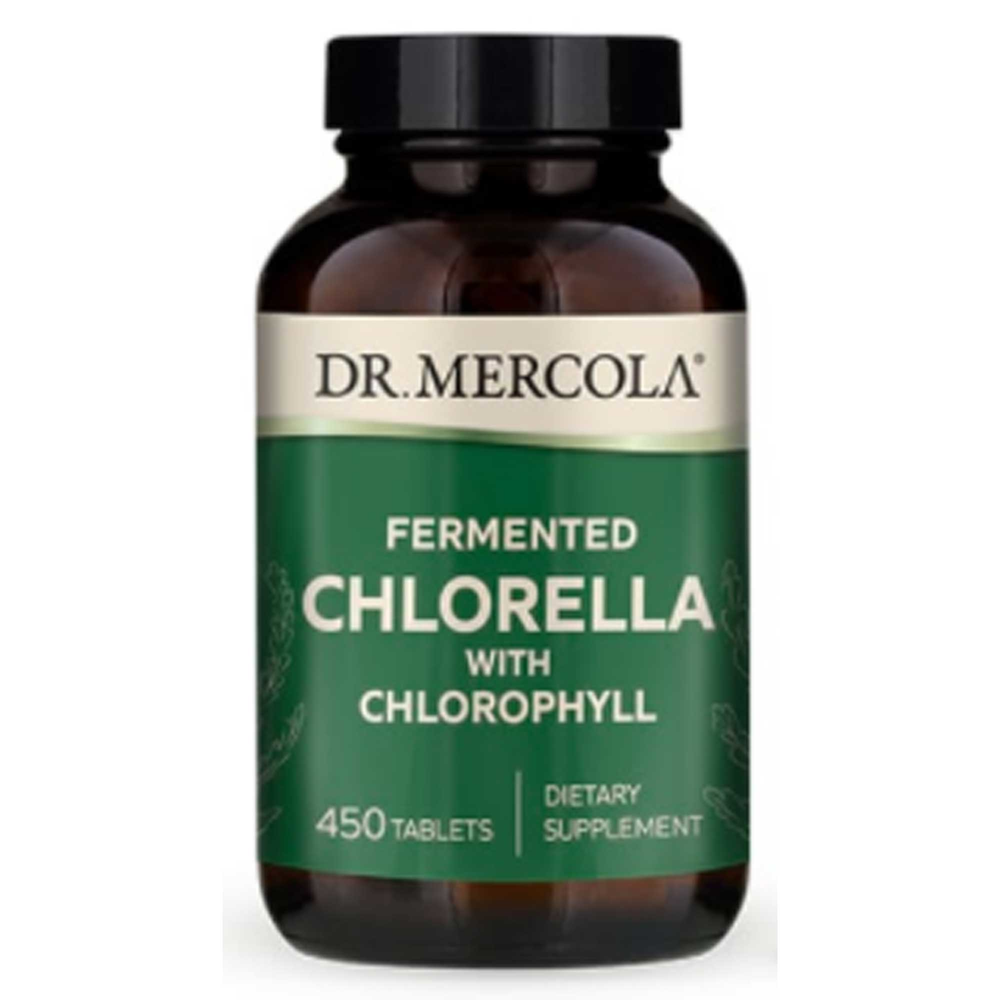
Fermented Chlorella with Chlorophyll
Dr. Mercola
450 tablets
$22.99$17.99 with Subscribe & Save
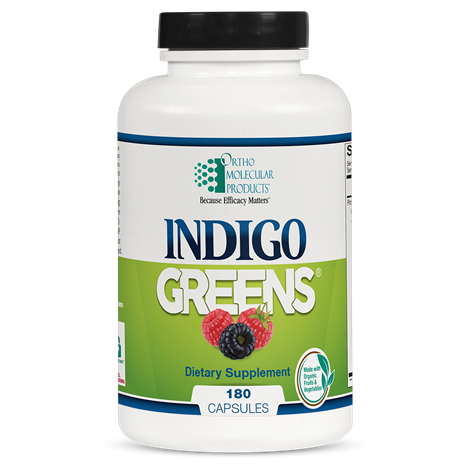
Indigo Greens Capsules
Ortho Molecular Products
180 capsules
$94.85$85.45 with Subscribe & Save
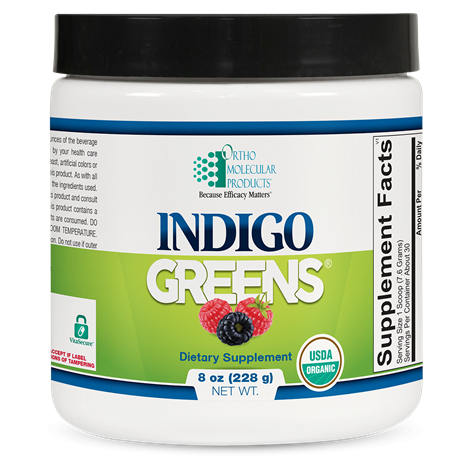
Indigo Greens Powder
Ortho Molecular Products
228 grams
$83.42$75.15 with Subscribe & Save