 Instalab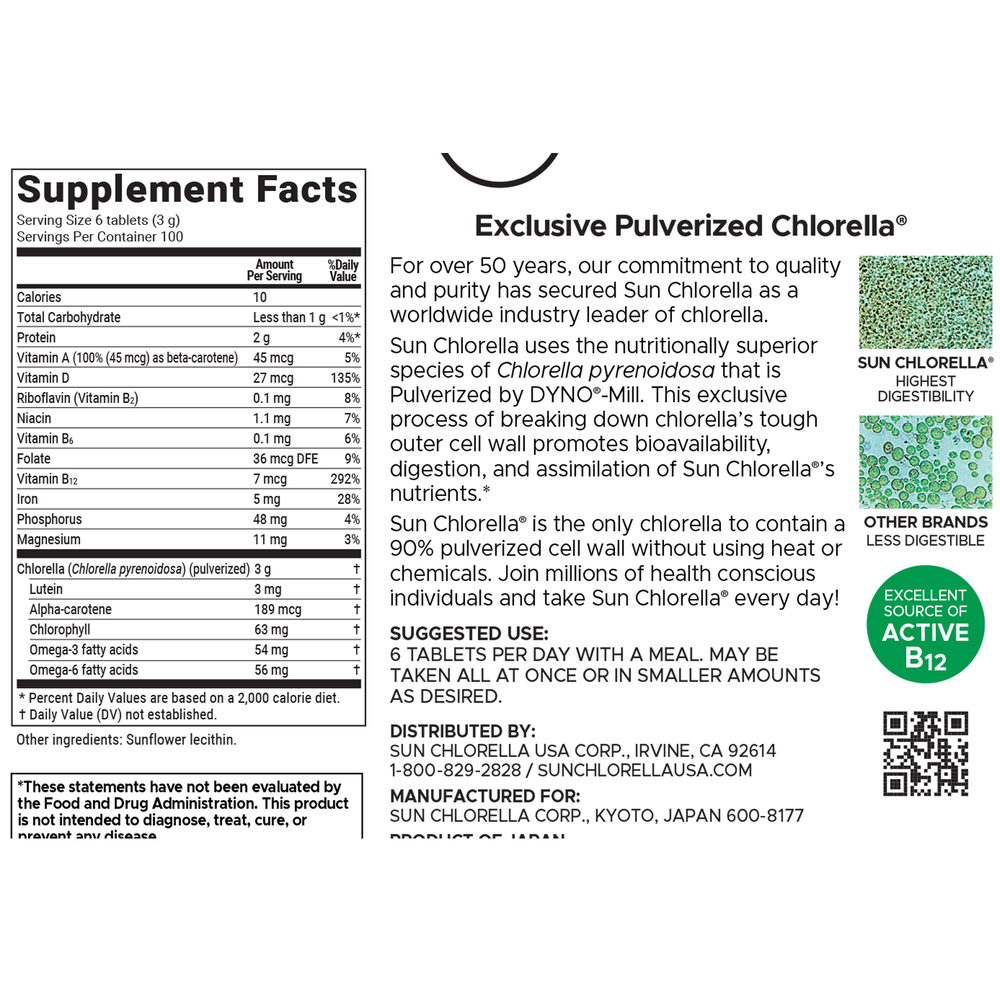

Sun Chlorella
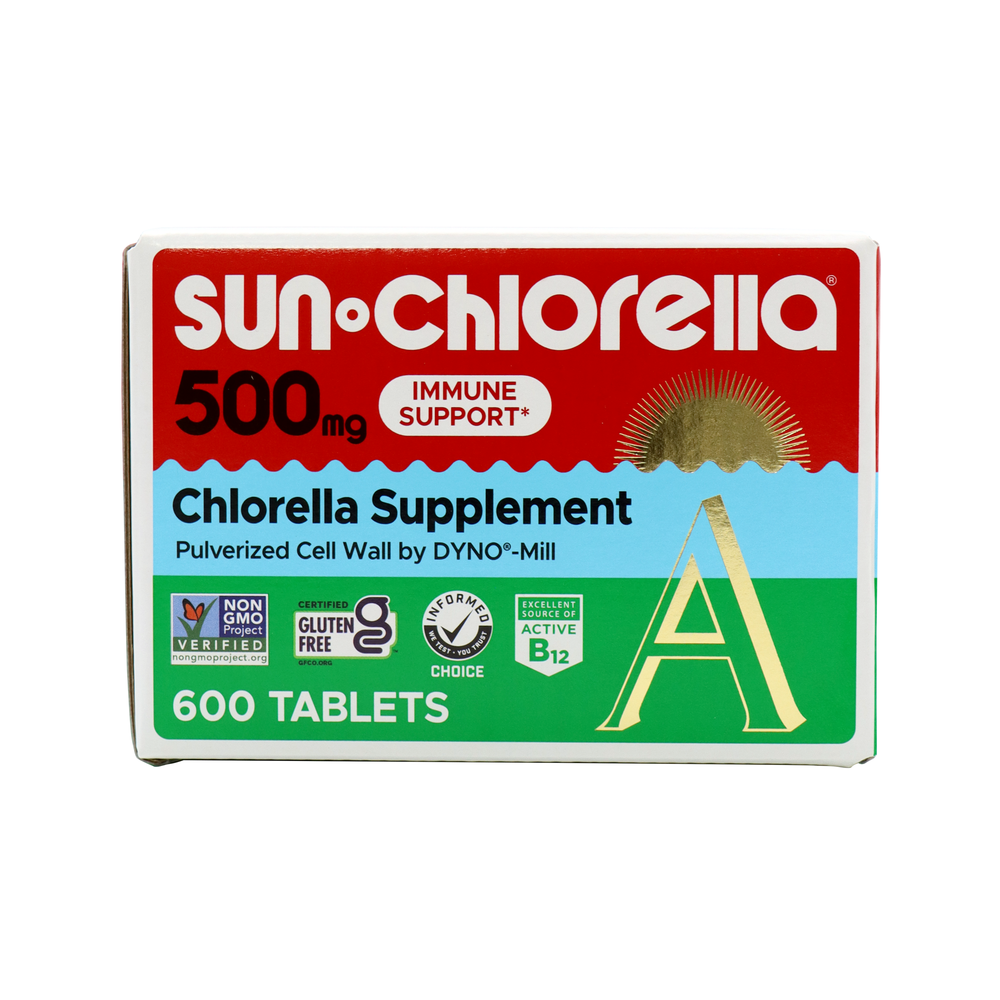
Sun Chlorella 500mg by Sun Chlorella
600 tablets · 100-day supply
Nutrient-Dense SuperGreens for Vitality and Wellness$224.99
Purchase options
Practitioner-grade brand3rd-party testedFree shipping $50+
Gluten Free
Sun Chlorella Sun Chlorella 500mg overview
Plant‑based eaters often ask about chlorella benefits because they want a whole‑food source of B12 without fish or meat. This 3,000 mg daily dose works as a nutrient-dense add‑on if your Vitamin B12 is low‑normal and you want a gentle bump while you continue to monitor Vitamin B12, methylmalonic acid (a functional B12 marker), and homocysteine. It also suits people aiming to raise carotenoid intake and iron from food. If you have established B12 deficiency or iron‑deficiency anemia, use targeted supplements first, then consider chlorella for maintenance.
Chlorella provides chlorophyll, carotenoids like lutein and beta‑carotene, B vitamins including B12, and minerals such as iron and magnesium. The cell wall here is mechanically pulverized to improve digestibility versus intact algae. In small trials, chlorella modestly raises Vitamin B12 in vegans and improves immune markers like salivary IgA (the first‑line antibody in saliva). Its fibers can bind some bile acids, which may nudge lipids and hs‑CRP (an inflammation marker) in responders, though effects are usually mild.
Take six tablets daily with a meal, all at once or divided. Food helps absorption of fat‑soluble carotenoids and reduces stomach upset. If you are new to chlorella, start with 2–3 tablets for a few days, then work up to the full amount to limit gas or bloating. Expect any Vitamin B12 or Ferritin changes within 4–8 weeks, and lipid or hs‑CRP shifts, if they occur, within 8–12 weeks. Keep testing to see if it is doing something measurable for you.
Skip chlorella if you take warfarin; algae can contain vitamin K, which interferes with dosing. Avoid if you have hemochromatosis or chronically high Ferritin, since it supplies iron. Those with gout or high uric acid should be cautious because algae are relatively high in purines (which can raise uric acid). Post‑transplant or on strong immunosuppressants, avoid immune‑active supplements unless your transplant team agrees.
Frequently asked questions
What is chlorella good for, realistically?
Mainly for whole‑food micronutrients: small amounts of B12, iron, magnesium, and carotenoids. Trials show modest effects on immune markers and lipids in some people. It’s not a replacement for treating true B12 or iron deficiency.
Is chlorella a reliable B12 source for vegans?
It can help maintain levels for some, but reliability varies. If your Vitamin B12 or methylmalonic acid shows deficiency, use a dedicated B12 supplement first, then consider chlorella for maintenance once levels normalize.
How long does chlorella take to work?
Nutrient changes like Vitamin B12 or Ferritin are typically seen within 4–8 weeks. Any effects on triglycerides, LDL, or hs‑CRP tend to show, if at all, by 8–12 weeks. Recheck labs to confirm benefit.
Does chlorella detox heavy metals?
Human evidence is limited. Chlorella’s fibers can bind some compounds in the gut, but robust clinical data for heavy‑metal detox in healthy adults are lacking. Don’t use it as a stand‑alone treatment for toxicity.
Can I take chlorella with warfarin or other blood thinners?
Avoid with warfarin. Chlorella can contain vitamin K, which opposes warfarin’s effect. If you use other anticoagulants, discuss with your clinician and keep your plan consistent before changing vitamin K intake.
What side effects should I expect with chlorella?
Gas, bloating, or a change in bowel habits are most common, especially at the start. Taking it with meals and titrating up helps. Rarely, people report allergic reactions; stop and seek care if you notice rash or trouble breathing.
Is chlorella the same as spirulina?
No. Chlorella is a freshwater green algae with more chlorophyll and naturally occurring B12; spirulina is a cyanobacteria with different protein and micronutrient profiles. They are not interchangeable in studies.
Can I use chlorella during pregnancy or breastfeeding?
Safety data are limited. Some studies exist, but supplement quality and vitamin K content vary. If pregnant or breastfeeding, use only under clinician guidance and keep your prenatal lab monitoring on schedule.
How to take it & ingredients
Suggested use: Take six tablets daily with a meal. May be taken all at once or divided.
Active ingredients
6 tablets per serving · 100 servings
▼
Chlorella
Chlorella pyrenoidosa, pulverized
Chlorella pyrenoidosa, pulverized
3000 mg
Omega 3 fatty acids
54 mg
Omega 6 fatty acids
56 mg
Chlorophyll
63 mg
Lutein
3 mg
Alpha carotene
189 mcg
Vitamin A
45 mcg
Vitamin D3
27 mcg
Riboflavin
0.1 mg
Niacin
1.1 mg
Vitamin B6
0.1 mg
Folate
36 mcg
Vitamin B12
7 mcg
Iron
5 mg
Phosphorus
48 mg
Magnesium
11 mg
Other ingredients: Sunflower lecithin
Certifications
Benefits
Warnings
Customers also considered
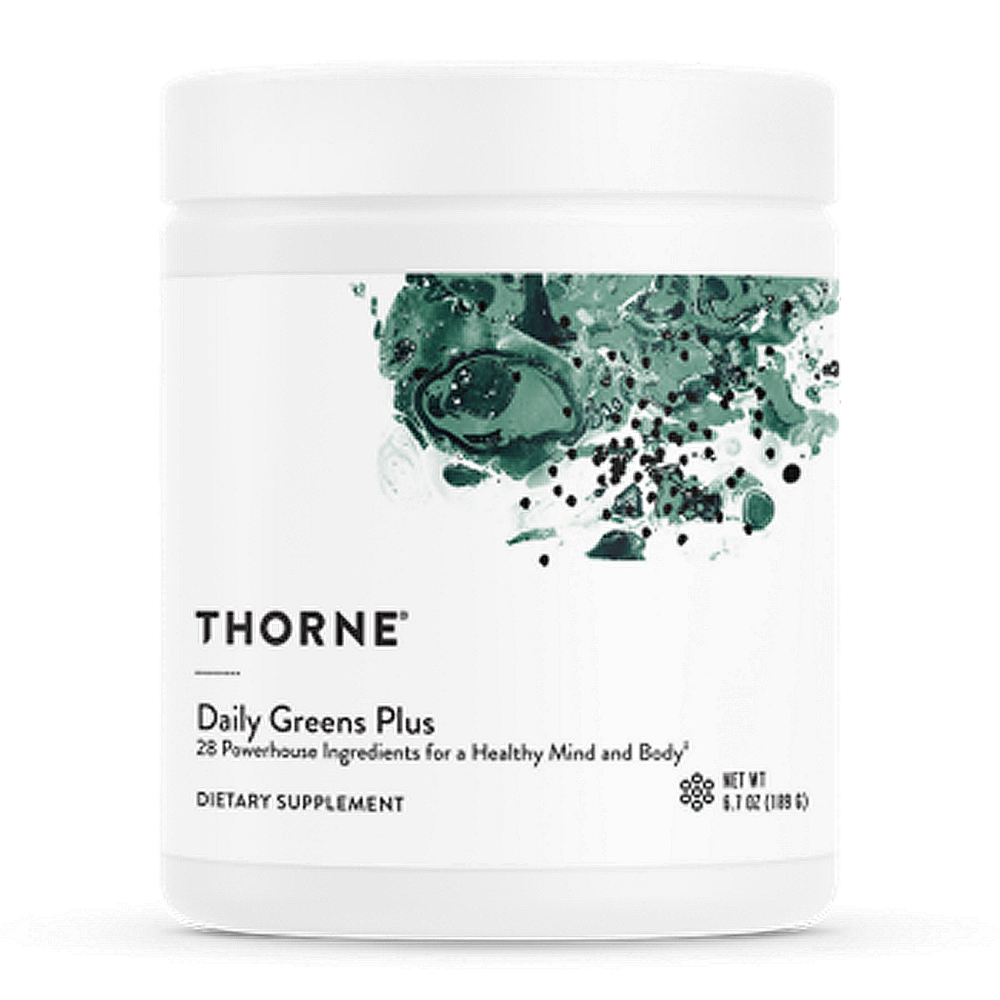
Daily Greens Plus
Thorne
204 grams
$72.00$64.80 with Subscribe & Save
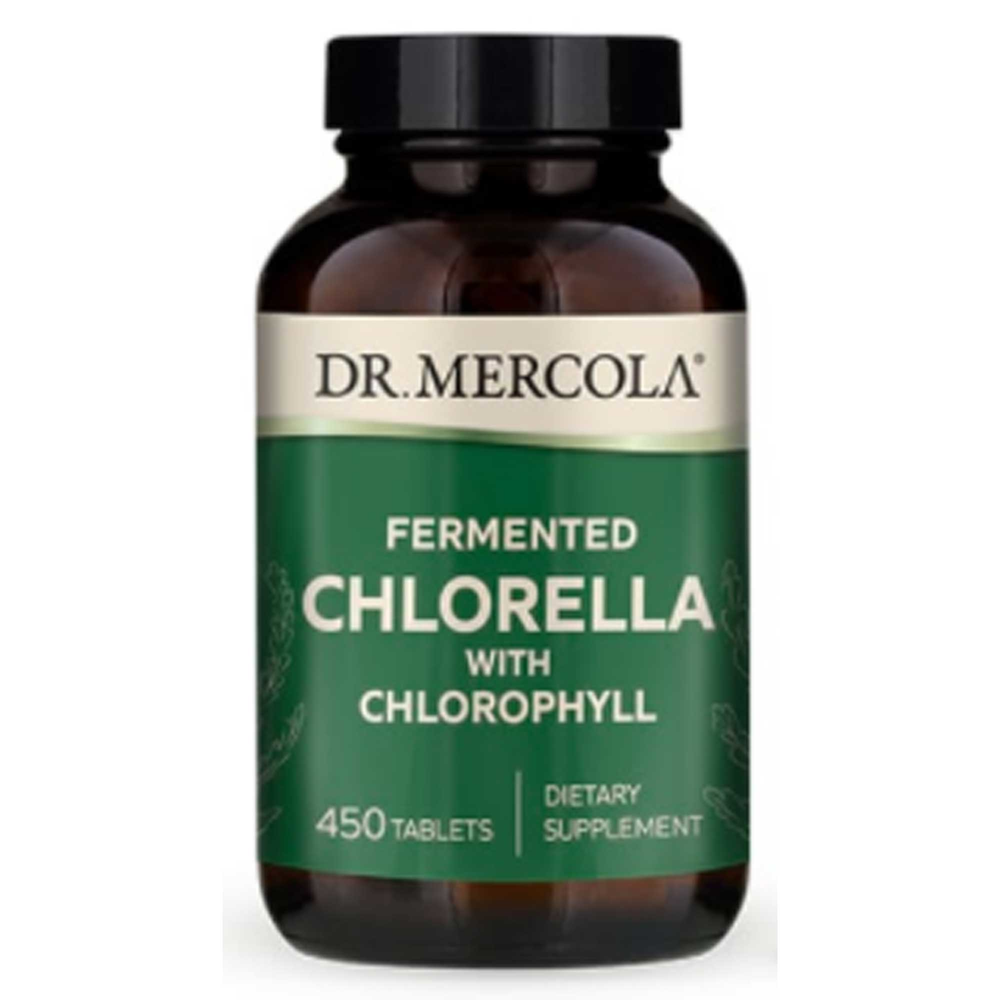
Fermented Chlorella with Chlorophyll
Dr. Mercola
450 tablets
$22.99$17.99 with Subscribe & Save
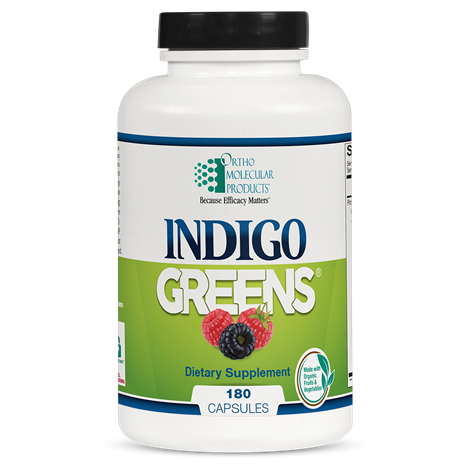
Indigo Greens Capsules
Ortho Molecular Products
180 capsules
$94.85$85.45 with Subscribe & Save
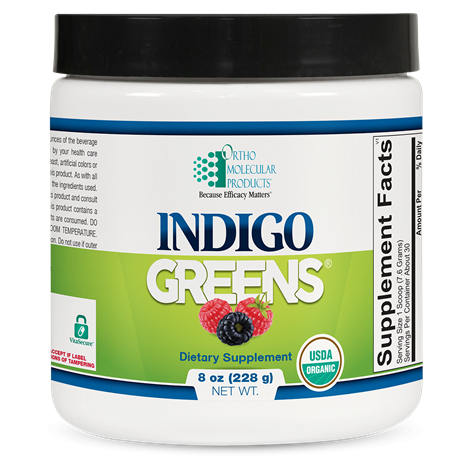
Indigo Greens Powder
Ortho Molecular Products
228 grams
$83.42$75.15 with Subscribe & Save