 Instalab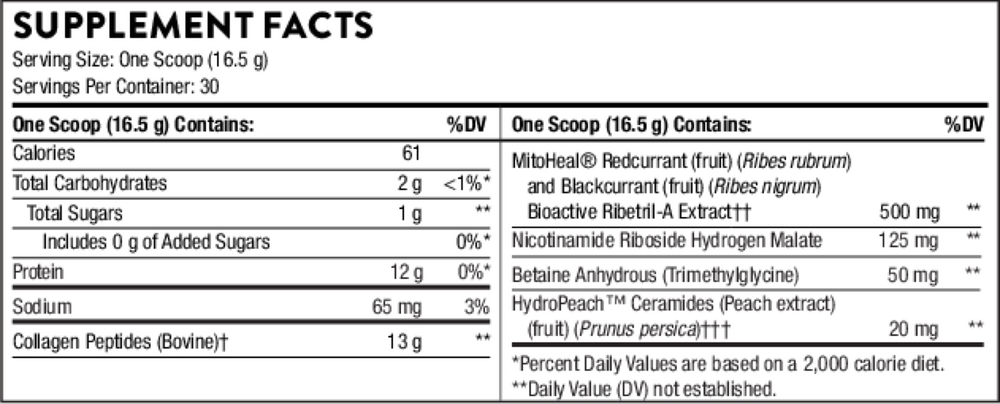


Thorne
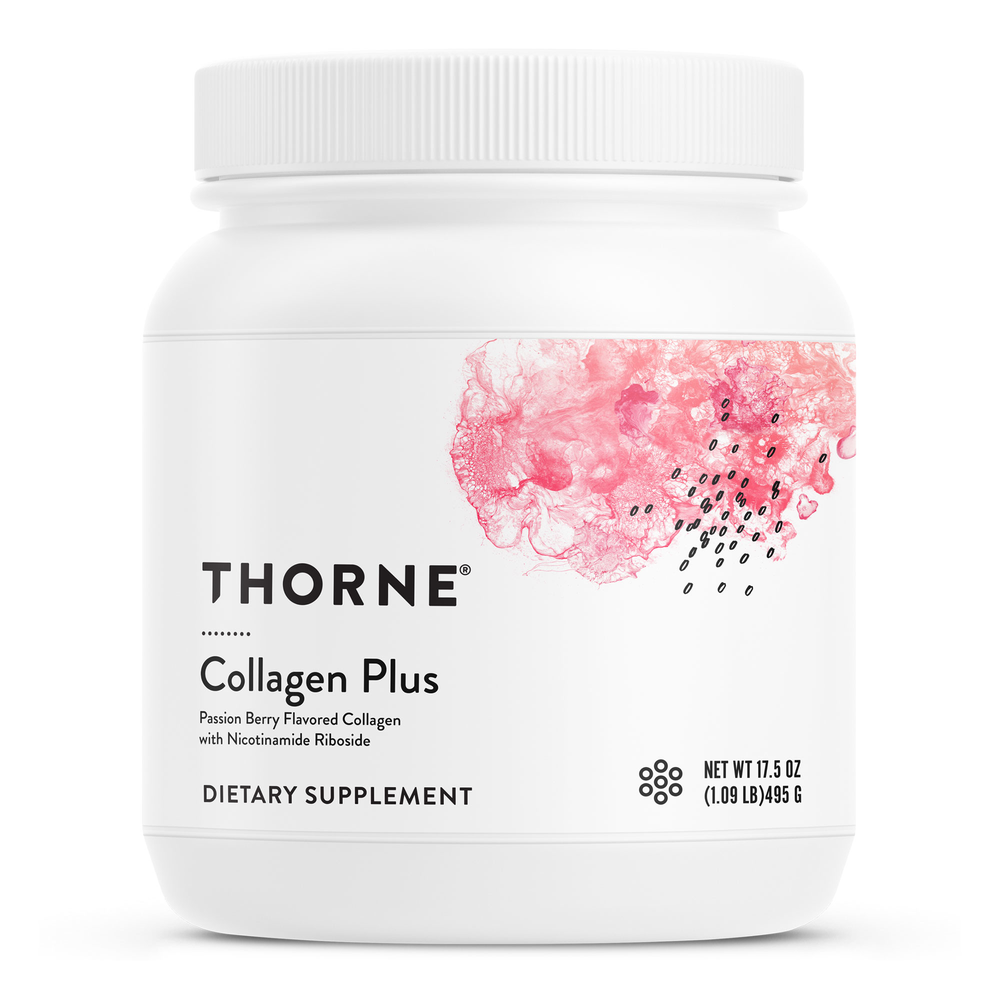
Collagen Plus by Thorne
495 grams
Support Skin, Joint Health, and Cellular Energy with Collagen Plus$67.00
Purchase options
Practitioner-grade brand3rd-party testedFree shipping $50+
Gluten Free·Soy Free·Dairy Free·Milk Free
Thorne Collagen Plus overview
If you’re starting to notice drier skin or fine lines, collagen peptides are one of the few nutrition levers with visible changes within 8 to 12 weeks. This formula suits adults 30+ with low protein intake, high sun exposure, or heavy training that pounds joints. It’s also a fit if your Homocysteine (an amino-acid marker tied to methylation and skin integrity) runs high and you want a gentle nudge down without a big betaine dose.
Thirteen grams of bovine collagen peptides supply glycine and proline, and signal fibroblasts (your collagen‑making skin cells) to produce more collagen and elastin, which improves elasticity and smoothness. HydroPeach ceramides strengthen the skin barrier so it holds water better. Nicotinamide riboside raises NAD+ (a cellular energy cofactor) that fuels repair enzymes, while black/red currant polyphenols temper UV‑related oxidative stress. A small betaine dose supports methylation, which can help keep Homocysteine in range.
Mix one scoop in 8–12 ounces of water daily, morning is convenient because nicotinamide riboside can feel energizing for some. Collagen formation needs vitamin C, so pair this with a vitamin C–rich food or a small supplement. Consistency beats timing here; most skin outcomes build over 8 to 12 weeks, with joint comfort often following a similar timeline. If you’re protein‑short, you can split the scoop across the day.
Avoid if you’re allergic to beef or following a strict vegetarian/vegan plan. If you’re on a protein‑restricted diet for kidney disease, ask your clinician first. With active cancer or during chemotherapy, discuss nicotinamide riboside with your oncology team because NAD+ boosters change cellular energy handling. If trimethylaminuria (fish‑odor syndrome) is an issue, even low‑dose betaine can worsen odor.
Bovine vs. marine collagen: both improve skin; bovine is broadly studied and cost‑effective. Do collagen peptides survive digestion? They’re broken into small peptides that still act as signals to skin cells. How fast will I see changes? Plan on daily use for 8 to 12 weeks, then reassess. Can I track anything? Skin hydration and elasticity are felt; for methylation support, recheck Homocysteine after 6 to 8 weeks.
Frequently asked questions
How long do collagen peptides take to work for skin?
Most people notice better skin hydration and elasticity after 8–12 weeks of daily use. Some see earlier changes, but collagen turnover is slow, so give it two to three months before judging.
Is bovine collagen better than marine collagen?
They’re comparable for skin and joints. Bovine collagen typically provides type I and III collagen and is well studied. Marine is an alternative if you avoid beef; choose based on diet and tolerance.
Does nicotinamide riboside actually raise NAD+ levels?
Yes, nicotinamide riboside increases NAD+ (the cell’s energy cofactor) in blood and tissues in human studies. Effects are modest but measurable, and pairs logically with repair processes in skin.
Can I take collagen peptides with coffee or food?
Yes. Heat from coffee doesn’t harm collagen peptides, and food doesn’t reduce benefits. Add a source of vitamin C the same day to support collagen assembly in skin and joints.
Will collagen peptides affect my cholesterol or triglycerides?
At typical doses, collagen peptides have neutral lipid effects. If you’re monitoring labs, focus on how you feel and recheck your standard panel during your next visit rather than expecting a change.
Does this help joints as well as skin?
Collagen peptides can improve joint comfort and function in active adults within 8–12 weeks. They supply cartilage‑building amino acids and signaling peptides that encourage tissue repair.
Is this safe in pregnancy or breastfeeding?
Plain collagen is generally considered food‑like, but nicotinamide riboside and the plant extracts haven’t been well studied in pregnancy. If pregnant or nursing, ask your obstetric clinician first.
Can betaine lower homocysteine at this dose?
This formula’s 50 mg is a gentle nudge, not a therapeutic dose. It’s included for methylation balance alongside other actives. If your Homocysteine is high, discuss targeted dosing with your clinician.
How to take it & ingredients
Suggested use: Mix 1 scoop with at least 8–12 ounces of water daily or as recommended by your health-care practitioner.
Active ingredients
1 scoop per serving
Collagen Peptides
Bovine
Bovine
13000 mg
MitoHeal®
Redcurrant (Ribes rubrum) and Blackcurrant (Ribes nigrum) Bioactive Ribetril-A Extract
Redcurrant (Ribes rubrum) and Blackcurrant (Ribes nigrum) Bioactive Ribetril-A Extract
500 mg
Nicotinamide Riboside
Nicotinamide Riboside Hydrogen Malate
Nicotinamide Riboside Hydrogen Malate
125 mg
Betaine
Betaine Anhydrous (Trimethylglycine)
Betaine Anhydrous (Trimethylglycine)
50 mg
HydroPeach™ Ceramides
Peach Extract (Fruit) (Prunus persica)
Peach Extract (Fruit) (Prunus persica)
20 mg
Other ingredients: Citric Acid, Flavors, Stevia Extract (Leaf)
Certifications
Benefits
Warnings
Customers also considered
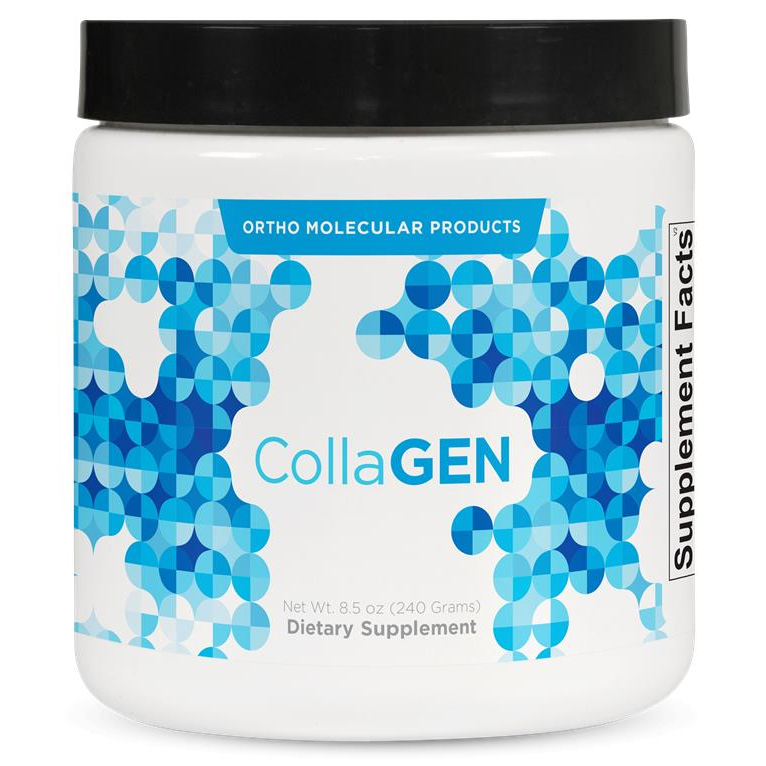
CollaGEN
Ortho Molecular Products
240 grams
$81.64$73.55 with Subscribe & Save
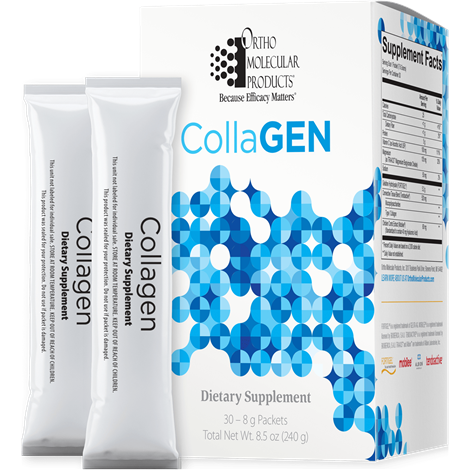
CollaGEN Stick Packs
Ortho Molecular Products
30 packets
$106.84$96.25 with Subscribe & Save
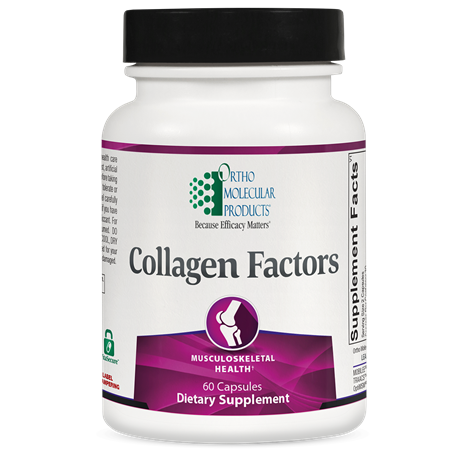
Collagen Factors
Ortho Molecular Products
60 capsules
$47.23$42.55 with Subscribe & Save
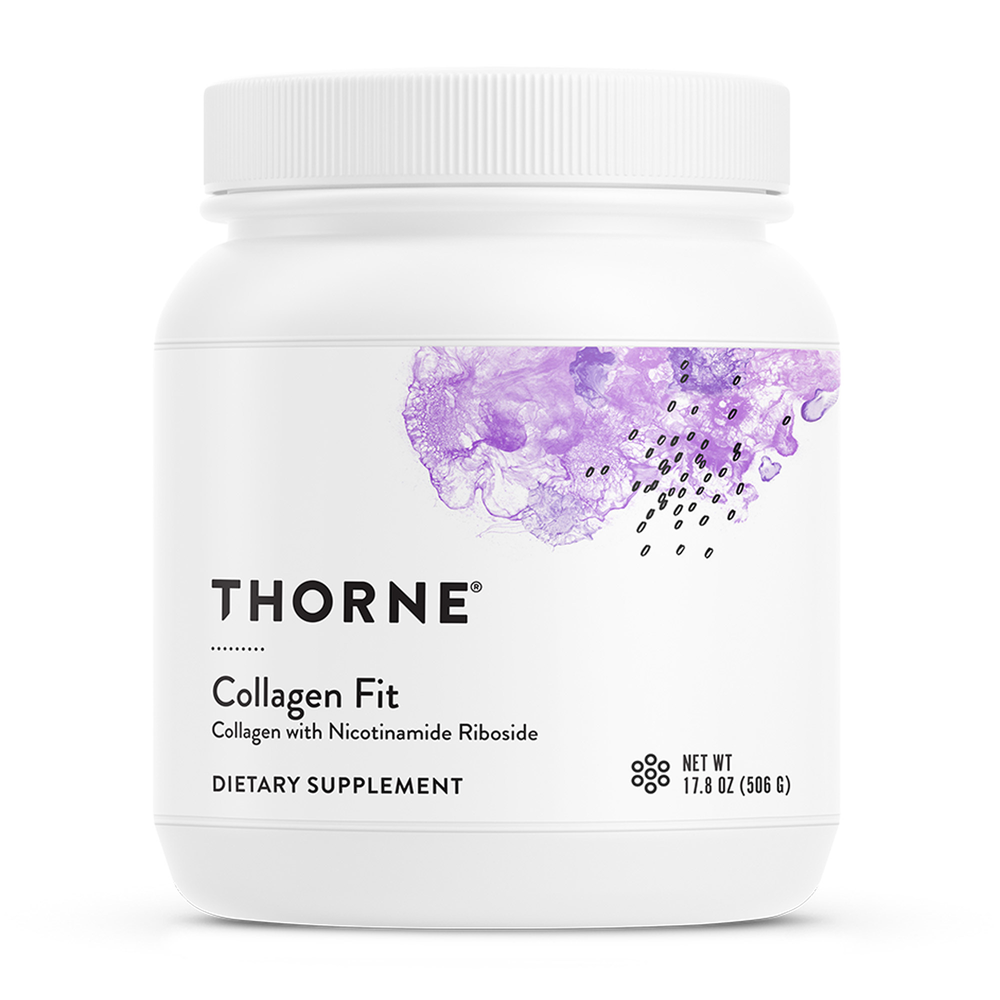
Collagen Fit
Thorne
506 grams
$56.00$50.40 with Subscribe & Save