 Instalab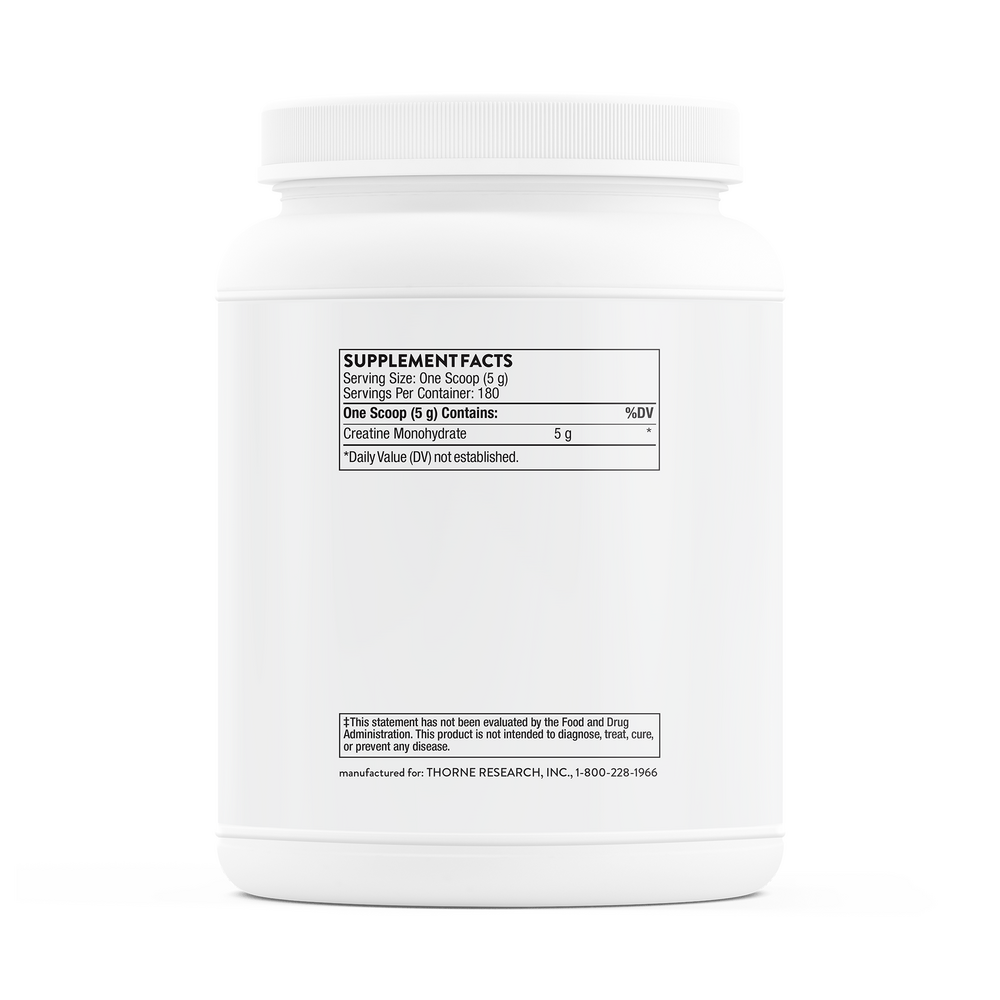





Thorne
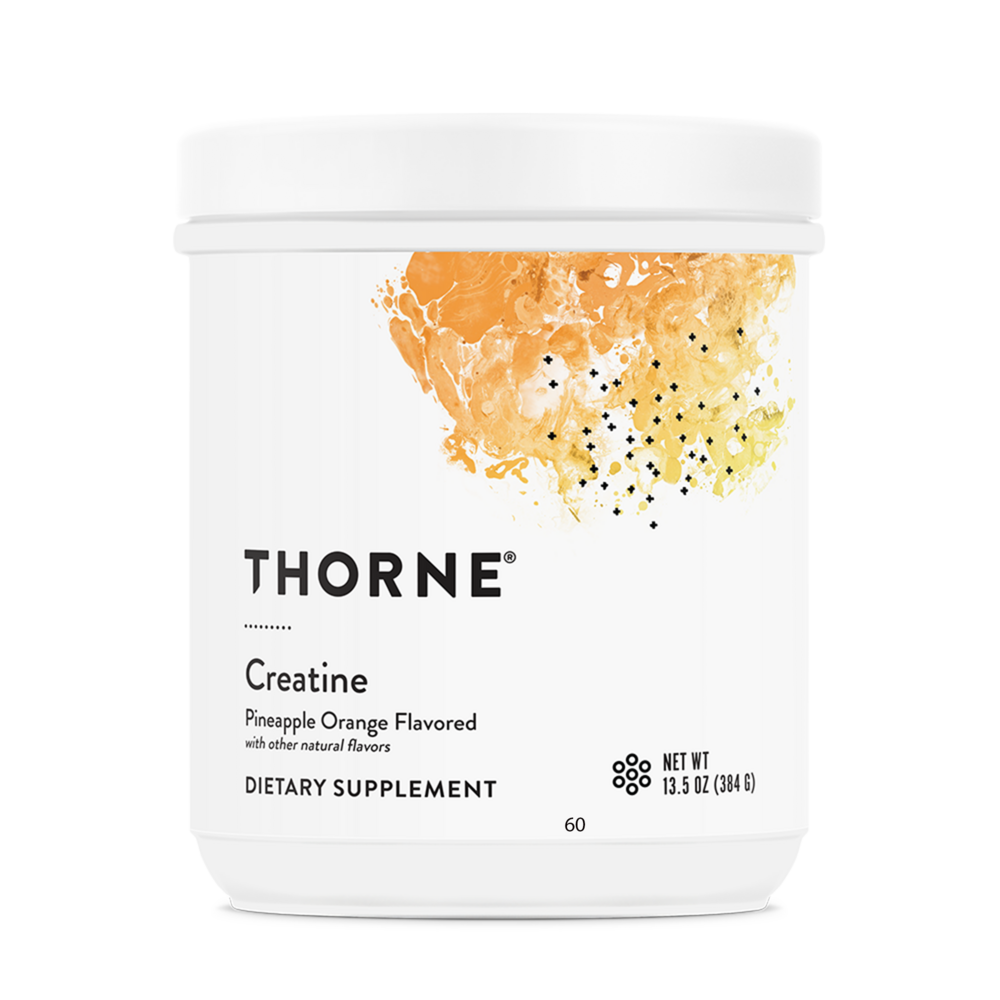
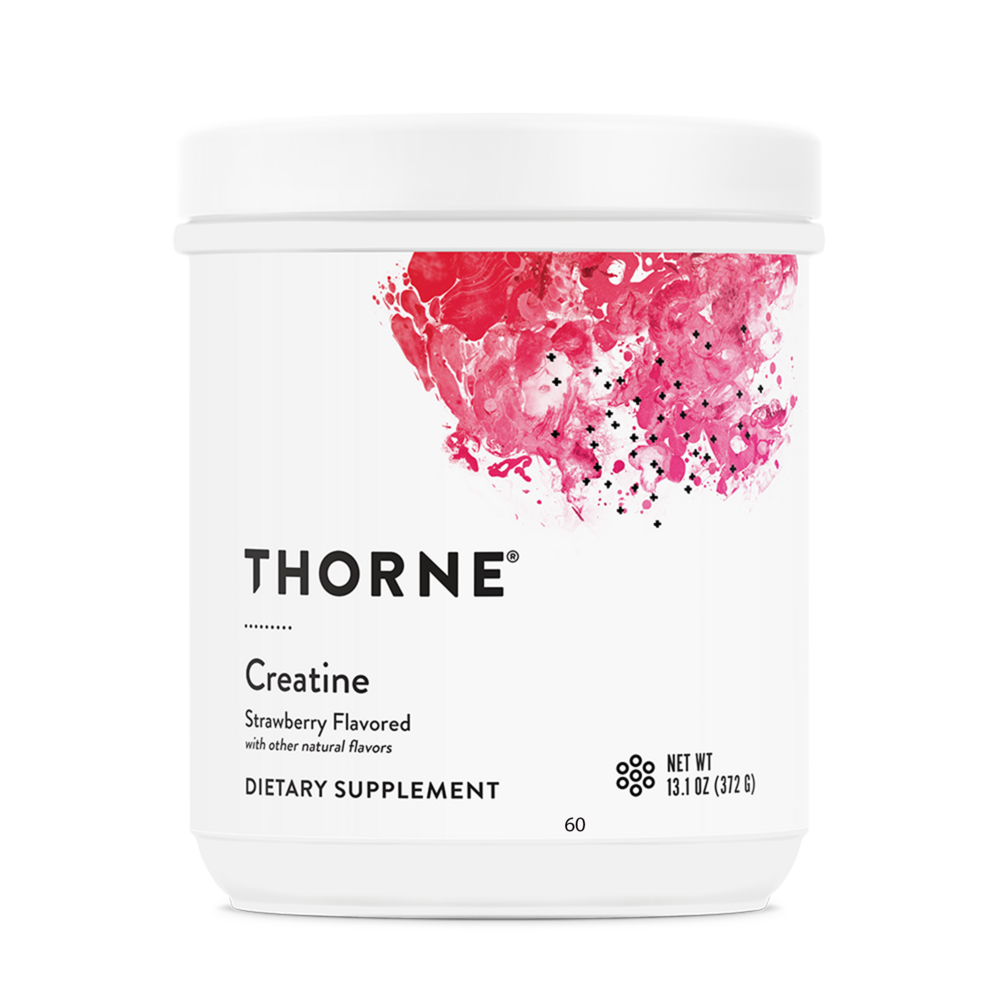
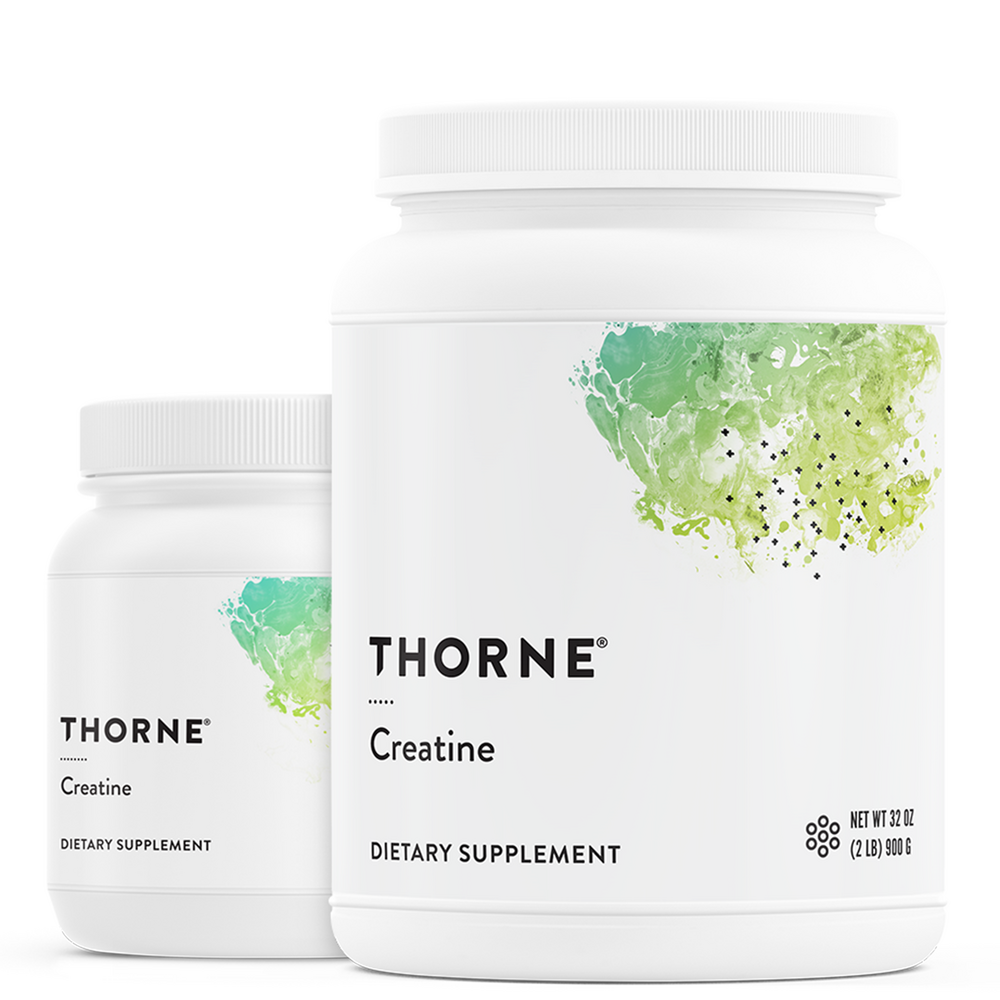
Creatine 5 g by Thorne
900 grams · 180-day supply
Supports Muscle Strength, Power, and Recovery for Optimal Performance$84.00
Purchase options
Practitioner-grade brand3rd-party testedFree shipping $50+
Gluten Free·Soy Free·Dairy Free·Milk Free
Thorne Creatine overview
If you lift weights, sprint, or do high-intensity intervals and you’re wondering how to take creatine monohydrate, this 5 g daily dose fits. Vegetarians and vegans, who typically have lower muscle creatine from diet, see the biggest jump. Older adults aiming to preserve lean mass also tend to respond well when training is in place. Expect better strength and more reps within 2 to 4 weeks, with a small early increase in scale weight from water in muscle, not fat.
Creatine monohydrate tops up phosphocreatine, the rapid battery that rebuilds ATP (the cell’s short-burst energy currency) between efforts. With more phosphocreatine, you push harder and recover faster set to set, which drives training gains. Pulling water into muscle cells also signals protein building. Compared with trendy forms like creatine HCl or ethyl ester, plain monohydrate is the most studied and consistently effective, and it’s well tolerated in healthy kidneys.
Mix one scoop in water or a shake any time of day; consistency beats timing. Taking it with a meal or post-workout is convenient and may aid uptake. A loading phase (about 20 g/day split for 5–7 days) makes effects show up faster, then continue with 3–5 g/day, but loading isn’t required. Hydrate well. If you eat a lot of red meat or fish, expect a smaller bump, not zero benefit.
Creatine can raise Serum Creatinine (a breakdown product used to estimate kidney function) without harming kidneys; if there’s confusion, ask for Cystatin C (a kidney marker not affected by creatine). High-dose caffeine right before training can blunt performance benefits for some; normal coffee intake is fine. Use caution with dehydrating drugs like diuretics or frequent NSAID use, and skip creatine if you have known kidney disease unless cleared by your clinician.
Water weight from creatine reflects fluid stored inside muscle, which usually helps performance and doesn’t cause puffy bloating for most. The hair-loss rumor ties to a small study showing a rise in DHT (a testosterone metabolite) without hair outcomes; larger trials haven’t confirmed a hair effect. You don’t need to cycle; long-term use in healthy adults is well studied. Muscle cramps are not increased when hydration and electrolytes are adequate.
Frequently asked questions
How long does creatine monohydrate take to work?
Most people notice strength and reps improve in 2–4 weeks with daily use. A 5–7 day loading phase speeds this to about 1–2 weeks. Consistent training and hydration matter more than exact timing.
Do I need to load creatine or is 5 grams enough?
You don’t have to load. Taking 5 grams daily saturates muscles in a few weeks. Loading (about 20 g/day split for 5–7 days) just gets you there faster, then you can continue with 3–5 g/day.
Is creatine bad for your kidneys?
In healthy adults, creatine is not shown to harm kidneys. It can raise Serum Creatinine without true injury. If you have kidney disease or a single kidney, get clinician approval and consider Cystatin C monitoring.
Should I take creatine before or after a workout?
Take it whenever you’ll remember. Pre or post doesn’t meaningfully change long-term results. Many people pair it with a post-workout shake or a meal for convenience and steady adherence.
Does creatine cause hair loss?
Evidence doesn’t show creatine causes hair loss. One small study found a DHT rise (a hormone linked to hair thinning) without measured hair changes; larger studies haven’t confirmed a hair effect.
Can I take creatine with coffee or caffeine?
Moderate coffee is fine. Very high caffeine doses right before training may blunt creatine’s performance benefit in some people. If you’re sensitive, separate large caffeine hits from training sessions.
What side effects should I expect with creatine?
Mild water weight gain and occasional stomach upset if taken on an empty stomach are most common. Mixing it well in water and taking with food helps. Hydrate to reduce cramps during hard training in heat.
Is creatine helpful for endurance athletes?
It’s most effective for sprints, hills, and finishing kicks. Pure steady-state endurance doesn’t change much, but improved repeat sprint ability and gym strength can still benefit race performance.
How to take it & ingredients
Suggested use: Mix 1 scoop with at least 8 ounces of water, juice, or preferred beverage daily or as recommended by your health-care or performance professional. Can be used 30-90 minutes before or after exercise.
Active ingredients
1 scoop (5 grams) per serving · 180 servings
Creatine
Creatine Monohydrate
Creatine Monohydrate
5 g
Certifications
Benefits
Warnings