 Instalab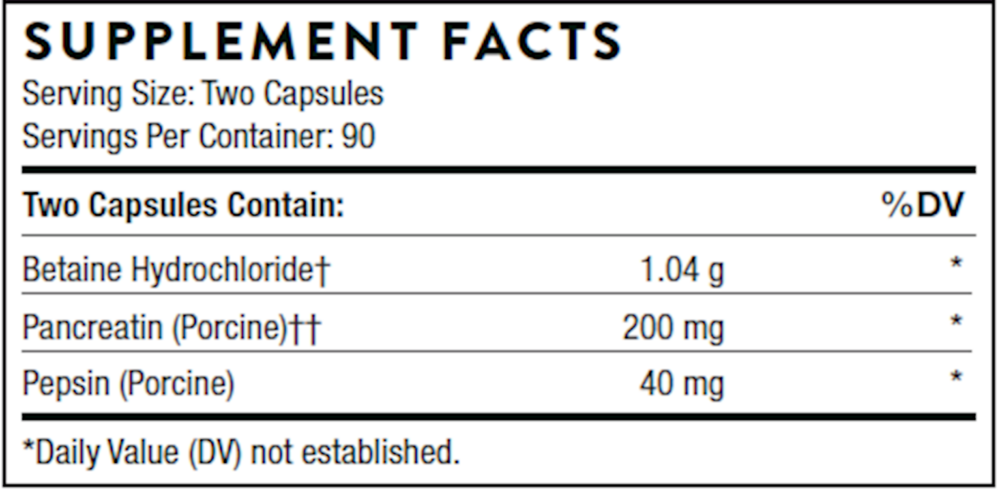

Thorne
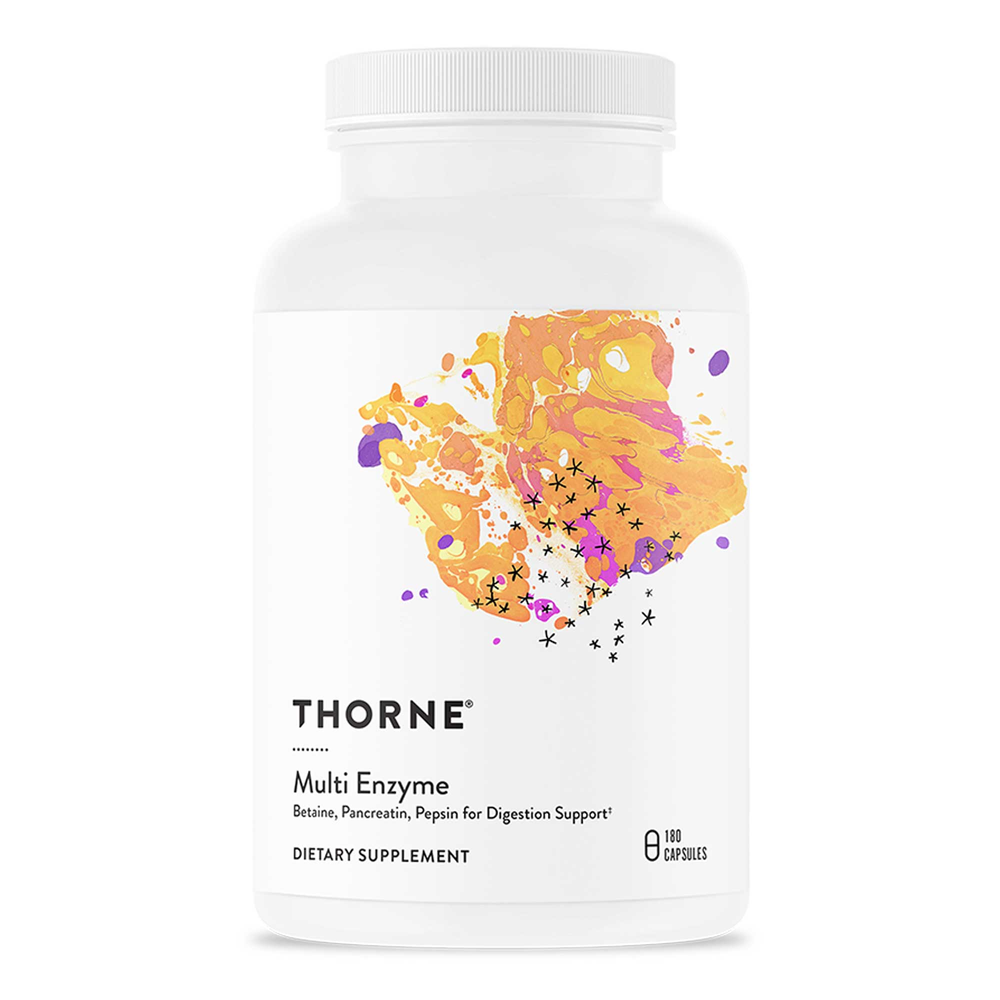
Multi Enzyme by Thorne
180 capsules · 90-day supply
Comprehensive Digestive Support for Optimal Nutrient Absorption$XX.XX$50.00retail
This item is currently out of stockGet notified when this item is back in stock
20% below MSRP3rd-party tested for purity & potencyFree shipping $50+
Gluten Free·Soy Free·Dairy Free·Milk Free
Thorne Multi Enzyme overview
This is for adults who suspect low stomach acid, especially if you feel overly full after small meals, have protein sit heavy, or burp soon after eating. It’s also useful if your Vitamin B12 or Ferritin (iron storage) are low without a clear cause, or if you’ve been on proton pump inhibitors or antacids. Those with borderline pancreatic output may notice less gas and better stool form. If you have true pancreatic insufficiency, work with your clinician and monitor Stool Elastase rather than self-treating.
Betaine HCl increases stomach acidity so pepsin (the stomach’s protein-digesting enzyme) can activate and start breaking down protein, which can improve absorption of B12 and iron. Pancreatin provides amylase, protease, and lipase, the small-intestine enzymes that finish digestion of carbs, protein, and fat. Together, these digestive enzymes help reduce early-meal bloating, heavy fullness, and greasy stools. Evidence is strongest for pancreatic enzyme replacement in deficiency; for general dyspepsia the benefit is symptom-driven and individual.
Take 1 capsule with the first bites of a meal, then increase to 2 with larger, protein-rich meals if needed. Avoid taking on an empty stomach. Many feel a difference with the first meal; nutrient markers like Vitamin B12 or Ferritin change over months. If you feel warmth or burning in the upper stomach, that’s your cue to reduce the dose or reserve for heavier meals. Skip for small snacks that are mostly fruit or liquids.
Avoid betaine HCl if you have active or past stomach or duodenal ulcers, gastritis, significant reflux, Barrett’s esophagus, or if you’re taking proton pump inhibitors, H2 blockers, or frequent antacids. Do not use as a substitute for prescription pancrelipase in cystic fibrosis or advanced pancreatic disease. This formula contains porcine pepsin and pancreatin, so it’s not suitable for vegans or those avoiding pork for religious or allergy reasons.
Frequently asked questions
How fast do digestive enzymes work?
For meal-related bloating or heavy fullness, benefits are often noticeable with the first dose. For issues tied to low B12 or iron, expect lab changes over 8–12 weeks of consistent use alongside adequate dietary intake.
Can I take betaine HCl if I’m on a PPI or antacid?
No. Proton pump inhibitors, H2 blockers, and antacids reduce stomach acid on purpose. Adding betaine HCl works against them and can irritate the stomach. Discuss tapering with your clinician before considering any acid support.
Should I take digestive enzymes with snacks?
Use them with protein- or fat-containing meals. For small snacks that are mostly fruit, smoothies, or crackers, most people don’t need added enzymes. Save them for main meals or when you typically get symptoms.
Can digestive enzymes replace prescription pancrelipase like Creon?
No. If you have diagnosed pancreatic insufficiency, stick with prescription dosing and monitoring. Over-the-counter blends can be adjunctive in mild cases only under clinician guidance, with Stool Elastase and nutrition tracked.
Are there side effects from betaine HCl?
The most common is upper abdominal warmth or burning, which means the dose is too high for you or timing was off. Rarely, it can aggravate reflux or gastritis. Take with the first bites of food and reduce or stop if symptoms occur.
Is this digestive enzyme formula vegan or kosher?
No. The pepsin and pancreatin are porcine-derived. If you avoid pork for ethical, religious, or dietary reasons, choose a plant-based enzyme blend instead.
Which labs can hint I need digestive enzymes?
Low Vitamin B12 or Ferritin without another explanation, or a low Stool Elastase, can point to stomach acid or pancreatic output issues. Your clinician may also review a comprehensive stool test if symptoms persist.
How to take it & ingredients
Suggested use: Take 1-2 capsules with each meal or as recommended by your health professional.
Active ingredients
2 capsules per serving · 90 servings
Betaine Hydrochloride
1.04 g
Pancreatin
Porcine
Porcine
200 mg
Pepsin
Porcine
Porcine
40 mg
Other ingredients: Hypromellose Capsule, Calcium Laurate, Leucine
Certifications
Benefits
Warnings
Customers also considered
Thorne
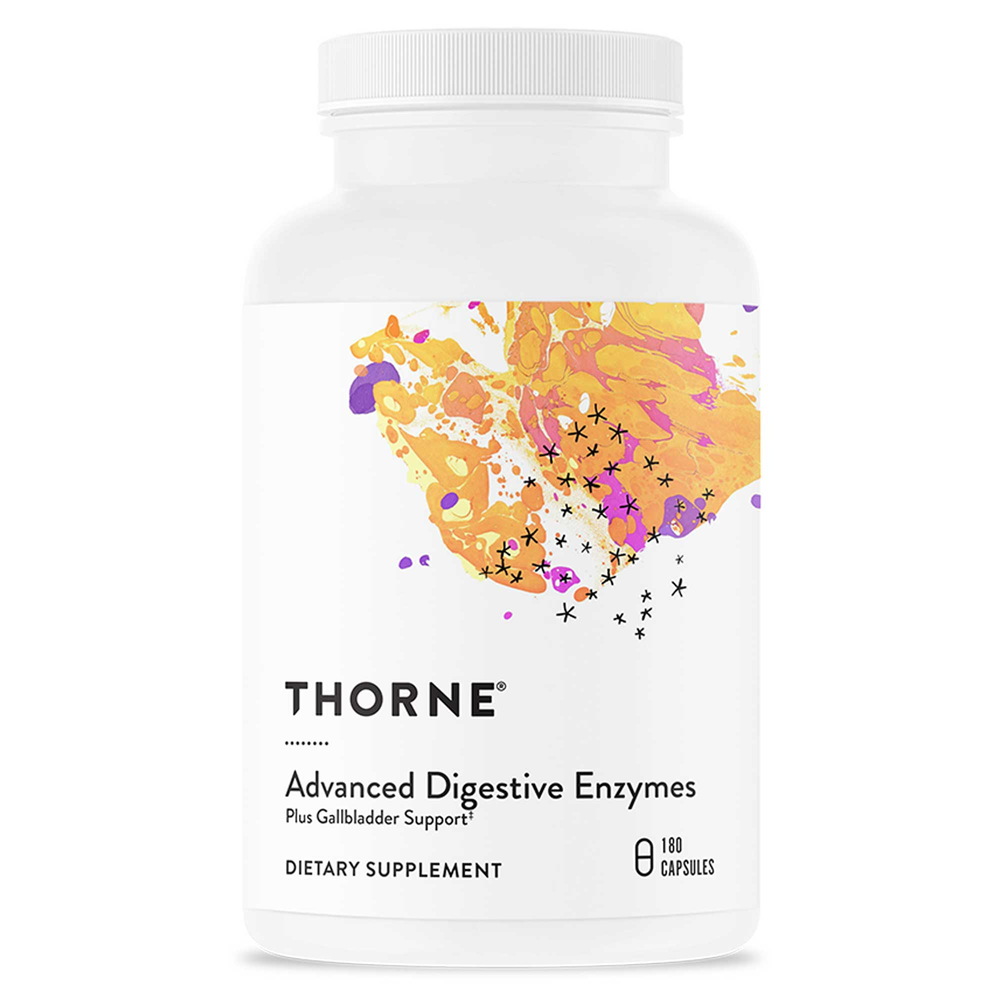
Advanced Digestive Enzymes
180 capsules
$XX.XX$56.00retail
Add to cart to see your price
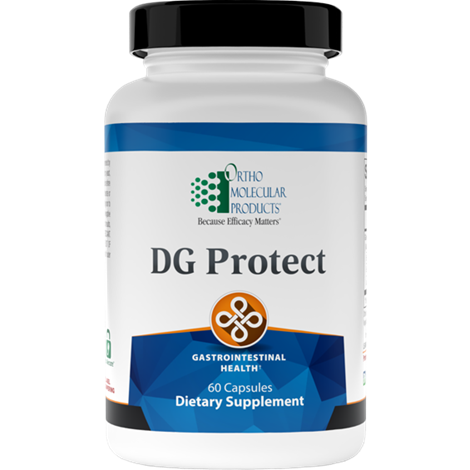
Ortho Molecular Products
DG Protect
60 capsules
$XX.XX$64.44retail
Add to cart to see your price
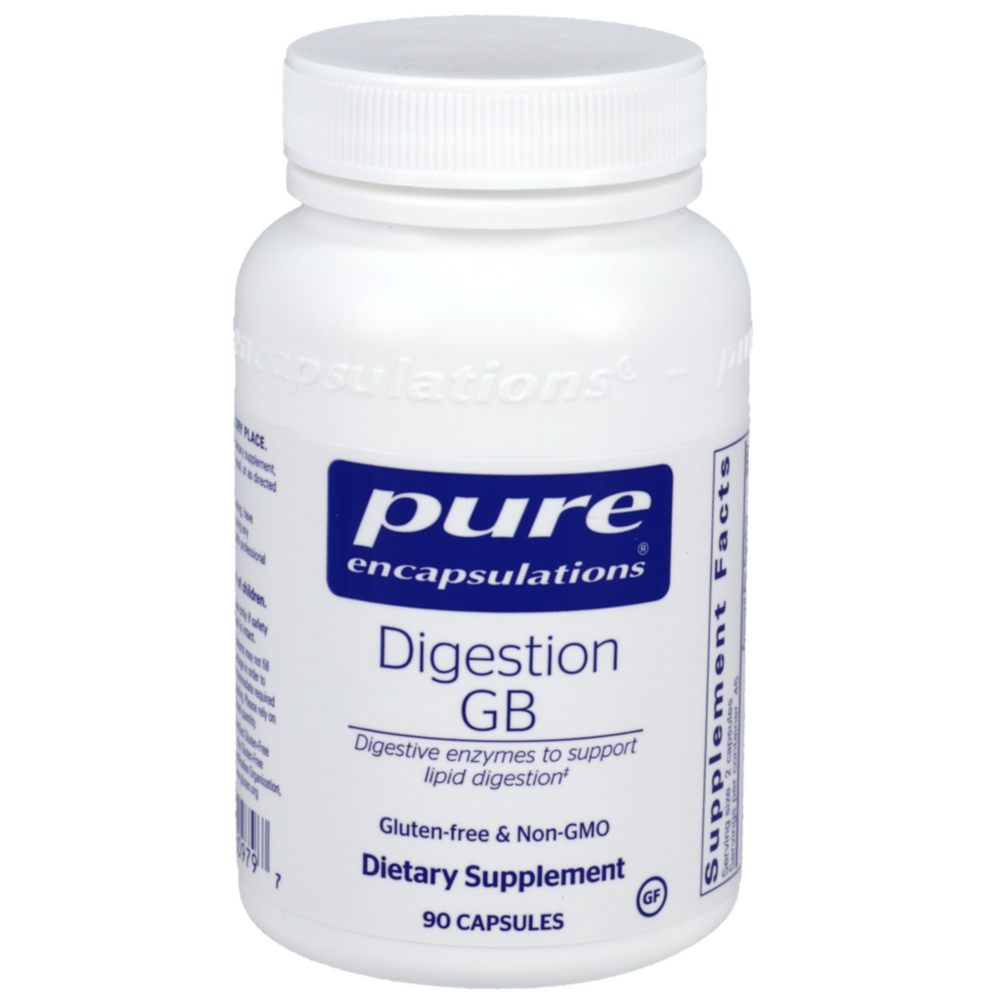
Pure Encapsulations
Digestion GB
90 capsules
$XX.XX$36.50retail
Add to cart to see your price
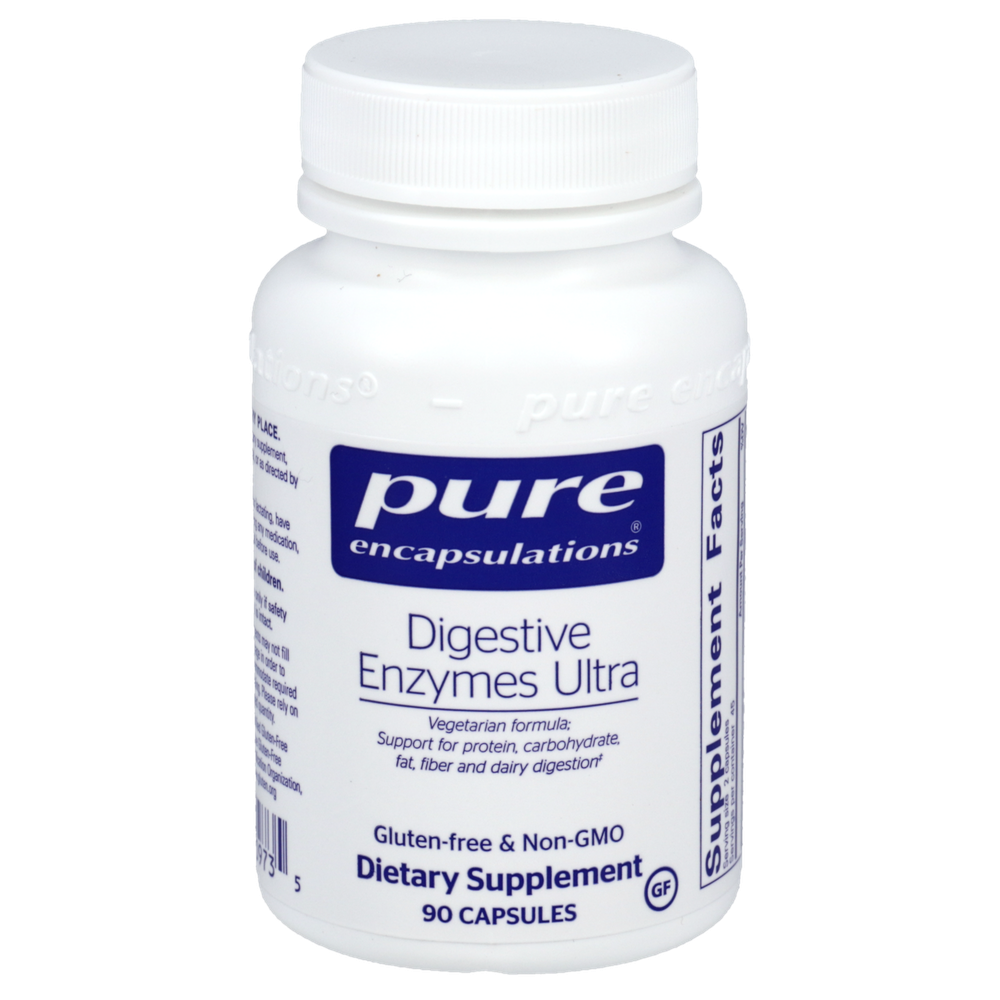
Pure Encapsulations
Digestive Enzymes Ultra
90 capsules
$XX.XX$38.00retail
Add to cart to see your price