 Instalab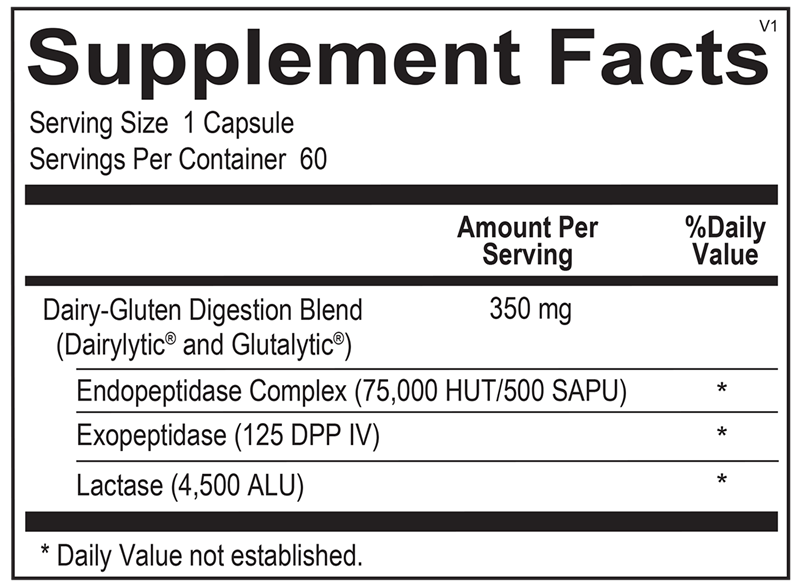

Ortho Molecular Products
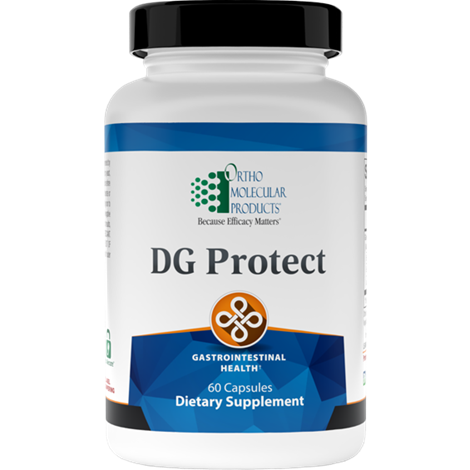
DG Protect 350 mg by Ortho Molecular Products
60 capsules · 60-day supply
Support for Dairy and Gluten Digestion with Targeted Enzymes$64.44
Purchase options
Practitioner-grade brand3rd-party testedFree shipping $50+
Gluten Free·Yeast Free·Artificial Color Free·Artificial Flavor Free
Ortho Molecular Products DG Protect overview
This fits people who eat mostly gluten-free and dairy-light but still get bloating, gas, or loose stools from accidental exposure at restaurants or travel. It’s for lactose intolerance or non-celiac gluten sensitivity, not for diagnosed celiac disease. If your tTG-IgA (tissue transglutaminase IgA, the standard celiac screen) is positive, strict avoidance remains the treatment. It’s also useful if a lactose breath test confirmed lactose malabsorption and you want coverage when you can’t control ingredients.
The blend pairs lactase (the enzyme that breaks down milk sugar) with targeted proteases that cut the hard‑to-digest gluten and dairy proteins. Endopeptidases slice long gluten strands, and exopeptidases trim the leftover peptide ends, reducing the gas and pressure many feel after cross-contact meals. These enzymes can lower the load of troublesome gluten fragments and casein peptides, but they don’t fully neutralize the immune-triggering pieces in celiac disease, so they are an add-on for slipups, not a license to eat freely.
Take one capsule right before the first bite, or within the first few minutes of eating. That timing puts the enzymes in the same place and time as the gluten, lactose, and casein from the meal. Effects are meal-specific, not cumulative; you should notice the difference with that meal. For very large or protein-heavy meals, some clinicians allow a second capsule, but start with one and assess. No special co-factors are needed, and it can be used with most probiotics or fiber.
Skip this if you have celiac disease, wheat allergy, or a true milk protein allergy; use strict avoidance and medical guidance instead. Ongoing abdominal pain, weight loss, anemia, or elevated fecal calprotectin (a stool marker of gut inflammation) needs evaluation, not an enzyme. If you have active ulcers, pancreatitis, or take blood thinners and bruise easily, check with your clinician first. Pregnancy and pediatric use should be guided by a healthcare professional due to limited data.
Frequently asked questions
Can a gluten enzyme replace a gluten-free diet for celiac?
No. Enzymes do not reliably break down the immune-triggering gluten fragments that drive celiac disease. People with celiac need strict gluten avoidance and medical follow-up.
How fast does a gluten and dairy enzyme work?
It works with the meal you take it with. Expect any benefit—less gas, pressure, or urgency—from that meal onward. There’s no loading phase or cumulative effect over weeks.
Do I take it before or after eating?
Before or with the first few bites is best. That timing lets the enzymes mix with the food as you chew and swallow. Taking it after a meal is less reliable for symptom control.
Will this help with dairy if I’m lactose intolerant?
Yes. It contains lactase, which digests lactose. Many notice less bloating and urgency when eating dairy. It doesn’t treat milk protein allergy, which requires strict avoidance.
Does it allow me to eat gluten freely if I’m just sensitive?
It can blunt symptoms from small, unintended exposures, but many still react to full servings. Use it as a safety net for cross-contact, not as permission for a plate of pasta.
Are there side effects from digestive enzymes?
They’re generally well tolerated. Occasional nausea, stomach upset, or loose stools can occur, especially if taken on an empty stomach or at higher doses. Stop if symptoms persist.
Can I take this with acid reducers like omeprazole?
Often yes, but stomach pH can affect enzyme activity. If you’re on a proton pump inhibitor or H2 blocker and don’t notice benefit, timing with meals becomes even more important.
Can I use it with probiotics or fiber supplements?
Yes. Enzymes act on food components, not on bacteria or fiber. You can combine them; just separate fiber if it causes fullness that makes timing a capsule difficult.
How to take it & ingredients
Suggested use: 1 capsule before a meal or as recommended by your health care professional.
Active ingredients
1 capsule per serving · 60 servings
Dairy-Gluten Digestion Blend
Dairylytic® and Glutalytic®
Dairylytic® and Glutalytic®
350 mg
Certifications
Benefits
Warnings
Customers also considered
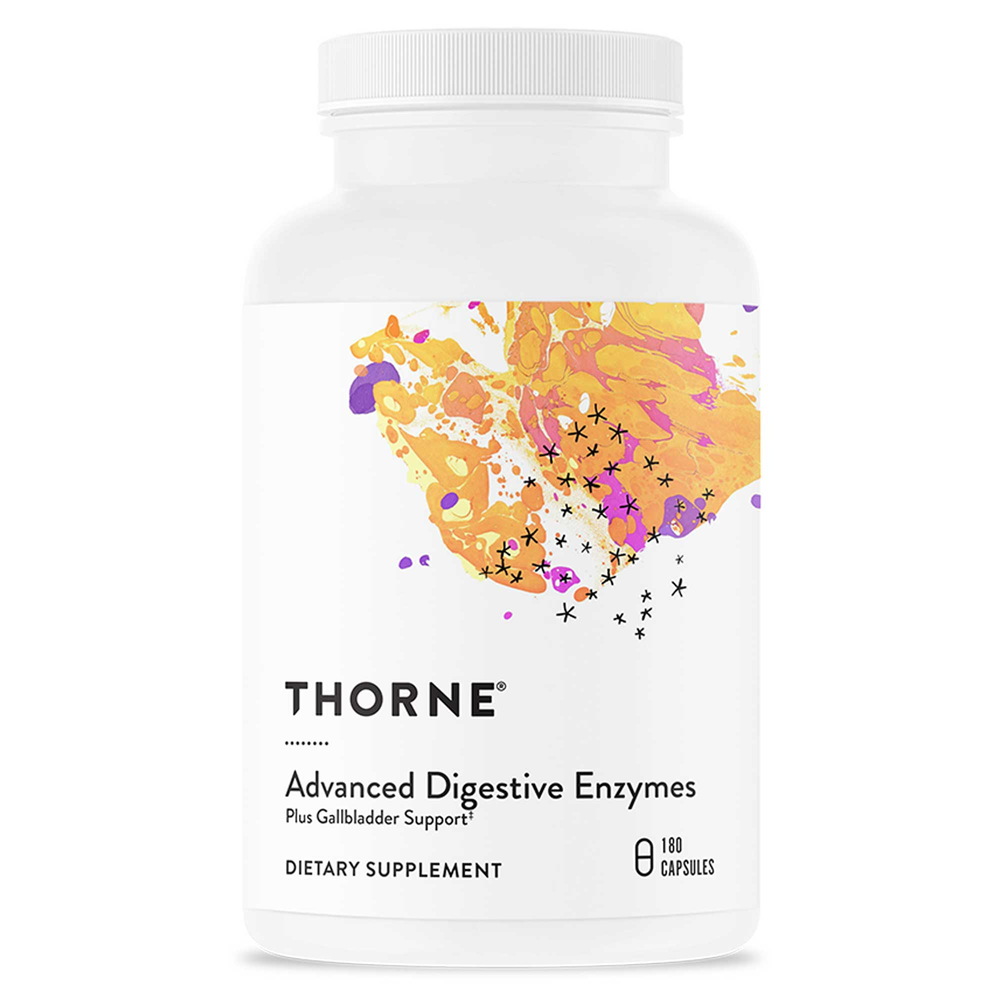
Advanced Digestive Enzymes
Thorne
180 capsules
$56.00$50.40 with Subscribe & Save
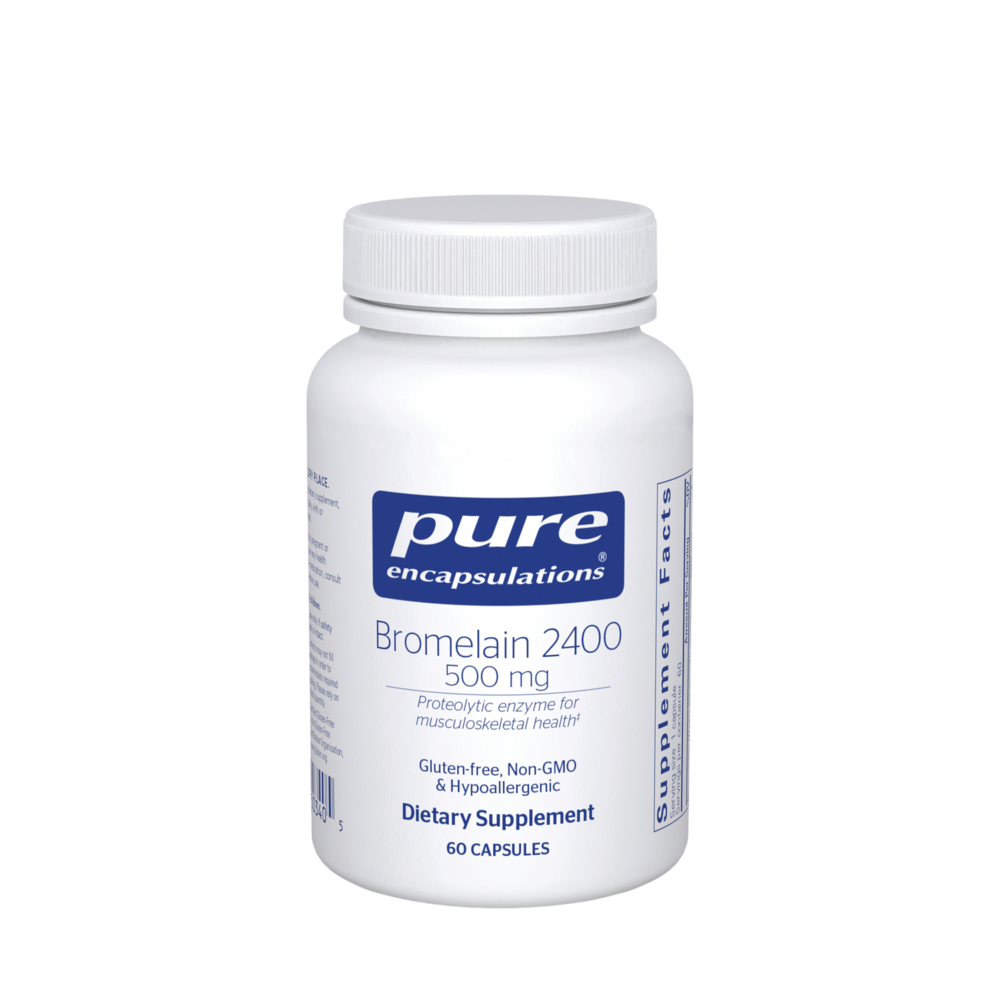
Bromelain 2400 500mg
Pure Encapsulations
60 capsules
$40.00$31.99 with Subscribe & Save
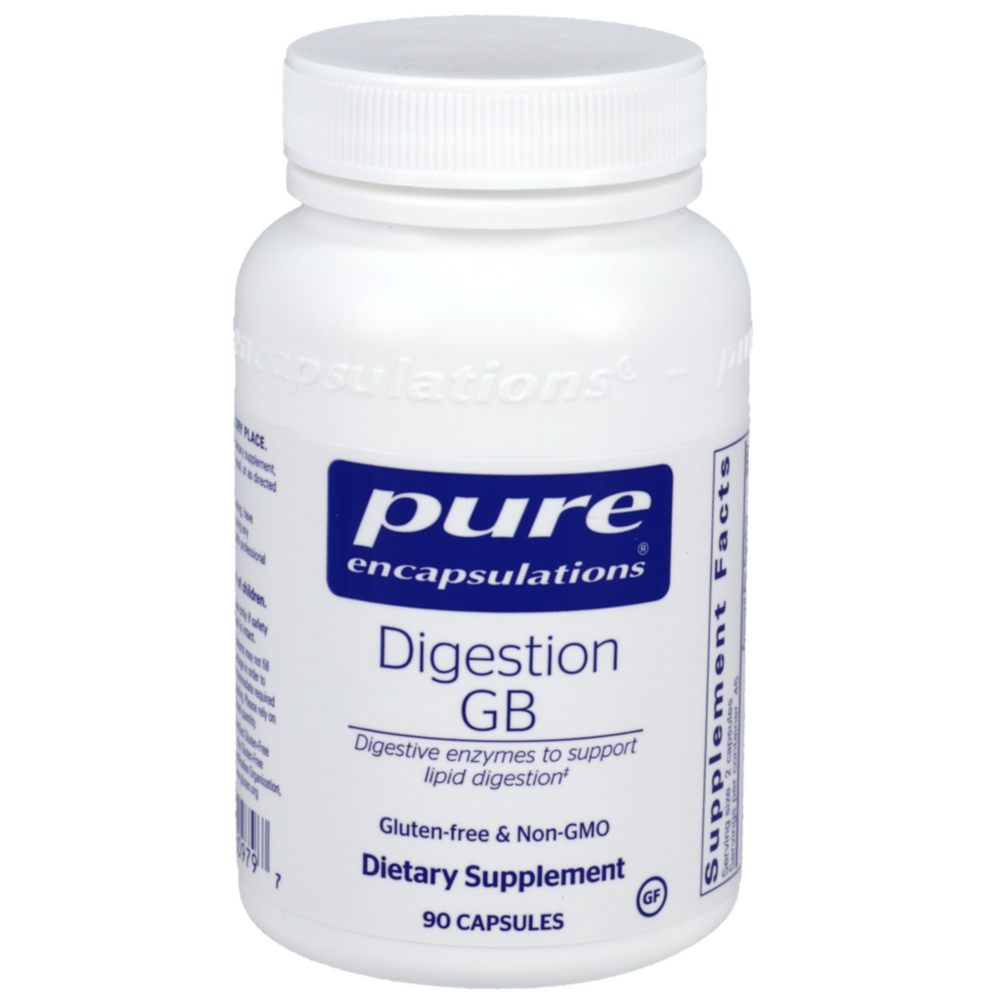
Digestion GB
Pure Encapsulations
90 capsules
$36.50$28.99 with Subscribe & Save
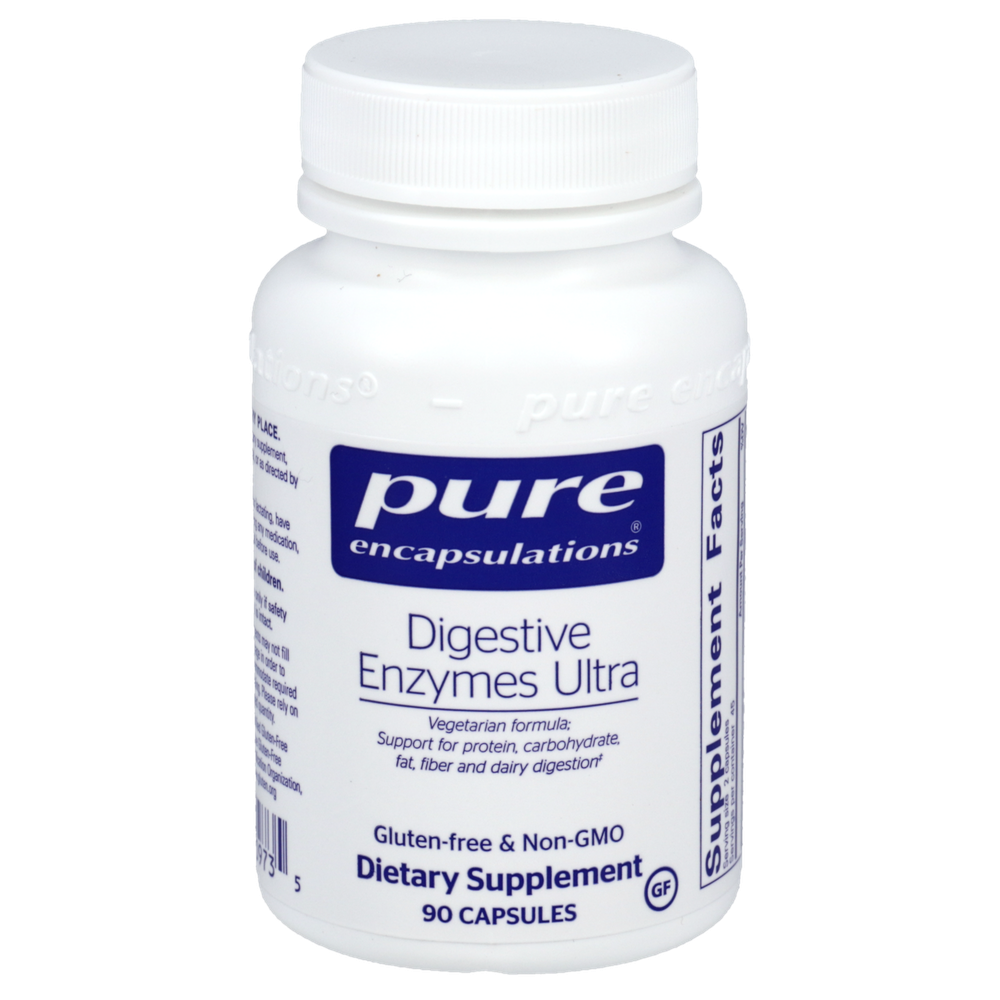
Digestive Enzymes Ultra
Pure Encapsulations
90 capsules
$38.00$29.99 with Subscribe & Save