 Instalab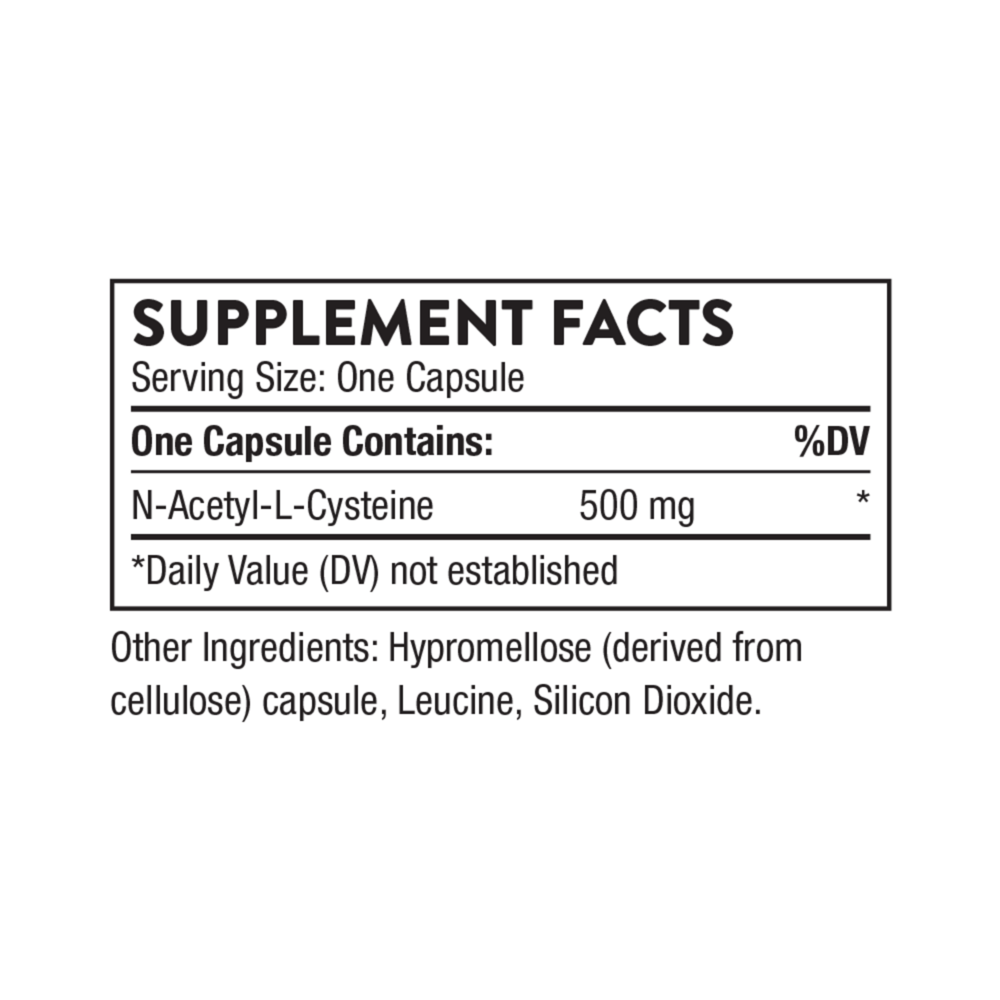
Thorne
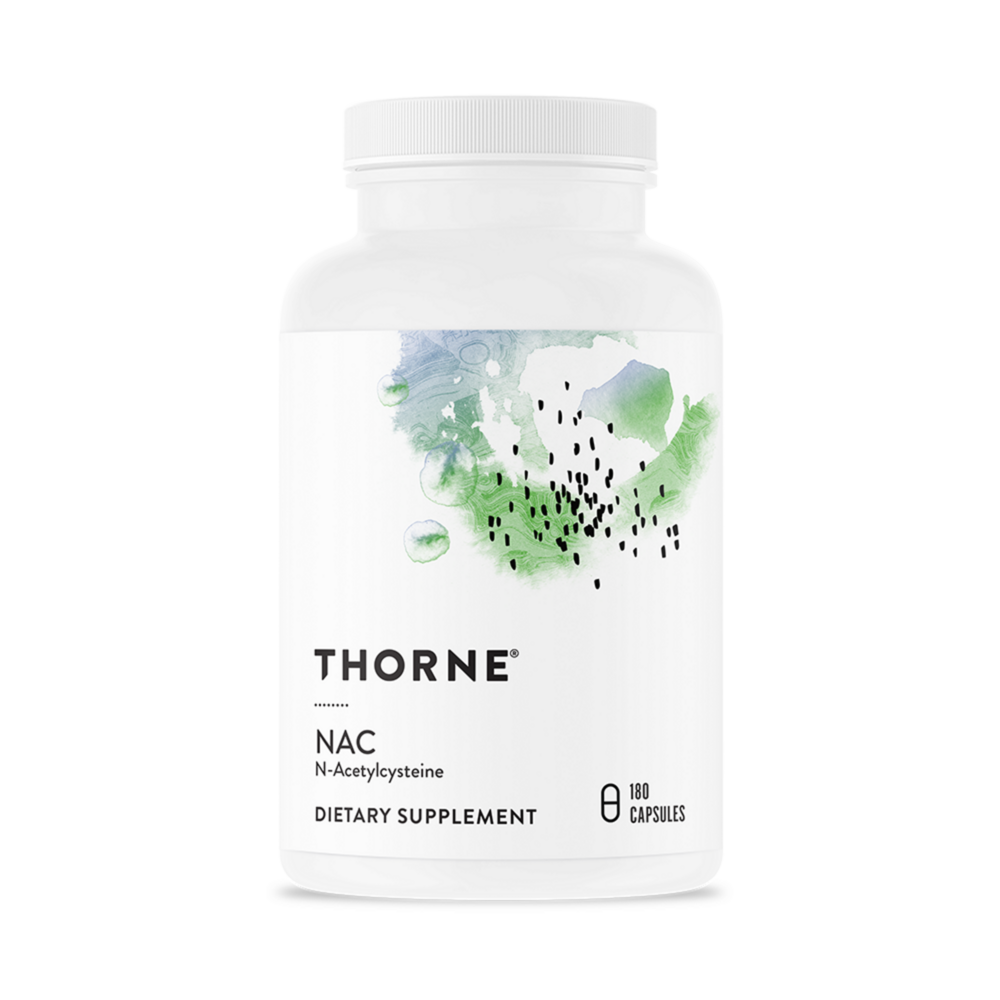
NAC 500 mg by Thorne
180 capsules · 180-day supply
Powerful Antioxidant Support for Cellular Health and Detoxification$63.00
Purchase options
Practitioner-grade brand3rd-party testedFree shipping $50+
Gluten Free·Soy Free·Dairy Free·Milk Free
Thorne NAC overview
If you’re run down from frequent winter infections or dealing with stubborn mucus, NAC supplement use is practical. It’s also useful if your oxidative stress looks high on labs, like an elevated GGT (a liver enzyme that reflects glutathione turnover) or hs-CRP (a general inflammation marker). People with heavy acetaminophen use, urban pollution exposure, or intense training blocks often benefit. If your ALT or AST (liver enzymes) run high, NAC is sometimes part of a broader liver plan while you address root causes.
N-acetylcysteine is a cysteine donor that your cells use to make glutathione, the main intracellular antioxidant that protects proteins, fats, and DNA from oxidation. More glutathione improves detox chemistry in the liver by binding certain toxins for removal. In the airways, NAC breaks disulfide bonds in mucus, making it less sticky and easier to clear. These actions explain why some people see modest drops in hs-CRP and steadier liver enzymes over weeks, and easier breathing within days during congested periods.
The suggested use is 1 capsule two to three times daily. Most adults do well between 600 and 1,800 mg per day, divided. Take with food if you’re prone to nausea; empty-stomach dosing absorbs well but can feel queasy. If your goal is mucus relief, twice-daily timing during the day is common. For glutathione repletion, steady daily use for 4 to 12 weeks is typical before rechecking hs-CRP, GGT, or liver enzymes. Pairing with vitamin C is reasonable but not required.
NAC potentiates nitroglycerin and isosorbide (used for chest pain), often causing significant headache and lightheadedness—don’t combine unless your cardiologist approves. It has mild antiplatelet effects, so use caution with warfarin, DOAC blood thinners, or high-dose fish oil. Activated charcoal can reduce absorption if taken together. Asthma is not a strict contraindication with oral NAC, but monitor for cough or bronchospasm. Pregnancy and breastfeeding: data are limited; use only with clinician guidance.
Frequently asked questions
What does NAC actually do?
NAC supplies cysteine to rebuild glutathione, the cell’s main antioxidant, and it breaks chemical bonds that make mucus thick. Clinically, people use it for respiratory congestion, oxidative stress, and as part of liver support while tracking labs like GGT, ALT, AST, and hs-CRP.
How long does NAC take to work?
For mucus, many notice easier clearance within a few days. For antioxidant and liver effects, give it 4–12 weeks of steady use, then recheck markers such as GGT, ALT, AST, or hs-CRP to judge response.
Should I take NAC with or without food?
Either works. Absorption is fine without food, but some people get nausea on an empty stomach. If you’re sensitive, take NAC with a snack and split the daily amount into two or three doses.
Does NAC thin your blood?
NAC has mild antiplatelet activity, which can slightly increase bleeding tendency. Use caution if you take warfarin, apixaban, clopidogrel, high-dose fish oil, or have a bleeding disorder. Discuss with your clinician.
Is NAC safe to take every day?
For most healthy adults, daily NAC at 600–1,800 mg is well tolerated for months. Common side effects are nausea or reflux. Long-term use should be paired with periodic lab review and a clear goal for continuing.
Can I take NAC with nitroglycerin?
Not without medical supervision. NAC amplifies nitroglycerin’s effects and often causes severe headache and low blood pressure. If you use nitro or isosorbide, ask your cardiologist before taking NAC.
Does NAC help with colds or flu?
Evidence is mixed. NAC can make mucus less sticky and may reduce symptom severity in some people, but it’s not an antiviral. Start at the first sign of congestion and keep expectations modest.
What’s the current FDA stance on NAC supplements?
NAC was once an approved drug and the FDA questioned its supplement status. The agency now uses enforcement discretion, and NAC supplements remain widely available from reputable brands.
How to take it & ingredients
Suggested use: Take 1 capsule two to three times daily or as recommended by your health professional.
Active ingredients
1 capsule per serving · 180 servings
N-acetyl L-cysteine
500 mg
Other ingredients: Hypromellose capsule, Leucine, Silicon Dioxide
Certifications
Benefits
Warnings