 Instalab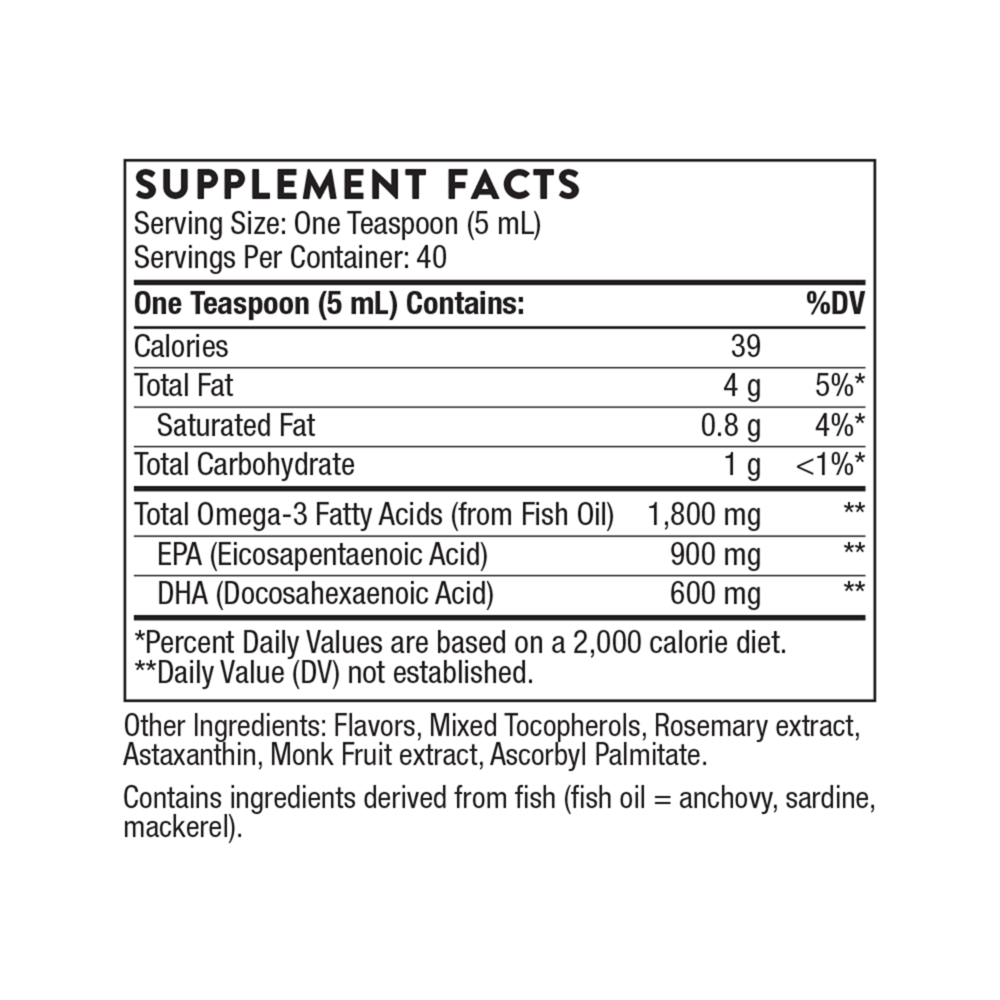


Thorne
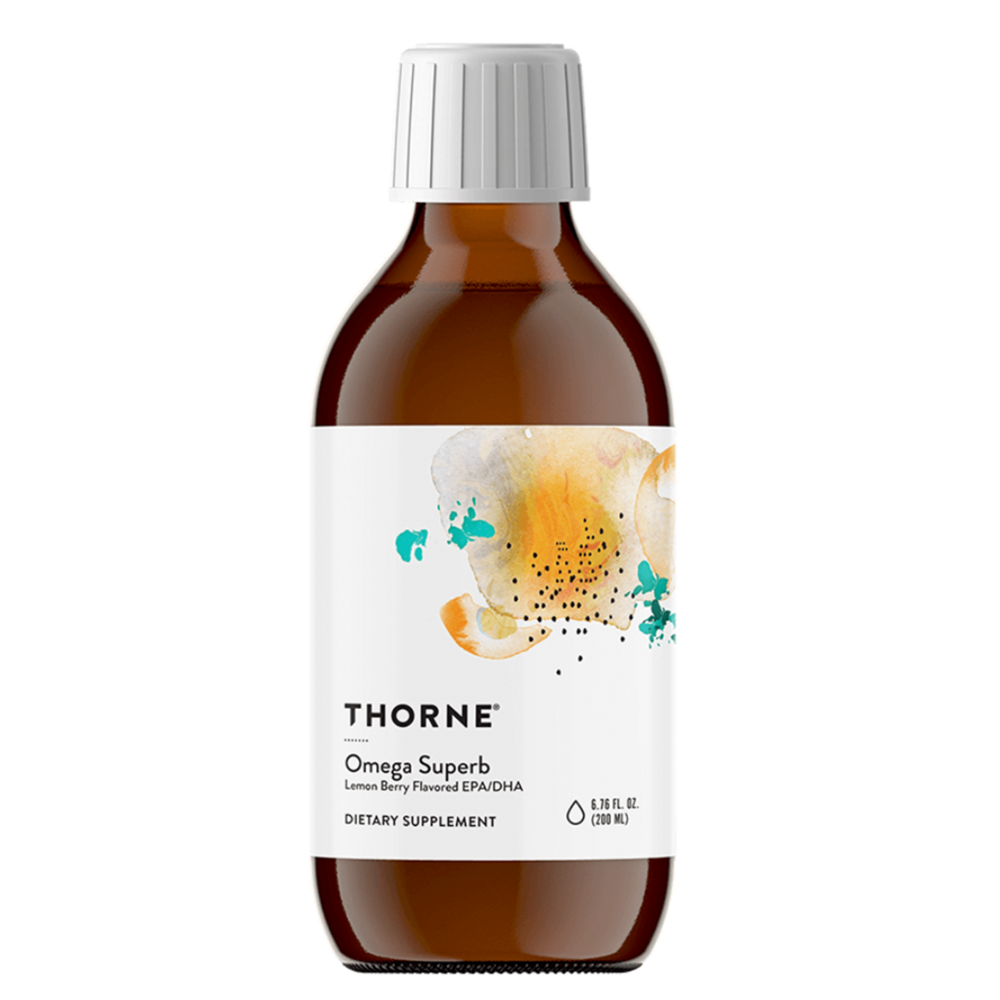
Omega Superb Lemon Berry EPA/DHA 1140 mg by Thorne
200 milliliters · 40-day supply
Premium EPA & DHA for Heart, Brain, and Overall Wellness$50.00
Purchase options
Practitioner-grade brand3rd-party testedFree shipping $50+
Gluten Free·Soy Free·Dairy Free·Milk Free
Thorne Omega Superb Lemon Berry EPA/DHA overview
If you want omega-3s but dislike large capsules, a liquid fish oil is the simplest way to get EPA and DHA. It suits adults with a low Omega-3 Index who want a maintenance bump, parents dosing kids, and anyone with trouble swallowing pills. The 1,140 mg total omega-3 per teaspoon is a daily upkeep dose. If your triglycerides are elevated, you’ll likely need a higher total EPA+DHA (often 2–4 grams/day) under clinician guidance to see a meaningful drop.
EPA and DHA change how your liver handles fat, so it sends out fewer VLDL particles (the form your liver packages fat into for transport), which shows up as lower triglycerides. They also nudge cells to burn fatty acids for energy faster. Over 4 to 12 weeks they incorporate into cell membranes and shift signaling molecules toward a calmer profile, which explains modest reductions in hs-CRP (a blood marker of inflammation) in responders. Benefits track well with the Omega-3 Index.
Take 1 teaspoon daily with a meal that contains some fat, which improves absorption and reduces fishy burps. Keep the bottle refrigerated after opening and use within a few months; taking it cold also helps the taste. If you’re targeting a higher Omega-3 Index, consider splitting the dose between breakfast and dinner. For triglyceride reduction, discuss a higher-dose fish oil or prescription icosapent ethyl with your clinician, then recheck triglycerides within 8–12 weeks.
Avoid fish oil if you have a known fish or shellfish allergy. If you’re on blood thinners like warfarin, apixaban, rivaroxaban, or clopidogrel, stay near maintenance doses and loop in your prescriber. For upcoming surgery, many surgeons prefer you pause higher-dose fish oil 1–2 weeks prior. If reflux or persistent fishy aftertaste occurs despite taking with food and cold, switch to enteric-coated fish oil capsules or try smaller divided doses.
Frequently asked questions
How long does fish oil take to work?
For most outcomes, expect 4–12 weeks. Triglycerides often change within 4–8 weeks at higher doses. The Omega-3 Index usually rises over 8–12 weeks. Consistency matters more than timing.
Does fish oil thin your blood?
At typical maintenance doses, bleeding risk is low. Very high intakes can have a mild antiplatelet effect. If you take warfarin or other blood thinners, coordinate dosing with your clinician.
What time of day should I take fish oil?
Take fish oil with a meal that contains fat, morning or evening. Food improves absorption and reduces burps. Splitting the dose with two meals is fine if you prefer.
How much EPA and DHA do I need to lower triglycerides?
Most responders need about 2–4 grams per day of combined EPA+DHA. This teaspoon provides 1,140 mg total omega-3, which is better for maintenance than triglyceride lowering.
Can I take fish oil during pregnancy?
Yes, omega-3s are commonly used in pregnancy and support fetal brain development. Choose purified fish oil, avoid fish liver oils high in vitamin A, and discuss your dose with your OB.
Will fish oil help with inflammation?
It can modestly lower hs-CRP in some people by shifting cell signaling toward less inflammatory compounds. The effect is variable, and tracking hs-CRP over time is the best way to see your response.
How do I know if my omega-3 level is adequate?
Get an Omega-3 Index blood test. If it’s low or in the lower part of the normal range, a maintenance dose is reasonable, then recheck in 8–12 weeks to confirm the change.
How to take it & ingredients
Suggested use: Take 1 teaspoon daily or as recommended by your health professional. Refrigerate after opening.
Active ingredients
1 teaspoon = 5 mL per serving · 40 servings
▼
Total Omega-3 Fatty Acids
1140 mg
Docosahexaenoic Acid (DHA)
440 mg
Eicosapentaenoic Acid (EPA)
700 mg
Other ingredients: Ascorbyl Palmitate, Astaxanthin, Flavors, Mixed Tocopherols, Monk Fruit, Rosemary, Sunflower Lecithin
Certifications
Benefits
Warnings
Customers also considered
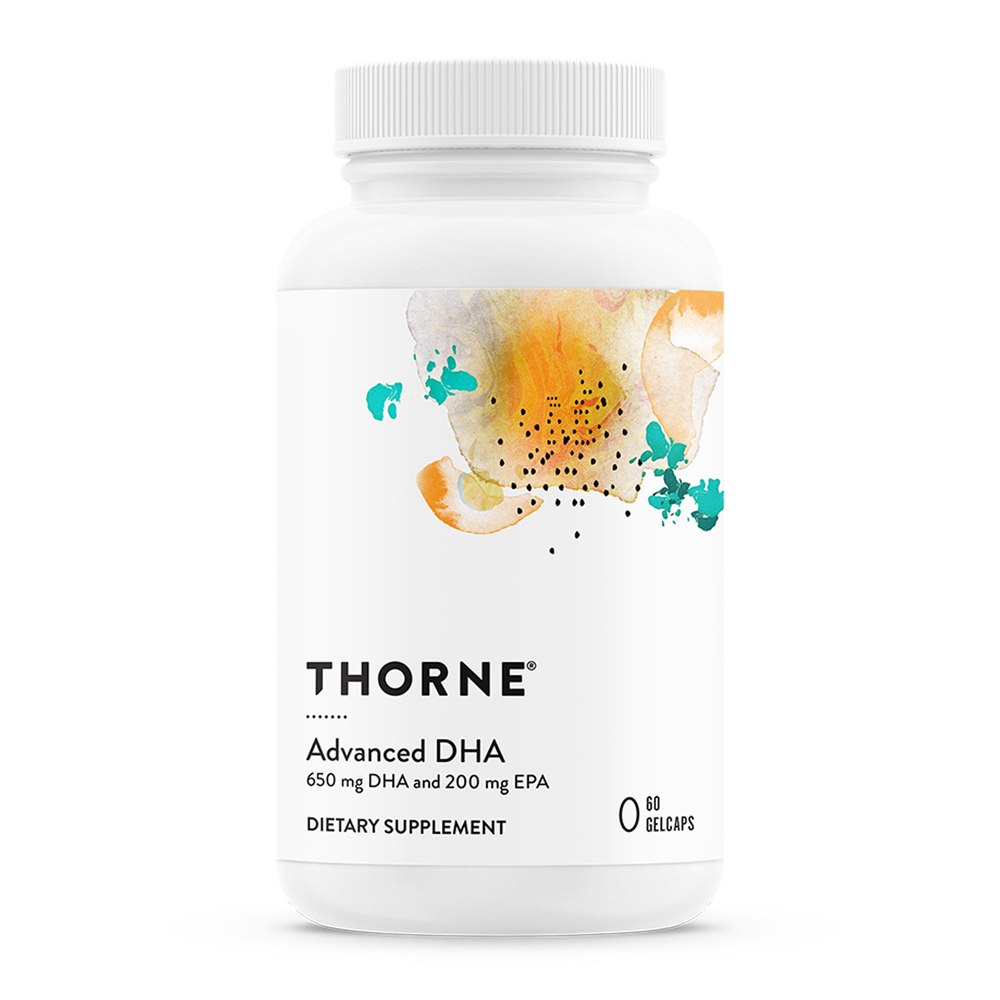
Advanced DHA
Thorne
60 gelcaps
$30.00$27.00 with Subscribe & Save
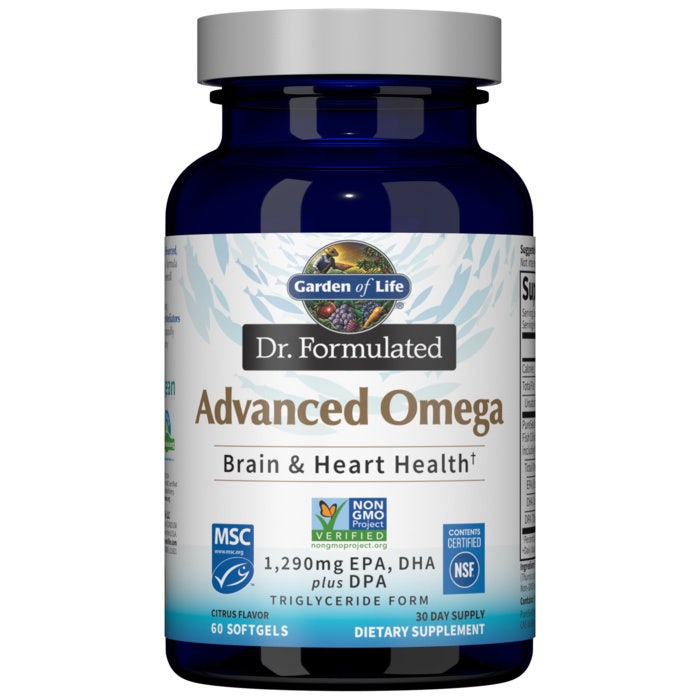
Dr. Formulated Advanced Omega
Garden of Life
60 softgels
$31.99$25.99 with Subscribe & Save
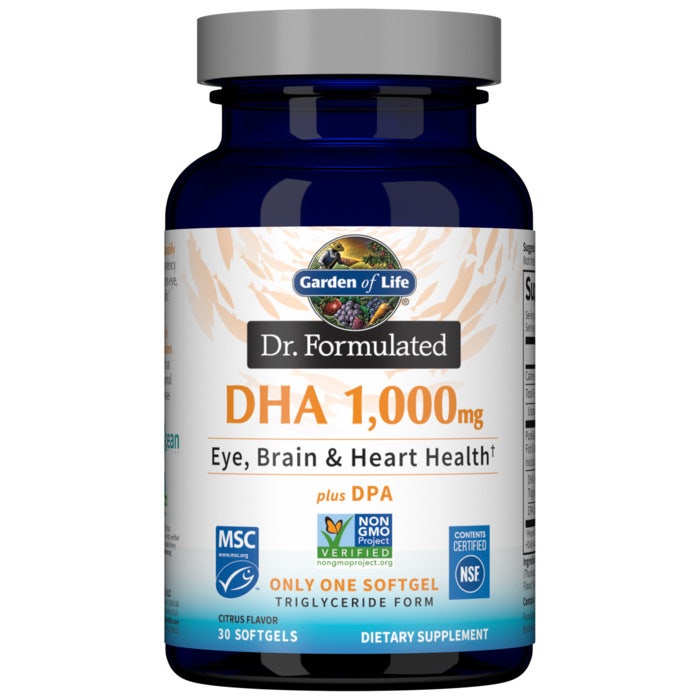
Dr. Formulated DHA 1g
Garden of Life
30 softgels
$31.99$25.99 with Subscribe & Save

Dr. Formulated Prenatal DHA
Garden of Life
30 softgels
$29.99$23.99 with Subscribe & Save