 Instalab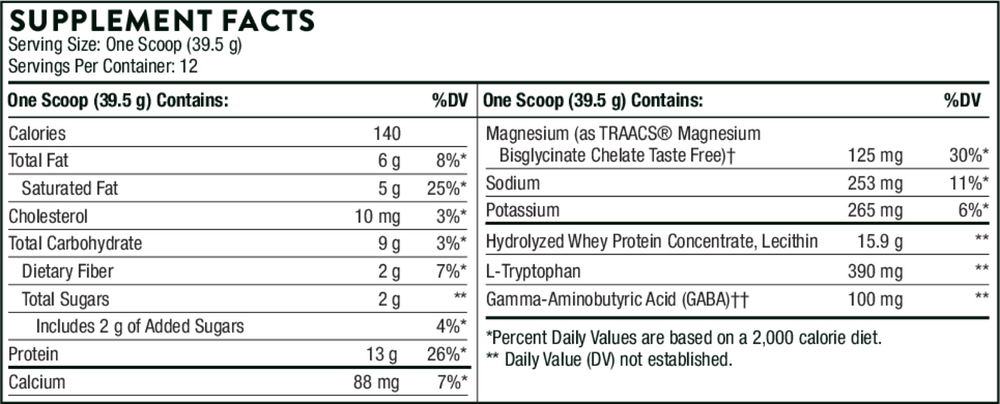

Thorne
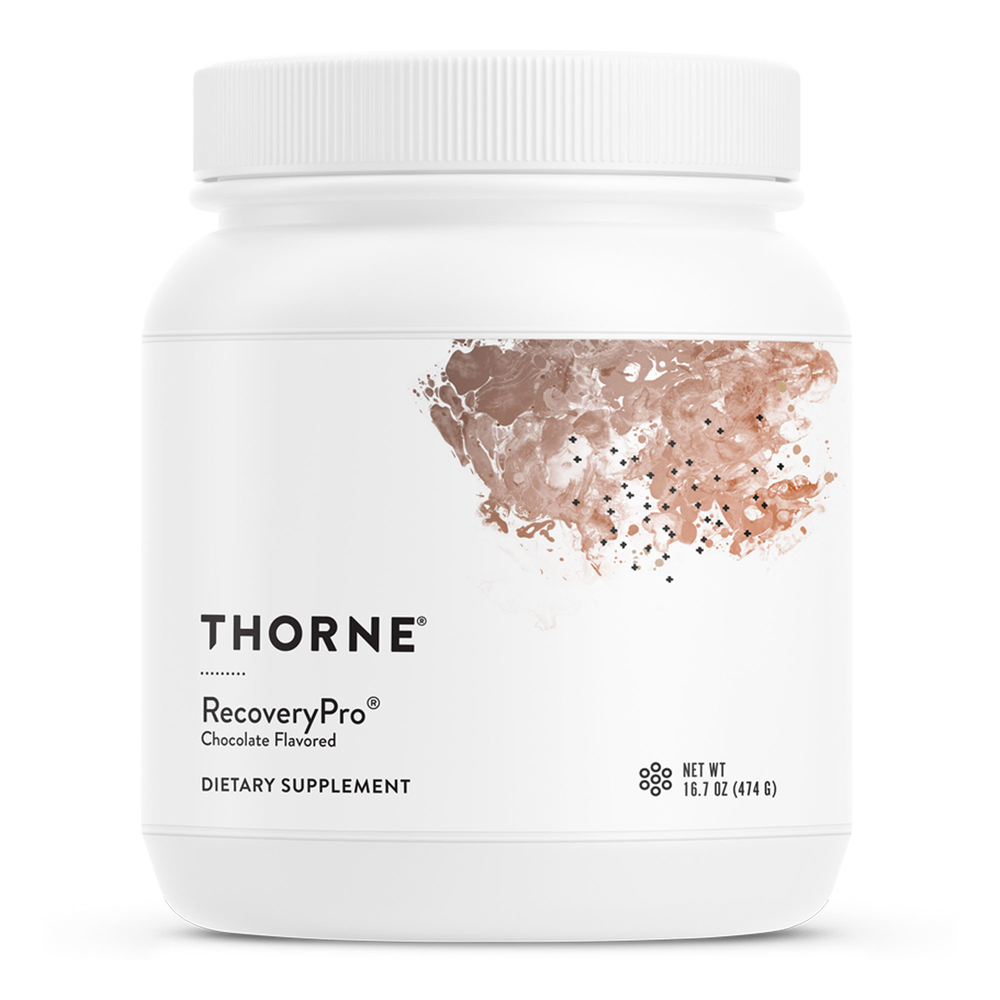
RecoveryPro Chocolate Flavored by Thorne
476 grams · 12-day supply
Delicious Chocolate Protein for Recovery and Relaxation$56.00
Purchase options
Practitioner-grade brand3rd-party testedFree shipping $50+
Gluten Free
Thorne RecoveryPro Chocolate Flavored overview
Evening lifters who lie awake after late workouts are the sweet spot here. This nighttime protein powder suits people aiming to support overnight muscle repair while easing sleep onset. The 16 g of hydrolyzed whey is a maintenance dose for smaller bodies or light training; heavier athletes often need more total daily protein. If your Magnesium, RBC is low or you cramp at night, the magnesium bisglycinate can help. For soreness tracking, watch Creatine Kinase (a muscle breakdown enzyme) and hs-CRP (an inflammation marker) over time.
Hydrolyzed whey protein delivers essential amino acids quickly, with enough leucine to signal muscle protein synthesis overnight. L-tryptophan is the raw material your brain uses to make serotonin and melatonin (the sleep-timing hormone), which can shorten sleep latency in some people. GABA (a calming brain messenger) and magnesium bisglycinate, a gentle, well-absorbed form bound to glycine, nudge the nervous system toward relaxation. Light electrolytes replace sweat losses that can otherwise disrupt sleep with cramps or thirst.
Mix one scoop in hot or cold water 30–60 minutes before bed. Water keeps calories and lactose lower; milk adds extra protein if you need it. If nighttime fluids wake you to urinate, finish it earlier in the evening. Most notice smoother sleep onset within a week, with recovery benefits building over 2–4 weeks. If you’re over ~80 kg or in heavy training, consider adding 10–20 g extra protein elsewhere in your day.
Skip this if you have a true dairy allergy; lactose intolerance varies with whey concentrate. Separate by several hours from thyroid medication or antibiotics like tetracyclines and fluoroquinolones, because calcium and magnesium can reduce their absorption. If you take serotonergic drugs (SSRIs, SNRIs, MAOIs, triptans, or St. John’s wort), be cautious with added tryptophan and review with your clinician. Advanced kidney disease or a protein-restricted plan warrants medical guidance first.
Frequently asked questions
Does taking protein before bed help muscle recovery?
Yes. A pre-sleep dose provides amino acids during the overnight fast, which supports muscle protein synthesis. Most people notice less soreness and better training readiness within 2–4 weeks, assuming total daily protein is adequate.
Casein or whey at night—which is better?
Casein digests slower, while hydrolyzed whey digests faster. If you want steady amino acid release, casein is traditional; if you want quicker uptake plus sleep nutrients (tryptophan, magnesium, GABA), this whey blend is convenient.
Will GABA and tryptophan make me groggy in the morning?
Unlikely at these doses. Most users fall asleep faster without next-day sedation. If you feel groggy, take it earlier in the evening or reduce other sedating agents like alcohol or antihistamines.
Can I take this with my antidepressant?
Use caution. Tryptophan adds to serotonin signaling, which overlaps with SSRIs, SNRIs, MAOIs, and triptans. The dose is modest, but discuss with your prescriber and watch for agitation, sweating, or fast heartbeat.
Is it okay with thyroid medication?
Separate by at least 4 hours. Minerals like calcium and magnesium can reduce absorption of levothyroxine and liothyronine if taken too close together.
Is this suitable if I’m lactose intolerant?
Possibly. Whey concentrate contains some lactose, though hydrolysis can make it easier for some. If you’re highly sensitive, consider a lactose-free isolate or take lactase with it.
How long until the sleep effects show up?
Sleep onset often improves within a few nights. Recovery markers, soreness, and training readiness typically change over 2–4 weeks of consistent use.
Can I mix it with milk instead of water?
Yes. Milk adds more protein and calories, which is helpful if you’re trying to gain or recover from heavy training. If reflux or nighttime urination is an issue, prefer water and finish earlier.
How to take it & ingredients
Suggested use: Mix one scoop (39.5 g) in 8 ounces of either hot or cold water around bedtime.
Active ingredients
1 scoop = 39.5 grams per serving · 12 servings
Hydrolyzed Whey Protein Concentrate, Lecithin
15.9 g
L-Tryptophan
390 mg
Gamma-Aminobutyric Acid (GABA)
100 mg
Magnesium
Bisglycinate
Bisglycinate
125 mg
Potassium
265 mg
Sodium
253 mg
Calcium
88 mg
Other ingredients: Alkalized Cocoa Powder, Cane Juice Sugar, Chocolate Flavor, Creamer, Guar Gum, Monk Fruit, Rice Fiber, Sea Salt, Tapioca Maltodextrin, Xanthan
Certifications
Benefits
Warnings
Customers also considered
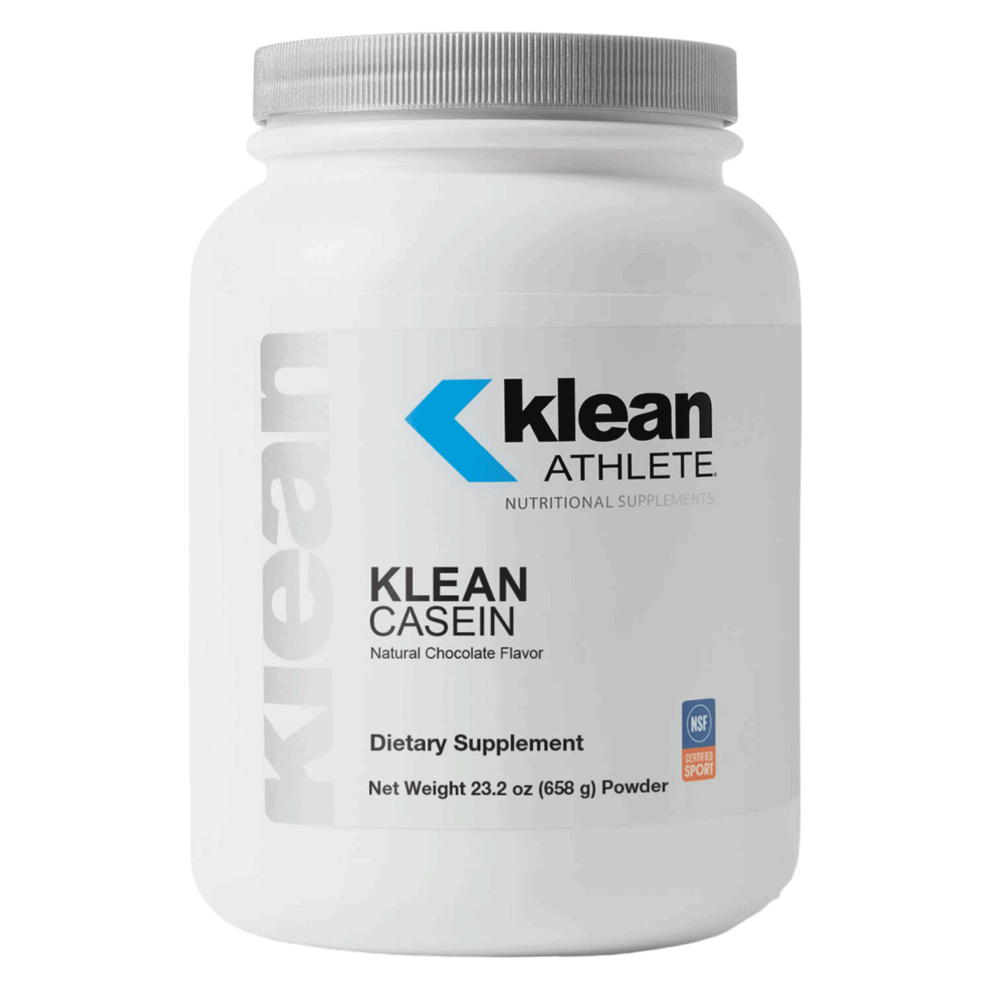
Casein Natural Chocolate
Klean Athlete
658 grams
$68.50$54.99 with Subscribe & Save
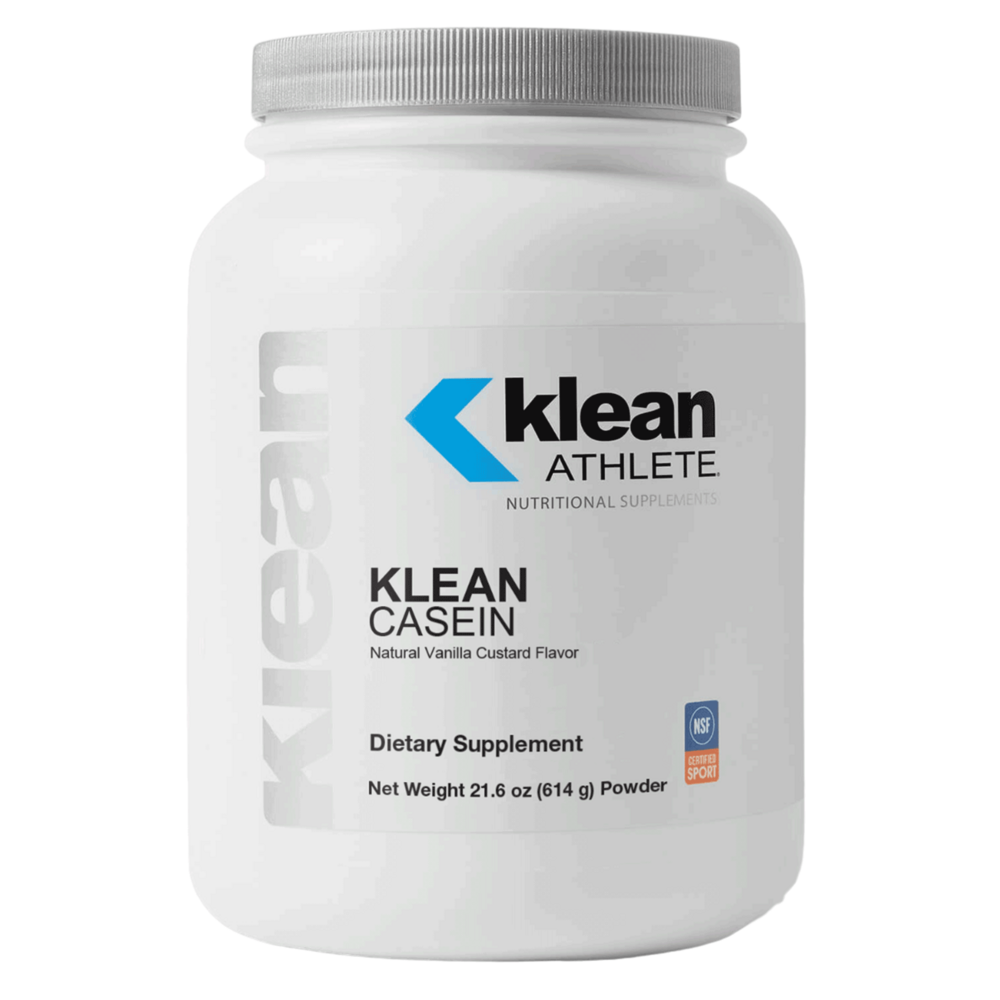
Casein Natural Vanilla Custard Flavor
Klean Athlete
614 grams
$68.50$54.99 with Subscribe & Save
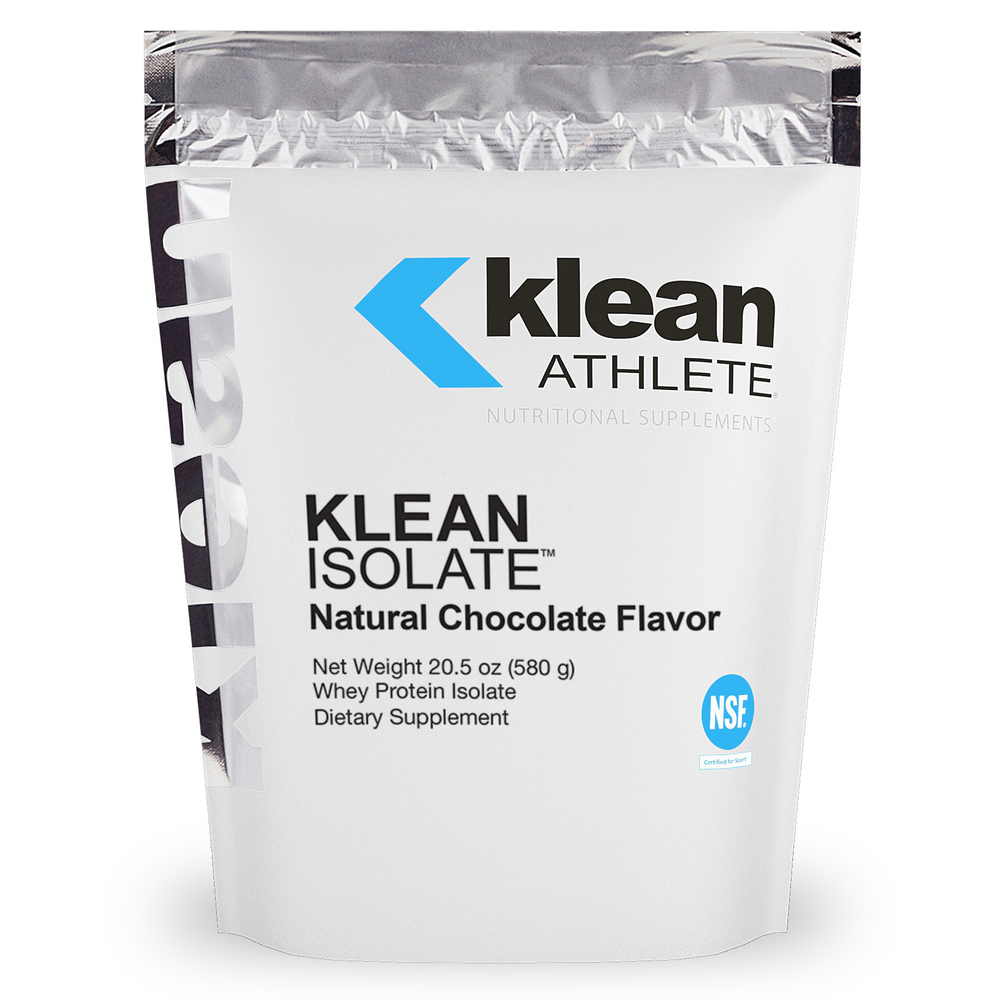
Klean Isolate Natural Chocolate
Klean Athlete
580 grams
$64.50$51.99 with Subscribe & Save
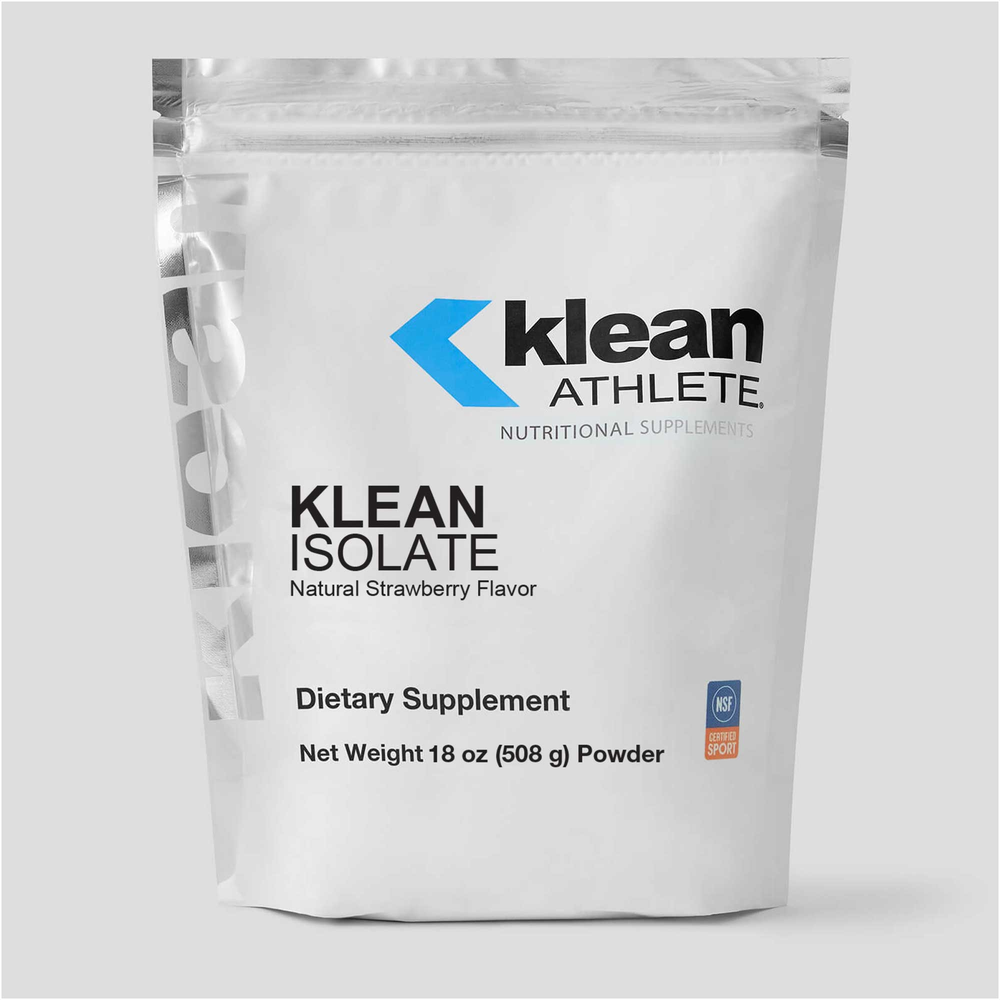
Klean Isolate Natural Strawberry
Klean Athlete
508 grams
$64.50$51.99 with Subscribe & Save