 Instalab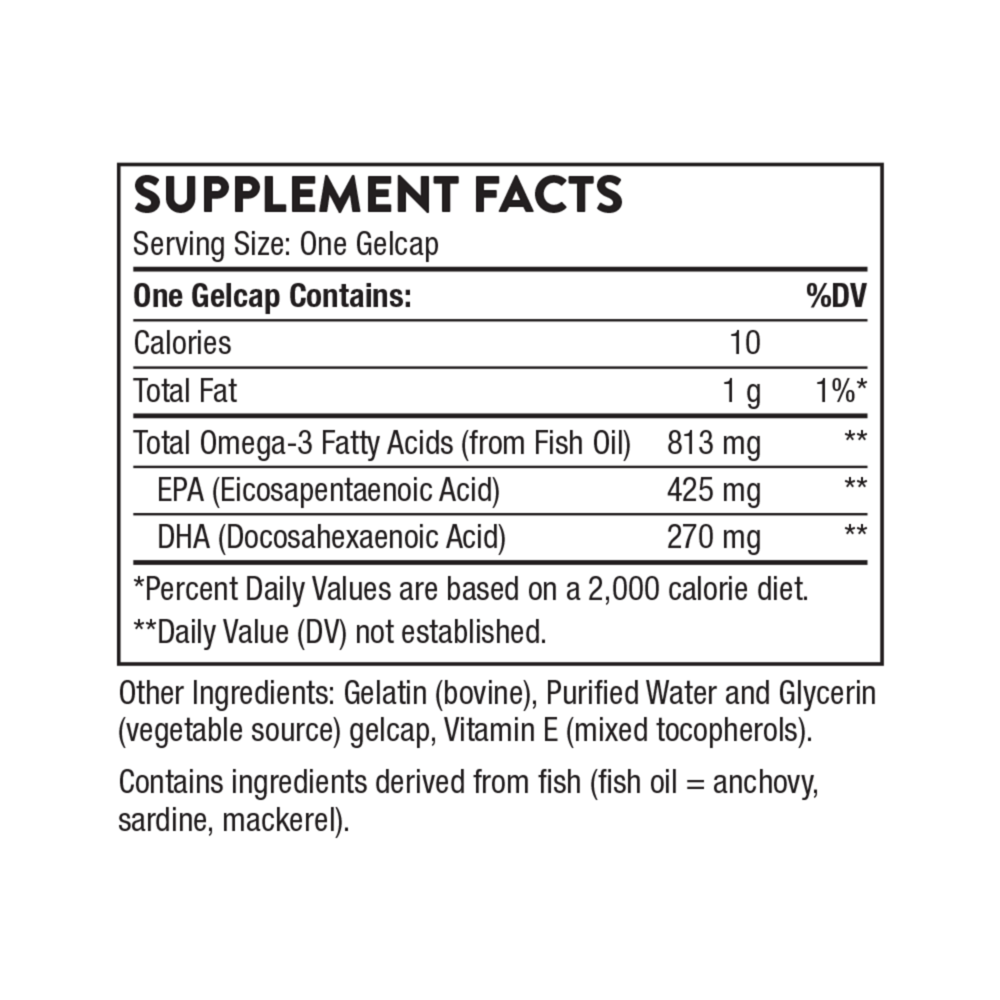



Thorne
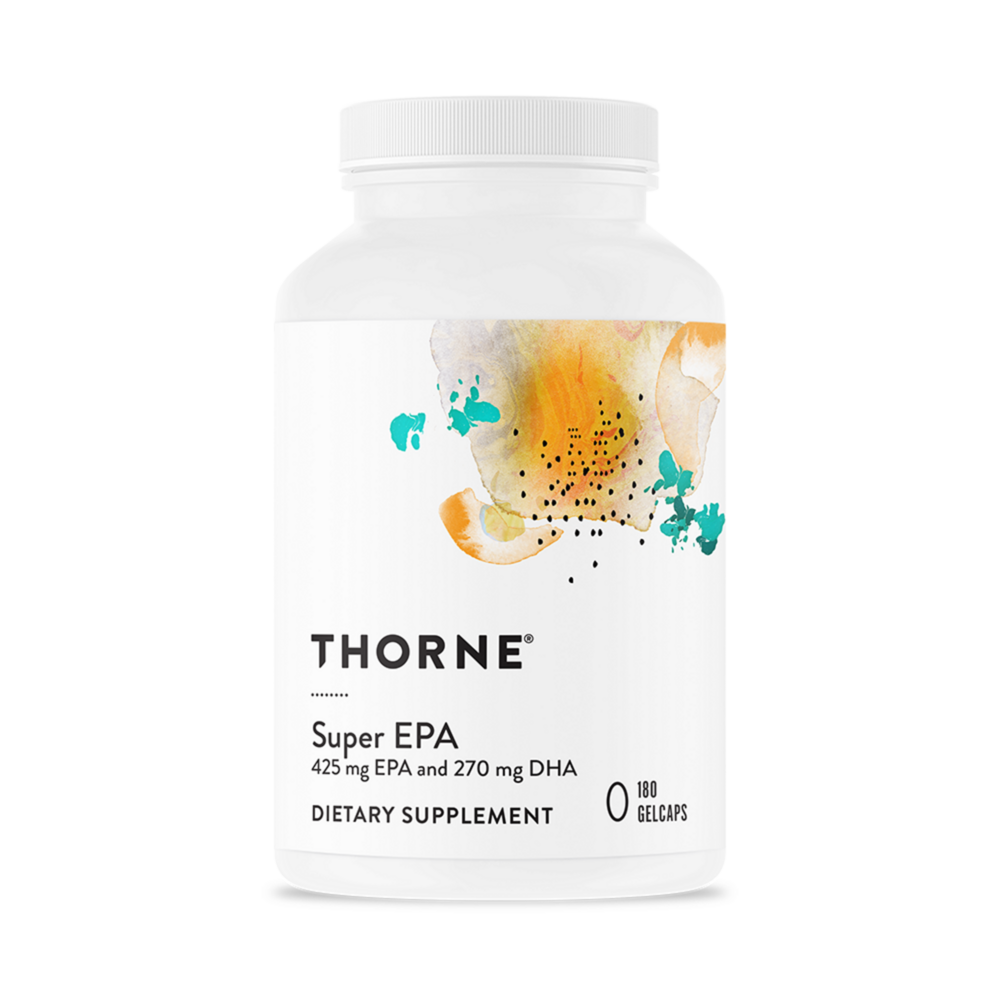
Super EPA 813 mg by Thorne
180 gelcaps · 180-day supply
Premium Fish Oil for Heart, Brain, and Joint Health$80.00
Purchase options
Practitioner-grade brand3rd-party testedFree shipping $50+
Gluten Free·Soy Free·Dairy Free·Milk Free
Thorne Super EPA overview
If you’re shopping for fish oil for high triglycerides, this is a practical daily dose. It fits adults with elevated Triglycerides, a low Omega-3 Index, or low seafood intake. Two to three gelcaps daily delivers roughly 1.6–2.4 grams of EPA+DHA, the range most clinicians use for triglyceride reduction within 4 to 12 weeks. It’s also a steady maintenance option for joint discomfort or if hs-CRP (an inflammation marker) runs high, though effects on pain and inflammation are modest.
EPA and DHA reduce how much fat your liver packages into VLDL particles (the carriers that show up on a lipid panel as triglycerides), and they nudge cells to burn fatty acids for energy more quickly. They also displace arachidonic acid (an omega-6 fat used to make signaling molecules) in cell membranes, shifting eicosanoids (those signaling molecules) toward a less inflammatory profile. In practice, responders see triglycerides drop 20–30% in 4–12 weeks and small reductions in hs-CRP.
Take one gelcap two to three times daily with meals, ideally with your largest meal that contains fat to improve absorption and reduce fishy burps. Splitting the dose keeps levels steadier and is easier on the stomach. Re-test Triglycerides and your Omega-3 Index after 8–12 weeks. If you need more than 2 grams EPA+DHA daily, you’ll either take several capsules or consider a more concentrated omega-3.
Fish oil has a mild blood-thinning effect. If you take warfarin or a direct oral anticoagulant (like apixaban or rivaroxaban), or high-dose aspirin or clopidogrel, involve your clinician and monitor for bruising or bleeding. It can lower blood pressure slightly, so monitor if you’re on antihypertensives. Skip if you have a fish allergy. For planned surgery, many surgeons ask patients to pause high-dose omega-3 a week prior.
Frequently asked questions
Does fish oil really lower triglycerides?
Yes. EPA+DHA typically lower triglycerides 20–30% in responders when taken consistently for 4–12 weeks at 1.6–2.4 grams per day. Recheck a lipid panel to confirm.
How long does fish oil take to work?
Expect measurable changes in 4–12 weeks. Triglycerides respond first, while the Omega-3 Index and hs-CRP usually take a few months of steady dosing.
Should I take fish oil with food or at night?
Take it with a meal that contains fat; absorption is better and fishy burps are less likely. Morning or evening is fine—consistency matters most.
What’s the difference between EPA and DHA?
EPA is the main driver of triglyceride lowering and inflammation modulation. DHA contributes to brain and eye cell membranes. Balanced formulas cover both.
Does fish oil thin your blood?
It has a mild antiplatelet effect. Most people tolerate it well, but if you’re on warfarin, apixaban, rivaroxaban, aspirin, or clopidogrel, coordinate with your clinician.
Will I get fishy burps or reflux?
Sometimes. Taking capsules with meals, splitting the dose, and storing them cool helps. If it persists, try enteric-coated or more concentrated capsules.
Is fish oil safe in pregnancy or breastfeeding?
Yes when purified and free of vitamin A. DHA is especially useful. Use standard doses and confirm the product contains only EPA+DHA, not added retinol.
Should I worry about mercury in fish oil?
High-quality fish oils are purified to remove heavy metals. Look for brands that use molecular distillation and provide third-party purity testing.
How to take it & ingredients
Suggested use: Take 1 gelcap two to three times daily or as recommended by your health professional.
Active ingredients
1 gelcap per serving · 180 servings
▼
Total Omega-3 Fatty Acids
Fish Oil
Fish Oil
813 mg
Eicosapentaenoic Acid
425 mg
Docosahexaenoic Acid
270 mg
Other ingredients: Gelatin (bovine), Purified Water, Glycerin (vegetable source), Vitamin E (mixed tocopherols)
Certifications
Benefits
Warnings
Customers also considered
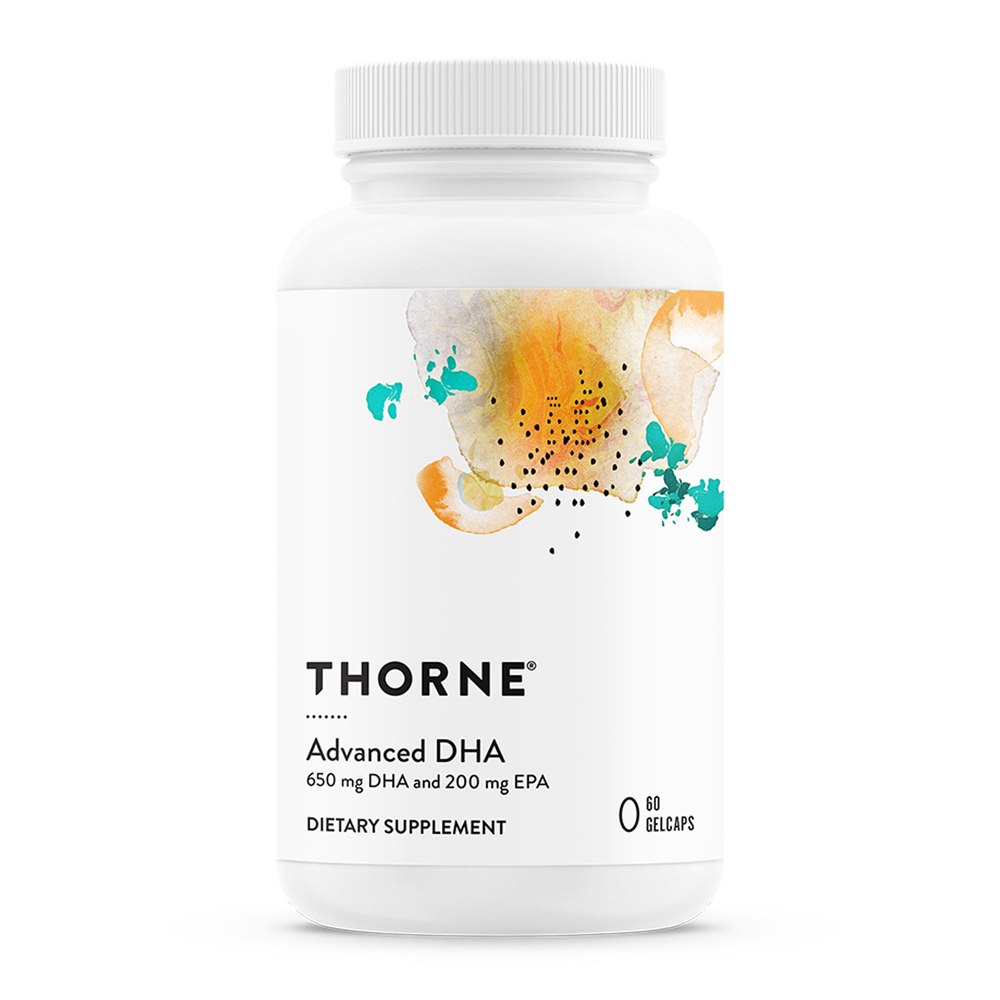
Advanced DHA
Thorne
60 gelcaps
$30.00$27.00 with Subscribe & Save
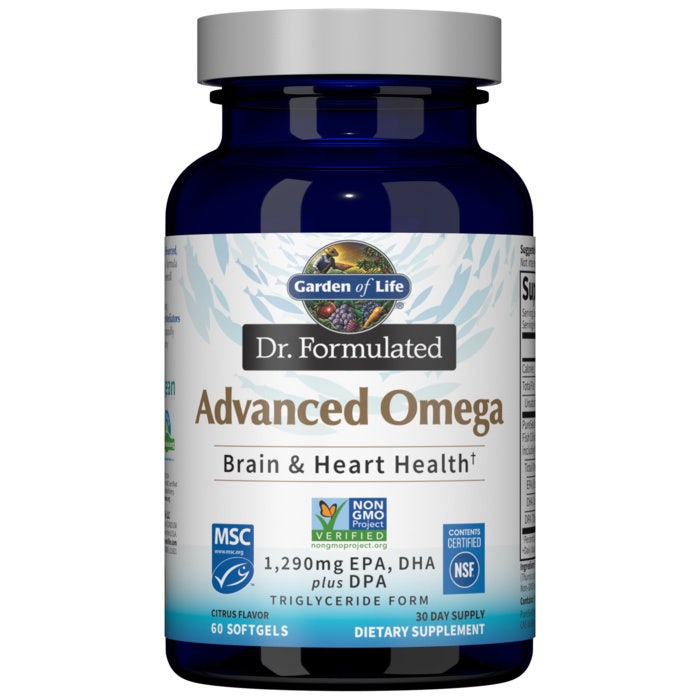
Dr. Formulated Advanced Omega
Garden of Life
60 softgels
$31.99$25.99 with Subscribe & Save
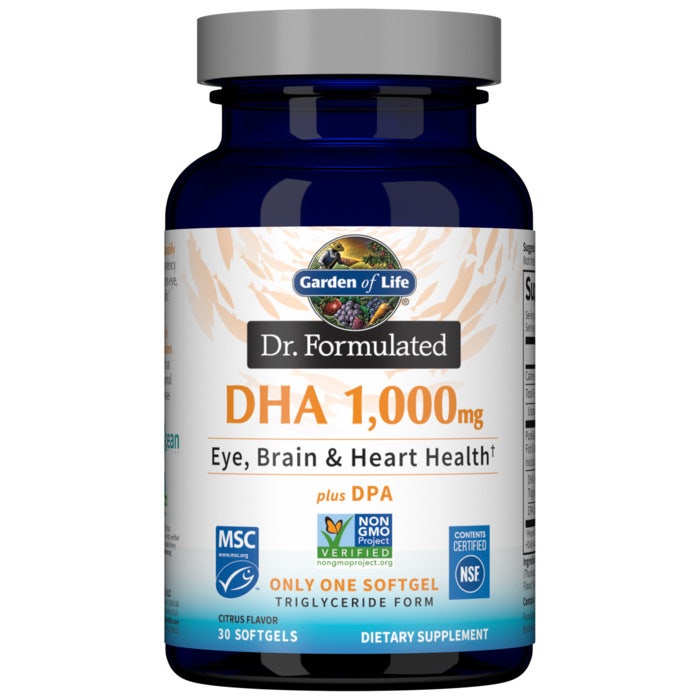
Dr. Formulated DHA 1g
Garden of Life
30 softgels
$31.99$25.99 with Subscribe & Save

Dr. Formulated Prenatal DHA
Garden of Life
30 softgels
$29.99$23.99 with Subscribe & Save