 Instalab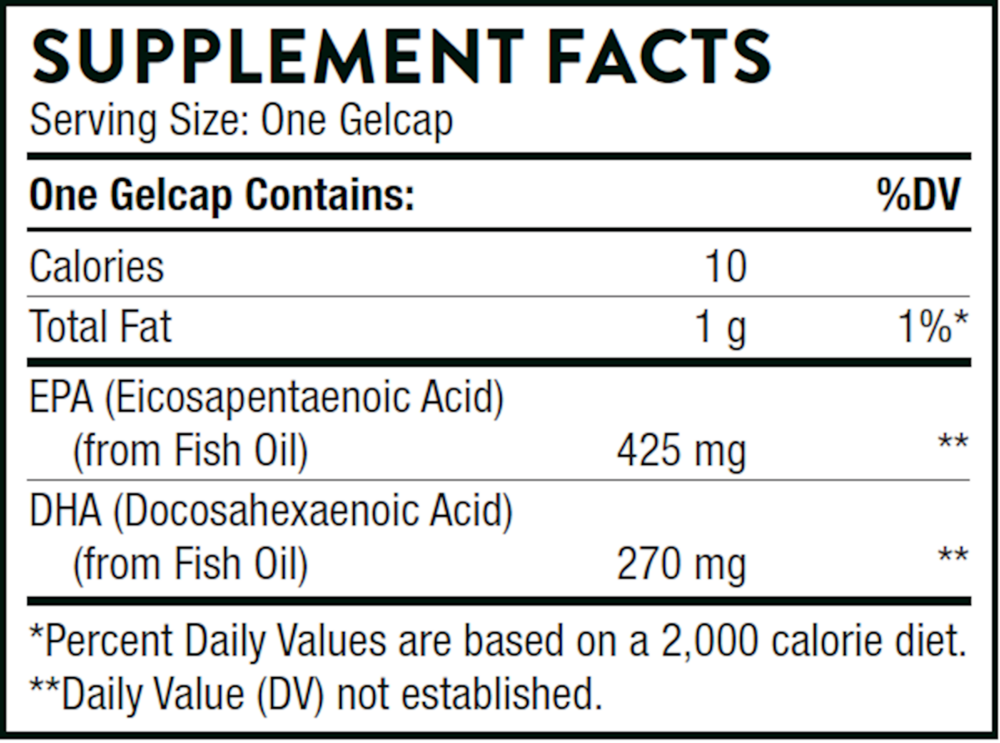



Thorne
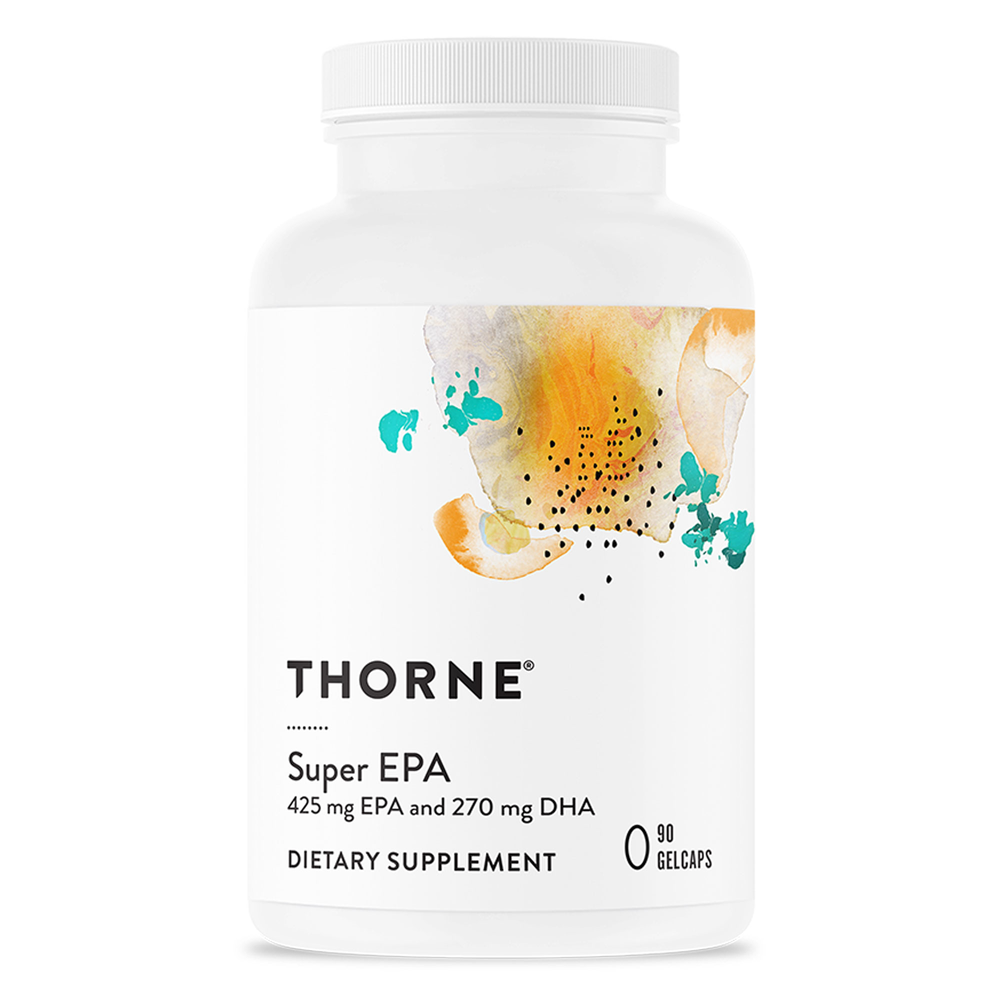
Super EPA 695 mg by Thorne
90 gelcaps · 90-day supply
Premium Omega-3 Support for Heart and Brain Health$41.00
Purchase options
Practitioner-grade brand3rd-party testedFree shipping $50+
Gluten Free·Soy Free·Dairy Free·Milk Free
Thorne Super EPA overview
If you’re hunting for the best fish oil for high triglycerides, this is the strength most clinicians actually use. Each softgel delivers 425 mg EPA + 270 mg DHA, a practical dose for adults with elevated Triglycerides, a low Omega-3 Index, or little seafood intake. Take two to three daily if triglycerides are your target; one daily suits maintenance when your Omega-3 Index is already in a good place.
EPA and DHA reduce how much fat your liver exports in VLDL particles (the carriers that show up on a lipid panel as triglycerides), and they nudge cells to burn fatty acids for energy faster. Most responders see triglycerides drop 20–30% within 4 to 12 weeks. They also shift membrane signaling away from arachidonic-acid–derived eicosanoids (short‑lived inflammation messengers) toward resolvins, which explains modest hs-CRP (a systemic inflammation marker) reductions in some people.
The suggested use is one gelcap two to three times daily with meals. Food, especially a meal with some fat, improves absorption and cuts down fishy burps. For triglyceride reduction, 2–3 gelcaps per day (1.4–2.1 g EPA+DHA) is the typical clinical range; one gelcap daily is a maintenance dose. Re-check your Omega-3 Index and Triglycerides in 8–12 weeks to confirm you’re at target.
If you have a fish allergy, skip fish oil. Talk to your clinician before using higher doses with warfarin or direct oral anticoagulants (blood thinners), or within a week of surgery, because fish oil can increase bleeding tendency. If you’ve had atrial fibrillation (an irregular heartbeat), use cautiously, as very high omega-3 doses have signaled a small increase in episodes in some trials.
Frequently asked questions
How long does fish oil take to lower triglycerides?
Most people who respond see changes within 4–12 weeks. Take it daily with meals, and recheck a lipid panel and Omega-3 Index after about 8–12 weeks to confirm the effect.
What dose of EPA and DHA lowers triglycerides?
Clinically, about 1.5–2 g per day of combined EPA+DHA is commonly used. Two to three of these gelcaps daily land in that range. One daily is more of a maintenance dose.
Does fish oil thin your blood?
Fish oil has a mild anti-platelet effect, which can increase bleeding tendency at higher doses. If you’re on warfarin or other blood thinners, talk with your clinician first.
Should I take fish oil with food or on an empty stomach?
Take it with meals, ideally with some fat. This improves absorption and reduces fishy aftertaste or burps compared with taking it on an empty stomach.
Can fish oil help with inflammation?
EPA and DHA shift cell signaling toward compounds that resolve inflammation. Some people see small drops in hs-CRP. Effects are modest compared with prescription anti-inflammatories.
Is this fish oil good for brain health too?
Yes, DHA is a structural fat in brain membranes. While it’s not a cognitive enhancer on its own, keeping your Omega-3 Index in a healthy range supports long-term brain health.
Can vegans use fish oil?
No. Vegans should use an algae-based omega-3 that provides preformed EPA and DHA. ALA from flax or chia converts poorly and usually won’t raise the Omega-3 Index enough.
How to take it & ingredients
Suggested use: Take 1 gelcap two to three times daily or as recommended by your health professional.
Active ingredients
1 gelcap per serving · 90 servings
▼
Total Omega-3 Fatty Acids
From Fish Oil
From Fish Oil
695 mg
Eicosapentaenoic Acid (EPA)
425 mg
Docosahexaenoic Acid (DHA)
270 mg
Other ingredients: Gelatin (Bovine), Purified water, Glycerin (vegetable source), Mixed tocopherols
Certifications
Benefits
Warnings
Customers also considered
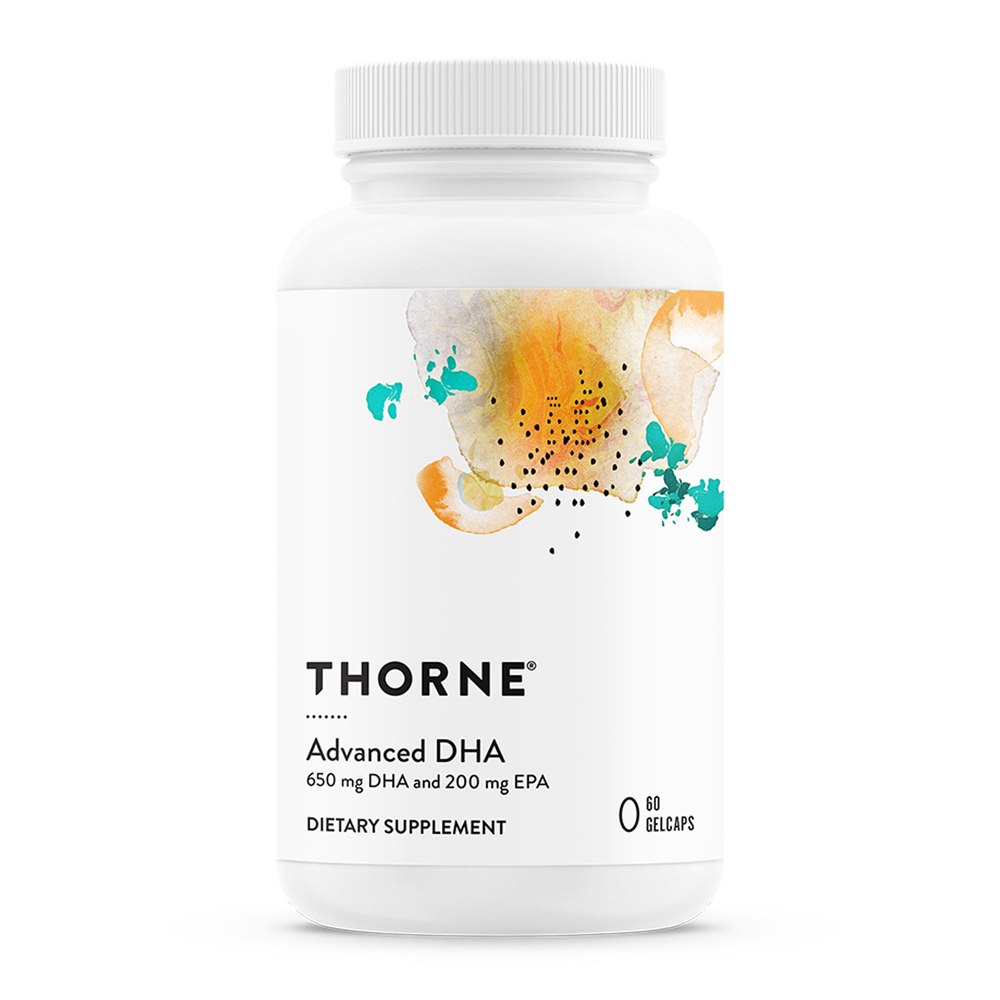
Advanced DHA
Thorne
60 gelcaps
$30.00$27.00 with Subscribe & Save
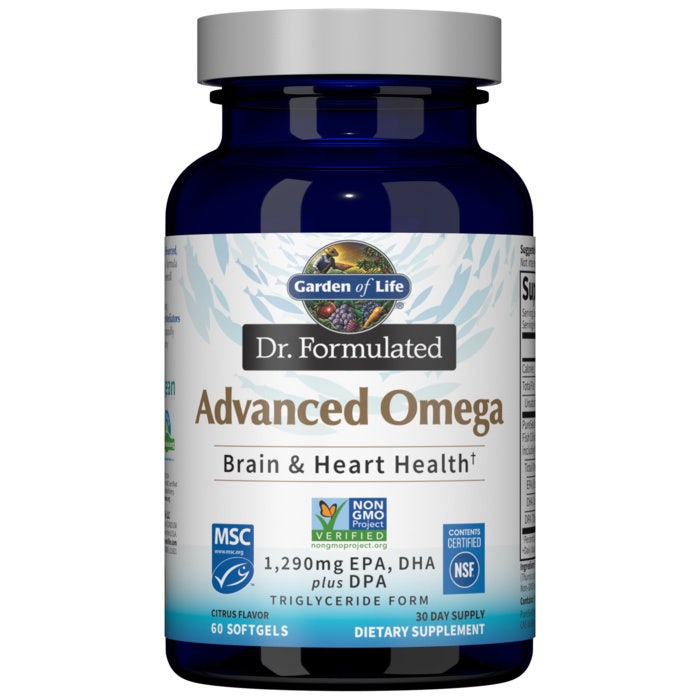
Dr. Formulated Advanced Omega
Garden of Life
60 softgels
$31.99$25.99 with Subscribe & Save
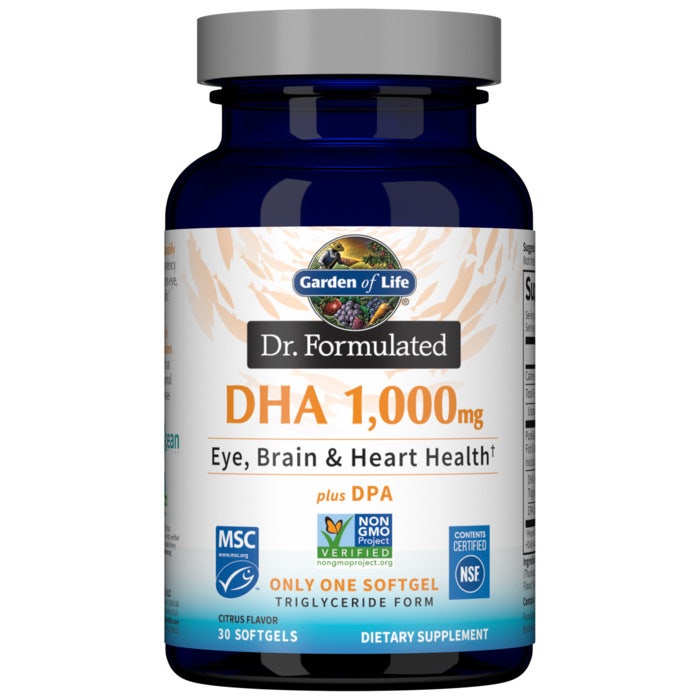
Dr. Formulated DHA 1g
Garden of Life
30 softgels
$31.99$25.99 with Subscribe & Save

Dr. Formulated Prenatal DHA
Garden of Life
30 softgels
$29.99$23.99 with Subscribe & Save