 Instalab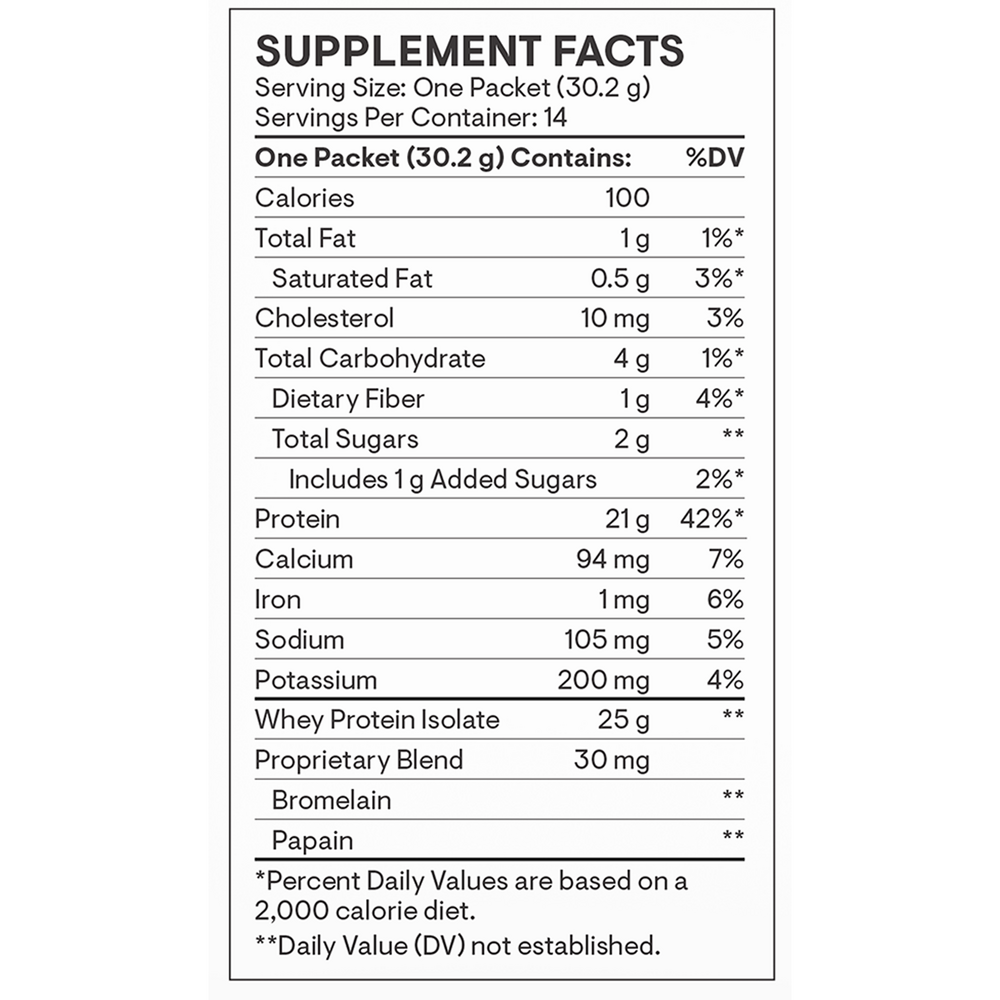
Thorne
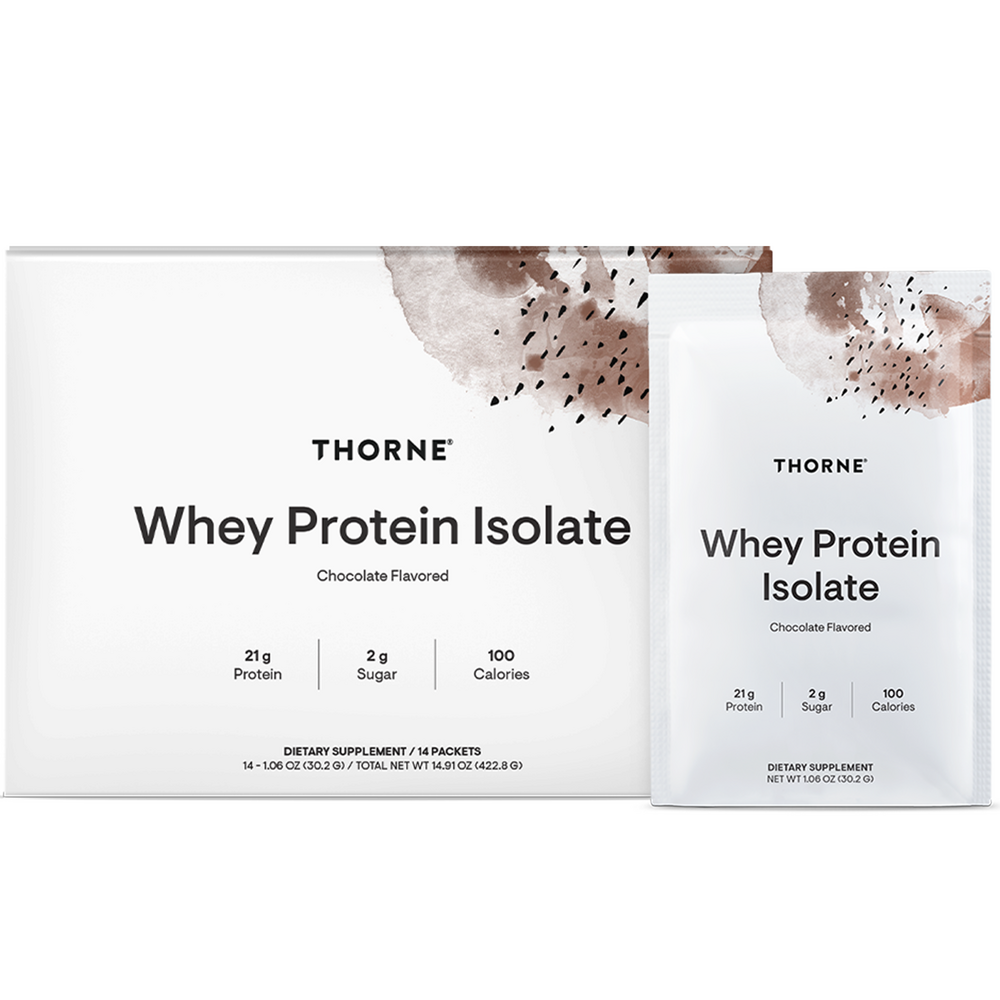
Whey Protein Isolate Chocolate Flavored by Thorne
14 packets · 14-day supply
Delicious Chocolate Protein for Muscle Support and Recovery$48.00
Purchase options
Practitioner-grade brand3rd-party testedFree shipping $50+
Gluten Free·Soy Free·Dairy Free
Thorne Whey Protein Isolate Chocolate Flavored overview
If you lift, run intervals, or do CrossFit and struggle to hit 25–35 g of protein per meal, whey protein isolate is a clean way to close the gap. It’s also useful for adults over 40 focused on preserving lean muscle during fat loss, and for people who want dairy protein with minimal lactose. Compared to whey concentrate, isolate brings more protein with fewer carbs and fats, which helps if you’re calorie-tracking.
Whey is rich in leucine, the amino acid that flips on mTOR (the cell’s switch for building new muscle). Hitting the leucine “trigger” drives muscle protein synthesis for hours after training. Whey typically provides about 10–12% leucine by weight, so 21 g of protein delivers roughly 2–2.5 g—enough for most adults to stimulate repair and growth. It’s rapidly digested, so amino acids show up in the blood quickly when you take it after workouts.
Mix one packet in 8–12 ounces of water or milk and drink within 1–2 hours after training. On rest days, use it to bring meals up to 25–35 g of protein. If breakfast is light, add a shake there. Active adults typically do best at 1.2–1.6 g of protein per kilogram of body weight daily, with older adults toward the higher end. Combine with carbs post‑workout if fast glycogen refueling matters to you.
Avoid if you have a true milk protein allergy. Whey isolate is low in lactose, but not zero—severe lactose intolerance still warrants caution. If you have chronic kidney disease or a history of kidney stones, discuss total protein targets with your clinician first. Separate from levodopa by several hours because dietary protein can interfere with its absorption. If whey predictably worsens your acne, choose a non‑dairy protein instead.
Frequently asked questions
Is whey protein isolate lactose‑free?
It’s very low in lactose but not zero. Most people with lactose intolerance tolerate isolate, especially with water. If you’re highly sensitive, start with a half serving or choose a dairy‑free protein like pea or rice.
When should I take whey protein for best results?
Post‑workout within 1–2 hours is convenient and effective. On non‑training days, timing matters less—use it to bring meals to 25–35 g of protein so you hit your daily protein target.
How many servings of whey protein isolate should I use per day?
Use the number of servings needed to reach your daily protein goal after food. Many active adults need one serving per day; two can make sense if meals are consistently low in protein.
Does whey protein isolate spike insulin or blood sugar?
Whey increases insulin briefly, which helps drive amino acids into muscle. It doesn’t raise blood glucose meaningfully when taken without added sugars. People on insulin or diabetes meds should account for this around workouts.
Is whey protein bad for kidneys?
In healthy adults, higher protein intakes are safe. If you have chronic kidney disease or reduced kidney function, protein targets should be individualized with your nephrologist before using whey.
Can whey protein cause acne?
Some people notice breakouts with whey, likely from hormonal signaling tied to dairy proteins. If you’ve seen a consistent pattern, switch to a non‑dairy protein and reassess over 4–6 weeks.
What’s the difference between whey isolate and concentrate?
Isolate is filtered to remove more lactose, carbs, and fat, giving a higher percentage of protein per serving. Concentrate is less processed, usually cheaper, and has more lactose and milk fats.
How long does whey protein isolate take to work?
Amino acids appear in the blood within 30–60 minutes. Visible changes in muscle and performance usually show up after 4–8 weeks of consistent training, total protein intake, and sleep.
How to take it & ingredients
Suggested use: Mix 1 packet with at least 8 ounces of water, juice, or preferred beverage daily or as recommended by your health-care practitioner.
Active ingredients
1 packet per serving · 14 servings
Protein
21 g
Whey Protein Isolate
25 g
▼
Proprietary Blend
30 mg
Bromelain
-
Papain
-
Calcium
94 mg
Iron
1 mg
Potassium
200 mg
Sodium
105 mg
Other ingredients: Alkalized Cocoa Powder, Chocolate Flavor, Evaporated Cane Juice Sugar, Rebaudioside A (from stevia), Xanthan Gum, Carboxymethylcellulose Gum
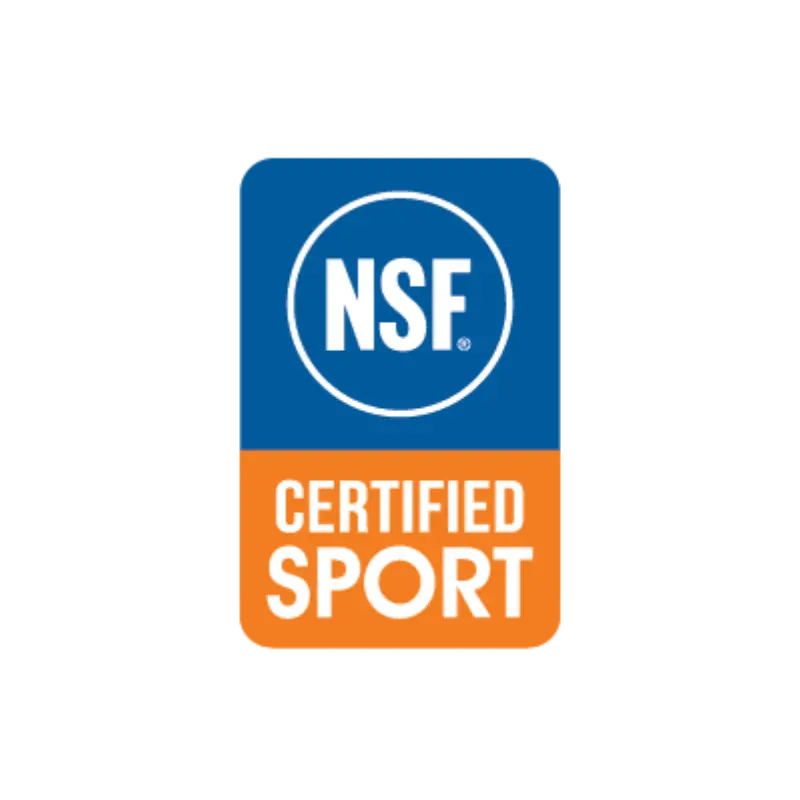
Certifications
Benefits
Warnings
Customers also considered
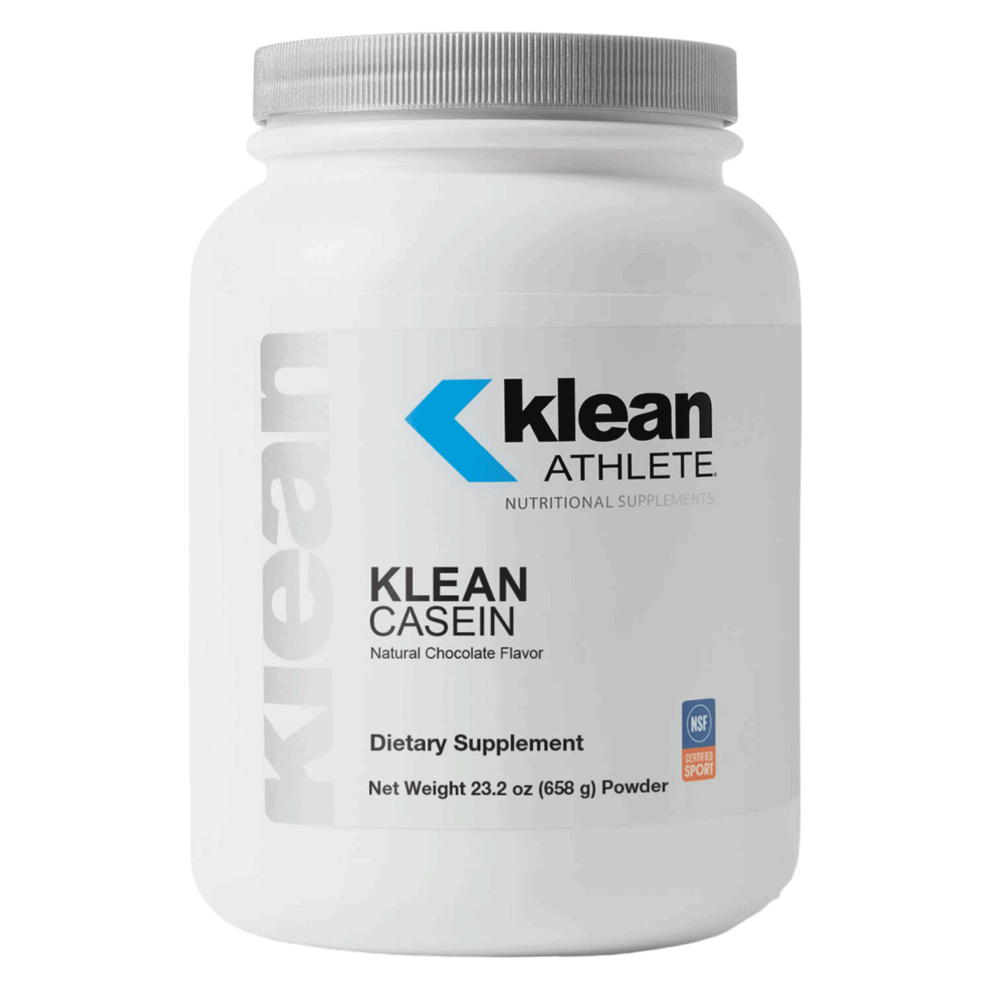
Casein Natural Chocolate
Klean Athlete
658 grams
$68.50$54.99 with Subscribe & Save
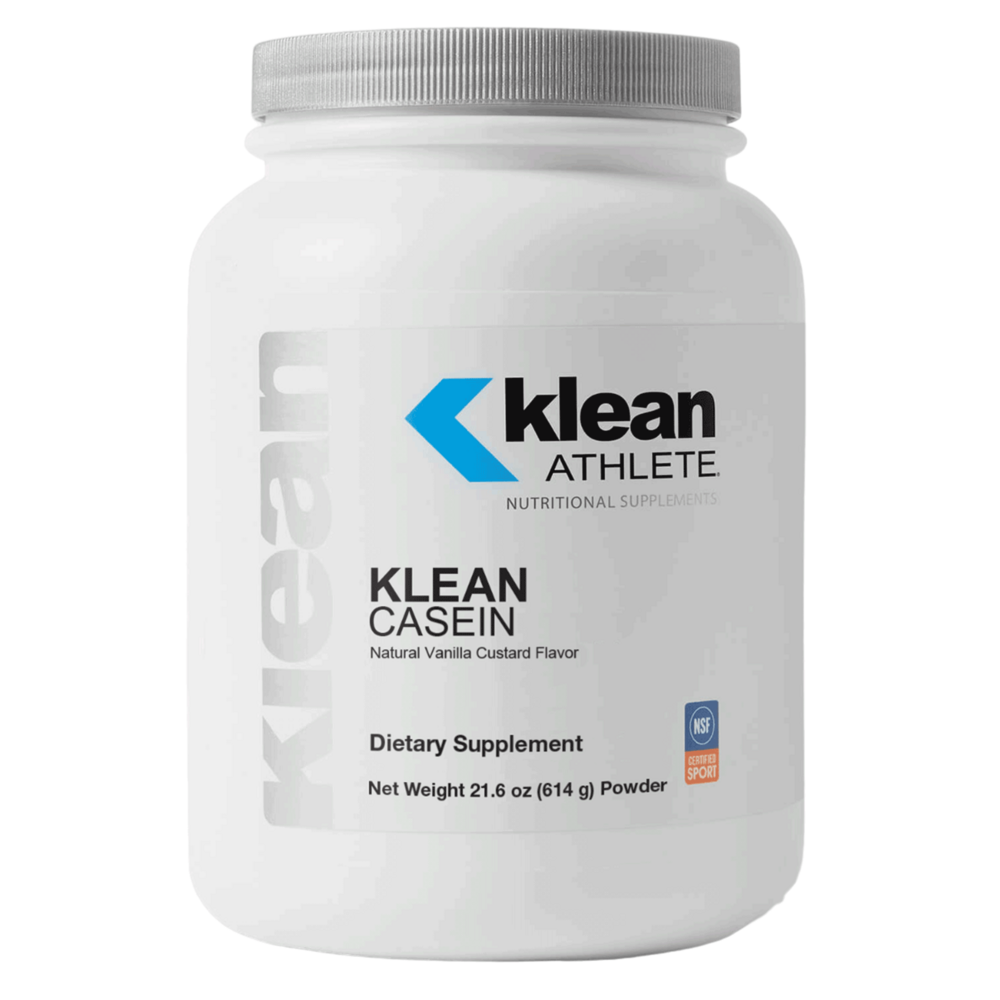
Casein Natural Vanilla Custard Flavor
Klean Athlete
614 grams
$68.50$54.99 with Subscribe & Save
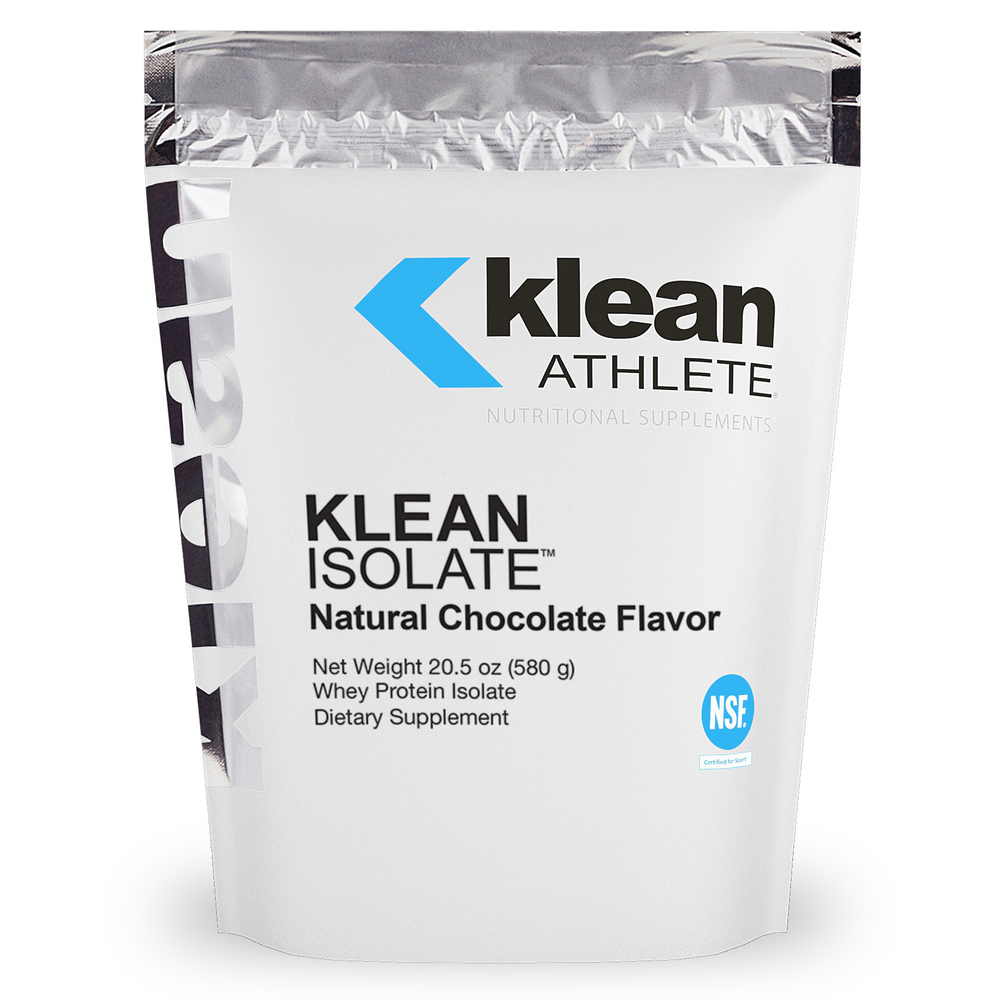
Klean Isolate Natural Chocolate
Klean Athlete
580 grams
$64.50$51.99 with Subscribe & Save
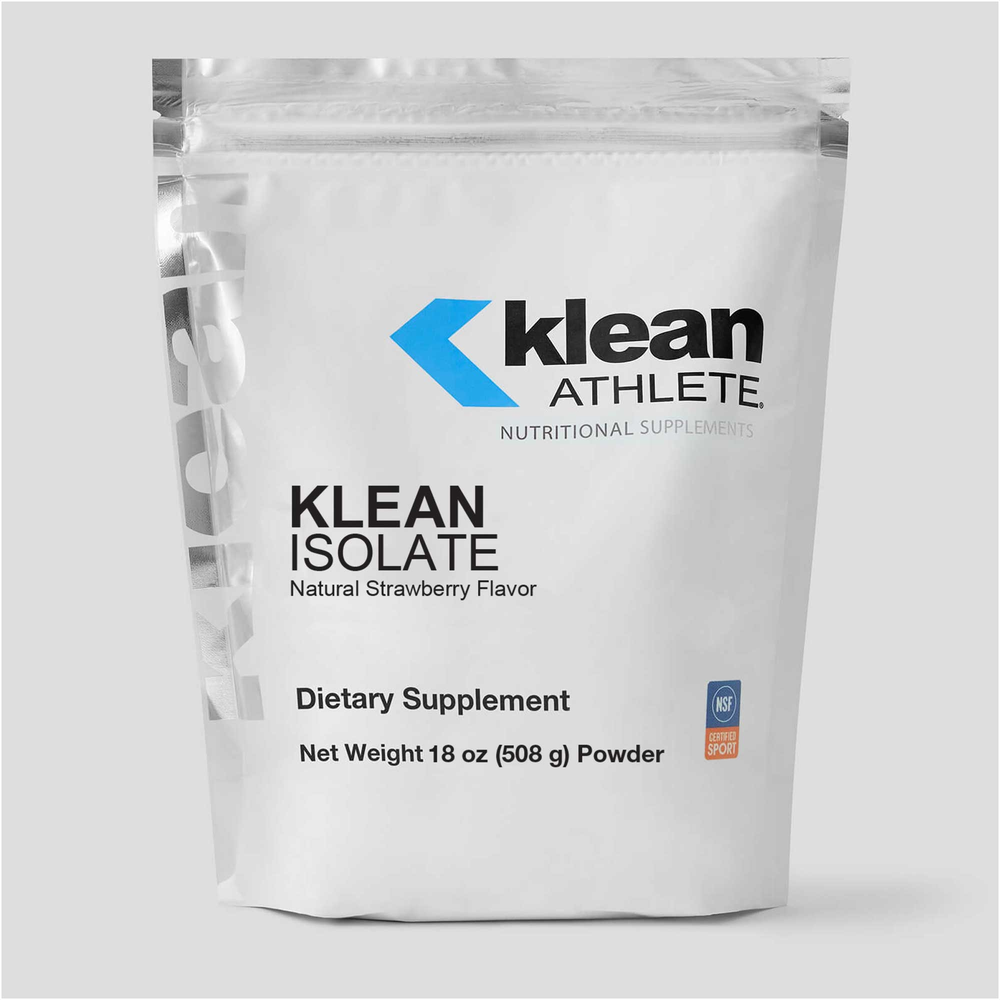
Klean Isolate Natural Strawberry
Klean Athlete
508 grams
$64.50$51.99 with Subscribe & Save