 Instalab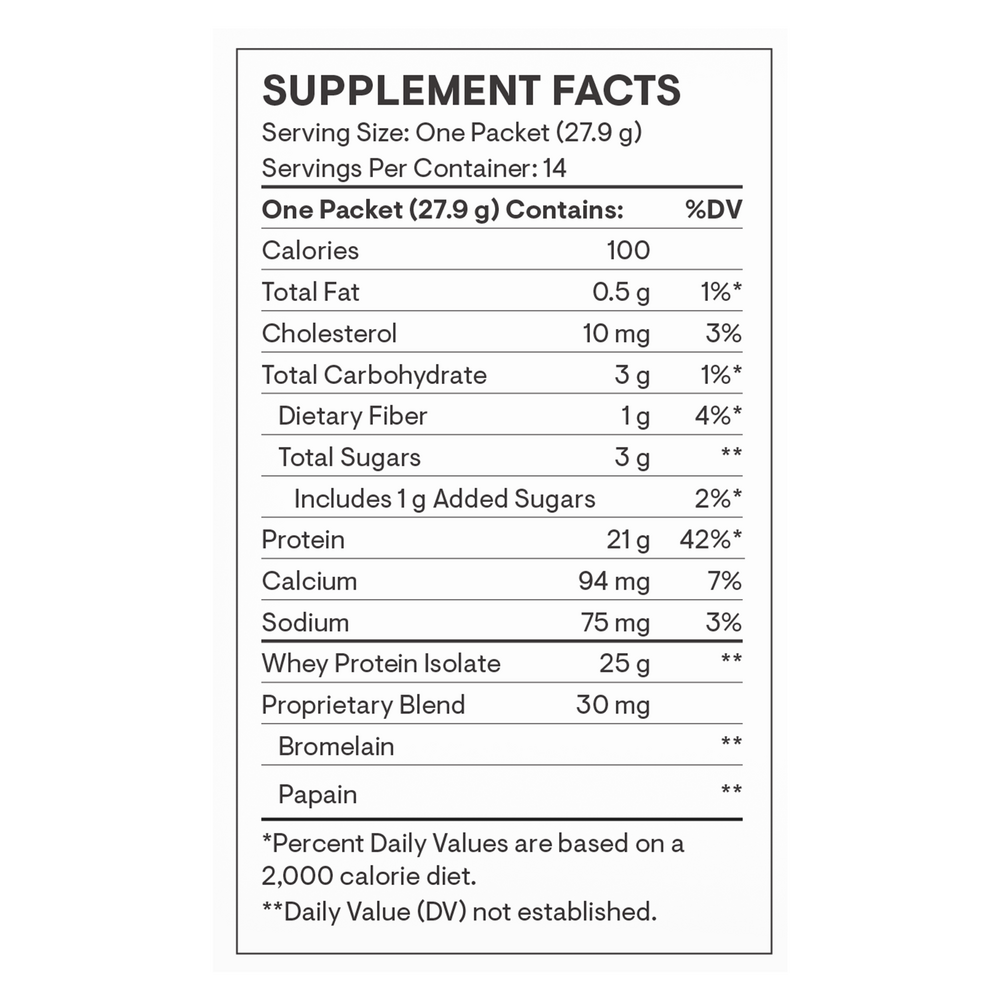
Thorne
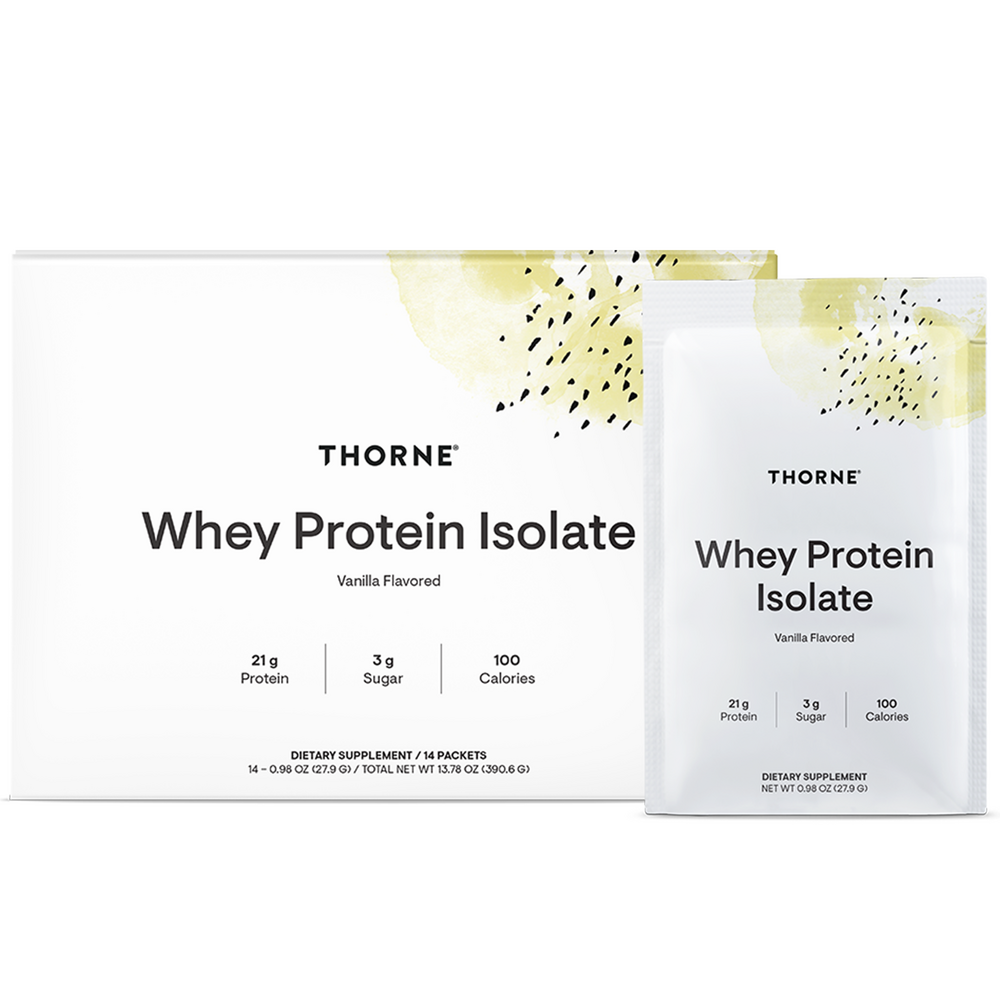
Whey Protein Isolate Vanilla Flavored by Thorne
14 packets · 14-day supply
High-Quality Whey Protein for Muscle Support and Recovery$48.00
Purchase options
Practitioner-grade brand3rd-party testedFree shipping $50+
Gluten Free·Soy Free·Dairy Free
Thorne Whey Protein Isolate Vanilla Flavored overview
If you lift weights and want easier muscle recovery, whey protein isolate is the simplest way to hit an effective per-meal protein dose without much lactose or fat. It fits athletes pushing training volume, busy professionals who miss protein at breakfast or lunch, and adults in a calorie deficit trying to keep lean mass. If your body weight is trending down on a DEXA scan but lean mass is, too, you likely need more protein per meal.
Whey protein isolate digests quickly, flooding the bloodstream with essential amino acids, especially leucine, which flips on mTOR (the cell’s protein-building switch). About 21 g of whey typically delivers around 2–3 g of leucine, enough to trigger muscle protein synthesis in most adults. Compared with slower proteins, whey produces a faster, higher spike in amino acids, translating to better post-workout recovery and modest reductions in next-day soreness when combined with resistance training.
Mix one packet with at least 8 oz of water, milk, or a smoothie once daily, including within two hours after training. Most adults gain or maintain best by targeting 20–40 g total protein per meal. Use this to top up low-protein meals, or as a post-workout shake. If you’re aiming for recomposition, plan daily protein around 1.2–2.0 g/kg body weight and recheck progress every 4–8 weeks.
Avoid if you have a true dairy or whey allergy. Whey isolate is very low in lactose, but severe lactose intolerance can still cause symptoms. If you have chronic kidney disease, or you’re on protein restriction, use only under clinician guidance and monitor creatinine and eGFR (kidney filtration). If you track blood sugar, note that whey can stimulate insulin; pair it with fiber and fat, and follow your HbA1c and fasting glucose.
Frequently asked questions
Is whey protein isolate good for lactose intolerance?
Often yes. Whey isolate has most lactose removed and is better tolerated than concentrate. If you’re highly lactose sensitive, start with half a serving in water or lactose-free milk and assess symptoms.
How much whey protein isolate should I take per day?
Use enough to help you reach about 1.2–2.0 g of total protein per kg body weight daily, split across meals. For many adults, one serving tops up a low-protein meal or post-workout window.
When should I drink whey protein after a workout?
Anytime within two hours after training works. The bigger win is total daily protein and hitting 20–40 g protein in that post-workout meal or shake, not a narrow 30-minute window.
How long does whey protein isolate take to work?
Amino acids peak in your blood within 30–90 minutes. Visible changes in strength and lean mass usually require consistent training and protein intake for 4–8 weeks.
Does whey protein isolate cause acne?
It can in some people. Dairy proteins can influence hormones and oil production in acne-prone skin. If breakouts worsen, reduce dose, switch to plant protein, or take with a whole-food meal.
Is whey protein bad for your kidneys?
Not in healthy kidneys. Higher protein intakes are safe in active adults. If you have chronic kidney disease or are told to limit protein, use only with clinician guidance and monitor labs.
Does whey protein spike insulin?
Yes, whey is insulinogenic, which helps drive amino acids into muscle. If you manage blood sugar, pair it with fiber and healthy fats, and monitor glucose and HbA1c with your care team.
Can I take whey protein isolate on rest days?
Yes. Muscle repair happens on rest days, too. Keep protein evenly distributed across meals to maintain muscle protein synthesis and recovery between sessions.
How to take it & ingredients
Suggested use: Mix 1 packet with at least 8 ounces of water, juice, or preferred beverage daily or as recommended by your health-care practitioner.
Active ingredients
1 packet per serving · 14 servings
Protein
21 g
Whey Protein Isolate
25 g
▼
Proprietary Blend
30 mg
Bromelain
-
Papain
-
Calcium
94 mg
Sodium
75 mg
Other ingredients: Vanilla Flavor, Evaporated Cane Juice Sugar, Carboxymethylcellulose Gum, Xanthan Gum, Rebaudioside A (from stevia)
Certifications
Benefits
Warnings
Customers also considered
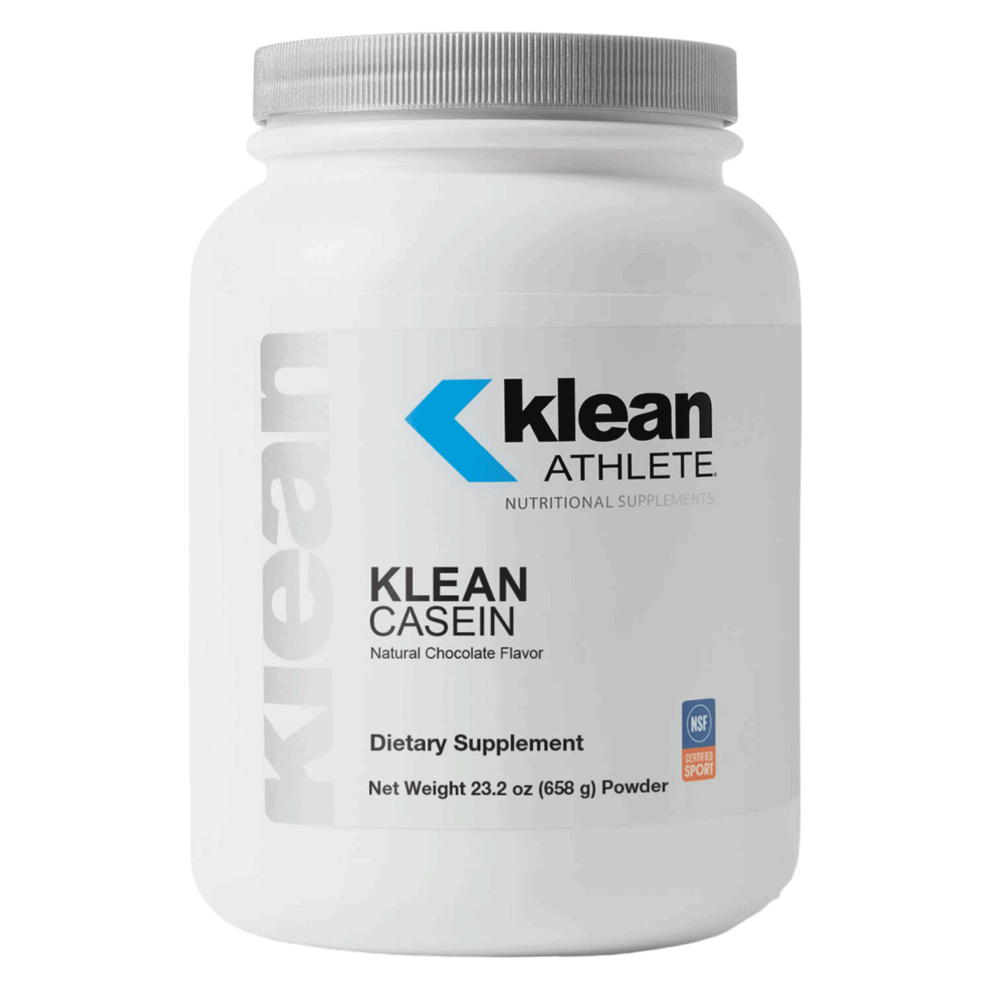
Casein Natural Chocolate
Klean Athlete
658 grams
$68.50$54.99 with Subscribe & Save
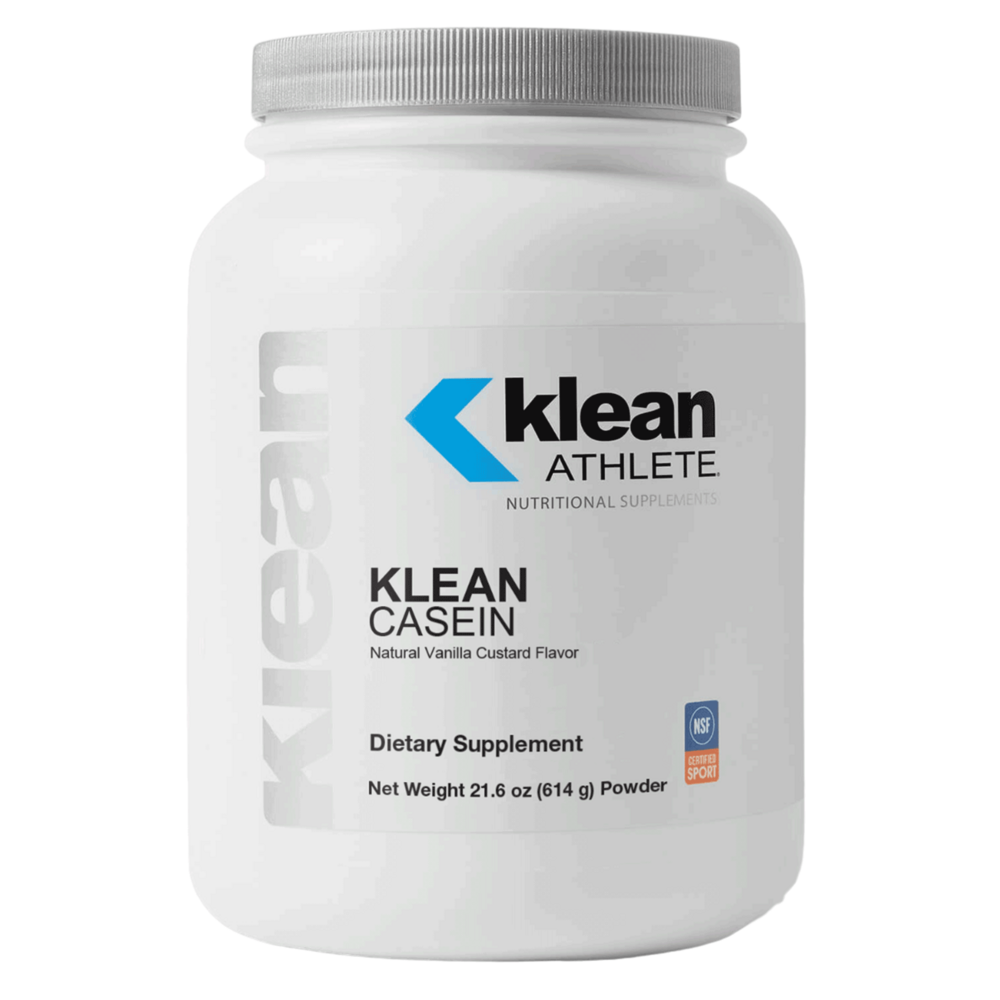
Casein Natural Vanilla Custard Flavor
Klean Athlete
614 grams
$68.50$54.99 with Subscribe & Save
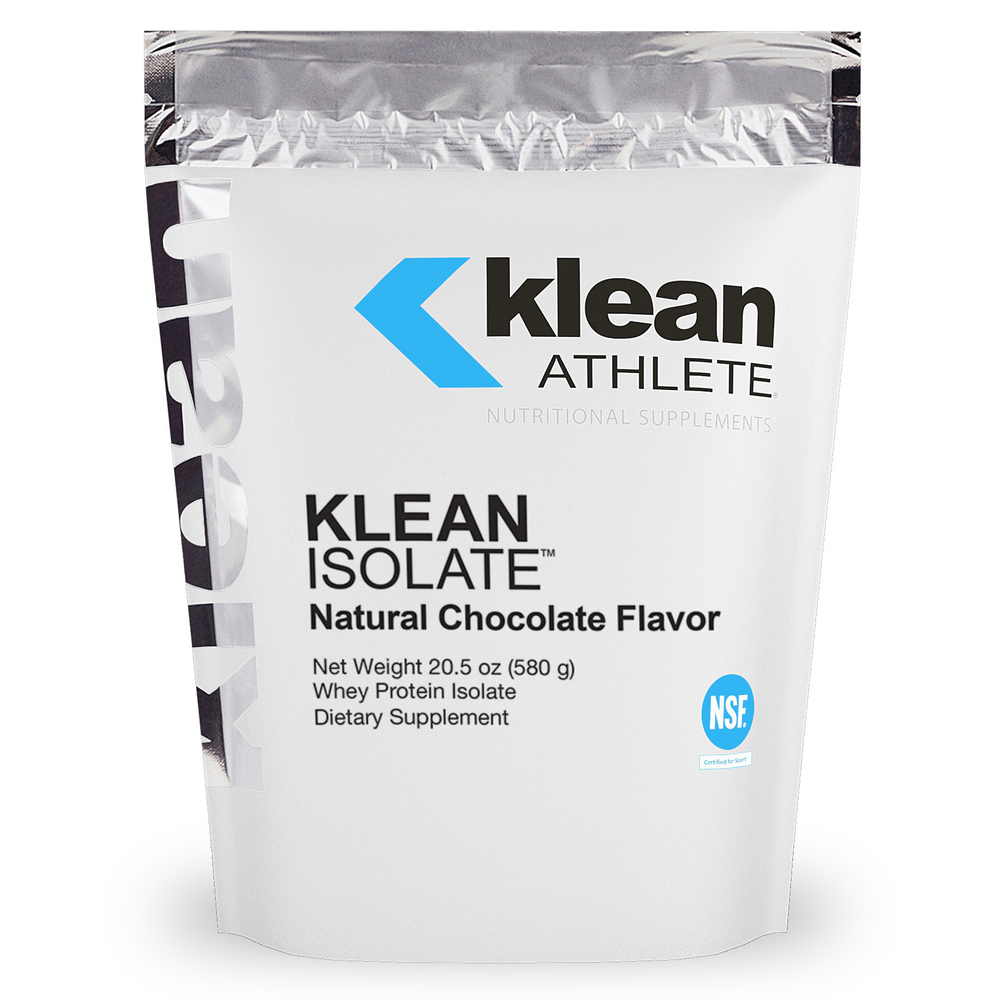
Klean Isolate Natural Chocolate
Klean Athlete
580 grams
$64.50$51.99 with Subscribe & Save
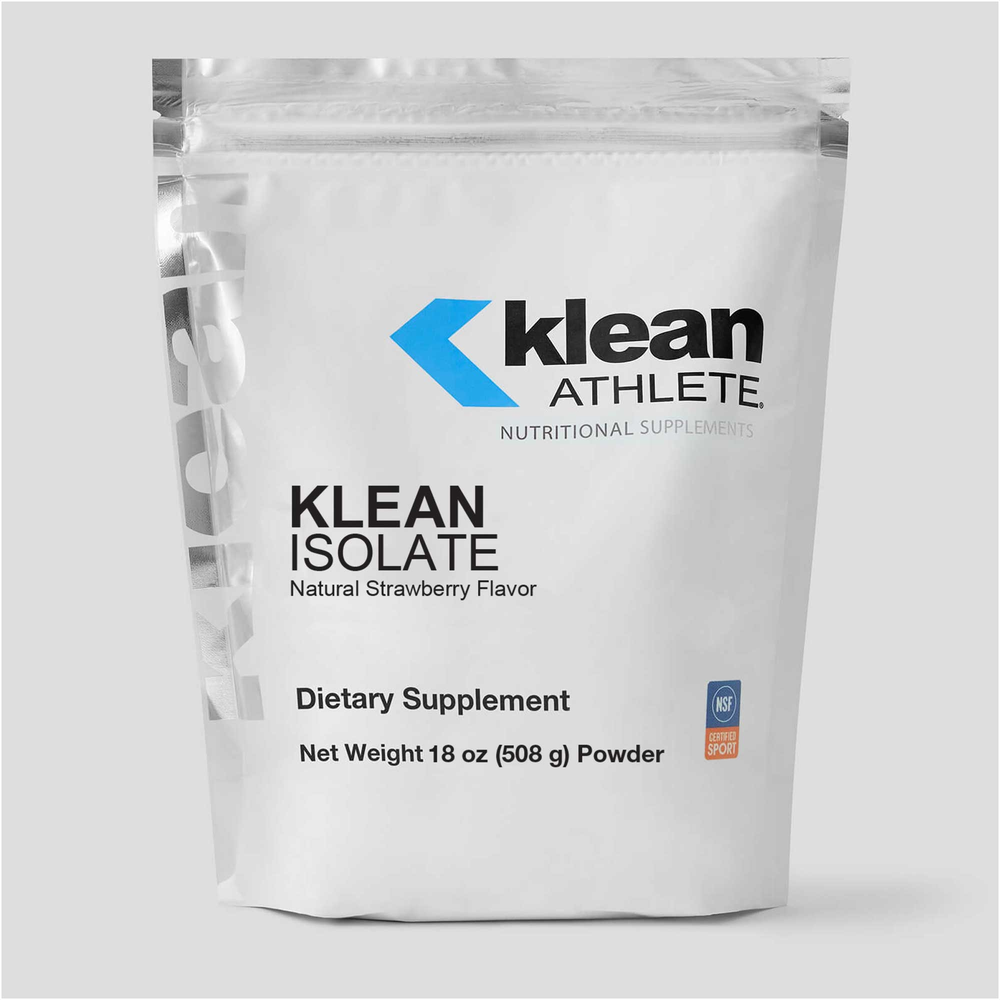
Klean Isolate Natural Strawberry
Klean Athlete
508 grams
$64.50$51.99 with Subscribe & Save