
 Instalab

Vital Nutrients
Magnesium Citrate 150mg 300 mg by Vital Nutrients
100 capsules · 50-day supply
Well-Absorbed Magnesium for Muscles, Relaxation and Regularity$17.99
Purchase options
Practitioner-grade brand3rd-party testedFree shipping $50+
Vegan·Gluten Free·Soy Free·Dairy Free·Tree Nut Free·Fish Free·
Vital Nutrients Magnesium Citrate 150mg overview
Magnesium citrate suits two kinds of people: those whose intake or lab results run low, and those who also want help staying regular. If your Magnesium or RBC Magnesium (a view inside the cell) is low or low-normal, or you have taken a diuretic or an acid-suppressing medicine for a long time, this is a reasonable form to replete with. Because citrate draws water into the bowel, it is a better pick than glycinate when stools tend to be hard, and a worse one when they are already loose.
Citrate is magnesium bound to citric acid. It dissolves easily and is absorbed better than magnesium oxide. Absorbed magnesium is a cofactor for hundreds of enzymes, including the ones that make cellular energy; it helps muscles relax after they contract, supports normal nerve signaling and heart rhythm, and is part of bone mineral. The portion that is not absorbed holds water in the intestine, which softens stool and explains this form's mild laxative effect.
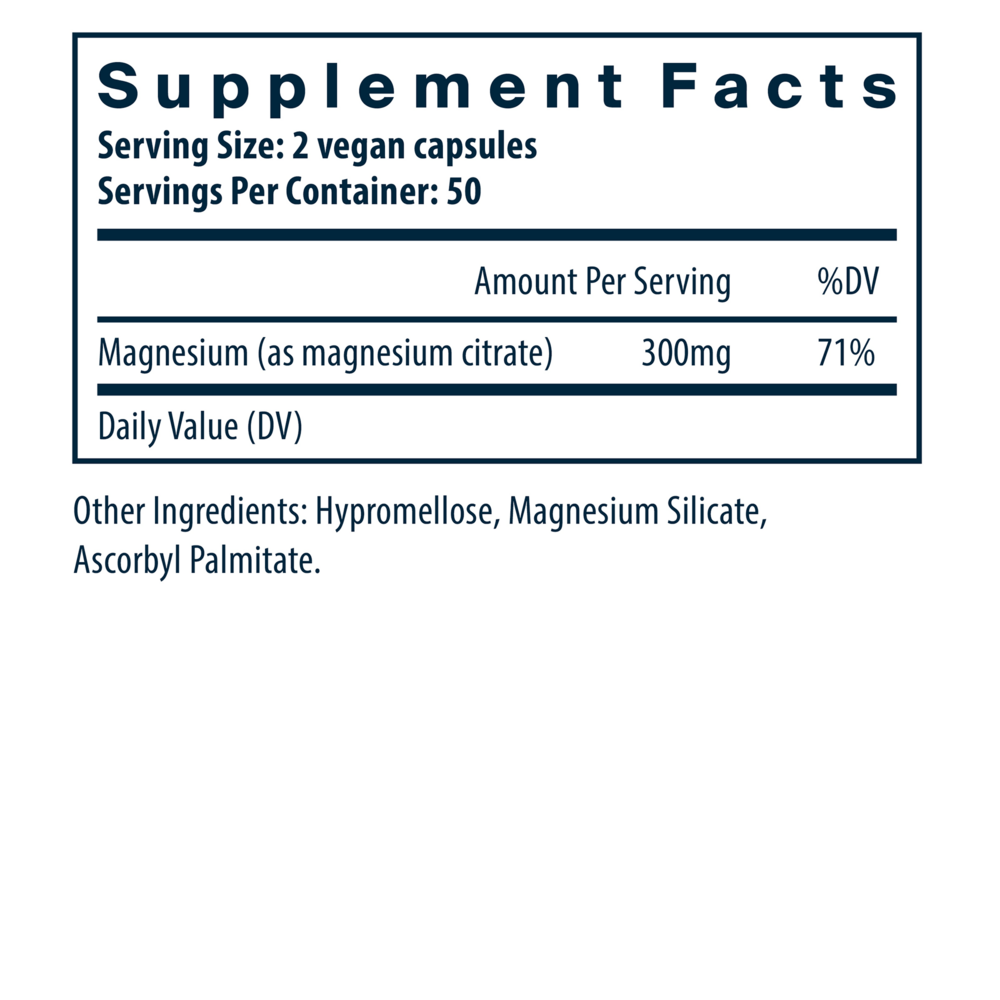
The label directs 2 capsules daily, which provide 300 mg of magnesium, or 150 mg per capsule. Take it with food, and split it between two meals if your stomach or bowels are sensitive. Starting with 1 capsule for a few days before moving to 2 is a sensible way to find your tolerance. Evening suits people who take it to wind down. If you are correcting a low level, recheck Magnesium or RBC Magnesium after 4 to 8 weeks.
Magnesium binds several medicines in the gut. Take it at least 2 hours apart from tetracycline and quinolone antibiotics and from bisphosphonates, and 4 hours from levothyroxine. People with kidney disease clear magnesium poorly and should not supplement without their clinician's supervision. Loose stools or cramping mean the dose is more than your gut tolerates, so cut back or split it. If you are pregnant, nursing or on prescription medicines, check with your clinician first.
Softer, easier stools usually show within a day or two. Muscle tightness and sleep take 1 to 2 weeks, and lab values 4 to 8 weeks. Compared with glycinate, citrate helps the bowels but is more likely to loosen them; compared with oxide, more of it is absorbed. This is a supplement dose, not the liquid magnesium citrate used for bowel preparation, and ongoing constipation is something to raise with your clinician.
Frequently asked questions
What is magnesium citrate good for?
It is a well-absorbed form used to bring a low magnesium level up and to support muscle function, relaxation and bone health. It also holds water in the bowel, so it is the form most often chosen by people who want help with regularity as well.
How much magnesium is in each capsule?
The label gives 300 mg of magnesium, as magnesium citrate, per 2-capsule serving, which is 150 mg per capsule. That figure is the magnesium itself, not the weight of the magnesium citrate compound.
Does magnesium citrate cause diarrhea?
It can. Citrate draws water into the bowel, and a 300 mg serving loosens stools for some people. Start with 1 capsule, take it with food, and split the serving across two meals. If stools stay loose, lower the dose or switch to magnesium glycinate.
When is the best time to take magnesium citrate?
The label directs 2 capsules daily. Take them with a meal, at whatever time you will remember; evening suits people taking it for relaxation or sleep. Splitting the 2 capsules between two meals is easier on the gut and may improve absorption.
Is magnesium citrate or glycinate better?
Both are well absorbed. Citrate helps with regularity and is more likely to loosen stools. Glycinate is gentler on the gut and is the usual choice when sleep or relaxation is the goal and bowels are already regular or loose.
Can I take magnesium with thyroid medication or antibiotics?
Separate them. Magnesium binds levothyroxine, tetracycline and quinolone antibiotics, and bisphosphonates in the gut. Take magnesium at least 2 hours from the antibiotics and bisphosphonates and 4 hours from levothyroxine, and confirm timing with your pharmacist.
Is magnesium citrate safe with kidney disease?
Only under a clinician's supervision. The kidneys remove excess magnesium, and when they are impaired magnesium can build up to unsafe levels. If you have chronic kidney disease, get your clinician's agreement and lab monitoring before supplementing.
How long does it take to raise magnesium levels?
Expect 4 to 8 weeks of steady daily use before Magnesium or RBC Magnesium reflects the change. Retest at about two months. Cramps or sleep may improve sooner, within 1 to 2 weeks, if low intake was the cause.
How to take it & ingredients
Suggested use: Take 2 capsules daily, or as directed by your healthcare professional.
Active ingredients
2 capsules per serving · 50 servings
Magnesium
Magnesium Citrate
Magnesium Citrate
300 mg
Other ingredients: Vegetarian Capsule (cellulose), Ascorbyl Palmitate, Silica
Certifications
Benefits
Warnings
Customers also considered

CereMag
Ortho Molecular Products
99 grams
$77.76$70.05 with Subscribe & Save

Dr. Formulated Magnesium Raspberry
Garden of Life
197.4 grams
$24.99$19.99 with Subscribe & Save

Dual-Mag Complex
Natura Health Products
90 capsules
$22.99$17.99 with Subscribe & Save

Mag Threonate
Ortho Molecular Products
60 capsules
$78.64$70.85 with Subscribe & Save