 Instalab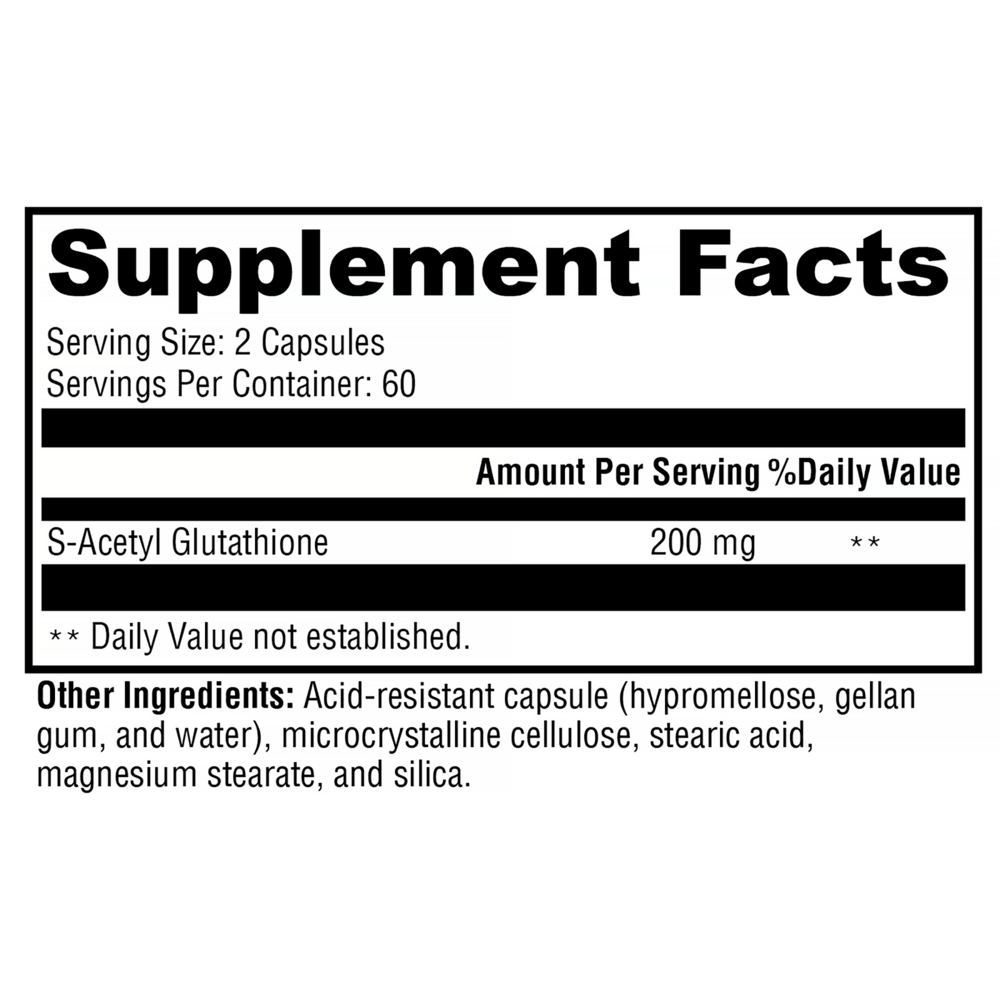
XYMOGEN
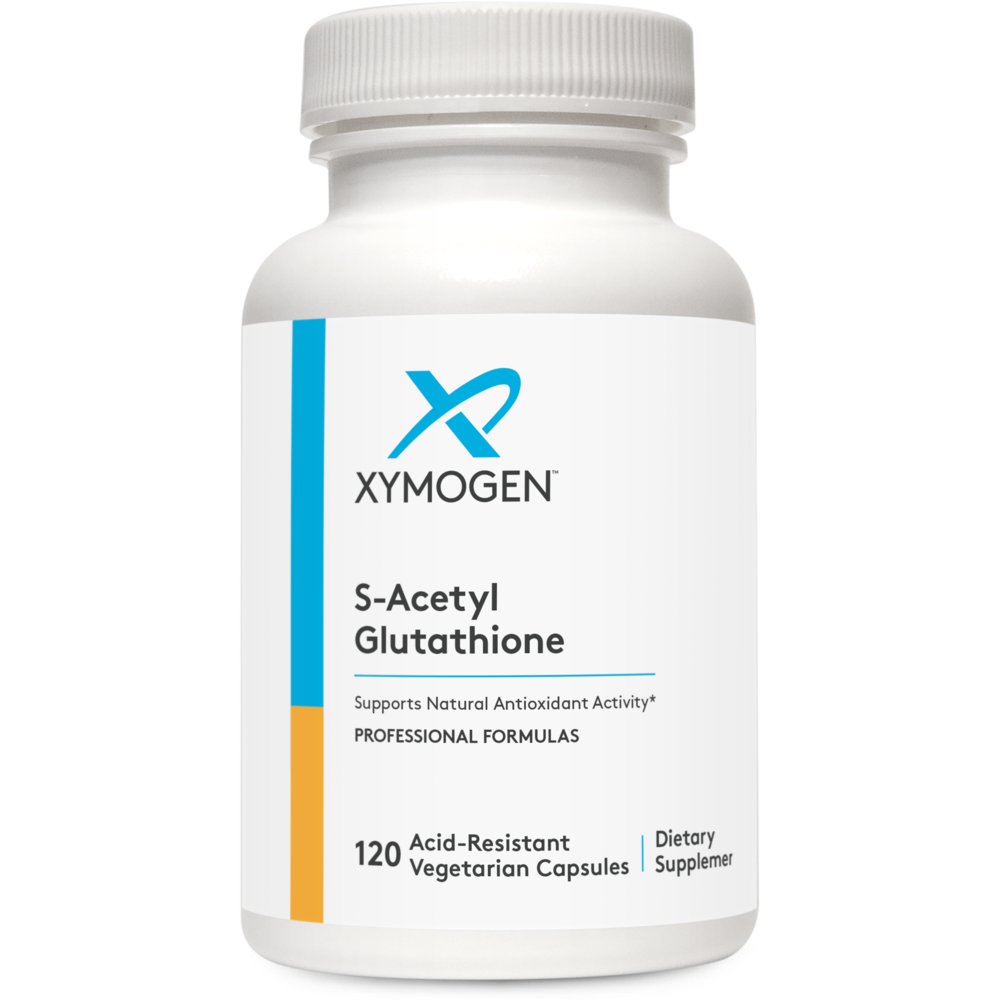
S-Acetyl Glutathione (Antioxidant Support) by XYMOGEN
120 capsules
Powerful Antioxidant Support for Cellular Health and Longevity$112.99
This item is currently out of stockGet notified when this item is back in stock
Practitioner-grade brand3rd-party testedFree shipping $50+
XYMOGEN S-Acetyl Glutathione (Antioxidant Support) overview
S-acetyl glutathione is for people who want a direct, absorbable form of glutathione, not just precursors. It fits if your Omega-3 Index is fine but your oxidative stress labs look off, especially a high-normal Gamma-Glutamyl Transferase (GGT, a liver enzyme that tracks with glutathione demand) or a low GSH:GSSG ratio (reduced-to-oxidized glutathione balance). Useful for heavy training blocks, frequent alcohol use, shift work, or toxin exposure at work, and for those who don’t respond well to N-acetylcysteine (NAC) alone.
Glutathione is your cells’ master antioxidant and detox cofactor. The acetyl group on S-acetyl glutathione protects it through digestion so more is absorbed intact, then cells remove the acetyl and raise intracellular glutathione. Compared with plain glutathione, this form is more stable in the gut. Versus NAC, which is a building block, this delivers the finished molecule. Higher cellular glutathione supports glutathione S-transferase activity (the enzyme family that tags toxins) and can modestly lower hs-CRP (an inflammation marker) in responders.
Take one capsule daily with food as the label directs. Morning or midday is common; some feel a mild energy lift. Expect 4 to 8 weeks to see shifts in GGT or a GSH:GSSG ratio if you track labs. If you’re repleting after intensive stress, NAC plus glycine can complement this, and maintaining selenium and riboflavin (needed to recycle glutathione) helps sustain levels.
If you’re in active chemotherapy or planned radiation, clear any antioxidant including glutathione with your oncology team; timing matters. Pregnancy and breastfeeding lack strong safety data, so avoid unless your clinician advises. If sulfur-containing supplements bother you, start low and monitor for nausea or headache. For clear-cut low glutathione with tight budgets, NAC is a lower-cost first step; move to S-acetyl glutathione if labs or symptoms don’t improve.
Frequently asked questions
What’s the difference between S-acetyl glutathione and NAC?
S-acetyl glutathione delivers glutathione itself in a protected form, raising cellular levels directly. NAC is a precursor that helps you make glutathione. NAC is cheaper and works for many, but some people see a bigger or faster effect with S-acetyl glutathione.
Is liposomal glutathione better than S-acetyl glutathione?
Both improve absorption over plain glutathione. S-acetyl is stabilized by an acetyl group, liposomal uses a fat-based vesicle. Head-to-head data are limited; practical choice often comes down to tolerance, cost, and how your labs respond over 4–8 weeks.
How long does S-acetyl glutathione take to work?
Most people who respond notice changes within 2–8 weeks. Lab shifts in GGT or a GSH:GSSG ratio typically show up by 4–8 weeks. Give it a full month before judging, especially if you’re also changing sleep, alcohol, or training load.
Can I take S-acetyl glutathione with food or other supplements?
Yes, take it with food. It pairs well with NAC, glycine, selenium, and riboflavin, which all support glutathione production and recycling. Separate from activated charcoal or cholestyramine by several hours to avoid binding.
Are there side effects with S-acetyl glutathione?
It’s generally well tolerated. The most common issues are mild nausea, headache, or a sulfur-like aftertaste. These usually resolve by taking with food or reducing the dose initially. Stop and check in if symptoms persist.
Does S-acetyl glutathione help the liver?
It can, by raising cellular glutathione used in detox pathways. Some people see GGT drift down over weeks. It’s not a fix for heavy alcohol use or fatty liver on its own—address diet, alcohol, and exercise alongside supplementation.
Is S-acetyl glutathione safe during chemotherapy or radiation?
Don’t start it without oncology guidance. Antioxidants can interfere with the intended oxidative damage to tumors, yet can also reduce side effects when timed correctly. Your oncology team should decide on use and timing.
How to take it & ingredients
Suggested use: Adults take one capsule daily, with food, or as directed by your healthcare professional.
Certifications
Benefits
Warnings