 Instalab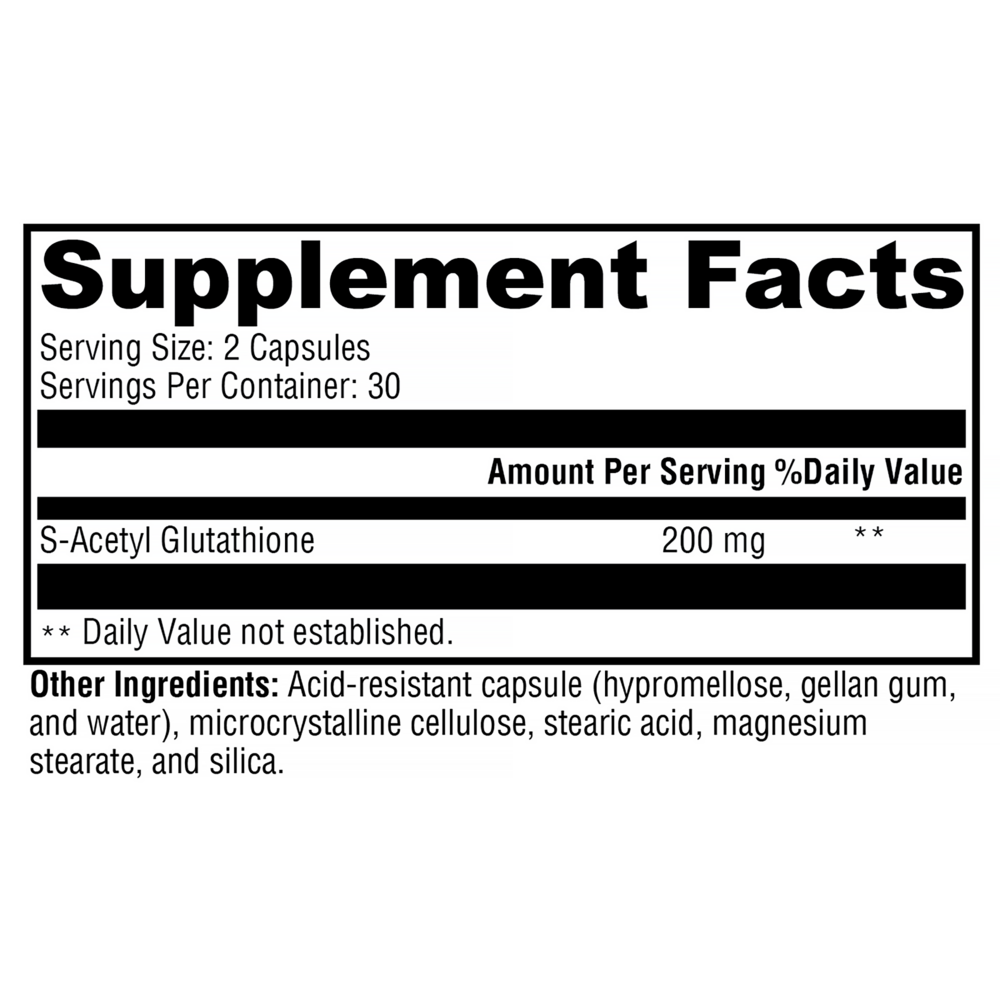
XYMOGEN
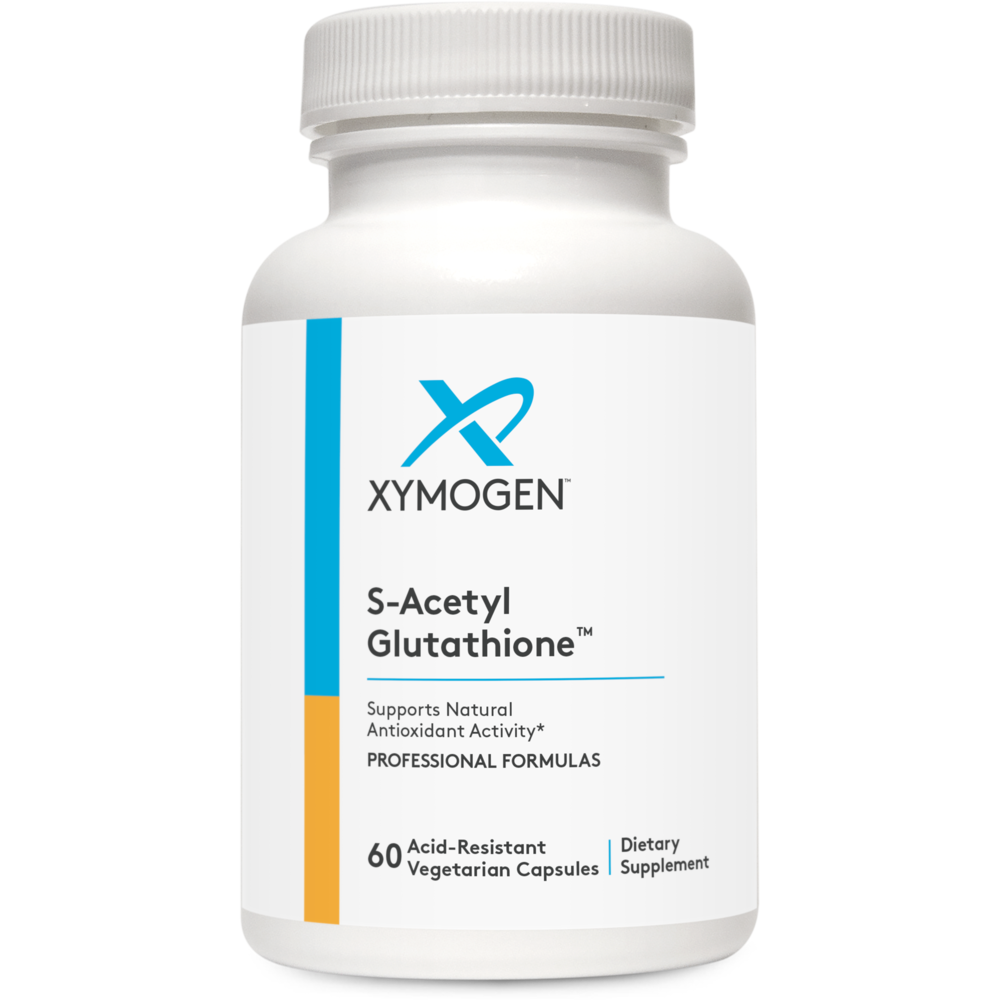
S-Acetyl Glutathione (Antioxidant Support) by XYMOGEN
60 capsules
Powerful Antioxidant Support for Cellular Health and Vitality$69.99
This item is currently out of stockGet notified when this item is back in stock
Practitioner-grade brand3rd-party testedFree shipping $50+
XYMOGEN S-Acetyl Glutathione (Antioxidant Support) overview
If you're searching for S-acetyl glutathione benefits because your energy is flat and your labs hint at oxidative stress, this is the form to consider. It fits adults with a low RBC Glutathione on testing, a higher GGT (gamma-glutamyl transferase, an enzyme that often tracks with oxidative stress), or a persistently elevated hs-CRP (an inflammation marker). It’s also practical for smokers or high-pollution exposure, intense training blocks, frequent acetaminophen use, or low intake of sulfur-rich foods. If your need is liver rescue after heavy drinking or drug overdose, that’s medical territory for N-acetylcysteine in a clinic, not a supplement.
Glutathione is the cell’s master antioxidant, recycling other antioxidants and neutralizing reactive oxygen species (the unstable molecules that damage proteins and DNA). The S-acetyl form is protected by an acetyl group that helps it cross cell membranes intact, where enzymes then remove the acetyl and restore active glutathione. That’s why S-acetyl glutathione generally raises intracellular levels more reliably than plain reduced glutathione capsules and is competitive with liposomal glutathione without the taste or storage hassle. As levels rise, redox balance improves, which is the rationale behind observed drops in oxidative stress markers and steadier liver enzymes in responders.
Take one capsule daily with a meal, per the label. Many clinicians use once-daily for maintenance and split dosing (morning and evening) for repletion over 4 to 8 weeks, guided by RBC Glutathione or symptom change. Pairing with NAC (the cysteine donor your body uses to build glutathione) and glycine can accelerate repletion, especially if homocysteine (the methylation byproduct tied to sulfur metabolism) is high or your diet is low in protein. If you’ve tried plain reduced glutathione with no change in labs, stepping up to S-acetyl is reasonable.
Cancer treatment is the main caveat: discuss any antioxidant, including glutathione, with your oncology team, as timing around chemotherapy or radiation can matter. Post–organ transplant or on strong immunosuppressants, coordinate with your specialist. If you react to sulfur-containing foods, start low. Pregnancy and breastfeeding have limited safety data, so use clinician guidance. For liver issues, track ALT and AST (liver enzymes) and GGT after 4 to 8 weeks to confirm you’re moving in the right direction.
Frequently asked questions
Does S-acetyl glutathione actually get absorbed?
Yes. The acetyl group helps it cross cell membranes, and it’s de-acetylated back to active glutathione inside cells. It generally raises intracellular or RBC glutathione more reliably than plain reduced glutathione and is comparable to liposomal forms in practice.
How long does glutathione take to work?
Most responders see changes within 4 to 8 weeks. If you’re tracking labs, recheck RBC Glutathione, GGT, or hs-CRP after a month or two. Faster changes are possible if you also add NAC and glycine and improve protein intake.
Should I take glutathione with NAC or glycine?
Combining them often makes sense. NAC supplies cysteine and glycine completes the tripeptide, both supporting your body’s own glutathione synthesis. This combo is useful when labs suggest higher demand or when protein intake is low.
Is S-acetyl glutathione better than liposomal glutathione?
They’re the two oral forms most likely to raise cellular levels. S-acetyl is capsule-based and shelf-stable; liposomal relies on fat-based delivery and can be messy or require refrigeration. Choose based on tolerance, convenience, and lab response.
Can I take glutathione during chemotherapy or radiation?
Don’t start without your oncologist. Antioxidants can interact with treatment mechanisms. Some protocols allow use on off-days, others avoid it entirely. Get a personalized plan from your oncology team.
Are there side effects with S-acetyl glutathione?
It’s typically well tolerated. Occasional reports include mild GI upset, headache, or a sulfuric taste. If you’re sensitive to sulfur-rich foods, start with a partial dose and increase gradually with food.
Will glutathione lighten my skin?
Skin-lightening claims are popular but not well supported by high-quality trials for oral use. If your goal is even skin tone, focus on sun protection and dermatology-guided treatments; use glutathione for cellular antioxidant needs.
What labs should I track on glutathione?
RBC Glutathione directly reflects status. GGT can fall as oxidative stress improves. hs-CRP may drop in some people. If liver health is a concern, follow ALT and AST along with symptoms over 4 to 8 weeks.
How to take it & ingredients
Suggested use: Adults take one capsule daily, preferably with a meal, or as directed by your healthcare professional.
Certifications
Benefits
Warnings