
 Instalab



Allergy Research Group
Mastica Digest 1 g by Allergy Research Group
240 capsules · 120-day supply
Mastic Gum Resin for Stomach Comfort and Digestive Support$89.99
Purchase options
Practitioner-grade brand3rd-party testedFree shipping $50+
Vegetarian
Allergy Research Group Mastica Digest overview
Mastic gum suits adults with occasional upper-stomach discomfort, fullness after meals or mild indigestion who want a traditional botanical option. It is not the tool for heartburn that needs acid control, and it does not stand in for a medical work-up. If your symptoms are persistent, get checked first: a Helicobacter Pylori Antigen test is a sensible starting point, and trouble swallowing, unintended weight loss, vomiting or black stools need prompt medical attention.
Mastic is the resin of Pistacia lentiscus var. Chia, a tree grown on the Greek island of Chios, where the resin has been chewed and used for digestive complaints for centuries. It contains triterpenic acids that are thought to support the stomach's protective lining. In laboratory studies mastic slows the growth of H. pylori, and a few small trials in people with indigestion reported better comfort than placebo. In studies of H. pylori itself the results are mixed, and mastic does not replace the prescription regimens used for that infection.
The label directs 1 capsule twice daily between meals. The Supplement Facts panel counts 2 capsules as one serving, which together provide 1 g of mastic resin, so the two capsules the directions call for in a day supply that amount. Take each capsule with water. If taking it away from food unsettles your stomach, ask your clinician whether to take it with a meal. The label gives no time limit, so ask how long to continue.
No drug interactions are well established. Mastic comes from the same plant genus as pistachio, so check with your allergist first if you have a pistachio or cashew allergy. It has not been studied in pregnancy or nursing; as the label says, consult your practitioner before use if you are pregnant or lactating, have any health condition or take any medication.
Give it 2 to 4 weeks before judging; the small trials that reported a benefit ran for a few weeks, and the effect is gradual. Unlike antacids or acid-suppressing medicines, mastic does not neutralize or reduce stomach acid, so it will not give fast relief of heartburn. Side effects are uncommon and mild, mostly nausea, constipation or loose stools. If nothing has changed after a month, stop and revisit the cause with your clinician.
Frequently asked questions
What is mastic gum?
Mastic gum is the resin of Pistacia lentiscus var. Chia, a tree grown on the Greek island of Chios. It has been chewed and used for digestive comfort for centuries. This product provides 1 g of the resin per 2-capsule serving.
What is mastic gum used for?
It is used for occasional indigestion, upper-stomach discomfort and fullness after meals. The label describes it as digestive support. A few small trials back that use, but the research is limited, and persistent symptoms should be checked by a clinician.
How much mastic gum is in each serving?
The Supplement Facts panel lists 1 g of Pistacia lentiscus var. Chia resin per serving, and a serving is 2 capsules. The directions spread those 2 capsules over the day, 1 capsule twice daily. The label gives no per-capsule figure.
When is the best time to take mastic gum?
The label directs 1 capsule twice daily between meals, so mid-morning and mid-afternoon, or mid-morning and bedtime, both work. Take it with water. If taking it away from food causes nausea, ask your clinician whether to take it with a meal instead.
Does mastic gum help with H. pylori?
Mastic slows the growth of H. pylori in laboratory studies, but results in people are mixed, and it does not replace the prescription regimens used for that infection. If you test positive, follow your clinician's plan and ask before adding mastic.
How long does mastic gum take to work?
Allow 2 to 4 weeks of steady use at the label's 1 capsule twice daily. The effect is gradual, and mastic does not act like an antacid, so it will not give fast relief of heartburn. If nothing has changed after a month, stop and talk with your clinician about the cause.
What are the side effects of mastic gum?
Side effects are uncommon and usually mild: nausea, constipation or loose stools. If they persist, ask your clinician whether to take the capsules with food. Stop and seek care if you develop a rash, swelling or trouble breathing, which can signal an allergic reaction.
Can I take mastic gum if I have a nut allergy?
Ask your allergist first. The mastic tree belongs to the same genus as pistachio and the same plant family as cashew, so a reaction is possible in people allergic to those nuts, although reports are rare.
How to take it & ingredients
Suggested use: As a dietary supplement, take 1 capsule twice daily between meals, or as directed by a healthcare practitioner.
Active ingredients
2 capsules per serving · 120 servings
Mastic Gum Extract
Pistacia lentiscus var. Chia (Resin)
Pistacia lentiscus var. Chia (Resin)
1 g
Other ingredients: Hydroxypropyl methylcellulose, Microcrystalline cellulose, Magnesium stearate, Silicon dioxide
Certifications
Benefits
Warnings
Customers also considered
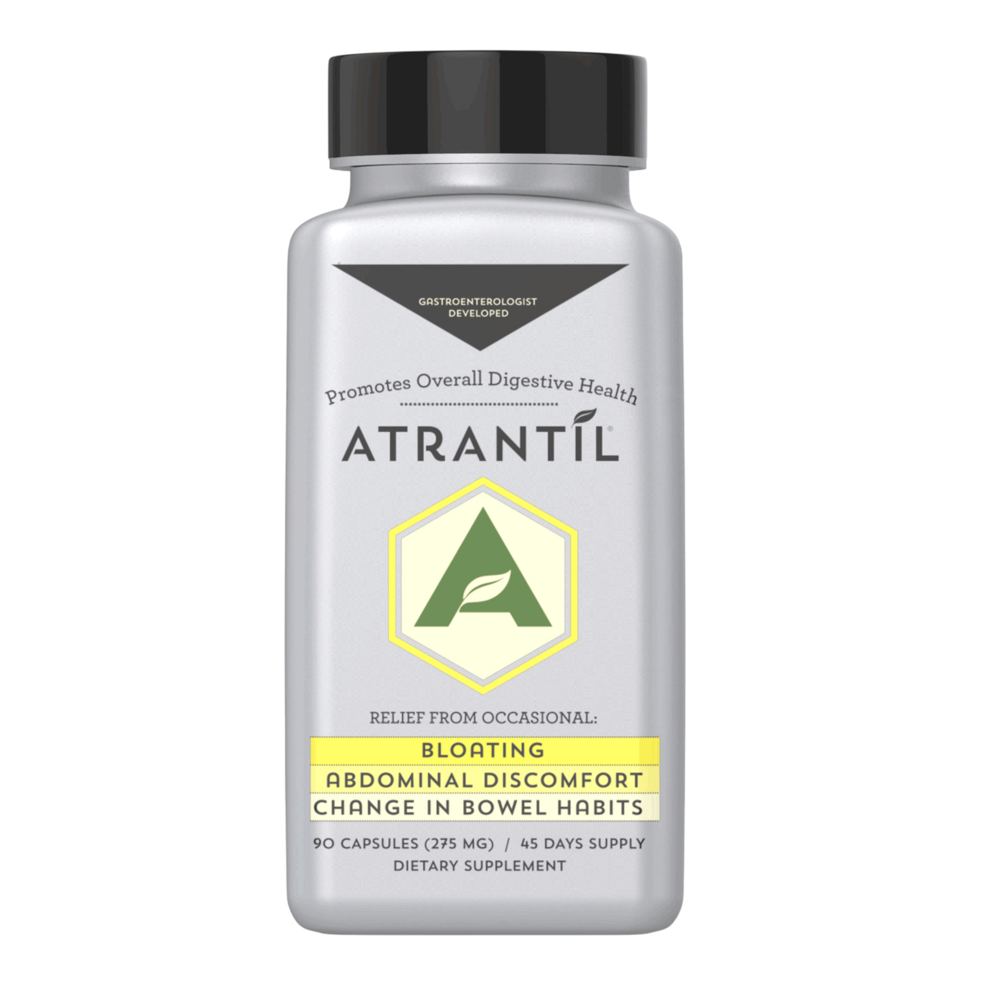
Atrantil
Atrantil
90 capsules
$39.99$31.99 with Subscribe & Save

Calcium/Magnesium Butyrate
Body Bio
100 capsules
$36.99$29.99 with Subscribe & Save
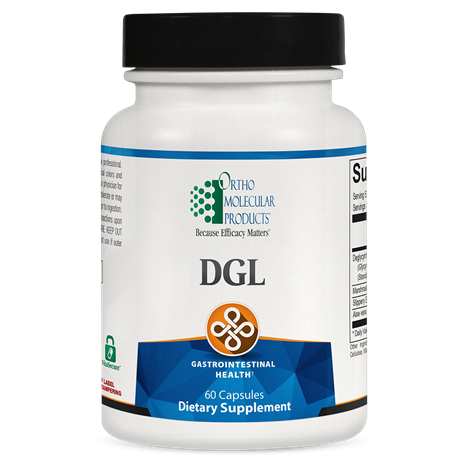
DGL
Ortho Molecular Products
60 capsules
$33.47$30.15 with Subscribe & Save
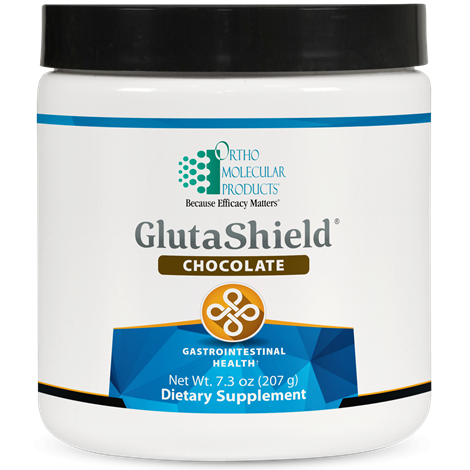
GlutaShield® Chocolate
Ortho Molecular Products
207 grams
$66.10$59.55 with Subscribe & Save