
 Instalab



Body Bio
Calcium/Magnesium Butyrate by Body Bio
100 capsules · 50-day supply
Butyrate with Calcium and Magnesium for Gut Lining Support$36.99
Purchase options
Practitioner-grade brand3rd-party testedFree shipping $50+
Body Bio Calcium/Magnesium Butyrate overview
Butyrate suits adults who want to support the lining of the colon, particularly those whose diet is low in fermentable fiber or whose stool testing shows low Butyrate or low Short Chain Fatty Acids. This version binds butyric acid to calcium and magnesium instead of sodium, which makes it the usual pick for people limiting sodium. Fiber remains the foundation: gut bacteria make butyrate from it continuously, right where the colon uses it, so take this alongside a fiber-rich diet, not in place of one.
Butyrate is a short-chain fatty acid that gut bacteria produce when they ferment fiber. It is the main fuel for the cells lining the colon and helps maintain the gut barrier; in laboratory studies it also calms inflammatory signaling in the gut lining. Supplements like this one are called postbiotics because they supply the bacterial product directly. Research on oral butyrate in people is still early: small trials suggest modest benefits for bowel comfort, but much of a swallowed dose is absorbed before it reaches the colon, and how well capsules reproduce the effect of fiber fermentation is not settled.
The label says to take 2 capsules with food. That serving provides 1,200 mg of butyric acid along with 160 mg of calcium and 80 mg of magnesium, both as the hydroxide. The label does not say how many times a day, so ask your clinician before taking more than one serving. The capsules have a strong, cheese-like smell; that is normal for butyrate and not a sign of spoilage.
The calcium and magnesium count toward your daily intake, so add them to what you get from other supplements. Like any calcium or magnesium product, this one can bind levothyroxine, tetracycline and quinolone antibiotics, and bisphosphonates in the gut: take them at least 2 hours apart (4 hours for levothyroxine) and confirm the timing with your pharmacist. The label says to consult your practitioner before use if you are pregnant or nursing; check first as well if you have kidney disease or a history of high calcium.
Changes, when they come, are gradual. Allow 4 to 8 weeks before judging, and expect at most a modest shift in bowel comfort or regularity. Mild nausea or stomach upset can occur, which is one reason the label says to take it with food. Compared with sodium butyrate, the butyric acid is the same; the difference is the mineral that comes with it. Persistent bowel symptoms, blood in the stool or unintended weight loss call for a medical evaluation, not a supplement.
Frequently asked questions
What is butyrate?
Butyrate, or butyric acid, is a short-chain fatty acid that gut bacteria make when they ferment fiber. It is the main fuel for the cells lining the colon. This product provides 1,200 mg of butyric acid per 2-capsule serving, bound to calcium and magnesium.
What is a postbiotic?
A postbiotic is a beneficial compound that gut bacteria produce, supplied directly instead of relying on the bacteria to make it. Butyrate is the best-known example. Probiotics are the live bacteria, and prebiotics are the fibers that feed them.
How much calcium and magnesium does this butyrate contain?
Each 2-capsule serving provides 160 mg of calcium (as calcium hydroxide) and 80 mg of magnesium (as magnesium hydroxide) along with 1,200 mg of butyric acid. Count those minerals toward your daily total if you take other calcium or magnesium supplements.
What is the difference between calcium magnesium butyrate and sodium butyrate?
The butyric acid is the same. The difference is the mineral it is bound to. This form adds calcium and magnesium and suits people limiting sodium. Sodium butyrate suits people who already get plenty of calcium or who have been told to limit it.
Should I take butyrate with food?
Yes. The label says to take 2 capsules with food, which is also easier on the stomach. It does not say how many times a day, so ask your clinician before taking more than one serving, and keep it apart from medicines that calcium and magnesium bind.
Why do butyrate capsules smell?
Butyric acid has a strong odor, similar to aged cheese or rancid butter, and it comes through the capsule. The smell is normal and does not mean the product has spoiled. Keeping the bottle tightly closed and swallowing the capsules quickly with water helps.
Can I take butyrate with thyroid medication or antibiotics?
Separate them. The calcium and magnesium in this product can bind levothyroxine and tetracycline or quinolone antibiotics in the gut and lower their absorption. Leave at least 2 hours, 4 hours for levothyroxine, and confirm the timing with your pharmacist.
How long does butyrate take to work?
Allow 4 to 8 weeks of steady use before judging. Any change in bowel comfort or regularity tends to be gradual and modest. If nothing has changed by then, or symptoms are getting worse, stop and review the plan with your clinician.
How to take it & ingredients
Suggested use: Take 2 capsules with food or as recommended by your health care practitioner.
Active ingredients
2 capsules per serving · 50 servings
Calcium
Calcium Hydroxide
Calcium Hydroxide
160 mg
Magnesium
Magnesium Hydroxide
Magnesium Hydroxide
80 mg
Butyric Acid
1200 mg
Other ingredients: Hypromellose (capsule), Medium chain triglycerides, Purified water
Certifications
Benefits
Warnings
Customers also considered
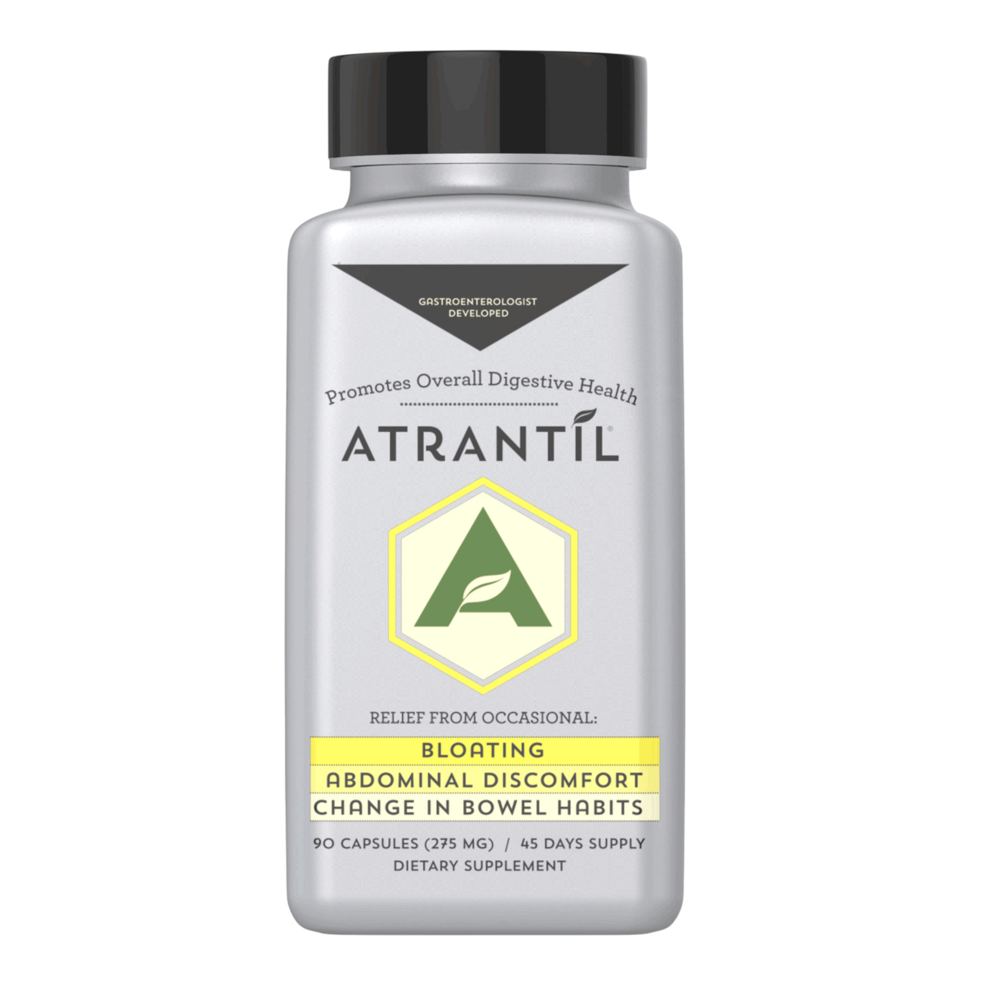
Atrantil
Atrantil
90 capsules
$39.99$31.99 with Subscribe & Save
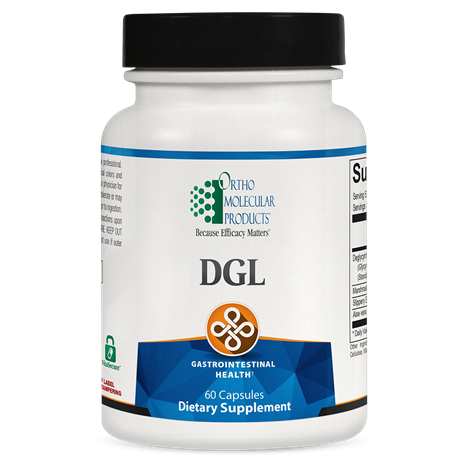
DGL
Ortho Molecular Products
60 capsules
$33.47$30.15 with Subscribe & Save
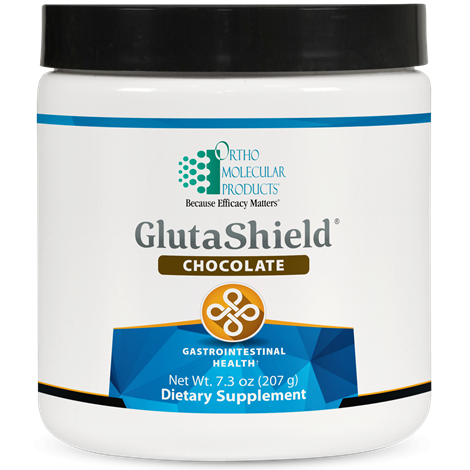
GlutaShield® Chocolate
Ortho Molecular Products
207 grams
$66.10$59.55 with Subscribe & Save
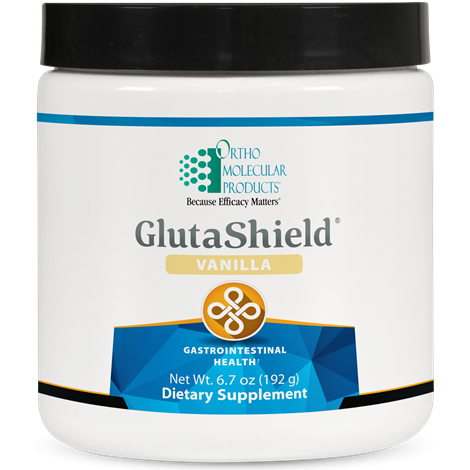
GlutaShield® Vanilla
Ortho Molecular Products
192 grams
$66.10$59.55 with Subscribe & Save