 Instalab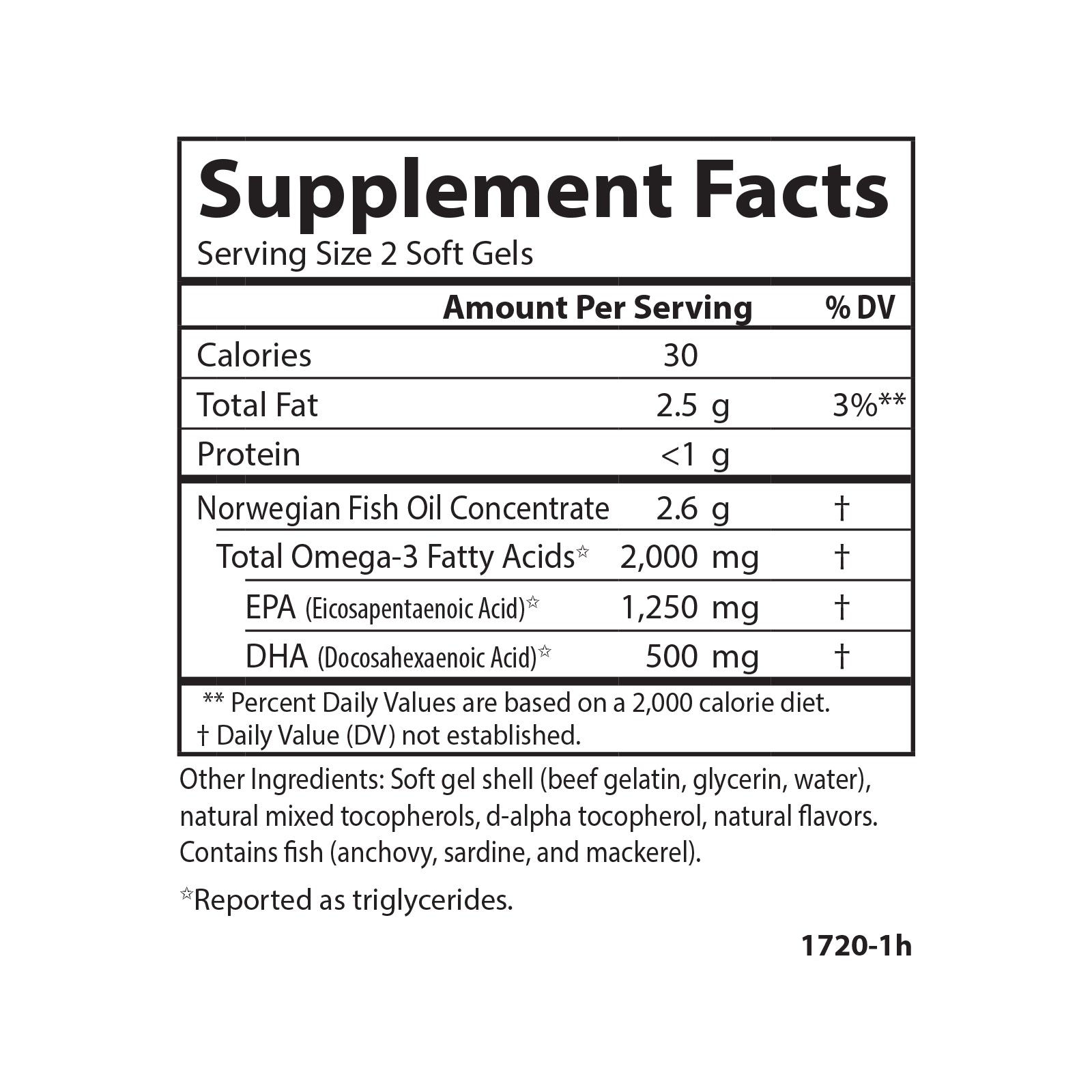


Carlson
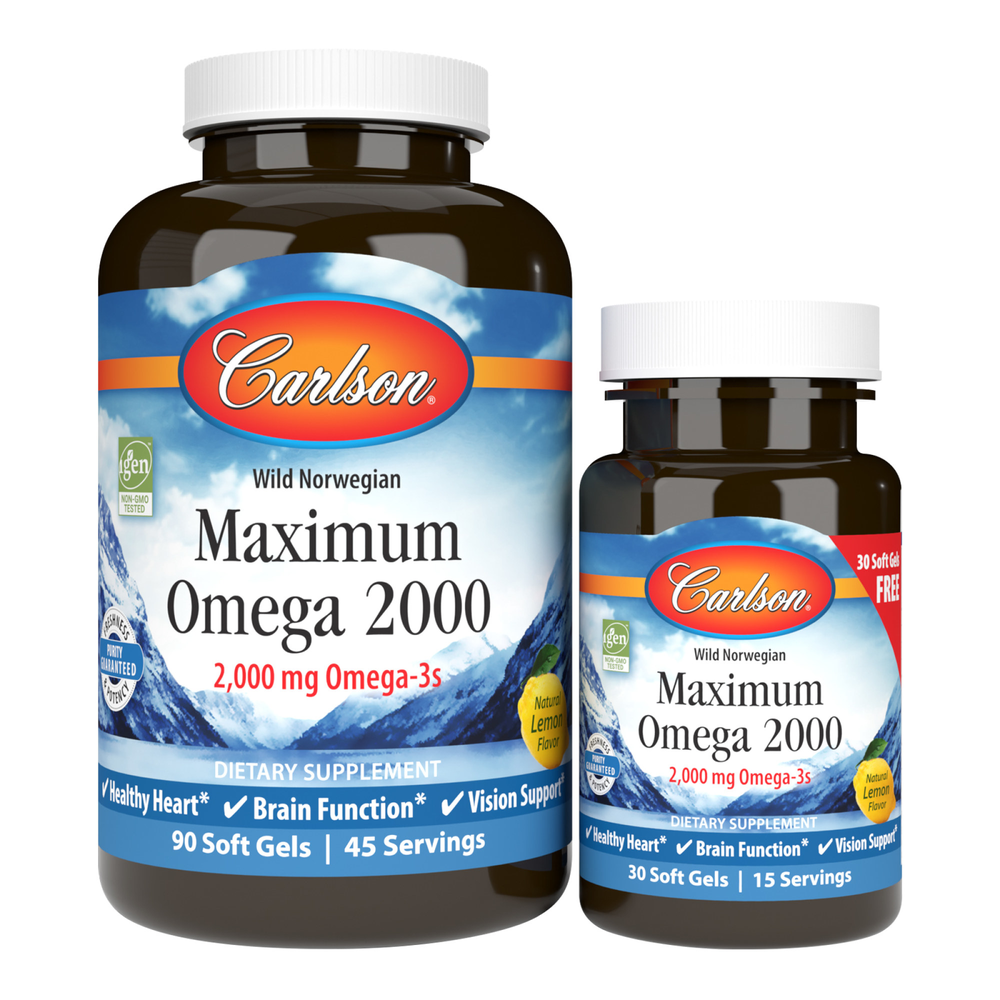
Maximum Omega 2,000 by Carlson
120 softgels · 60-day supply
High-Potency Omega-3s for Heart, Brain, and Joint Health$76.90
This item is currently out of stockGet notified when this item is back in stock
Practitioner-grade brand3rd-party testedFree shipping $50+
Gluten Free·Artificial Preservative Free
Carlson Maximum Omega 2,000 overview
If you’re comparing the best fish oil for high triglycerides, a daily 2,000 mg omega-3 dose is the range clinicians use to move numbers. It fits adults with elevated triglycerides, a low Omega-3 Index (the blood test that reflects long‑term omega‑3 status), or little fatty fish in the diet. It’s also reasonable if your hs-CRP (a blood marker of inflammation) runs high. If your Omega-3 Index is already solid, this is more than a maintenance dose.
EPA and DHA from fish oil reduce how much fat your liver packages into VLDL particles (the carriers that show up as triglycerides on a lipid panel), and they nudge cells to burn fatty acids faster for energy. In practice, responders see triglycerides drop about 20–30% within 4 to 12 weeks. These fats also shift membrane signaling toward less inflammatory mediators, which is why modest hs-CRP reductions sometimes follow a higher Omega-3 Index.
Carlson Maximum Omega 2,000 is meant as two soft gels daily with meals. Taking with food improves absorption and cuts down on fishy burps. You can split doses across breakfast and dinner if your stomach is sensitive. For general upkeep once your Omega-3 Index is in a good range, stepping down to a lower-dose omega-3 is reasonable and easier to sustain.
If you’re on prescription blood thinners like warfarin or a direct oral anticoagulant, clear this omega-3 dose with your clinician due to a small added bleeding risk. Prior atrial fibrillation (irregular heartbeat) warrants a conversation too, since very high omega-3 intakes have shown a slight increase in recurrences. Fish or shellfish allergy, upcoming surgery, or very high triglycerides from uncontrolled diabetes are reasons to get guided care, possibly including prescription EPA.
You’ll usually see triglyceride changes by your first 8–12 week lipid panel if you take omega-3 consistently with meals. Track progress with an Omega-3 Index alongside your lipid panel and hs-CRP if inflammation is a concern. Algae oil is a viable alternative for vegans, but you’ll need a similar EPA+DHA total to match effects.
Frequently asked questions
How long does fish oil take to lower triglycerides?
Most responders see triglycerides fall within 4–12 weeks at a steady 2,000 mg omega-3 intake. Recheck your lipid panel after 8–12 weeks, and keep taking it with meals for consistent absorption.
Does fish oil thin your blood?
At typical doses it has a mild anti-platelet effect, which can slightly increase bleeding time. If you use warfarin, apixaban, rivaroxaban, or aspirin plus another antiplatelet, get clinician guidance before adding 2,000 mg.
Should I take fish oil with food or on an empty stomach?
Take it with meals. Dietary fat improves absorption and reduces reflux or fishy burps. Splitting the dose between two meals can help if you’re prone to stomach upset.
What labs should I track while taking omega-3?
Follow your lipid panel (especially triglycerides), the Omega-3 Index to gauge tissue levels, and hs-CRP if you’re targeting inflammation. Recheck after 8–12 weeks, then every 6–12 months.
Is 2,000 mg omega-3 safe to take long term?
For most adults, yes. It’s within commonly used clinical dosing for triglycerides. If you bruise easily, have a bleeding disorder, or a history of atrial fibrillation, discuss ongoing use with your clinician.
Can vegans get the same benefits without fish oil?
Yes. Algae-derived omega-3 that provides preformed EPA and DHA can substitute. Aim for a similar EPA+DHA total; ALA from flax or chia doesn’t convert efficiently enough for triglyceride reduction.
How is this different from prescription omega-3 like icosapent ethyl?
Prescription EPA (icosapent ethyl) is pure EPA and used under medical supervision for high triglycerides and cardiovascular risk. This fish oil combines EPA+DHA and is an over-the-counter option for many adults.
How to take it & ingredients
Suggested use: Adults: Take two soft gels daily at mealtime.
Active ingredients
2 softgels per serving · 60 servings
▼
Total Omega-3 Fatty Acids
2000 mg
Eicosapentaenoic Acid (EPA)
1250 mg
Docosahexaenoic Acid (DHA)
500 mg
Other ingredients: Softgel Shell (Beef Gelatin, Glycerin, Water), Natural Mixed Tocopherols, d-Alpha Tocopherol, Natural Flavors
Certifications
Benefits
Warnings
Customers also considered
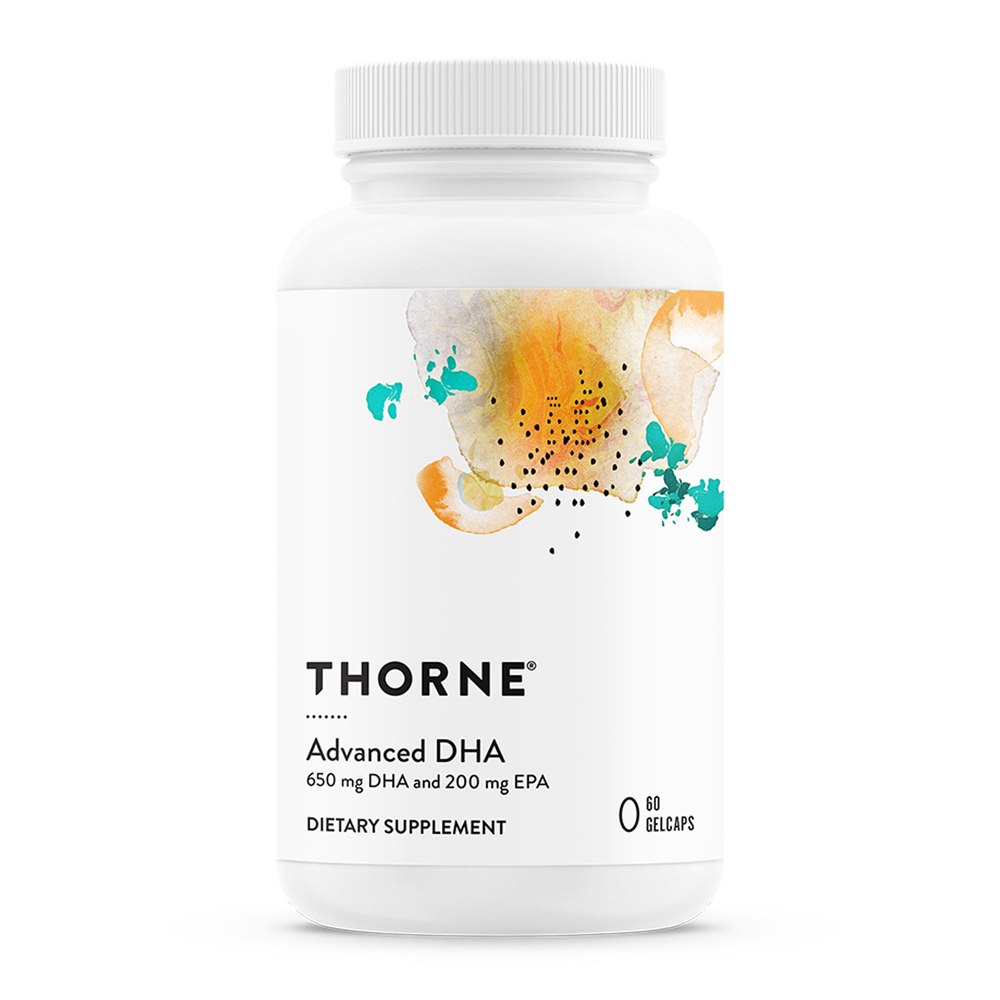
Advanced DHA
Thorne
60 gelcaps
$30.00Save 10% with Subscribe & Save
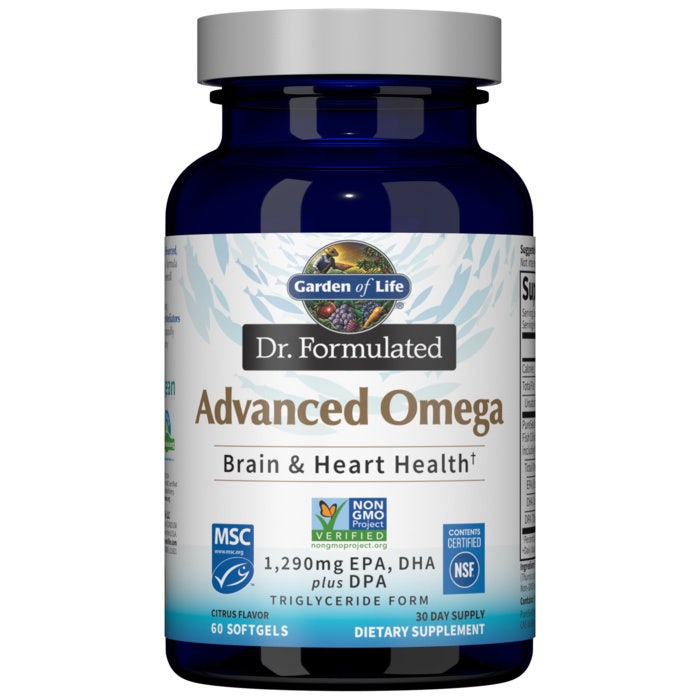
Dr. Formulated Advanced Omega
Garden of Life
60 softgels
$31.99Save 19% with Subscribe & Save
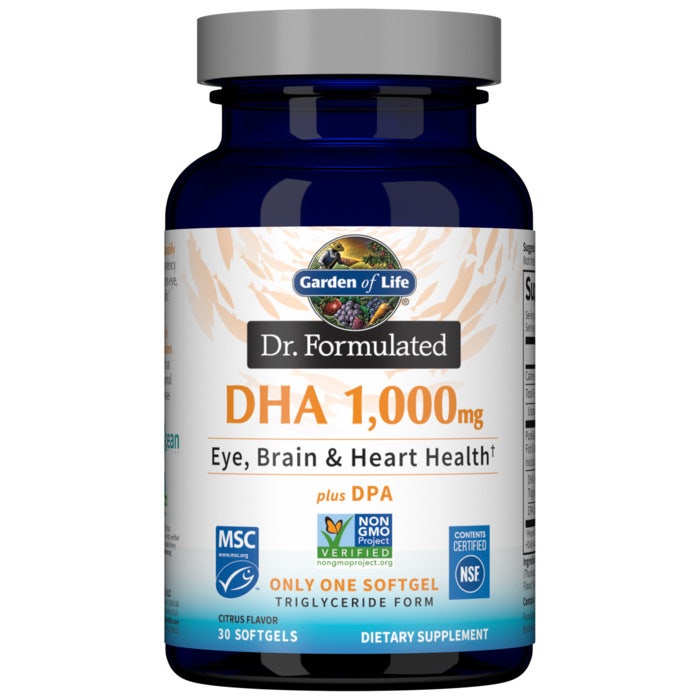
Dr. Formulated DHA 1g
Garden of Life
30 softgels
$31.99Save 19% with Subscribe & Save

Dr. Formulated Prenatal DHA
Garden of Life
30 softgels
$29.99Save 20% with Subscribe & Save