 Instalab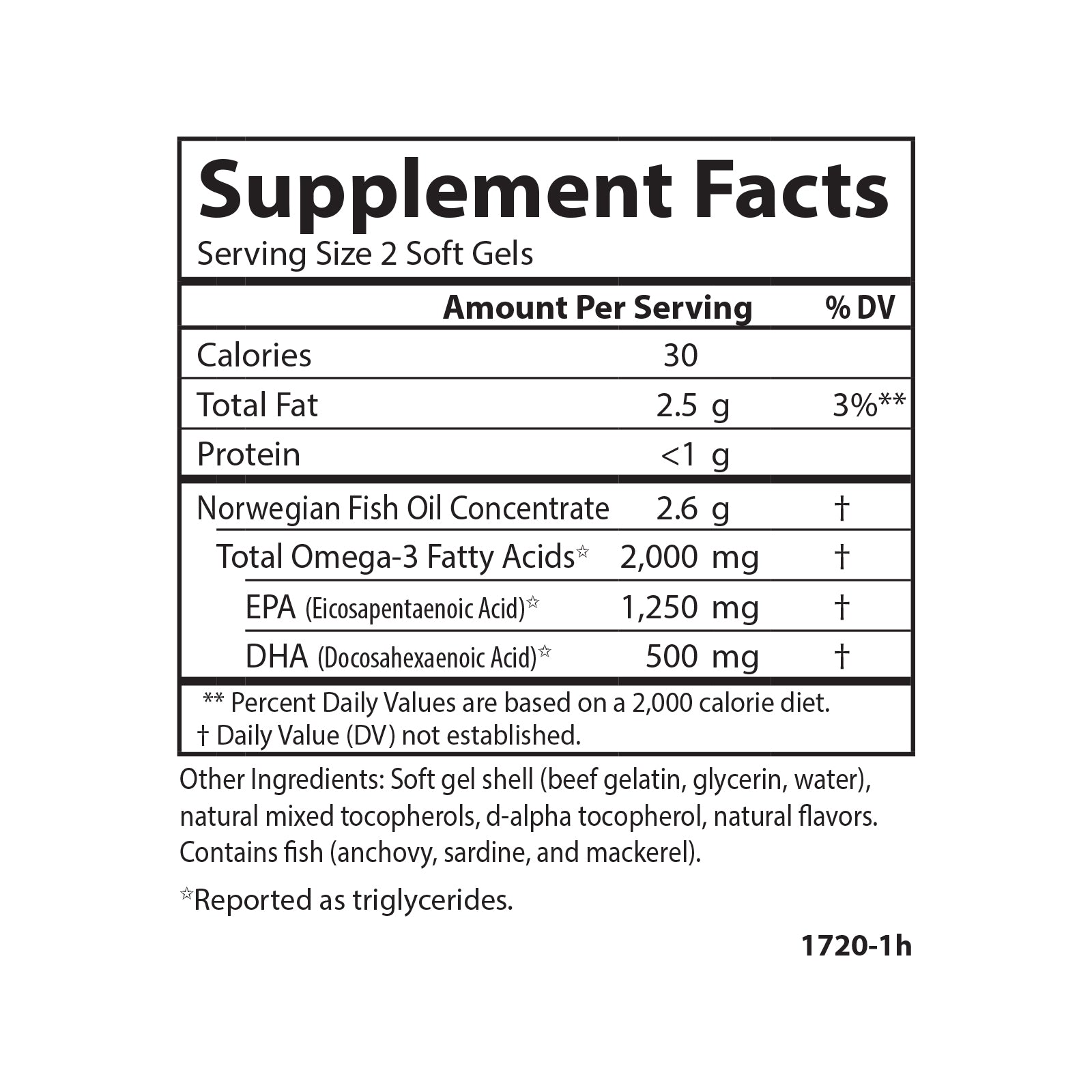


Carlson
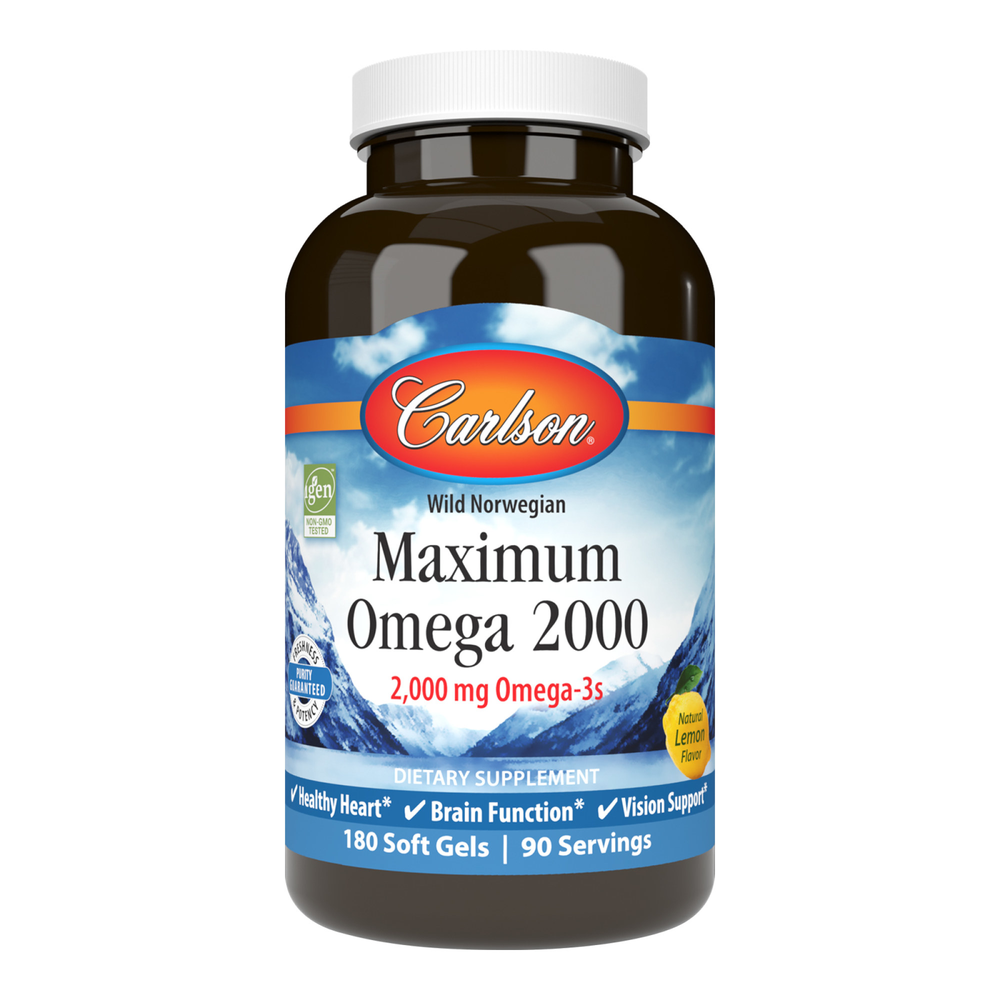
Maximum Omega 2,000 by Carlson
180 softgels · 90-day supply
High-Potency Omega-3s for Heart, Brain, and Joint Health$112.99
This item is currently out of stockGet notified when this item is back in stock
Practitioner-grade brand3rd-party testedFree shipping $50+
Gluten Free·Artificial Preservative Free
Carlson Maximum Omega 2,000 overview
If you’re Googling the best fish oil for high triglycerides, this high-strength omega-3 is aimed squarely at you. Adults with elevated Triglycerides, a low Omega-3 Index, or who rarely eat fatty fish tend to see the clearest gains. It’s a strong add-on when triglycerides remain high on a statin, and in metabolic syndrome (larger waist, higher fasting insulin) where liver fat handling is off. If your Omega-3 Index is already robust, expect maintenance rather than a dramatic change.
EPA and DHA (the key omega-3 fats in fish oil) lower how much fat your liver exports in VLDL particles (the carriers that show up on a lipid panel as triglycerides) and nudge cells to burn fatty acids for energy faster. Most responders see triglycerides drop 20–30% within 4 to 12 weeks. These fats also shift membrane signaling toward resolvins and protectins (compounds that dial down inflammatory signals), which can modestly reduce hs-CRP in some people. The catch is that LDL cholesterol can rise slightly in a subset, so it’s worth tracking ApoB or LDL-C alongside Triglycerides.
Carlson Maximum Omega 2,000 delivers 2,000 mg total omega-3s per serving; take two soft gels with a meal that contains fat to improve absorption and cut down on burps. If you’re sensitive, split the dose across breakfast and dinner. Recheck Triglycerides and your Omega-3 Index after 8–12 weeks to confirm effect. If you need larger reductions, prescription-strength omega-3 or a higher-EPA fish oil can be considered with your clinician.
Avoid if you have a fish or shellfish allergy. Use caution if you’ve had atrial fibrillation (a heartbeat that’s irregular and can feel fluttery), since very high omega-3 intake has triggered episodes in some trials; discuss with your cardiologist. If you’re on anticoagulants or antiplatelet drugs (blood thinners like warfarin, apixaban, clopidogrel), standard doses are usually fine but stop 3–5 days before elective surgery. Persistent fishy reflux, diarrhea, or easy bruising are signals to lower the dose.
Frequently asked questions
How long does fish oil take to lower triglycerides?
Most people who respond see triglycerides fall within 4 to 12 weeks at a steady daily dose taken with meals. Recheck a fasting lipid panel after about 8–12 weeks to confirm, then adjust with your clinician.
Does fish oil thin your blood?
Fish oil has a mild anti-platelet effect, but at typical supplement doses it hasn’t shown meaningful bleeding risk in trials. If you’re on warfarin, apixaban, clopidogrel, or have surgery planned, clear the dose with your clinician.
Can fish oil raise LDL cholesterol?
It can in a subset, even while lowering triglycerides. The rise is often small and may reflect a shift to larger LDL particles. Track LDL-C or ApoB with your Triglycerides to see your personal response.
Should I take fish oil with food or on an empty stomach?
With food. Taking omega-3 with a meal that contains fat improves absorption and reduces fishy burps. Splitting the dose across two meals can further help tolerance.
What labs should I track while taking high-dose fish oil?
Follow Triglycerides to see the primary effect, and consider the Omega-3 Index to gauge tissue levels. It’s also smart to track LDL-C or ApoB and hs-CRP if inflammation is part of your picture.
Is fish oil safe with a statin?
Yes. Combining a statin with fish oil is common when triglycerides stay elevated. They work through different mechanisms, and the combo often improves triglycerides without affecting liver enzymes.
How do I prevent fish oil burps?
Take soft gels with a fatty meal, avoid lying down right after, and consider freezing the capsules to slow dissolution. If burps persist, switch to an enteric-coated or higher-EPA formula.
How to take it & ingredients
Suggested use: Adults: Take two soft gels daily at mealtime.
Active ingredients
2 softgels per serving · 90 servings
▼
Total Omega-3 Fatty Acids
2000 mg
Eicosapentaenoic Acid (EPA)
1250 mg
Docosahexaenoic Acid (DHA)
500 mg
Other ingredients: Softgel Shell (Beef Gelatin, Glycerin, Water), Natural Mixed Tocopherols, d-Alpha Tocopherol, Natural Flavors
Certifications
Benefits
Warnings
Customers also considered
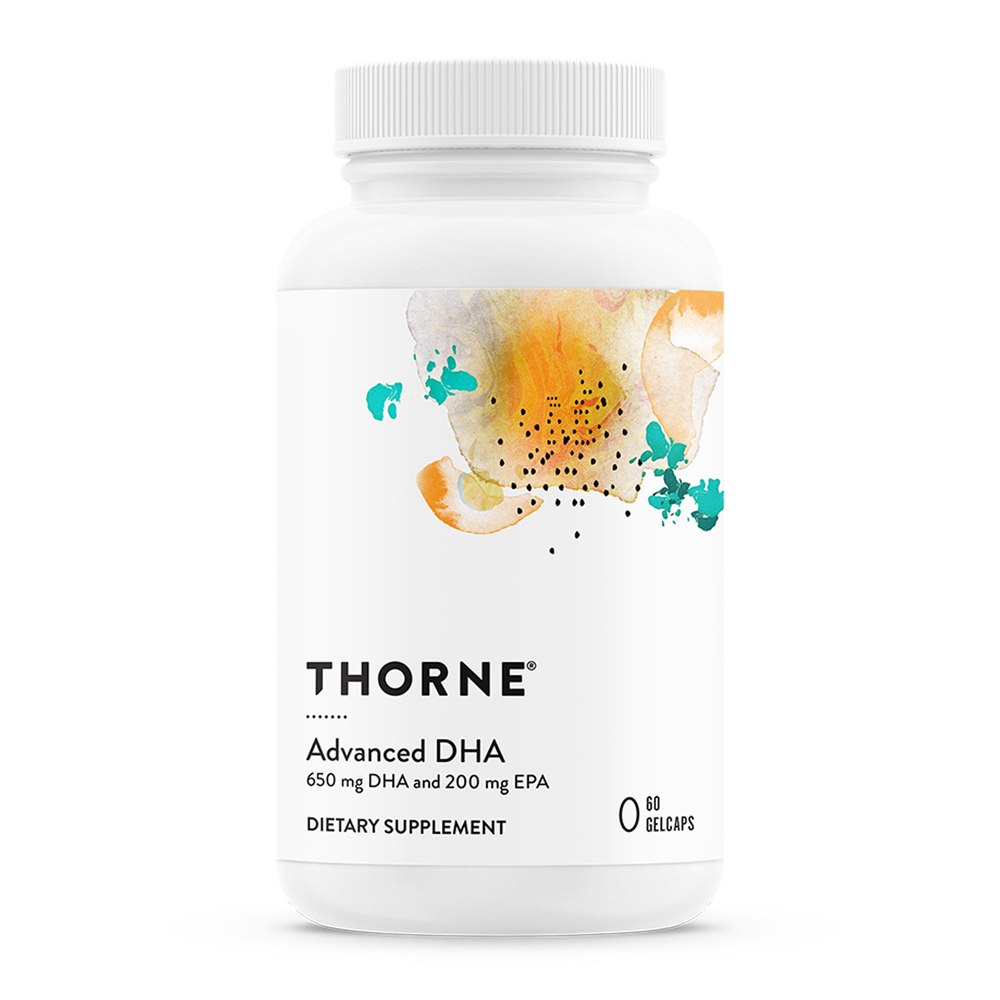
Advanced DHA
Thorne
60 gelcaps
$30.00Save 10% with Subscribe & Save
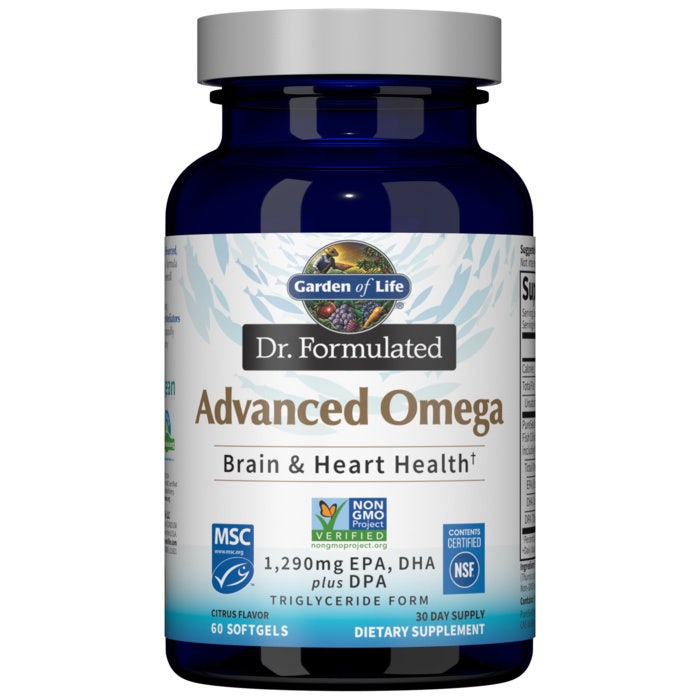
Dr. Formulated Advanced Omega
Garden of Life
60 softgels
$31.99Save 19% with Subscribe & Save
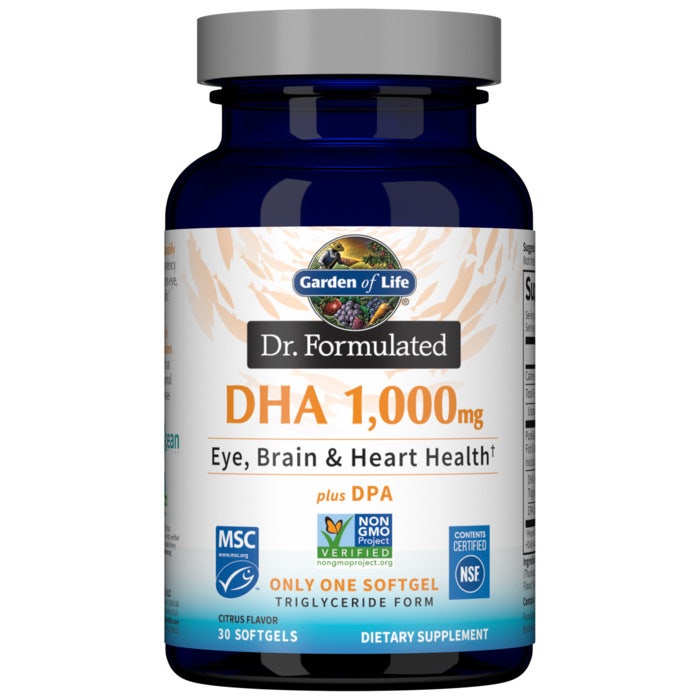
Dr. Formulated DHA 1g
Garden of Life
30 softgels
$31.99Save 19% with Subscribe & Save

Dr. Formulated Prenatal DHA
Garden of Life
30 softgels
$29.99Save 20% with Subscribe & Save