 Instalab
Codeage
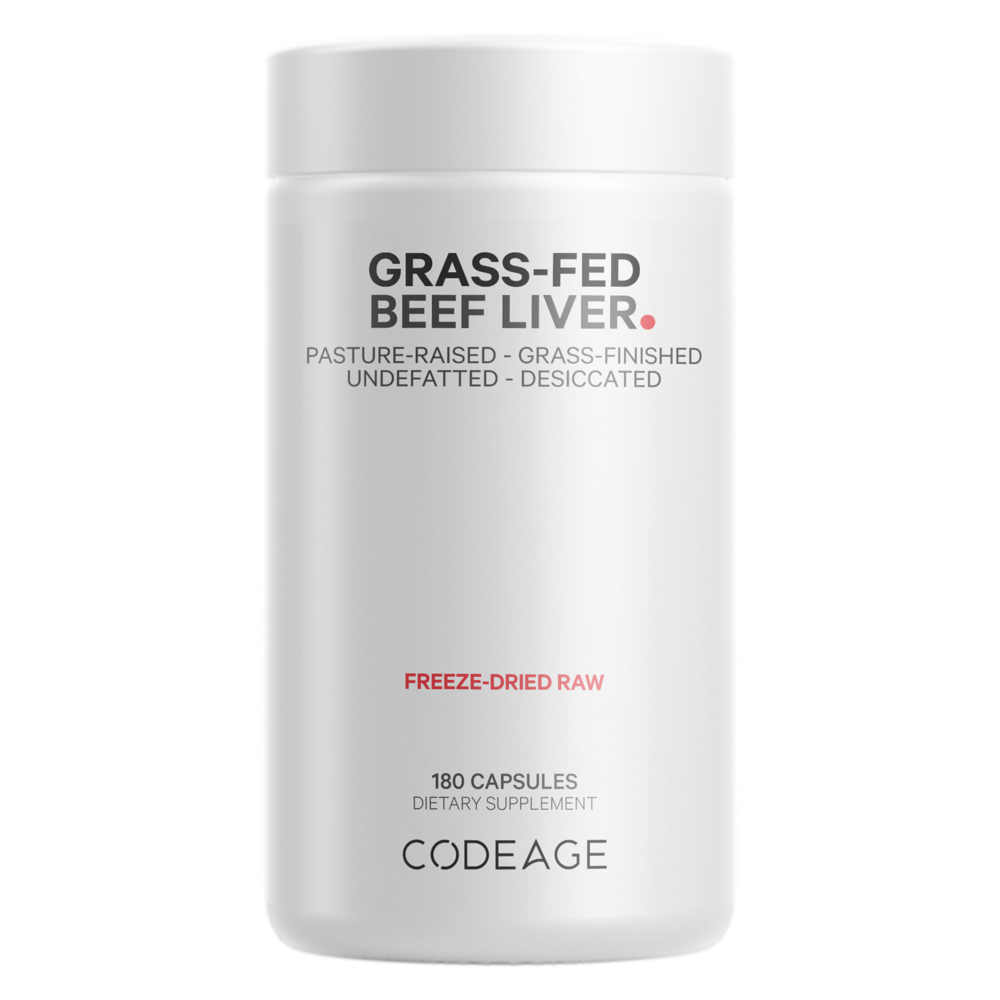
Grass-Fed Beef Liver 1500 mg by Codeage
180 capsules · 60-day supply
Nutrient-Dense Support from Grass-Fed Beef Liver Capsules$29.99
This item is currently out of stockGet notified when this item is back in stock
Practitioner-grade brand3rd-party testedFree shipping $50+
Gluten Free
Codeage Grass-Fed Beef Liver overview
If you like the idea of organ meats but won’t eat them, desiccated beef liver is the practical workaround. It fits menstruating adults with low energy and low Ferritin (your iron store), endurance athletes with borderline Hemoglobin, and low‑meat eaters with soft Vitamin B12. It’s also useful if metformin or acid‑blocking meds have nudged your B12 or methylmalonic acid (a marker of B12 function) in the wrong direction. If your levels are frankly low, you’ll likely need targeted iron or B12 first, then use beef liver for maintenance.
Beef liver delivers heme iron (the animal form your gut absorbs efficiently), which helps rebuild Ferritin and Hemoglobin. It’s rich in Vitamin B12 for red blood cell formation and nerve function, and provides retinol (preformed Vitamin A) that your body uses directly for immune signaling and vision. Copper supports iron transport, while choline aids liver fat metabolism. Because this is non‑defatted, it preserves fat‑soluble nutrients. The catch is vitamin A adds up quickly, so total intake from multivitamins and diet still matters.
Take three to six capsules daily with water, with or without food. In practice, most people split the dose with meals; a meal containing some fat improves absorption of vitamin A. Expect energy and B12 markers to improve within 2 to 4 weeks, and iron markers like Ferritin to move over 4 to 12 weeks. If labs are significantly low, pair this with a clinically dosed iron or B12 supplement short‑term, then step down to beef liver for upkeep.
Avoid in pregnancy or if you’re trying to conceive because high vitamin A can cause birth defects. Skip if you take prescription retinoids (isotretinoin or acitretin), have hemochromatosis or high Ferritin, Wilson disease or copper overload, a beef/alpha‑gal allergy, or active gout (organ meats are purine‑dense). If you already take a high‑vitamin‑A multivitamin, review total intake with your clinician before adding beef liver.
Frequently asked questions
What are the benefits of desiccated beef liver?
It provides heme iron for Ferritin and Hemoglobin, Vitamin B12 for red blood cells and nerves, and preformed Vitamin A for immune function. Many users notice steadier energy within weeks if low iron or B12 was the limiting factor.
How long does beef liver take to work?
Energy and B12 markers can improve within 2–4 weeks. Iron stores like Ferritin usually change over 4–12 weeks. Recheck labs after 8–12 weeks to gauge response and adjust dose or add targeted iron if needed.
Can I take beef liver capsules with coffee or on an empty stomach?
Yes, but a meal with some fat can improve absorption of vitamin A and reduce queasiness. Coffee is fine for B12, but iron absorption is best with meals that aren’t heavy in calcium or tea.
Is desiccated beef liver safe in pregnancy?
No. Because it contains preformed Vitamin A (retinol), which is teratogenic at higher intakes, avoid beef liver supplements and large liver servings during pregnancy and when trying to conceive.
Can I take beef liver if I have high ferritin or hemochromatosis?
Avoid it. Beef liver contains heme iron and copper, which can worsen iron overload states. Work with your clinician to manage Ferritin and transferrin saturation, and use non‑iron multivitamins instead.
What labs should I monitor while taking beef liver?
Track Ferritin and Hemoglobin for iron status, Vitamin B12 with methylmalonic acid (a functional B12 marker), and consider homocysteine (an amino acid that rises with low B12/folate). Recheck after 8–12 weeks.
Are there interactions with acne medications like Accutane?
Yes. Isotretinoin and acitretin are retinoids. Adding retinol from beef liver increases total vitamin A exposure. Do not combine without clinician approval.
What side effects should I watch for with beef liver capsules?
Mild nausea or digestive upset can occur, especially on an empty stomach. Rarely, headaches or dry skin suggest excess vitamin A. Stop and review total vitamin A intake if symptoms appear.
How to take it & ingredients
Suggested use: Take three to six capsules daily with eight ounces of water or another beverage. May be taken with or without food.
Active ingredients
3 capsules per serving · 60 servings
Grass Fed Liver
Bovine, freeze dried, desiccated, non defatted
Bovine, freeze dried, desiccated, non defatted
1500 mg
Other ingredients: Methylcellulose capsule
Certifications
Benefits
Warnings
Customers also considered
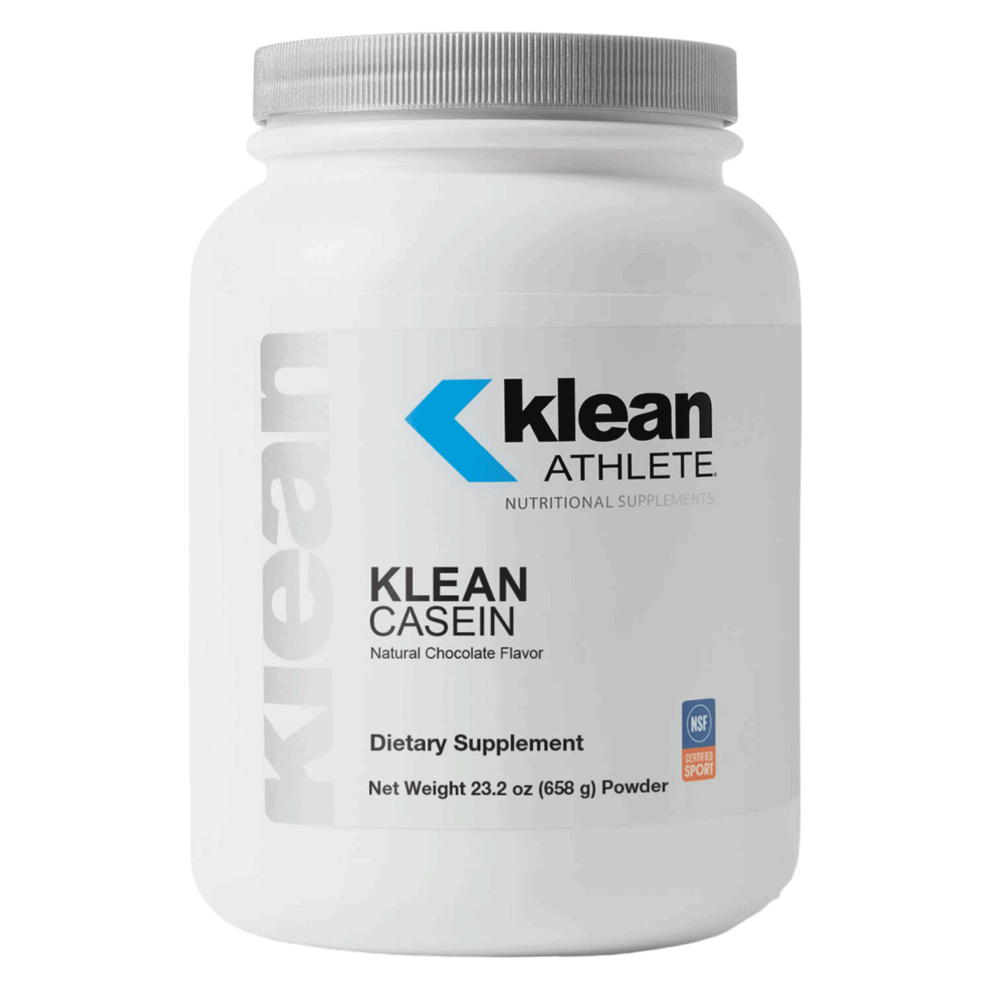
Casein Natural Chocolate
Klean Athlete
658 grams
$68.50Save 20% with Subscribe & Save
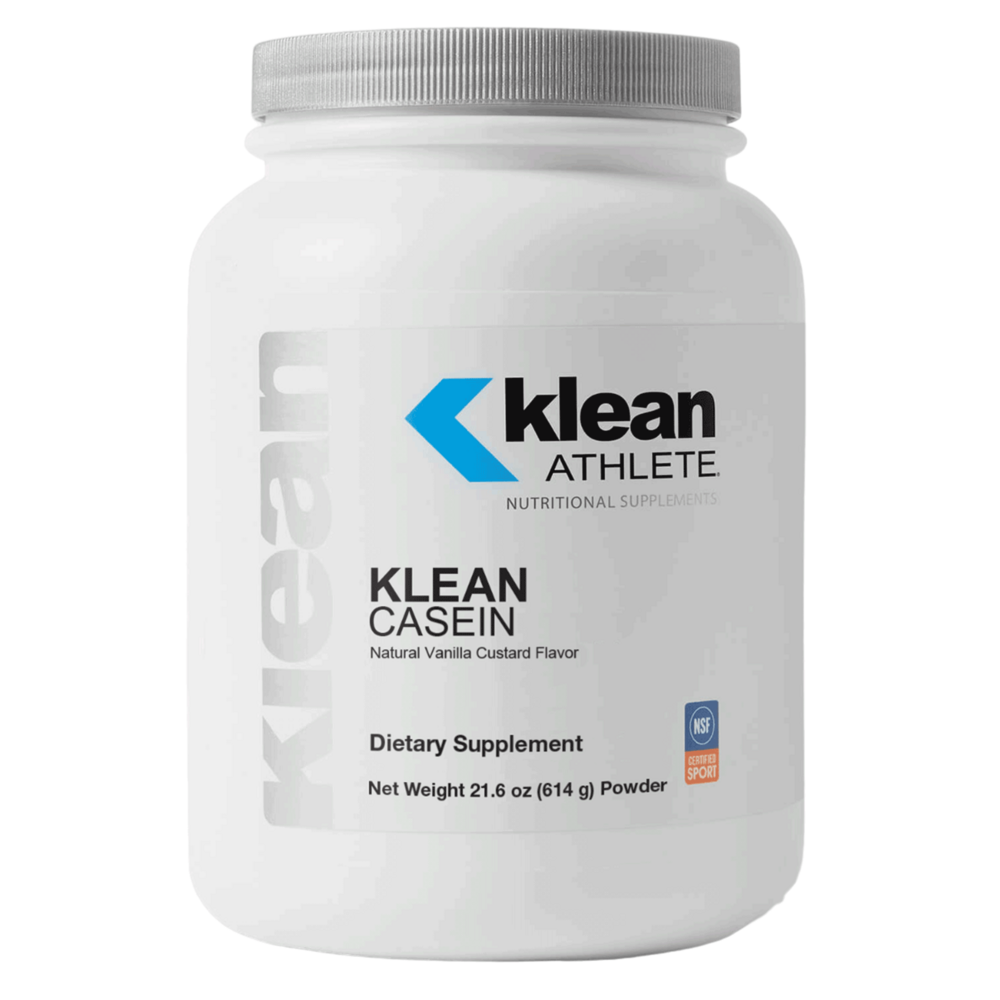
Casein Natural Vanilla Custard Flavor
Klean Athlete
614 grams
$68.50Save 20% with Subscribe & Save
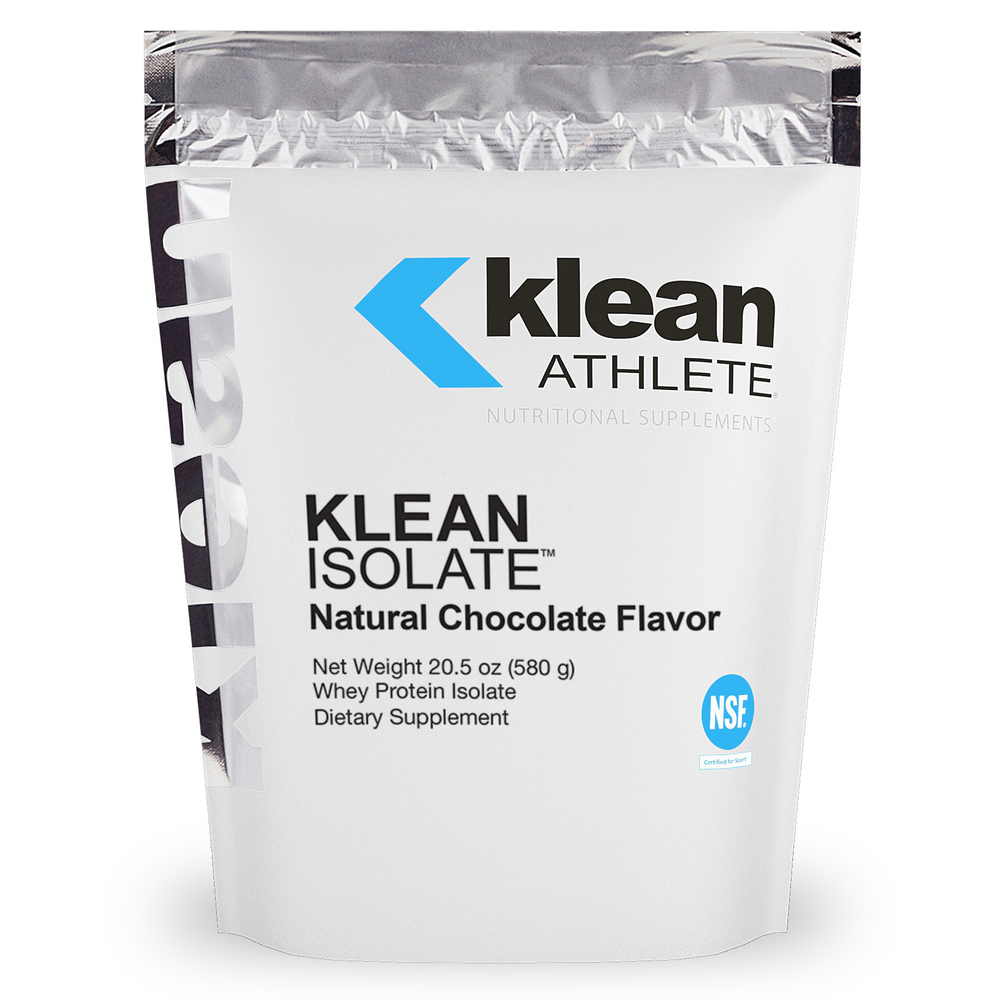
Klean Isolate Natural Chocolate
Klean Athlete
580 grams
$64.50Save 19% with Subscribe & Save
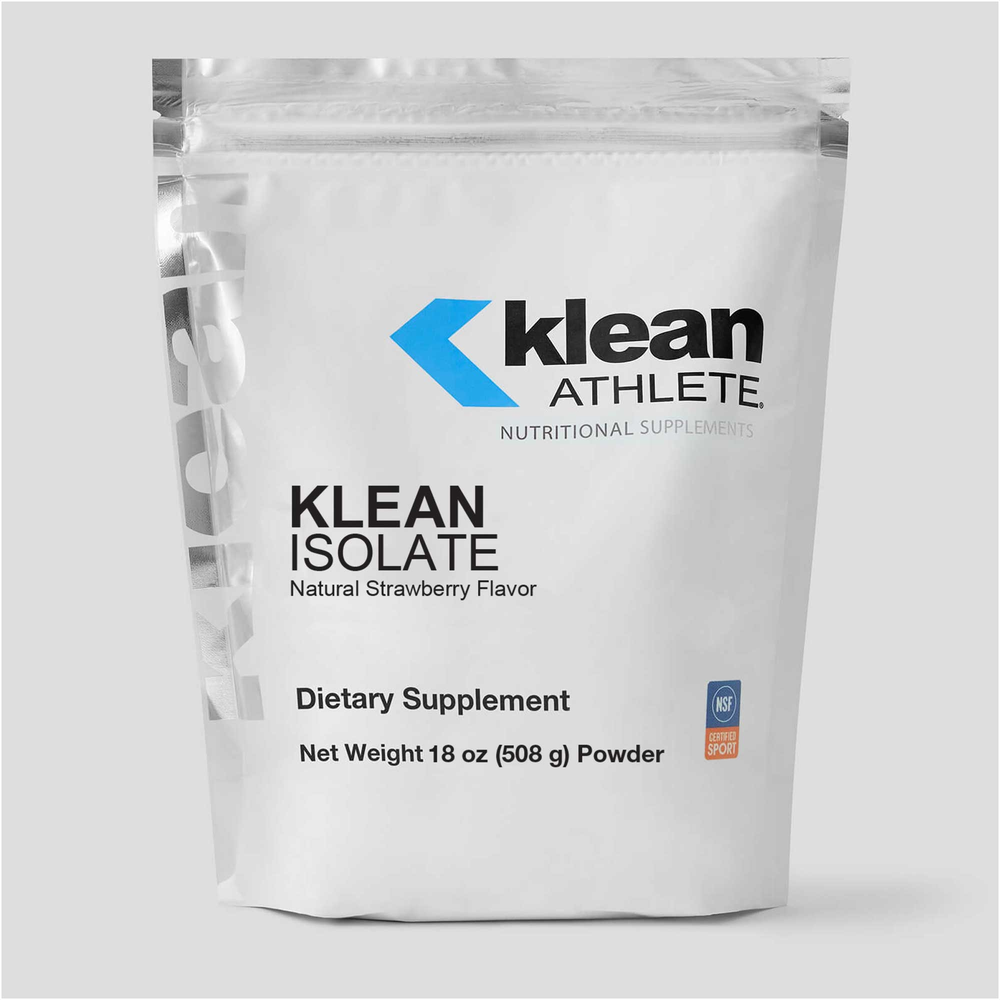
Klean Isolate Natural Strawberry
Klean Athlete
508 grams
$64.50Save 19% with Subscribe & Save