 Instalab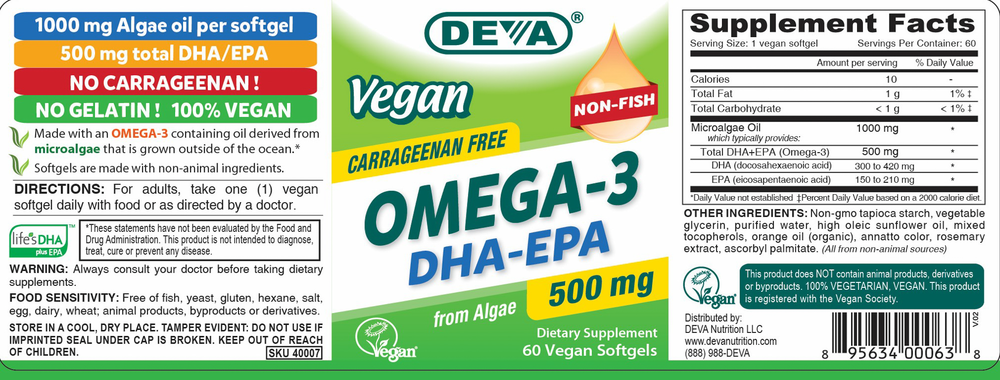

Deva Nutrition
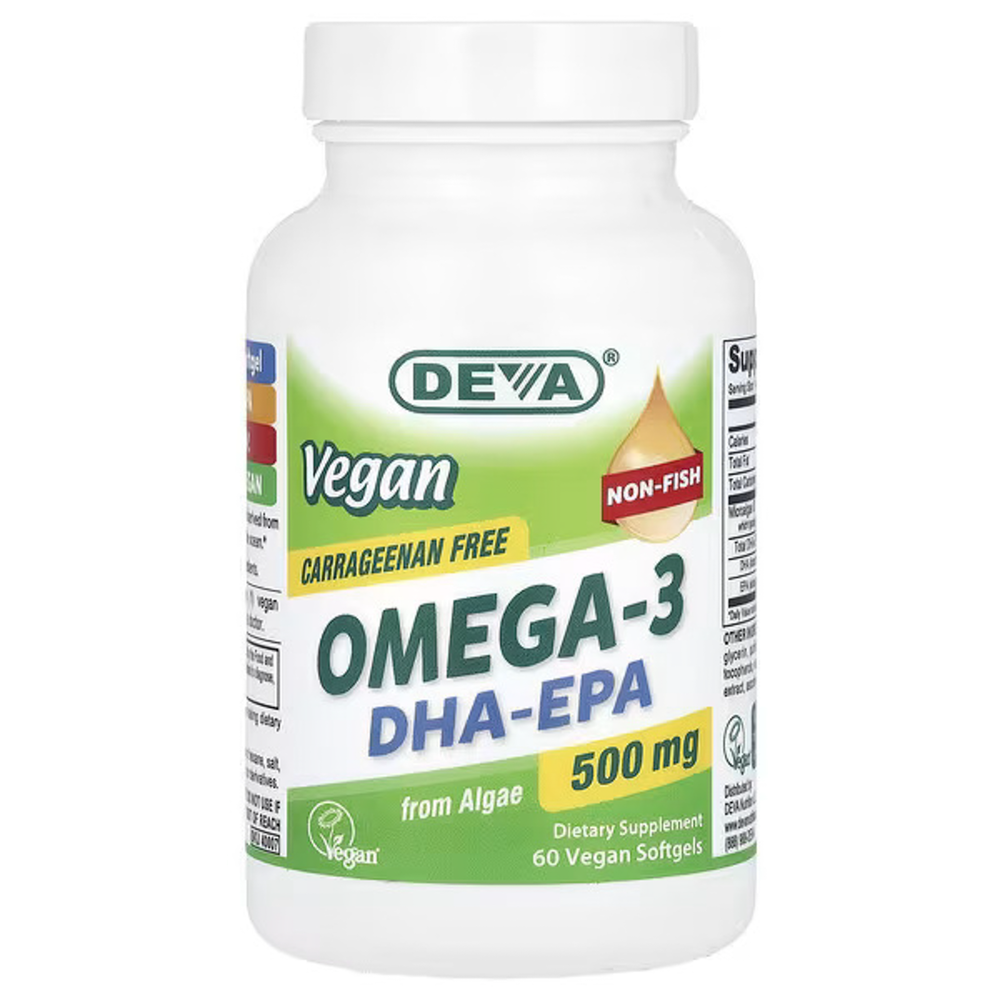
Vegan Omega-3 DHA-EPA 500 mg by Deva Nutrition
60 softgels · 60-day supply
Plant-Based Omega-3 for Heart, Brain, and Overall Wellness$39.99
This item is currently out of stockGet notified when this item is back in stock
Practitioner-grade brand3rd-party testedFree shipping $50+
Vegan·Vegetarian·Gluten Free·Dairy Free·Fish Free·Wheat Free·
Deva Nutrition Vegan Omega-3 DHA-EPA 500 mg overview
If you avoid fish and want EPA and DHA without relying on flax, this vegan omega-3 DHA EPA fits. ALA from plants doesn’t convert well to EPA/DHA, so algae oil is the direct source to raise an Omega-3 Index. It’s a maintenance-level 500 mg dose, best for plant-based eaters, those with low seafood intake, or pregnancy planning when fish is limited. If your triglycerides are elevated, this amount is usually too low for reduction on its own.
EPA and DHA from microalgae are the same molecules found in fish oil, just grown on land without marine contaminants. They reduce how much fat your liver loads into VLDL particles (the carriers that appear on a lipid panel as triglycerides) and shift cell membranes toward producing calmer signaling molecules, which is why some people see lower hs-CRP (a marker of inflammation). At 500 mg daily, expect steady membrane enrichment more than dramatic lipid changes.
Take one softgel with a meal that contains fat, which improves omega-3 absorption. Consistency matters: recheck your Omega-3 Index after 8 to 12 weeks to see the effect. If your level stays low, consider doubling the daily dose or adding a higher-strength algae or fish oil under guidance. For targeted triglyceride lowering, most responders need grams per day of combined EPA+DHA, not hundreds of milligrams.
Omega-3 can mildly prolong bleeding time; if you take anticoagulants or antiplatelet drugs, check with your clinician, though this 500 mg dose is modest. Orlistat (a fat-blocker) and bile acid sequestrants like cholestyramine can reduce absorption; separate dosing by several hours. Fish or shellfish allergy is not a concern with algae oil. If you have upcoming surgery, pause omega-3 a week beforehand unless your surgeon advises otherwise.
Frequently asked questions
Is algae omega-3 as good as fish oil?
Yes. EPA and DHA from microalgae are chemically identical to fish oil. The difference is source and dose. This provides 500 mg total omega-3, which is a maintenance dose; higher-dose fish or algae oils are used for triglyceride reduction.
Will 500 mg of omega-3 lower my triglycerides?
Unlikely on its own. Clinically meaningful triglyceride drops usually require 2–4 grams per day of EPA+DHA. This 500 mg softgel is better for maintaining an adequate Omega-3 Index rather than treating high triglycerides.
How long does vegan omega-3 take to work?
Cell membrane levels rise gradually, with measurable changes in the Omega-3 Index in 8–12 weeks. Triglyceride changes, if you’re on a higher dose, are typically seen within a similar timeframe once a stable daily intake is reached.
Does omega-3 thin your blood?
Omega-3 can slightly increase bleeding time, especially at gram-level doses. At 500 mg daily the effect is modest, but if you’re on anticoagulants or antiplatelet drugs, get personalized advice before starting.
Is vegan omega-3 safe in pregnancy?
Algal DHA/EPA is commonly used in pregnancy because it’s free of fish allergens and mercury. Discuss dosing with your obstetric clinician; many prenatal protocols target at least several hundred milligrams of DHA daily.
What’s the difference between ALA and EPA/DHA?
ALA is the plant omega-3 in flax and chia. The body converts only a small fraction into EPA and DHA. Algae oil provides preformed EPA/DHA directly, which is more reliable for raising the Omega-3 Index.
Can I take omega-3 with statins?
Yes. Omega-3 and statins are often used together; they act through different pathways. If you’re targeting triglycerides, you’ll likely need gram-level EPA/DHA, not a 500 mg maintenance dose.
Do I need to take omega-3 with food?
Yes. Taking omega-3 with a meal that contains fat improves absorption and reduces aftertaste. Taking it at the same meal daily helps keep levels steady.
How to take it & ingredients
Suggested use: For adults, take one vegan softgel daily with food or as directed by a doctor.
Active ingredients
1 softgel per serving · 60 servings
▼
Omega-3 Fatty Acids
Microalgae oil (Schizochytrium sp. extract)
Microalgae oil (Schizochytrium sp. extract)
500 mg
Docosahexaenoic Acid (DHA)
300 - 420 mg
Eicosapentaenoic Acid (EPA)
150 - 210 mg
Other ingredients: Non-GMO tapioca starch, Vegetable glycerin, Purified water, High oleic sunflower oil, Mixed tocopherols, Orange oil (organic), Annatto color, Rosemary extract, Ascorbyl palmitate
Certifications
Benefits
Warnings
Customers also considered
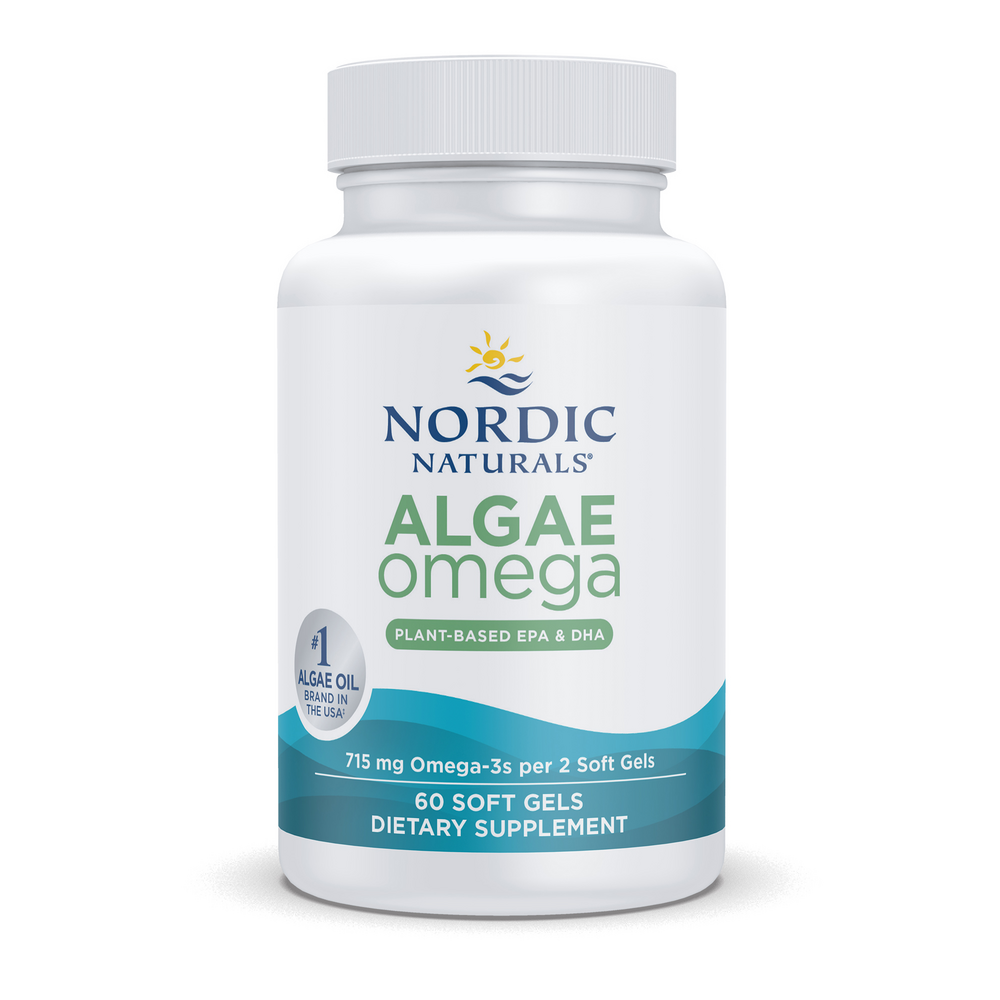
Algae Omega
Nordic Naturals
60 softgels
$30.99Save 19% with Subscribe & Save
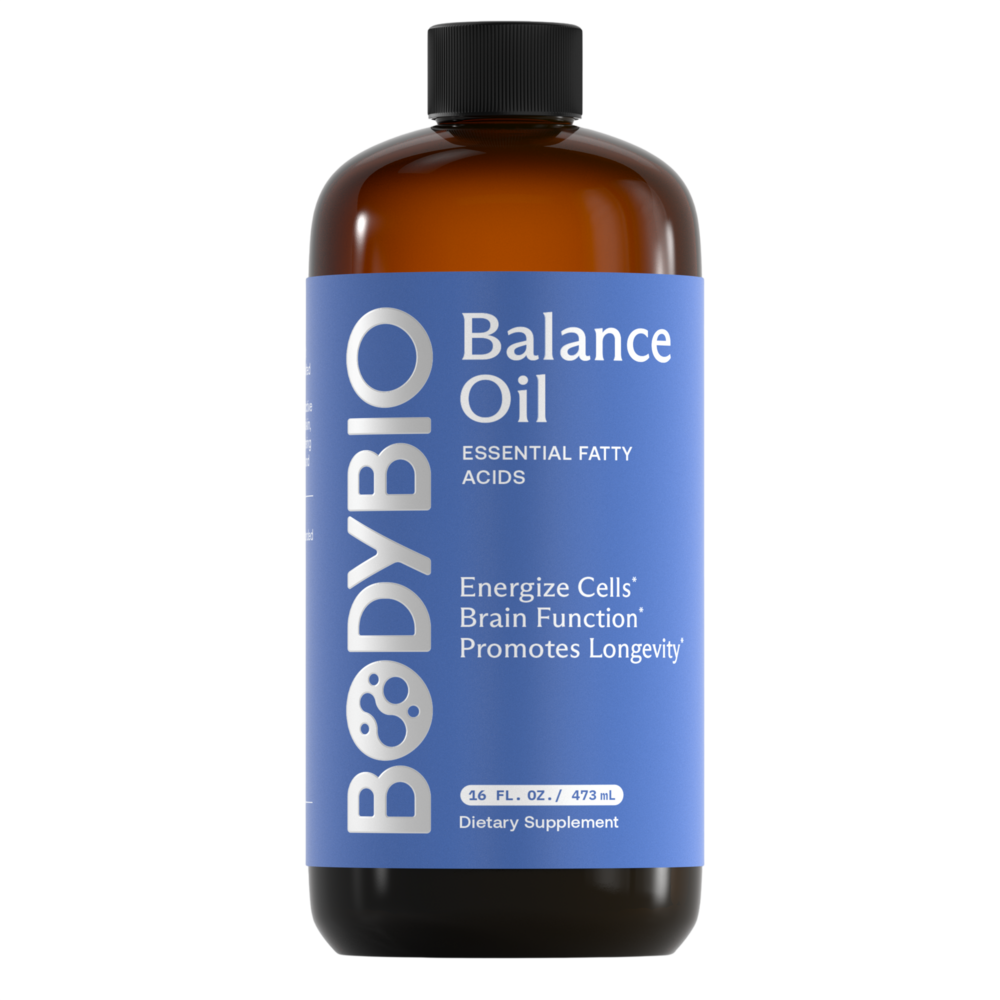
BodyBio Balance Oil
Body Bio
473 milliliters
$36.99Save 19% with Subscribe & Save
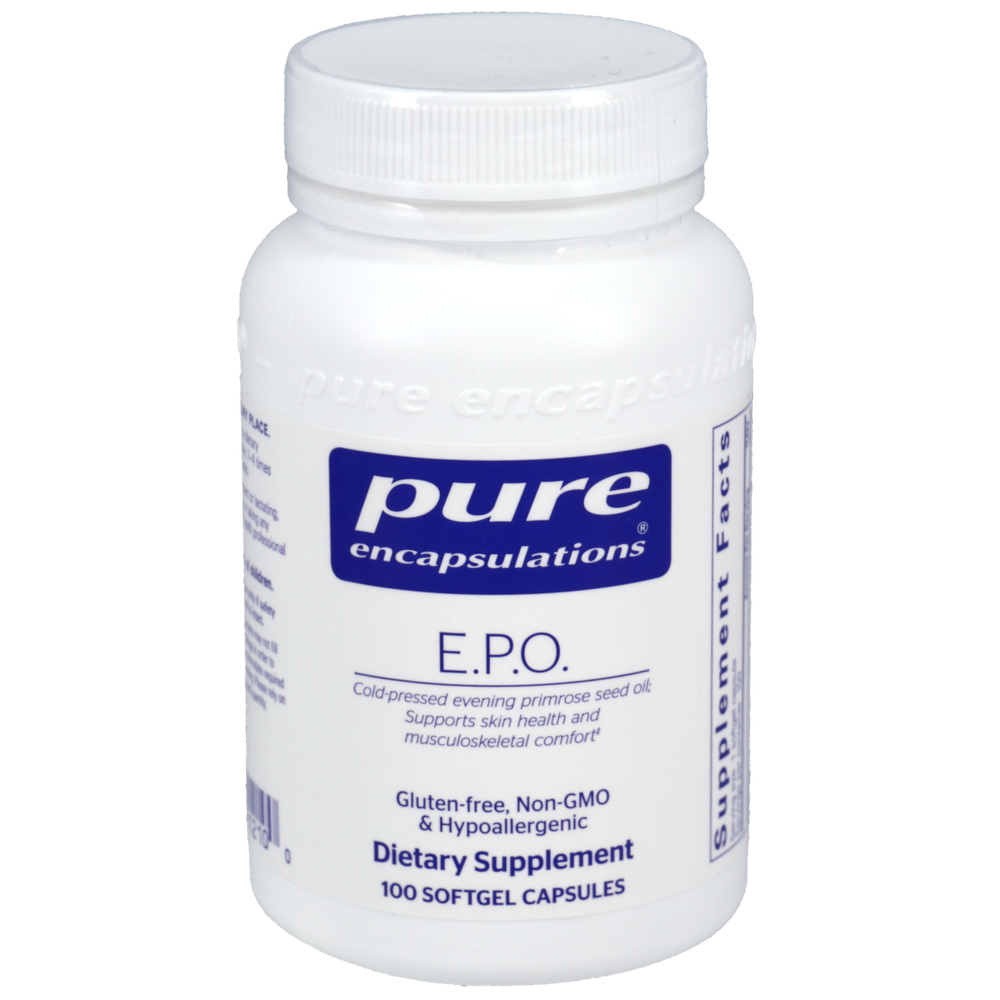
EPO
Pure Encapsulations
100 softgels
$33.00Save 21% with Subscribe & Save
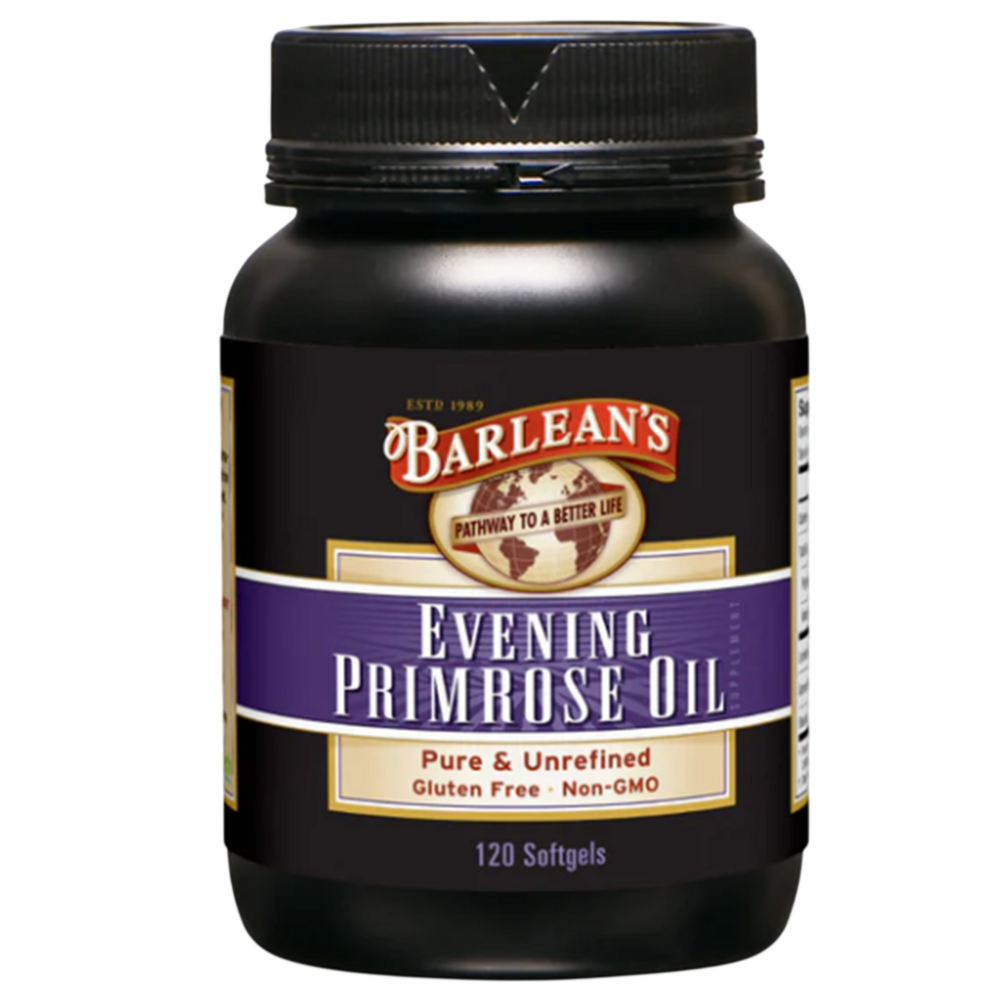
Evening Primrose Oil
Barlean's Organic Oils
120 softgels
$39.99Save 20% with Subscribe & Save