 Instalab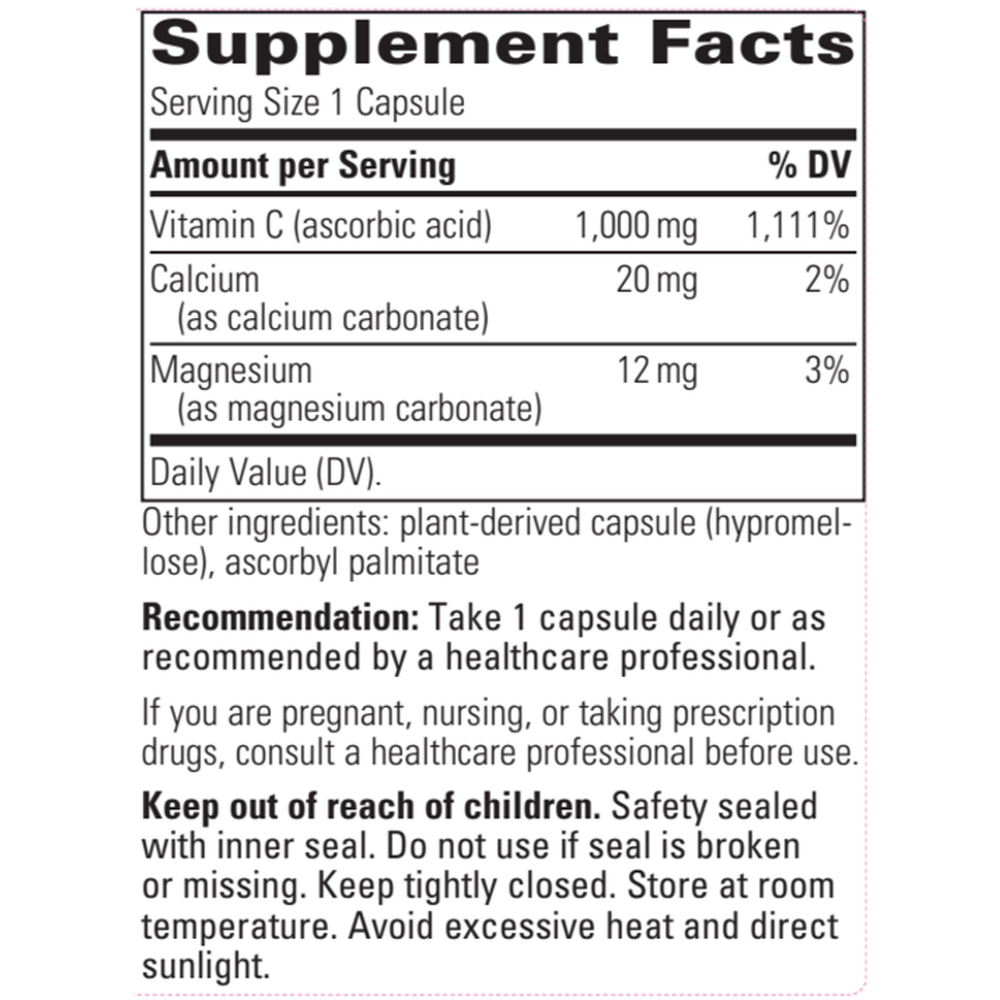
Integrative Therapeutics
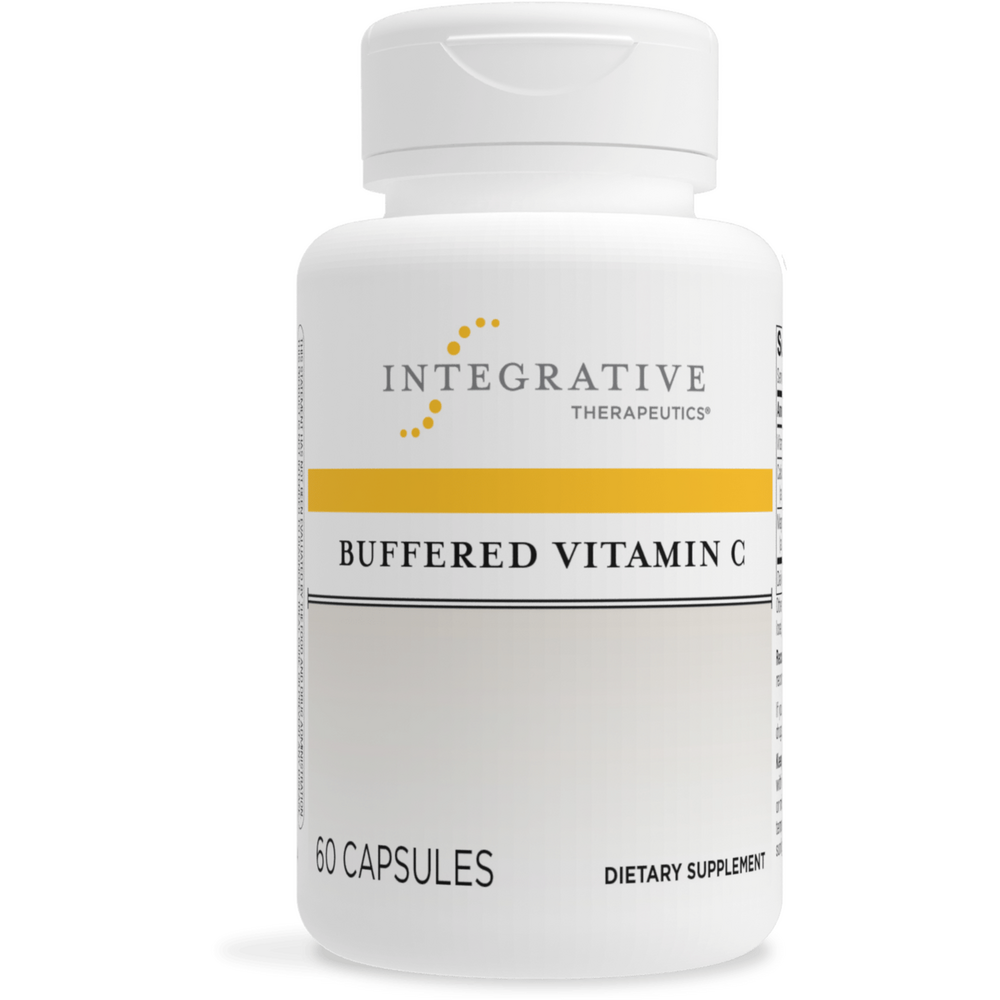
Buffered Vitamin C by Integrative Therapeutics
60 capsules · 60-day supply
Buffered Vitamin C for Gentle, Effective Immune Support$15.99
Purchase options
Practitioner-grade brand3rd-party testedFree shipping $50+
Gluten Free·Soy Free·Salt Free·Wheat Free·Artificial Color Free·Artificial Flavor Free
Integrative Therapeutics Buffered Vitamin C overview
If plain vitamin C upsets your stomach, buffered vitamin C delivers the same 1,000 mg of ascorbic acid in a gentler mineral form. It’s a practical pick if your fruit-and-vegetable intake is low, you smoke or vape (vitamin C turns over faster), or your Vitamin C, Plasma is low-normal. Endurance athletes and frequent flyers often use daily vitamin C for immune resilience. It also pairs well with non-heme iron when Ferritin is low, because vitamin C improves iron absorption.
Vitamin C is a required cofactor for collagen building enzymes, which is why it helps maintain skin, gums, and connective tissue. It also regenerates vitamin E in membranes and supports white blood cells during infection. The buffering minerals (calcium and magnesium carbonates) reduce acidity in the capsule, so you get the antioxidant and tissue repair benefits with a lower chance of heartburn or loose stools. Daily use can modestly shorten cold duration; it doesn’t reliably prevent colds in the general population.
Take one capsule daily, ideally with food if you’re sensitive. Absorption of vitamin C saturates at higher single doses, so if you need more than 1,000 mg, split the total into two or three doses. Combine your dose with iron if you’re repleting non-heme iron, and recheck Ferritin after several weeks. Plasma vitamin C typically improves within 1 to 2 weeks, and gastrointestinal tolerance is usually better with this buffered form.
Skip high-dose vitamin C if you have a history of calcium oxalate kidney stones, significant kidney disease, or iron overload (such as hemochromatosis). Coordinate with your oncology team if you’re on chemotherapy or radiation. High intakes can increase aluminum absorption from antacids; avoid taking them together. Large doses can skew some tests (fingerstick glucose, fecal occult blood), so tell your clinician before labs. If using iron, this is a good companion, but monitor levels.
Frequently asked questions
What does “buffered” vitamin C mean, and is it gentler?
Buffered vitamin C is ascorbic acid combined with mild minerals like calcium and magnesium carbonates to reduce acidity. Many people find it easier on the stomach with less heartburn or diarrhea than plain vitamin C powder or tabs.
How long does vitamin C take to raise my levels?
Plasma vitamin C usually rises within 1–2 weeks of daily use. If your diet has been very low in produce or you smoke, it can take a bit longer. Retest Vitamin C, Plasma if you’re tracking repletion.
Does vitamin C actually help with colds?
Taken daily, vitamin C modestly shortens cold duration; it doesn’t consistently prevent colds in the general population. In endurance athletes and people under heavy physical stress, incidence and days sick are reduced more noticeably.
Can I take vitamin C with iron?
Yes. Vitamin C improves absorption of non-heme iron. If you’re supplementing iron for low Ferritin, take them together and recheck labs after several weeks. If you have iron overload, avoid extra vitamin C unless directed by a clinician.
Will vitamin C upset my stomach?
Some people get reflux or loose stools at higher doses. Buffered vitamin C is typically better tolerated. Taking it with food and splitting larger daily totals into smaller doses reduces gastrointestinal side effects.
Does vitamin C cause kidney stones?
High intakes can raise urinary oxalate in some people and may increase risk in those with prior calcium oxalate stones. If you’ve had stones or have kidney disease, avoid high-dose vitamin C and discuss dosing with your clinician.
Can vitamin C affect lab tests or glucose meters?
Yes. High doses can interfere with some fingerstick glucose readings and stool occult blood tests. Let your clinician know what you’re taking and consider pausing before certain labs if advised.
Is vitamin C safe in pregnancy?
At typical supplement doses, vitamin C is generally considered safe in pregnancy. Avoid megadoses and follow your prenatal clinician’s guidance, especially if you’re also taking iron.
How to take it & ingredients
Suggested use: Take 1 capsule daily or as recommended by your healthcare professional.
Active ingredients
1 capsule per serving · 60 servings
Vitamin C
1000 mg
Calcium
Calcium Carbonate
Calcium Carbonate
20 mg
Magnesium
Magnesium Carbonate
Magnesium Carbonate
12 mg
Other ingredients: Hydroxypropyl methylcellulose (vegetable capsule), Calcium laurate
Certifications
Benefits
Warnings
Customers also considered
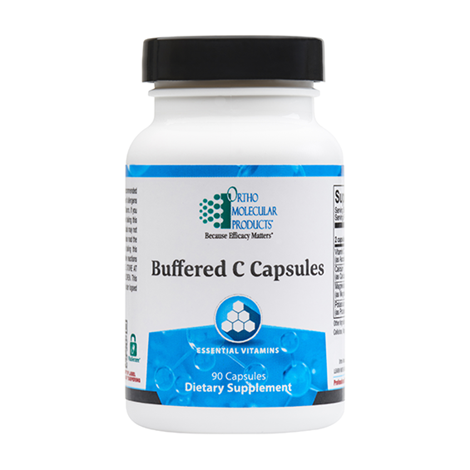
Buffered C Capsules
Ortho Molecular Products
90 capsules
$36.57$32.95 with Subscribe & Save
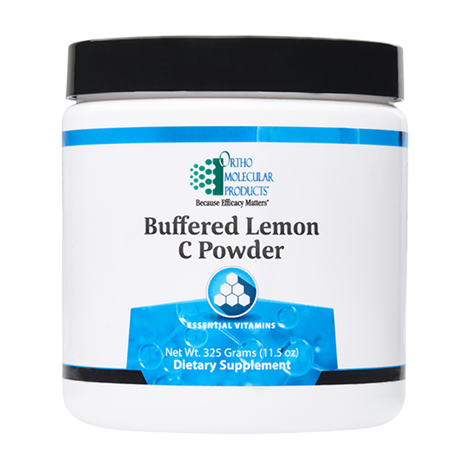
Buffered Lemon C Powder
Ortho Molecular Products
325 grams
$63.99$57.65 with Subscribe & Save
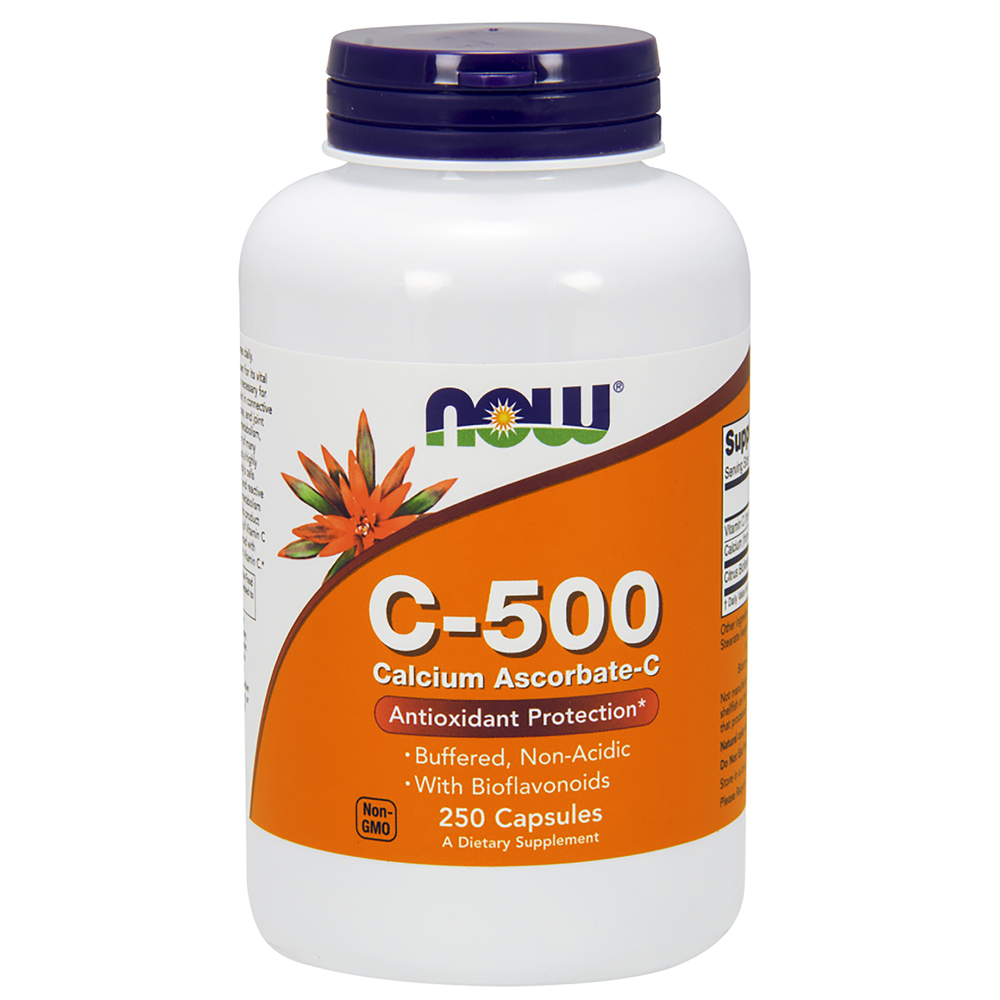
C-500 Calcium Ascorbate-C
Now Foods
250 capsules
$24.99$19.99 with Subscribe & Save
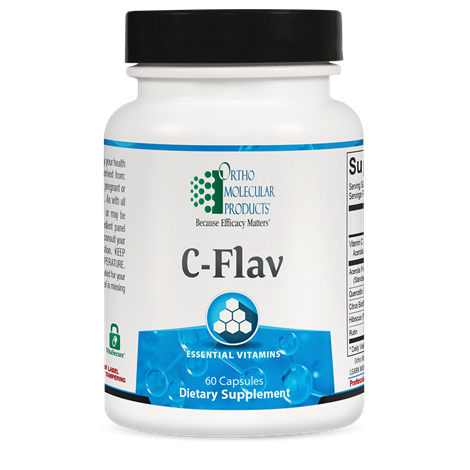
C-Flav
Ortho Molecular Products
60 capsules
$46.23$41.65 with Subscribe & Save