 Instalab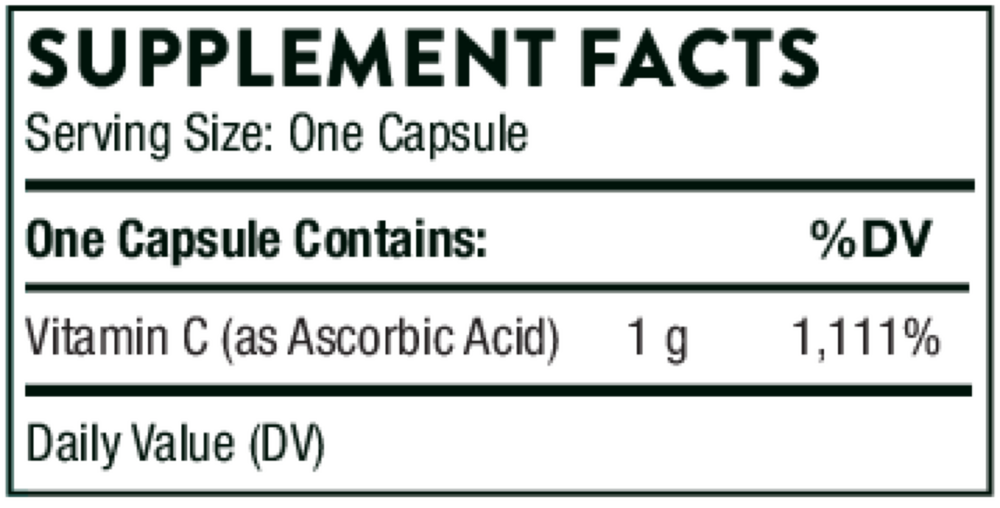
Thorne
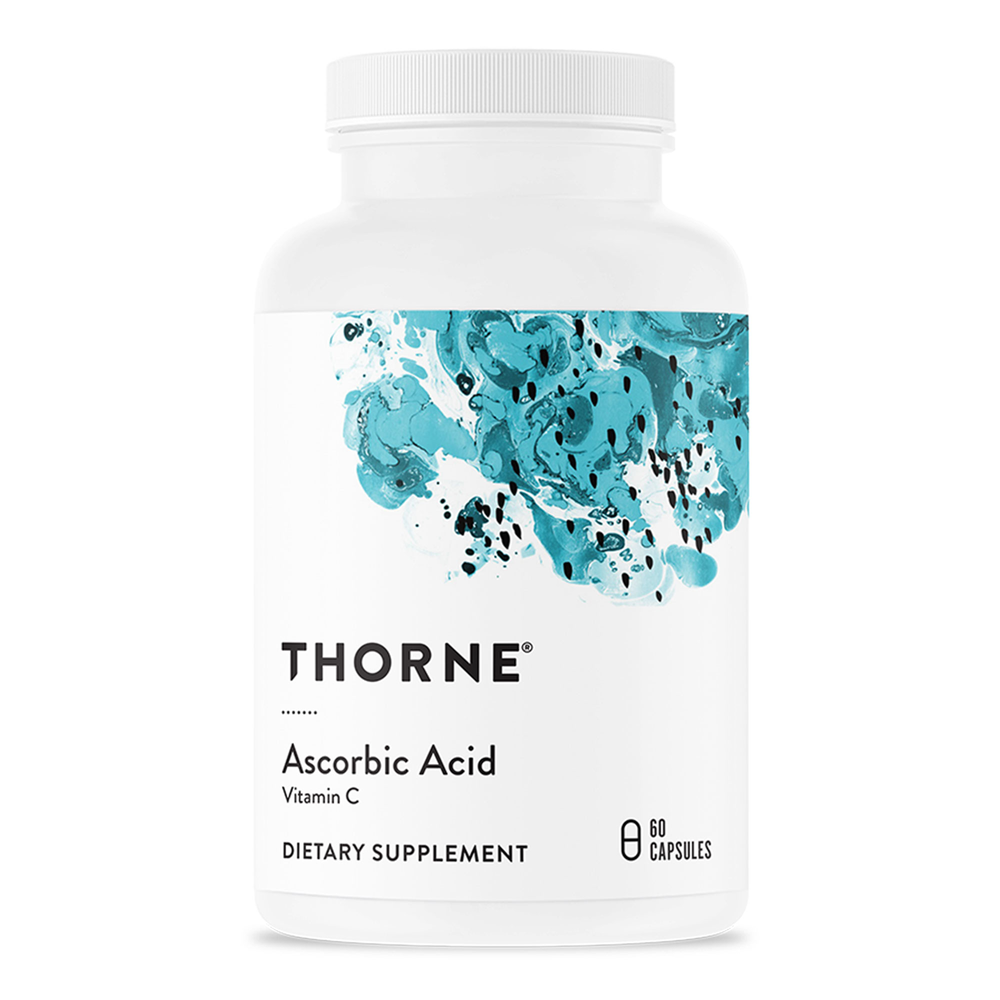
Vitamin C 1,000 mg (Formerly Ascorbic Acid) by Thorne
60 capsules · 60-day supply
Powerful Antioxidant Support for Immune and Skin Health$19.00
Purchase options
Practitioner-grade brand3rd-party testedFree shipping $50+
Gluten Free·Soy Free·Dairy Free·Milk Free
Thorne Vitamin C 1,000 mg (Formerly Ascorbic Acid) overview
If you’re searching for “vitamin C 1000 mg benefits,” this dose fits adults who eat few fruits and vegetables, smokers and secondhand smoke–exposed households, endurance athletes in heavy training, and anyone recovering from surgery or wounds. It’s also useful if your Ferritin (the iron storage marker) is low and you rely on plant iron, because vitamin C boosts non‑heme iron absorption. For those with established deficiency, repletion often needs a clinician‑guided plan, then this as maintenance.
Ascorbic acid (vitamin C) is the form your gut absorbs directly, and humans must get it from diet because we lack the enzyme that makes it. It’s a required cofactor for collagen enzymes that strengthen skin, tendons, and blood vessels, which is why it matters for healing. It also regenerates vitamin E in membranes and neutralizes free radicals. For colds, regular vitamin C modestly shortens duration in some people; starting it after symptoms begin doesn’t reliably help.
Take one capsule daily with food as Thorne suggests. If you have a sensitive stomach, splitting the dose with two meals or choosing a buffered form (like sodium ascorbate) can reduce GI upset. Pair it with plant‑based iron at meals if you’re working on Ferritin. High single doses can cause loose stools; titrate down to the highest comfortable dose. There’s no best time of day, but consistency matters more than timing.
If you’ve had calcium‑oxalate kidney stones (the most common type), chronic kidney disease, or iron overload conditions like hemochromatosis, talk to your clinician before taking vitamin C 1000 mg, since it can raise oxalate (a stone‑forming compound) and iron absorption. Some home glucose meters read falsely high or low with high vitamin C, so confirm device compatibility. Cancer patients on certain chemotherapies should coordinate dosing; high‑dose antioxidants can conflict with some regimens.
If you track Vitamin C, plasma/serum, levels can reflect recent intake more than tissue stores, so interpret trends, not a single number. For inflammation, vitamin C is not a reliable way to lower hs‑CRP (a general inflammation marker) on its own. If your goal is iron repletion, watch Ferritin and hemoglobin over 4 to 12 weeks while pairing vitamin C with your iron source.
Frequently asked questions
Does vitamin C 1000 mg prevent colds?
No. Regular daily vitamin C doesn’t prevent most colds, but it can modestly shorten how long they last in some people. Starting it after symptoms begin hasn’t shown meaningful benefit. If you’re training hard in cold weather, benefits are a bit more likely.
How long does vitamin C take to work for skin or wound healing?
For wound healing and skin integrity, expect changes over weeks, not days. Collagen‑dependent healing is typically monitored over 4 to 12 weeks. If you’re truly deficient, improvements can be faster, but deeper tissue remodeling still takes time and adequate protein.
Can I take vitamin C with iron?
Yes. Vitamin C improves absorption of non‑heme iron from plants and many iron supplements. Take them with a meal if you’re prone to nausea. Track Ferritin and hemoglobin with your clinician to avoid overshooting, especially if you don’t menstruate.
What are common side effects of vitamin C 1000 mg?
The main side effects are GI: stomach upset, gas, or loose stools, especially at higher single doses. Splitting the dose, taking with food, or using a buffered form can help. Persistent symptoms mean the dose is too high for you.
Does vitamin C cause kidney stones?
It can increase urinary oxalate in some people, which may raise calcium‑oxalate stone risk. If you’ve had stones or have kidney disease, discuss dosing with your clinician and emphasize hydration. Many stone‑free adults tolerate 1,000 mg without issue.
Is ascorbic acid different from buffered vitamin C?
Ascorbic acid is the acidic form. Buffered vitamin C (like sodium or calcium ascorbate) is gentler on the stomach but delivers the same vitamin C once absorbed. Choose buffered if you get heartburn or GI upset with acidic supplements.
Can I take vitamin C at night?
Yes. Vitamin C isn’t stimulating, so timing is flexible. Take it when you’ll remember consistently, with a snack or meal if you’re prone to stomach upset. Consistency over weeks matters more than the specific hour.
Does vitamin C interact with medications?
At typical oral doses, serious interactions are uncommon. It can increase aluminum absorption from antacids and may interfere with certain chemo regimens. Very high intakes can affect some glucose meters. When in doubt, clear it with your clinician.
How to take it & ingredients
Suggested use: Adults take one capsule daily, with food, or as directed by your healthcare professional.
Active ingredients
1 capsule per serving · 60 servings
Vitamin C
Ascorbic Acid
Ascorbic Acid
1000 mg
Other ingredients: Calcium Laurate, Cellulose, Hypromellose Capsule
Certifications
Benefits
Warnings
Customers also considered
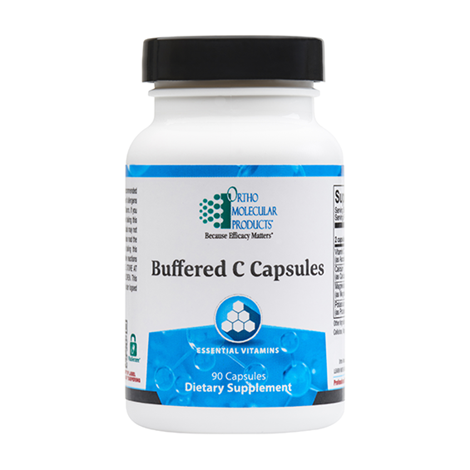
Buffered C Capsules
Ortho Molecular Products
90 capsules
$36.57$32.95 with Subscribe & Save
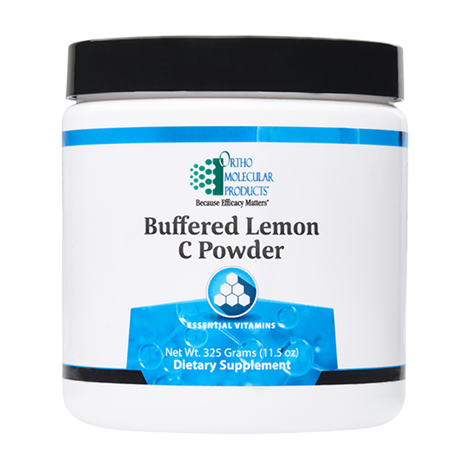
Buffered Lemon C Powder
Ortho Molecular Products
325 grams
$63.99$57.65 with Subscribe & Save
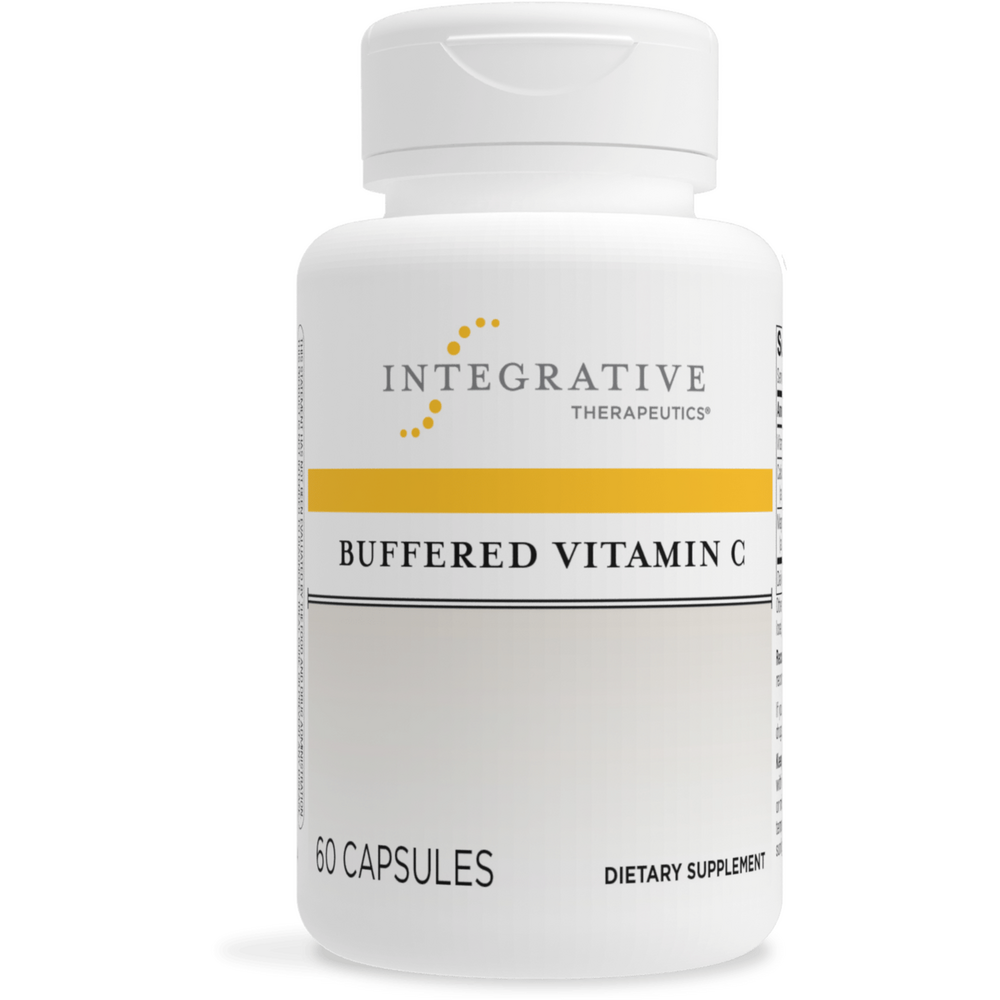
Buffered Vitamin C
Integrative Therapeutics
60 capsules
$15.99$12.99 with Subscribe & Save
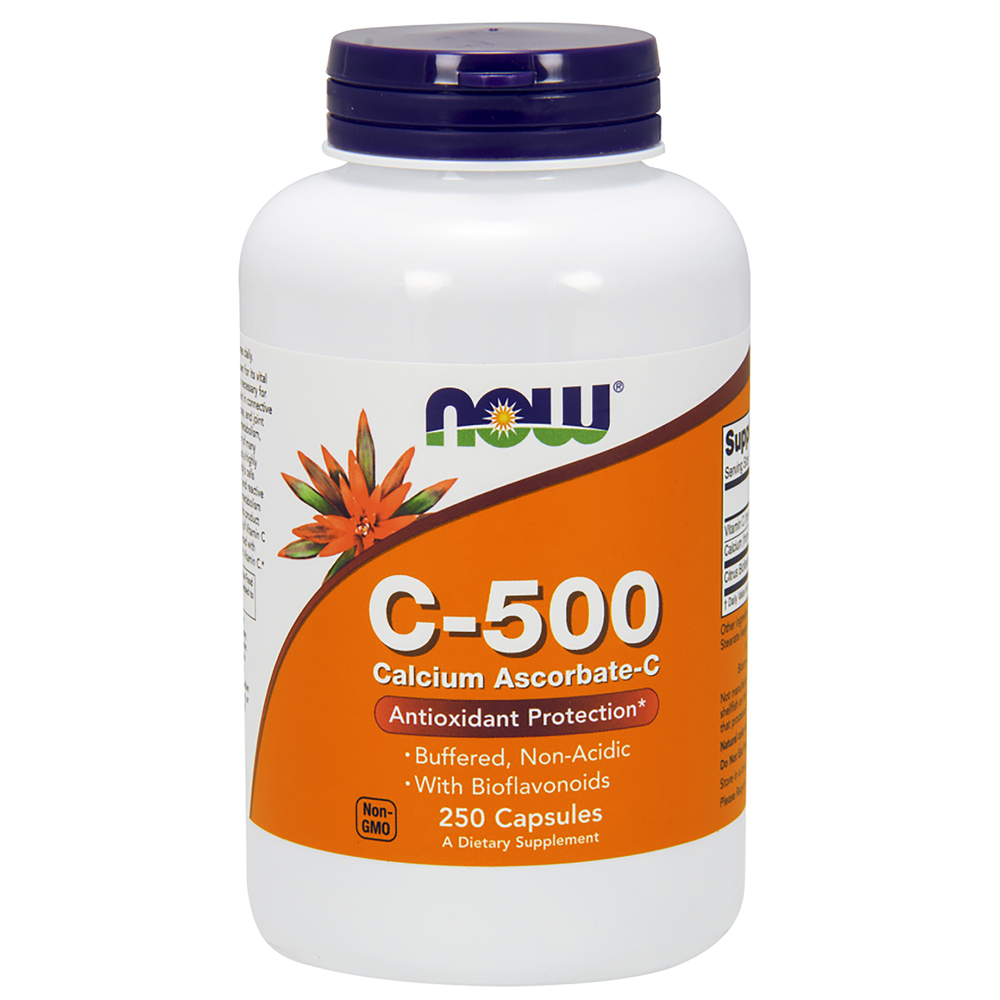
C-500 Calcium Ascorbate-C
Now Foods
250 capsules
$24.99$19.99 with Subscribe & Save