 Instalab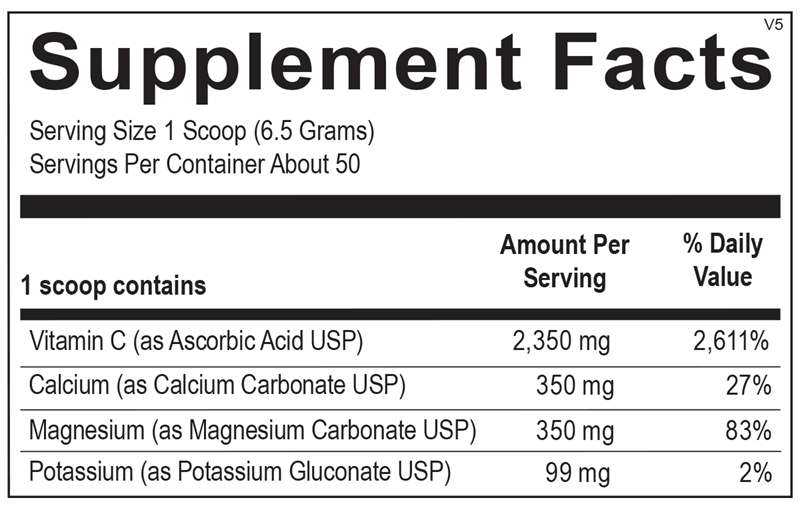
Ortho Molecular Products
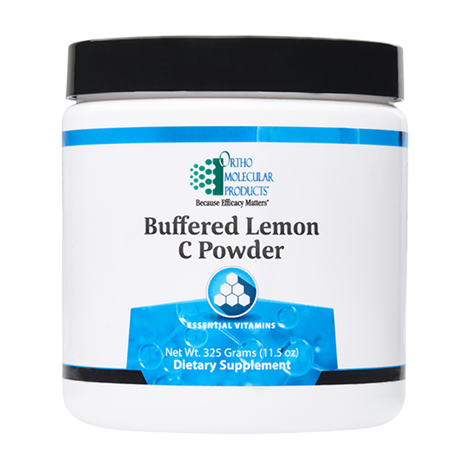
Buffered Lemon C Powder by Ortho Molecular Products
325 grams · 50-day supply
Buffered Vitamin C for Immune Support and Enhanced Mineral Absorption$63.99
Purchase options
Practitioner-grade brand3rd-party testedFree shipping $50+
Gluten Free·Yeast Free·Artificial Color Free·Artificial Flavor Free
Ortho Molecular Products Buffered Lemon C Powder overview
If regular vitamin C upsets your stomach, a buffered vitamin C powder is the practical workaround. The alkalizing minerals here (calcium and magnesium carbonates) tame acidity, so higher doses are easier to tolerate. It suits adults aiming for immune maintenance, athletes in heavy training blocks, and people with low dietary produce. If your hs-CRP (a general inflammation marker) runs high, vitamin C sometimes nudges it down, though effects are modest. Pairing with iron when Ferritin is low can improve iron absorption.
Vitamin C is a water‑soluble antioxidant that donates electrons to neutralize free radicals, and it recycles vitamin E back to its active form. It is also required for collagen cross‑linking, which supports skin, tendons, and blood vessels, and for making carnitine, the shuttle that helps cells burn fat for energy. In respiratory infections, routine vitamin C can shorten symptom duration slightly; starting it only after you get sick does little. The buffering minerals reduce gastric irritation without changing vitamin C’s activity.
Mix one scoop in water once daily. With 2,350 mg of vitamin C per scoop, many people do better splitting the dose morning and evening to avoid loose stools. Take with food if you have a sensitive stomach. During intense training or travel exposure, clinicians often use the same daily total in divided doses for 1 to 2 weeks. If you are taking an iron supplement for low Ferritin, take vitamin C at the same time to enhance absorption.
Skip high‑dose vitamin C if you have a history of calcium oxalate kidney stones or significant kidney disease. It increases non‑heme iron absorption, so those with hemochromatosis or high Ferritin should be cautious. Separate this mineral‑buffered powder by 4 hours from levothyroxine, tetracyclines, and fluoroquinolones to avoid reduced drug absorption. Potassium here is modest, but if you use potassium‑sparing diuretics, ask your clinician. High doses can cause diarrhea and can artifactually raise some home or CGM glucose readings.
Frequently asked questions
What is buffered vitamin C and is it gentler on the stomach?
Yes. Buffered vitamin C combines ascorbic acid with alkaline minerals like calcium and magnesium. The result is less acidic, which many people find easier on the stomach at higher doses.
How much vitamin C should I take daily?
The scoop provides 2,350 mg, which is a high daily dose. Many use 200–1,000 mg for routine maintenance and reserve higher doses short term. Work with your clinician if you need sustained high intake.
Does vitamin C prevent colds or shorten them?
Taken regularly, vitamin C modestly shortens cold duration. Starting it only after symptoms begin has little effect. Expect a small difference, not a cure, and keep up with sleep and fluids.
Can I take vitamin C with iron?
Yes. Vitamin C increases non‑heme iron absorption. If your Ferritin is low and you supplement iron, taking them together is sensible. If your Ferritin is high, avoid pairing them and discuss dosing.
Will this affect my medications?
The calcium and magnesium can bind some drugs. Separate by 4 hours from levothyroxine, tetracyclines, and fluoroquinolones. If you take potassium‑sparing diuretics or have kidney disease, check with your clinician.
Can vitamin C cause kidney stones?
High intakes are linked to more calcium oxalate stones in susceptible people, especially men. If you’ve had stones or have kidney disease, avoid high-dose vitamin C unless your clinician advises it.
What side effects should I watch for?
Loose stools, gas, or cramping are the most common and often improve by splitting doses or lowering the total. Rarely, it can distort some home or CGM glucose readings at high intakes.
Is buffered vitamin C safe long term?
For most healthy adults at moderate doses, yes. Long‑term high dosing deserves monitoring for kidney risk and interactions. Reassess need using diet, symptoms, and labs like Ferritin as context.
How to take it & ingredients
Suggested use: 1 scoop (6.5 grams) in a glass of water and drink once per day or as recommended by your health care professional.
Active ingredients
1 scoop = 6.5 g per serving · 50 servings
Vitamin C
As Ascorbic Acid USP
As Ascorbic Acid USP
2350 mg
Calcium
As Calcium Carbonate USP
As Calcium Carbonate USP
350 mg
Magnesium
As Magnesium Carbonate USP
As Magnesium Carbonate USP
350 mg
Potassium
As Potassium Gluconate USP
As Potassium Gluconate USP
99 mg
Certifications
Benefits
Warnings
Customers also considered
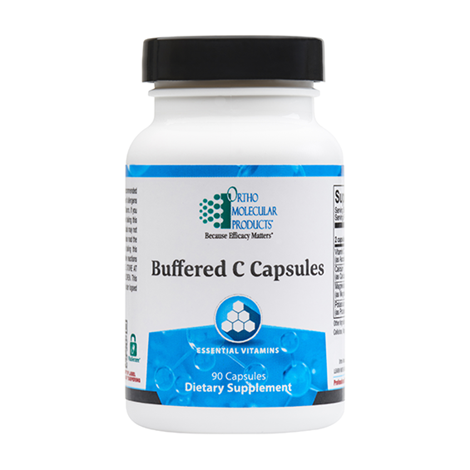
Buffered C Capsules
Ortho Molecular Products
90 capsules
$36.57$32.95 with Subscribe & Save
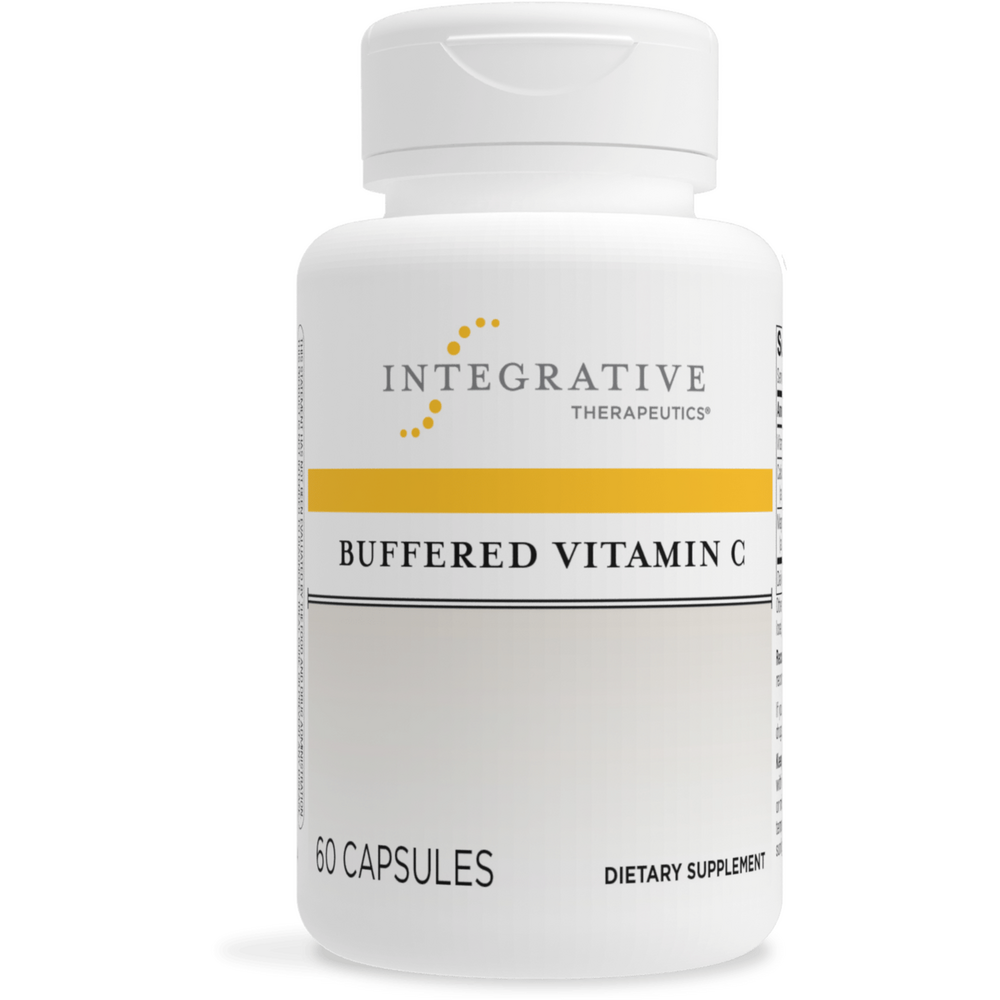
Buffered Vitamin C
Integrative Therapeutics
60 capsules
$15.99$12.99 with Subscribe & Save
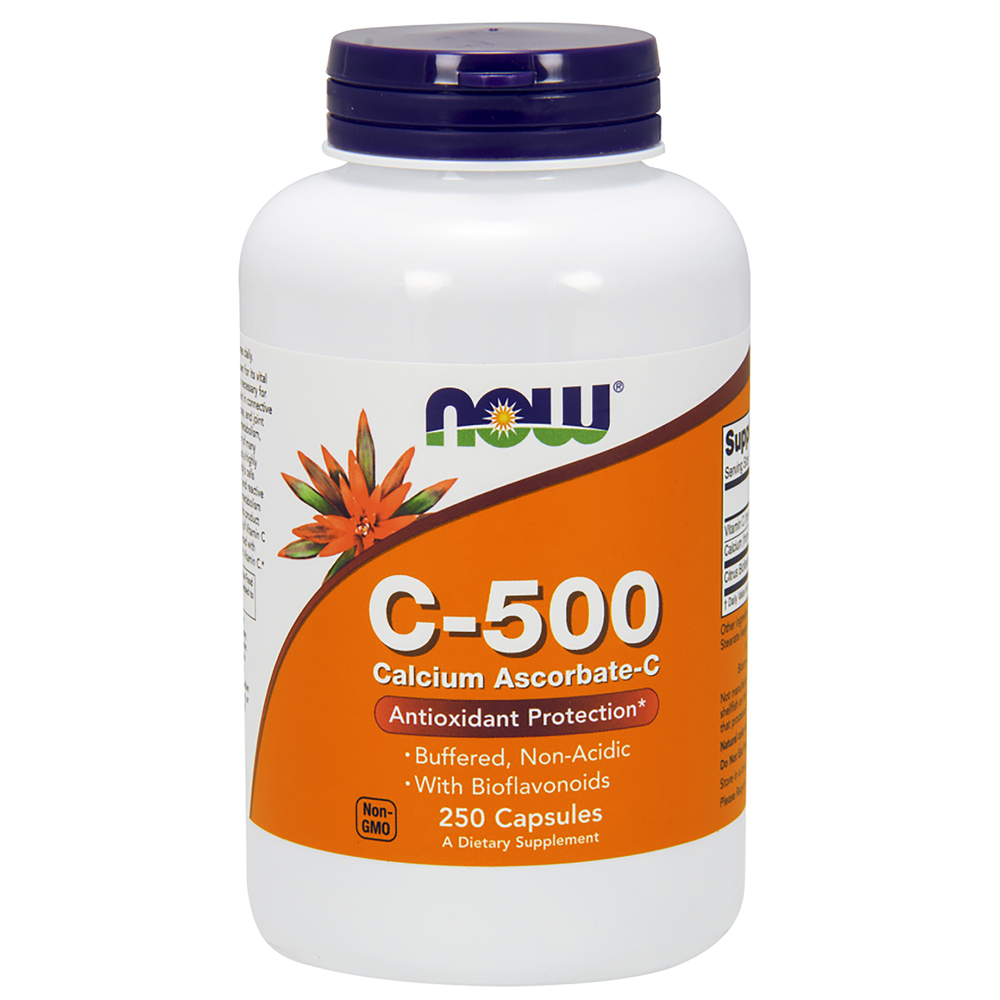
C-500 Calcium Ascorbate-C
Now Foods
250 capsules
$24.99$19.99 with Subscribe & Save
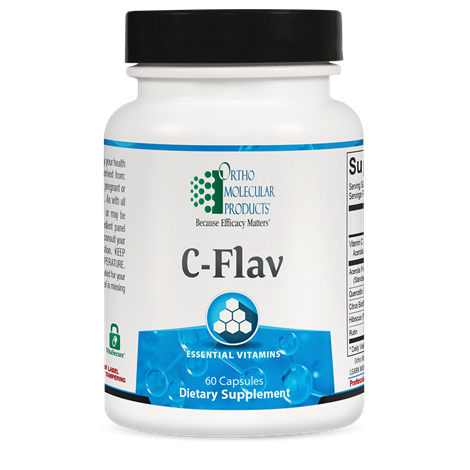
C-Flav
Ortho Molecular Products
60 capsules
$46.23$41.65 with Subscribe & Save