 Instalab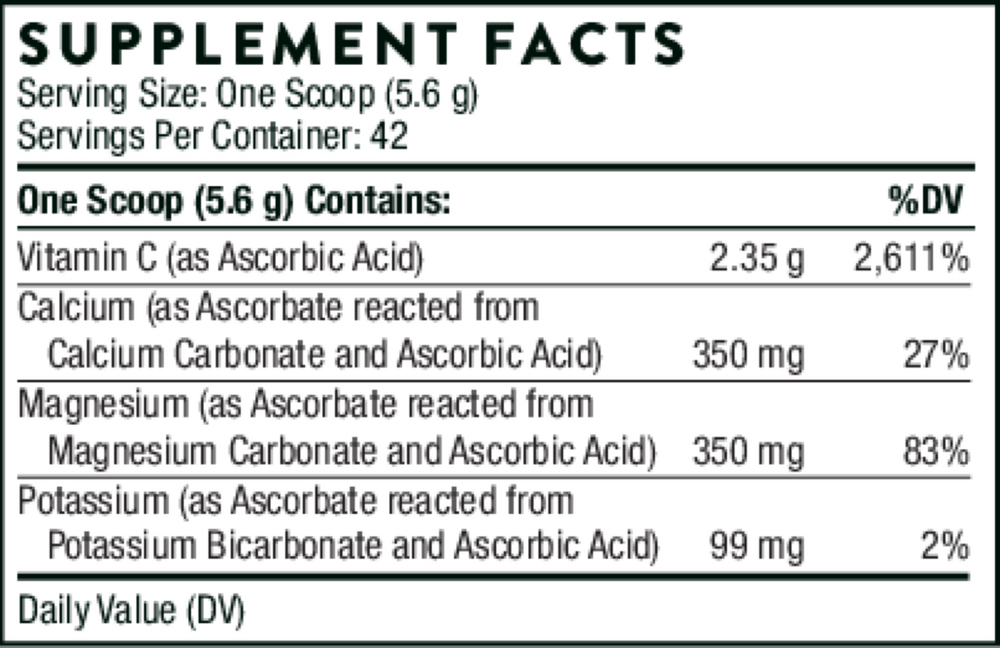

Thorne
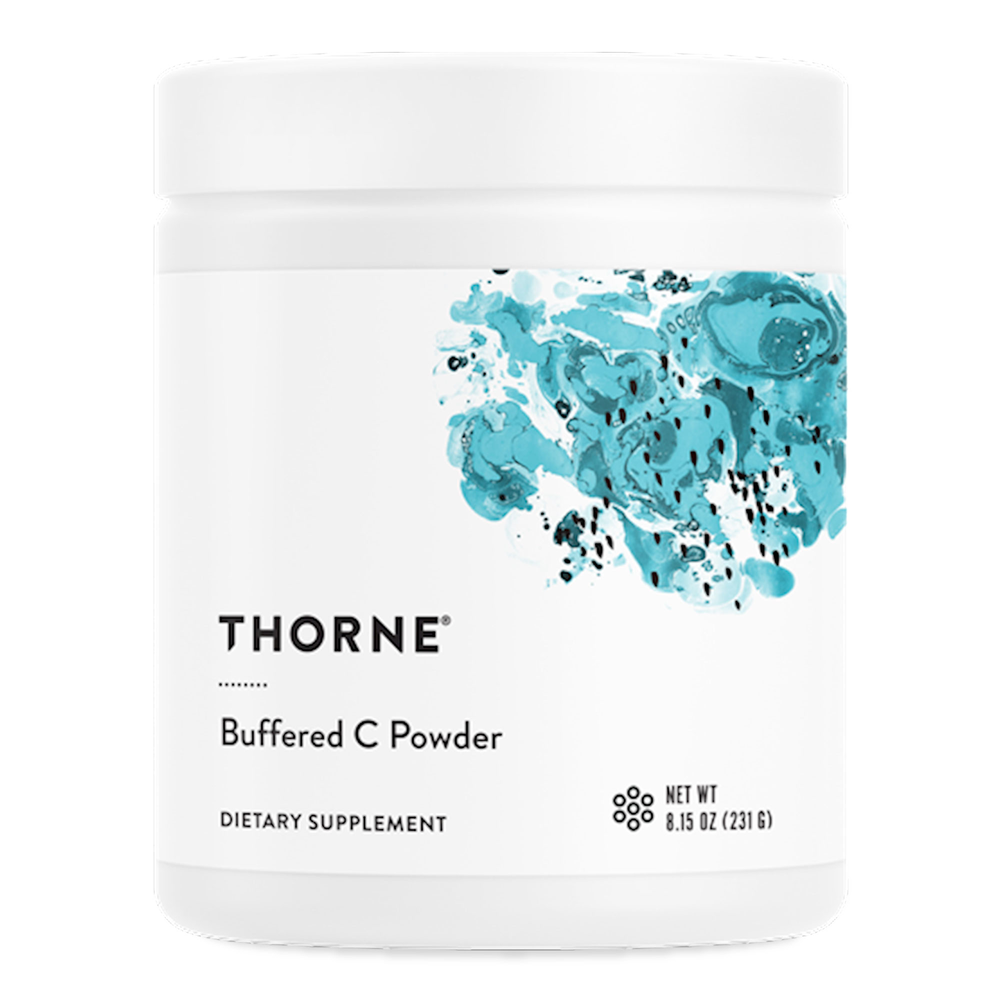
High Potency Vitamin C (Formerly Buffered C Powder) by Thorne
236 grams
Gentle, Buffered Vitamin C for Immune and Antioxidant Support$29.00
Purchase options
Practitioner-grade brand3rd-party testedFree shipping $50+
Gluten Free·Soy Free·Dairy Free·Milk Free
Thorne High Potency Vitamin C (Formerly Buffered C Powder) overview
Buffered vitamin C powder is for people who want high-dose vitamin C without stomach burn. It fits athletes in heavy training, smokers or those exposed to pollution (both tend to run lower vitamin C), and anyone with low fruit-and-vegetable intake. It’s also useful when you’re taking oral iron and want better absorption, or during periods of wound healing under clinician guidance. If you’re truly deficient, that needs medical care first; this is a high-maintenance dose, not scurvy treatment.
Ascorbate (vitamin C) donates electrons to neutralize free radicals and helps regenerate vitamin E in cell membranes. It’s a required cofactor for enzymes that stabilize collagen, the protein scaffolding in skin, vessels, and tendons, and it’s involved in making carnitine (the molecule that shuttles fats into mitochondria for energy). Vitamin C also reduces non‑heme iron to a form the gut absorbs more easily, which is why pairing it with iron often raises Ferritin (iron stores) more efficiently.
Mix one scoop in water or juice once daily. This delivers 2,350 mg vitamin C with calcium, magnesium, and potassium ascorbates that buffer acidity, so most people tolerate it better than plain ascorbic acid. Take with food if you’re sensitive, or split the scoop morning and afternoon to reduce loose stools. For iron repletion, take vitamin C with your iron and away from calcium‑rich meals that compete for absorption.
If you’ve had calcium oxalate kidney stones or have chronic kidney disease, avoid megadoses and talk to your clinician; very high vitamin C can raise urine oxalate. If your Ferritin is high or you have hemochromatosis (tend to overload iron), large doses that enhance iron absorption are the wrong move. Certain glucose monitors, especially some flash sensors, read falsely high with high-dose vitamin C—check your device’s guidance. Vitamin C can also cause false negatives on fecal occult blood tests.
People ask if vitamin C prevents colds; taken daily, it slightly shortens cold duration, but it doesn’t reliably prevent infections. Buffered forms like Thorne’s are gentler on the stomach because the acid is paired with minerals, not because the vitamin works differently. Expect gut tolerance to be your limiter—if stools loosen, reduce or split the dose.
Frequently asked questions
Why choose buffered vitamin C powder over regular vitamin C?
Buffered vitamin C pairs ascorbic acid with minerals, lowering acidity that can irritate the stomach and teeth. You get the same vitamin C activity with better GI tolerance, especially at multi‑gram doses.
How much vitamin C is in one scoop and is that too much?
One scoop provides 2,350 mg, which is far above basic daily needs. Many adults tolerate this, but your gut sets the ceiling. If you get cramps or loose stools, cut the dose or split it across the day.
Does vitamin C prevent colds or just shorten them?
Taken daily, vitamin C modestly shortens cold duration and symptom severity; it hasn’t shown consistent prevention in the general population. Starting it only after symptoms begin is less reliable.
Can I take vitamin C with iron for low Ferritin?
Yes. Vitamin C improves non‑heme iron absorption and can help raise Ferritin faster. Take them together, ideally away from calcium‑heavy foods. If your Ferritin is high, avoid this pairing.
Can high‑dose vitamin C cause kidney stones?
It can raise urine oxalate in some people, which may increase calcium oxalate stone risk. If you’ve had stones or have kidney disease, use lower doses and discuss with your clinician.
Does vitamin C interfere with glucose monitors or lab tests?
Some sensors and meters report falsely high glucose with high‑dose vitamin C. Check your device manual. Vitamin C can also cause false‑negative fecal occult blood tests around screening.
Is buffered vitamin C safe with blood thinners like warfarin?
Usually, but very high doses have occasionally altered INR. If you’re on warfarin, keep your vitamin C intake consistent and have your INR monitored when making dose changes.
When will I notice effects from vitamin C?
Stomach comfort improves immediately with buffered forms. For iron absorption benefits, expect Ferritin changes after several weeks. Wound healing and skin benefits track with overall recovery timelines.
How to take it & ingredients
Suggested use: Adults mix one scoop (5.6 grams) into water or juice, once daily, or as directed by your healthcare professional.
Active ingredients
1 scoop = 5.6 grams per serving
Vitamin C
Ascorbic Acid
Ascorbic Acid
2350 mg
Calcium
Calcium Ascorbate (from Calcium Carbonate and Ascorbic Acid)
Calcium Ascorbate (from Calcium Carbonate and Ascorbic Acid)
350 mg
Magnesium
Magnesium Ascorbate (from Magnesium Carbonate and Ascorbic Acid)
Magnesium Ascorbate (from Magnesium Carbonate and Ascorbic Acid)
350 mg
Potassium
Potassium Ascorbate (from Potassium Bicarbonate and Ascorbic Acid)
Potassium Ascorbate (from Potassium Bicarbonate and Ascorbic Acid)
99 mg
Certifications
Benefits
Warnings
Customers also considered
Buffered C Capsules
Ortho Molecular Products
90 capsules
$36.57$32.95 with Subscribe & Save
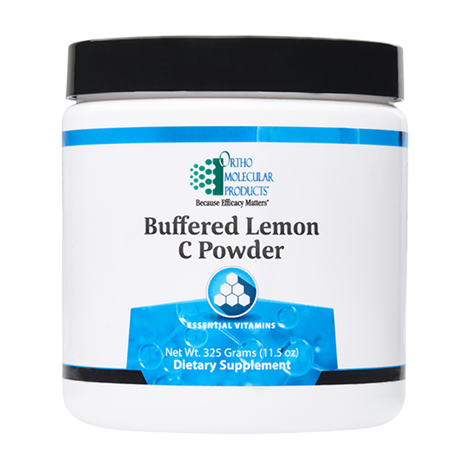
Buffered Lemon C Powder
Ortho Molecular Products
325 grams
$63.99$57.65 with Subscribe & Save
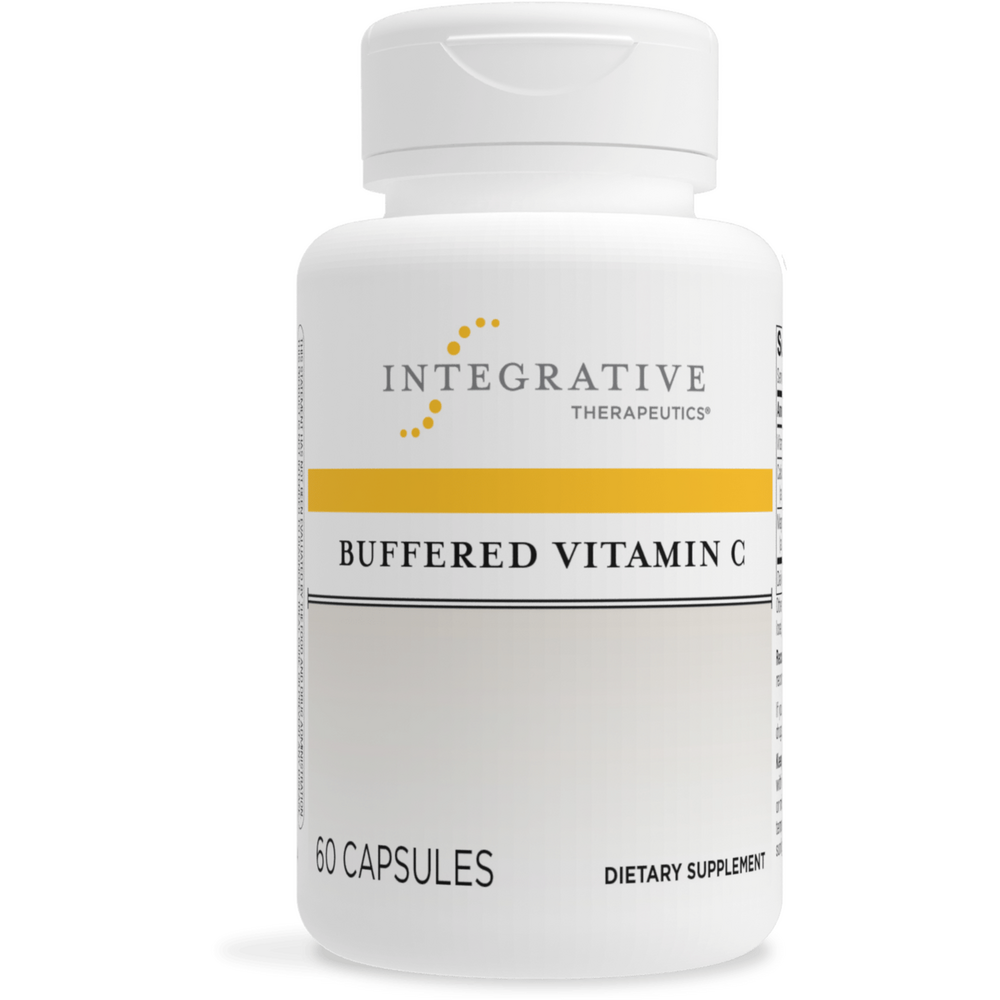
Buffered Vitamin C
Integrative Therapeutics
60 capsules
$15.99$12.99 with Subscribe & Save
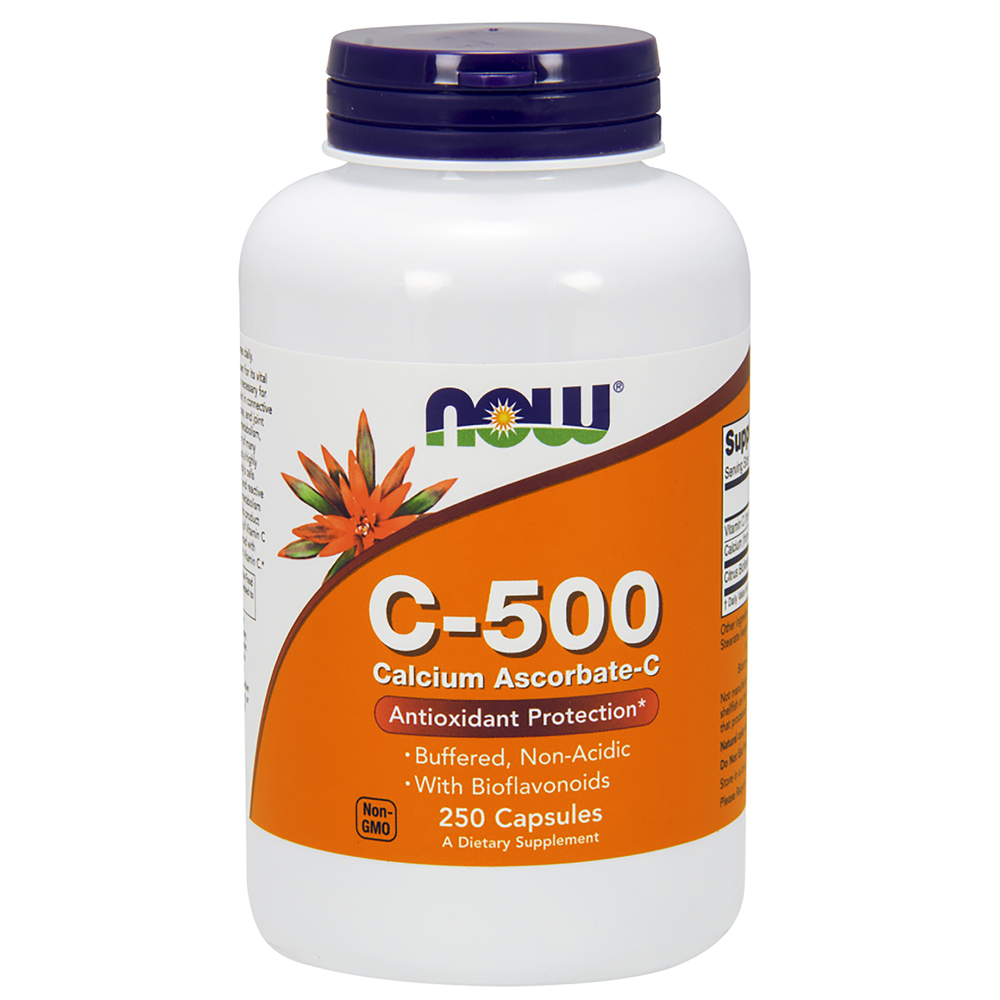
C-500 Calcium Ascorbate-C
Now Foods
250 capsules
$24.99$19.99 with Subscribe & Save