 Instalab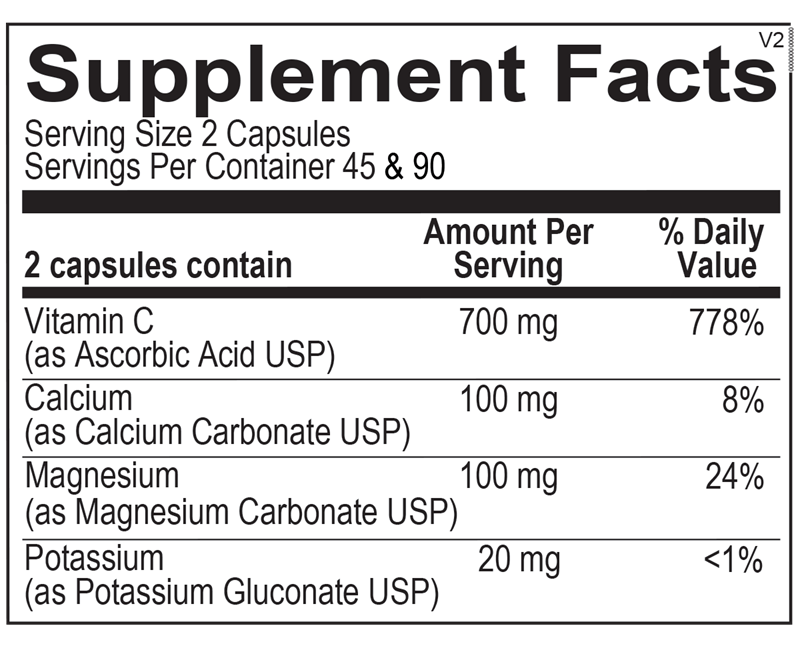
Ortho Molecular Products
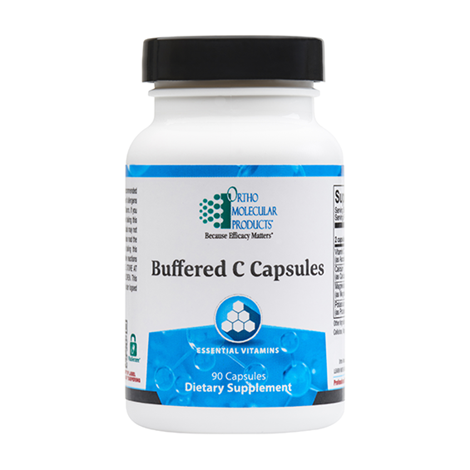
Buffered C Capsules by Ortho Molecular Products
90 capsules · 45-day supply
Gentle, Buffered Vitamin C for Immune and Antioxidant Support$36.57
Purchase options
Practitioner-grade brand3rd-party testedFree shipping $50+
Gluten Free·Yeast Free·Artificial Color Free·Artificial Flavor Free
Ortho Molecular Products Buffered C Capsules overview
If regular vitamin C upsets your stomach, buffered vitamin C is the practical workaround. The added calcium, magnesium, and potassium lower acidity, so people with heartburn, gastritis, or sensitive guts tolerate it better. It also fits adults who eat few fruits and vegetables, smokers or heavy exercisers with higher needs, and anyone taking iron, since vitamin C improves non‑heme iron absorption and can help if your Ferritin (your iron store marker) is low.
This formula delivers ascorbic acid (vitamin C) alongside mineral buffers. Vitamin C donates electrons to neutralize free radicals, which is why modest drops in hs-CRP (a blood inflammation marker) are seen in some users over weeks. It’s required for collagen assembly, so it supports tendons, skin, and gums, and it’s used to make carnitine (the shuttle that helps burn fat for energy). For colds, it doesn’t prevent them in most people, but can slightly shorten duration, especially in endurance athletes.
The manufacturer suggests two or more capsules daily. This provides 700 mg vitamin C per serving with small amounts of calcium, magnesium, and potassium. Take with food if you’re sensitive, and split doses morning and evening for steadier blood levels. For iron repletion, take vitamin C with your iron. If you’re chasing higher intakes, titrate up slowly; loose stools signal you’ve exceeded your personal tolerance.
If you’ve had calcium oxalate kidney stones, very high vitamin C can raise urine oxalate; keep doses moderate and discuss testing if you supplement heavily. If your Ferritin is high or you have hemochromatosis (iron overload), avoid pairing vitamin C with iron-rich meals or supplements. Advanced kidney disease or dialysis requires clinician-guided dosing. Certain chemotherapy plans restrict antioxidants—ask your oncologist first.
Frequently asked questions
What is buffered vitamin C?
It’s standard ascorbic acid combined with minerals (often calcium and magnesium) to reduce acidity. The vitamin C is the same; the buffer makes it gentler on the stomach without blunting absorption.
Is buffered vitamin C easier on the stomach?
Yes. The mineral buffers neutralize some acidity, which many people with heartburn or gastritis find more comfortable. If you’re very sensitive, take it with food and split the dose.
Does vitamin C help prevent colds?
It doesn’t prevent colds in most people. It can shorten illness slightly when taken regularly, with the biggest effect in endurance athletes or during very heavy physical stress.
How much vitamin C should I take daily?
Most adults do well in the 200–1,000 mg per day range from food plus supplements. Higher intakes are sometimes used short term. Increase gradually and back down if you get loose stools.
Can I take vitamin C with iron?
Yes, and it can improve non-heme iron absorption. If your Ferritin is low, pair vitamin C with your iron supplement or plant-based iron meals. If your iron is high, avoid this combination.
How long until vitamin C works?
Plasma Vitamin C rises within hours, but noticeable effects depend on the goal. Immune and antioxidant markers like hs-CRP, when they change, usually do so within 4–12 weeks of steady use.
What are common side effects of vitamin C?
The main one is gastrointestinal upset—gas, cramping, or loose stools—especially at higher doses. Splitting doses, taking with food, and using buffered forms lowers the chance of problems.
Who should avoid high-dose vitamin C?
People with a history of kidney stones, iron overload (hemochromatosis), or advanced kidney disease should avoid high doses and get clinician guidance. Discuss with your oncologist during chemotherapy.
How to take it & ingredients
Suggested use: 2 or more capsules per day or as recommended by your health care professional.
Active ingredients
2 capsules per serving · 45 servings
Vitamin C
As Ascorbic Acid USP
As Ascorbic Acid USP
700 mg
Calcium
As Calcium Carbonate USP
As Calcium Carbonate USP
100 mg
Magnesium
As Magnesium Carbonate USP
As Magnesium Carbonate USP
100 mg
Potassium
As Potassium Gluconate USP
As Potassium Gluconate USP
20 mg
Other ingredients: Hypromellose (Natural Vegetable Capsules), Magnesium Stearate
Certifications
Benefits
Warnings
Customers also considered
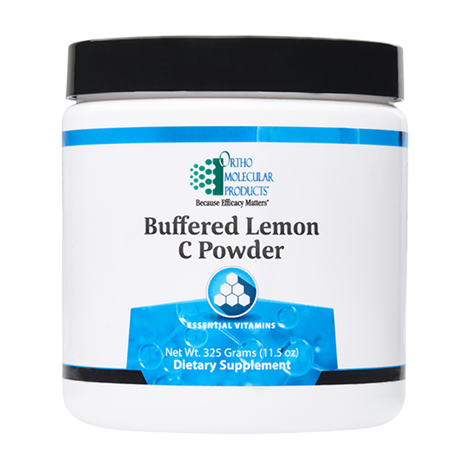
Buffered Lemon C Powder
Ortho Molecular Products
325 grams
$63.99$57.65 with Subscribe & Save
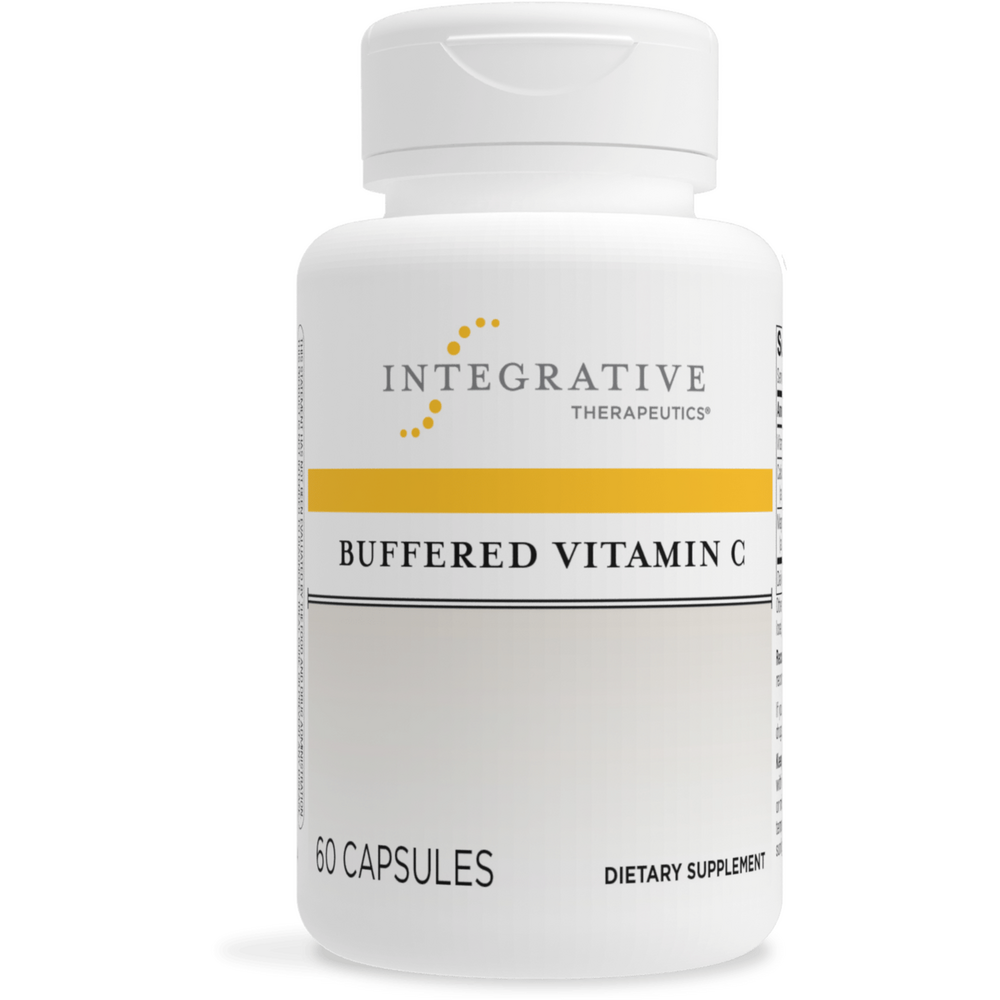
Buffered Vitamin C
Integrative Therapeutics
60 capsules
$15.99$12.99 with Subscribe & Save
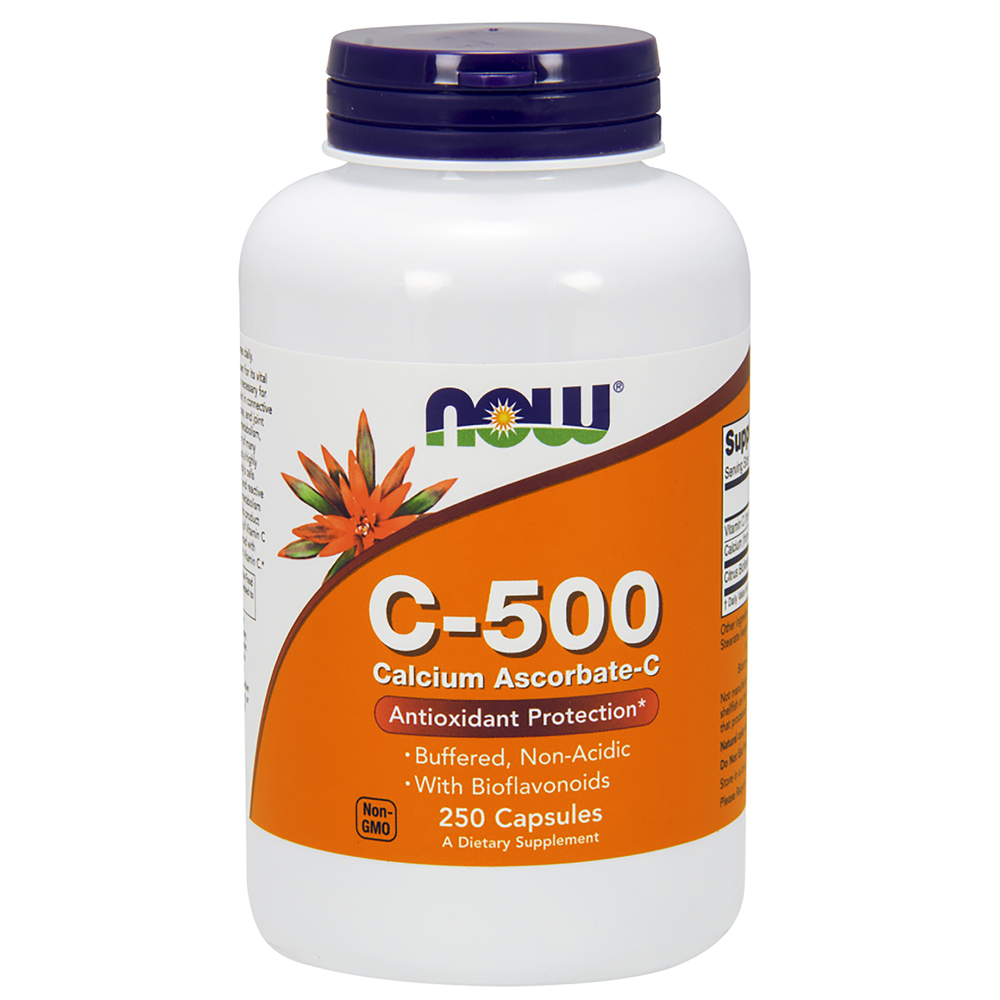
C-500 Calcium Ascorbate-C
Now Foods
250 capsules
$24.99$19.99 with Subscribe & Save
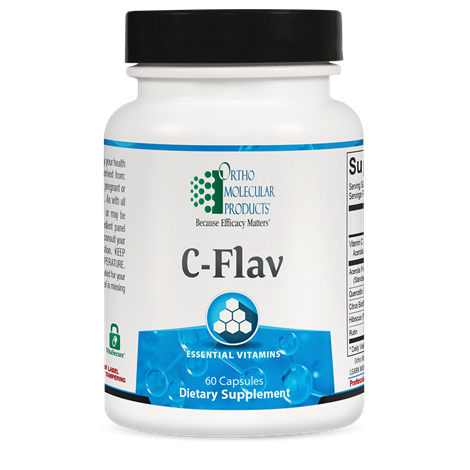
C-Flav
Ortho Molecular Products
60 capsules
$46.23$41.65 with Subscribe & Save