 Instalab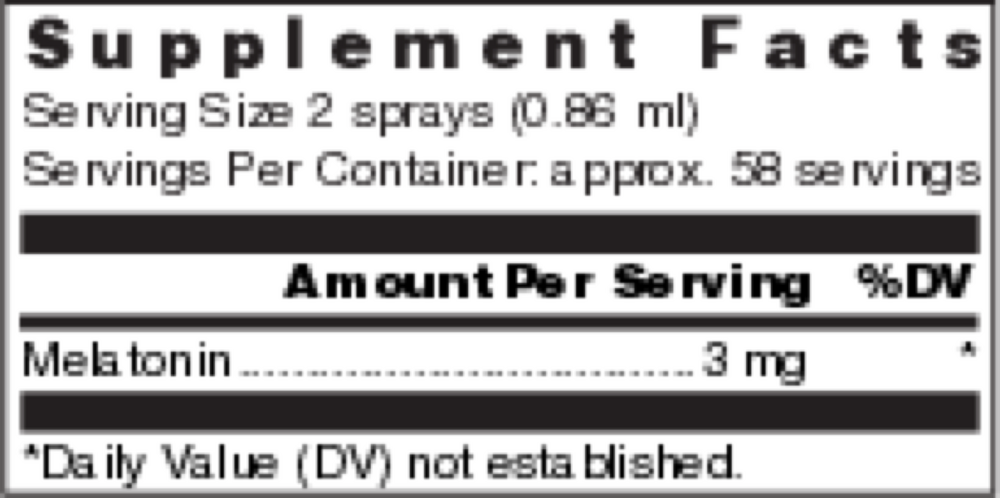


Klean Athlete
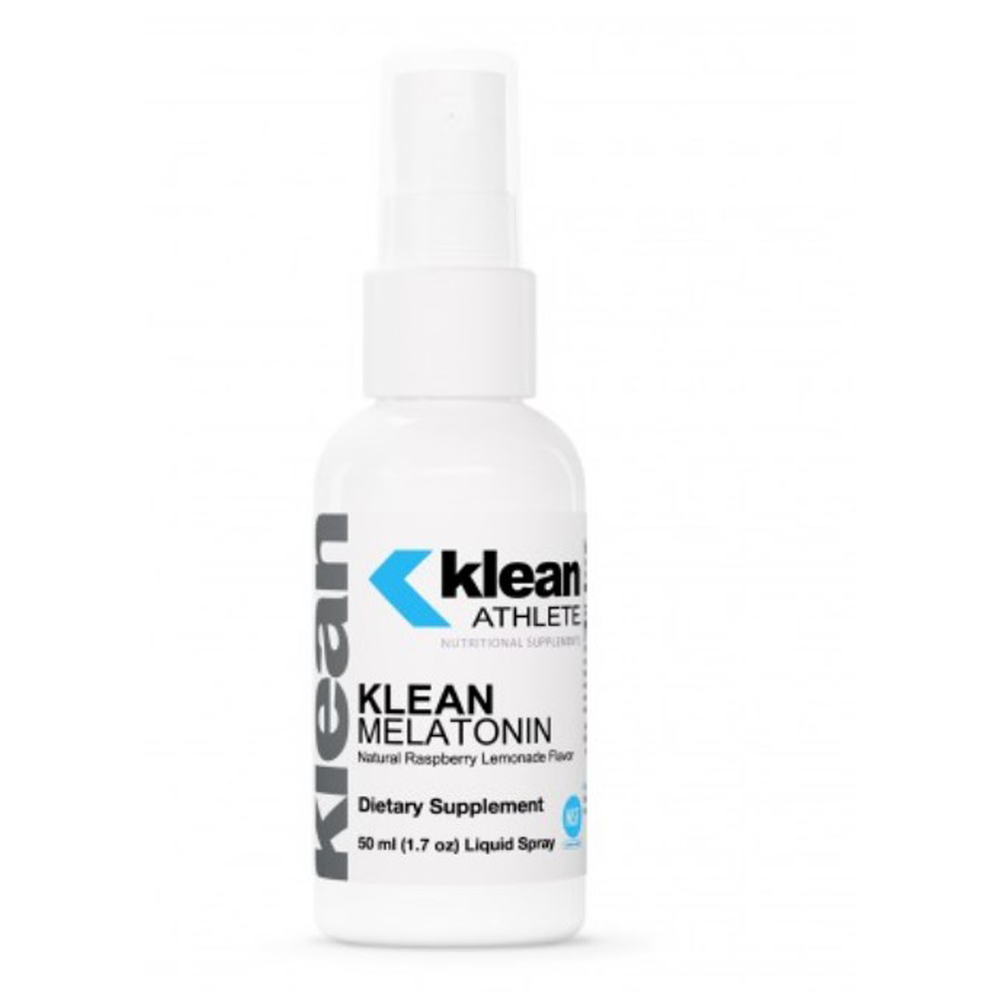
Klean Melatonin 3 mg by Klean Athlete
50 milliliters · 58-day supply
Promote Restful Sleep with Natural Melatonin Support$23.00
Purchase options
Practitioner-grade brand3rd-party testedFree shipping $50+
Vegan·Vegetarian·Gluten Free·Dairy Free
Klean Athlete Klean Melatonin overview
If you want help falling asleep a bit faster or need a nudge to adjust your body clock after travel, a melatonin spray is practical and easy to dose. It’s a good fit for jet lag, shift work, or a delayed sleep schedule from evening screens. Older adults often make less natural melatonin and may notice clearer benefits. If insomnia is driven by pain, untreated sleep apnea, or late caffeine, melatonin won’t fix those causes.
Melatonin is the darkness signal your brain releases from the pineal gland to set circadian rhythm (your 24‑hour sleep–wake timing). Taken at night, it cues the body to wind down, modestly lowers core body temperature, and typically shortens time to fall asleep by minutes, not hours. A melatonin spray absorbs through the mouth and gut, so it acts quicker than many tablets and lets you fine‑tune dose without committing to a full pill.
Use 2 sprays (3 mg) at or 30–60 minutes before bedtime. Many adults do well with less, so start with 1 spray (1.5 mg) for a few nights to gauge morning alertness, then increase if needed. For eastbound jet lag, take it in the early local evening for 3–5 nights; for shift work, take it before your intended sleep period in a dark room. Avoid driving after taking melatonin.
Fluvoxamine and ciprofloxacin can raise melatonin levels; caffeine late in the day works against it. Melatonin is metabolized by CYP1A2 (a liver enzyme that also handles caffeine), so dose needs vary. If you’re pregnant, trying to conceive, breastfeeding, or have epilepsy, autoimmune disease, or uncontrolled depression, use clinician guidance. It can add to sedation with alcohol, antihistamines, or sleep medicines.
Frequently asked questions
Does melatonin really help you fall asleep faster?
Yes, but the effect is modest. Most trials show melatonin shortens sleep onset by about 7–12 minutes and slightly increases total sleep time. It works best for jet lag and delayed sleep timing, less so for long‑standing insomnia from other causes.
How long does melatonin spray take to work?
Most people feel melatonin within 30–60 minutes. A spray can act a bit faster than some tablets because part absorbs through the mouth. Consistency for several nights improves results, especially for jet lag or shifting your schedule.
What melatonin dose should I start with?
Start low. Many adults respond to 0.5–1.5 mg, which you can get with one spray here. If you’re still lying awake after several nights, increase toward 3 mg. Higher doses can cause morning grogginess or vivid dreams without adding benefit.
Is it safe to take melatonin every night?
Short‑term nightly use appears safe for most adults. For longer use, take the lowest dose that works and reassess your sleep habits and contributors like caffeine, light exposure, and sleep apnea. Discuss ongoing use with your clinician if you rely on it.
Can I take melatonin with antidepressants or anxiety meds?
Often yes, but check. Fluvoxamine can greatly raise melatonin levels, increasing sedation. Melatonin can also add to drowsiness from benzodiazepines or antihistamines. If you’re on psychiatric medication, clear dosing with your prescriber.
Does melatonin help with jet lag?
Yes. Taking melatonin in the early evening at your destination for several nights helps your internal clock shift and improves sleep quality. Combine it with bright morning light at the destination and strict avoidance of late caffeine for best results.
What are common melatonin side effects?
The most common are morning grogginess, vivid dreams, headache, or nausea. These usually improve by lowering the dose or taking it earlier. Avoid alcohol with melatonin, and don’t drive or operate machinery after taking it.
How to take it & ingredients
Suggested use: Take 2 sprays orally, once daily at or before bedtime, or as directed by a trainer, coach, or health professional.
Active ingredients
2 sprays (0.86 ml) per serving · 58 servings
Melatonin
3 mg
Other ingredients: Purified water, Apple juice concentrate, Natural glycerin, Xylitol, Natural flavors, Blackcurrant juice concentrate, Natural lemonade flavor, Natural raspberry flavor, Xanthan gum, Potassium sorbate, Citric acid, Purified stevia leaf extract
Certifications
Benefits
Warnings