 Instalab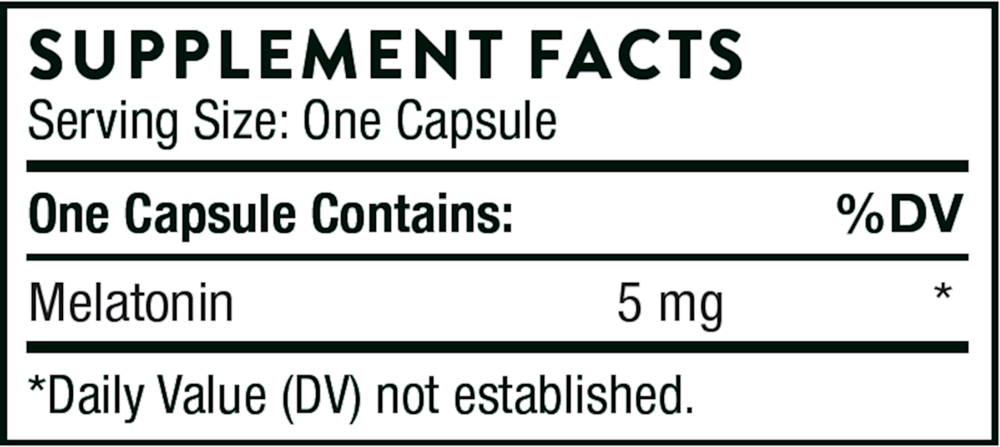


Thorne
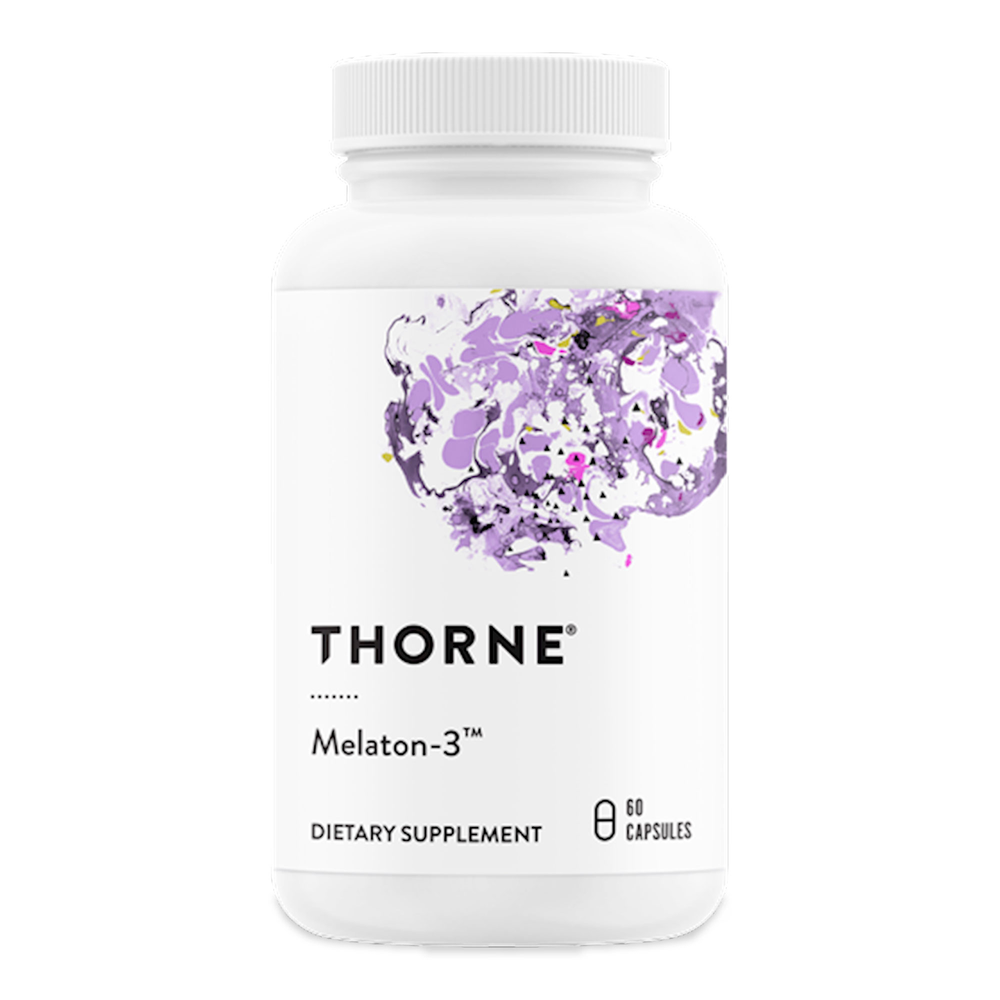
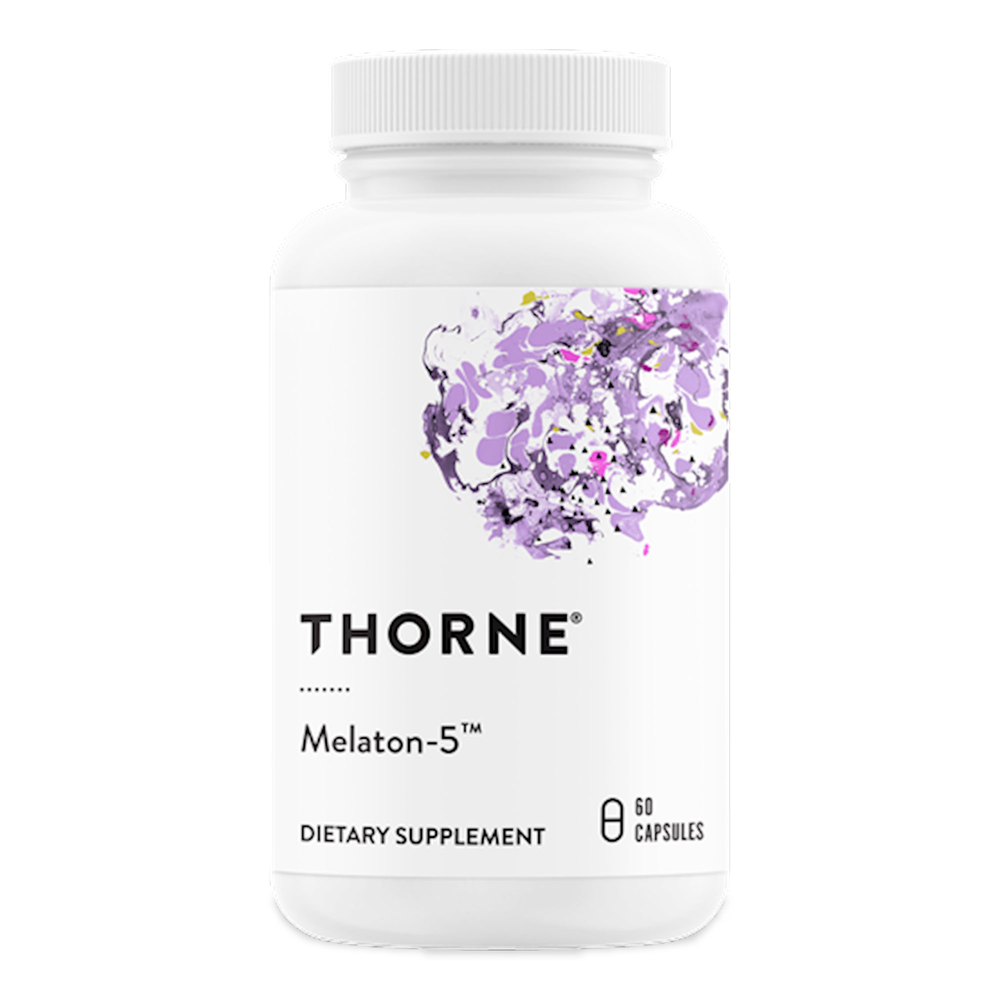
Melaton-5 by Thorne
60 capsules · 60-day supply
Support Healthy Sleep Patterns with 5 mg of Melatonin$22.00
Purchase options
Practitioner-grade brand3rd-party testedFree shipping $50+
Gluten Free·Soy Free·Dairy Free·Milk Free
Thorne Melaton-5 overview
If you’ve tried lower-dose melatonin and still lie awake, melatonin 5 mg is a practical next step for adults with trouble falling asleep, jet lag, or shift-work schedule changes. It is most useful when your sleep timing is off rather than when pain or nighttime awakenings are the main problem. Night-owl sleepers who can’t fall asleep at a conventional hour often respond. If your sleep issue is frequent early-morning waking, this is usually not the right tool on its own.
Melatonin is a hormone your brain releases in darkness to set the circadian clock, the internal 24-hour timing system that cues sleep. A dose in the evening signals “night” earlier, which makes falling asleep easier and can shift your sleep schedule. It also nudges core body temperature down slightly, which helps drowsiness. Effects on general anxiety or mood are modest; the main, repeatable effect is earlier sleep onset, often by about 7–12 minutes in trials.
Take one capsule 30–60 minutes before your intended bedtime, ideally on an empty stomach and away from alcohol. Dim lights and screens in the hour before, and get bright light the next morning to lock in the shift. For jet lag, take it at local bedtime at your destination for 2–4 nights. If you become groggy in the morning, step down to 1–3 mg or take it earlier in the evening.
Avoid combining with other sedatives like benzodiazepines, sleep medications, or first-generation antihistamines due to additive drowsiness. Fluvoxamine and ciprofloxacin can raise melatonin levels; oral contraceptives do as well, so use a lower dose. Alcohol blunts melatonin’s effect and worsens sleep quality. If you have diabetes or prediabetes, monitor fasting glucose or a CGM, as evening melatonin can raise glucose in some. Epilepsy, autoimmune disease, and use of anticoagulants warrant clinician guidance.
Skip during pregnancy or breastfeeding due to limited safety data. Do not use for children without clinician direction. If your problem is loud snoring or suspected sleep apnea, start with a sleep evaluation, not melatonin. If morning sedation is persistent even at lower doses, or if vivid dreams are disruptive, discontinue and reassess your sleep schedule, caffeine timing, and light exposure.
Frequently asked questions
Is 5 mg of melatonin too much?
For many adults, 0.5–3 mg is enough, and 5 mg is a higher, still common dose when lower doses fail. If you feel hungover or groggy the next morning, reduce the dose or take it earlier. Nightly safety at low doses is good in studies up to several months.
How long does melatonin 5 mg take to work?
You should feel drowsier within 30–60 minutes the first night. Consistent bedtime use can shift your sleep schedule over several days. For jet lag, most people notice improvement after 1–3 nights when it is timed at local bedtime.
Can I take melatonin every night?
Yes, short-term nightly use is generally well tolerated. For ongoing insomnia, also fix light exposure, caffeine timing, and schedule consistency. If you need it nightly beyond a few weeks, consider cognitive behavioral therapy for insomnia and a medical review.
Does melatonin interact with antidepressants or birth control?
Fluvoxamine can markedly increase melatonin levels, so avoid or use a much lower dose under supervision. Oral contraceptives raise melatonin levels modestly, so many do better with a lower dose. Most other antidepressants are not a firm contraindication.
Does melatonin thin your blood?
Melatonin is not a blood thinner, but there are theoretical and case-based concerns with anticoagulants and antiplatelet drugs. If you take warfarin, apixaban, rivaroxaban, or clopidogrel, speak with your clinician before starting and monitor for bleeding.
What are common side effects of melatonin 5 mg?
Morning grogginess, vivid dreams, and headache are the most common and usually dose related. Taking it earlier in the evening or reducing the dose often solves this. Avoid alcohol, which worsens next-day sedation and disrupts normal sleep architecture.
Will melatonin help me stay asleep all night?
Melatonin mainly helps you fall asleep and shift timing. It is less reliable for frequent nighttime awakenings. If early awakenings are your main issue, address stress, alcohol, late caffeine, and consider a clinician-guided plan rather than increasing melatonin.
How should I use melatonin for jet lag?
Take it at the target bedtime at your destination for 2–4 nights, avoid bright light late at night, and get strong morning light after arrival. This combo speeds realignment of your circadian clock and reduces the groggy, wide-awake-at-3 a.m. pattern.
How to take it & ingredients
Suggested use: Adults take one capsule 30 minutes before bedtime, or as directed by your healthcare professional.
Active ingredients
1 capsule per serving · 60 servings
Melatonin
5 mg
Other ingredients: Calcium Laurate, Hypromellose Capsule, Microcrystalline Cellulose, Silicon Dioxide
Certifications
Benefits
Warnings