 Instalab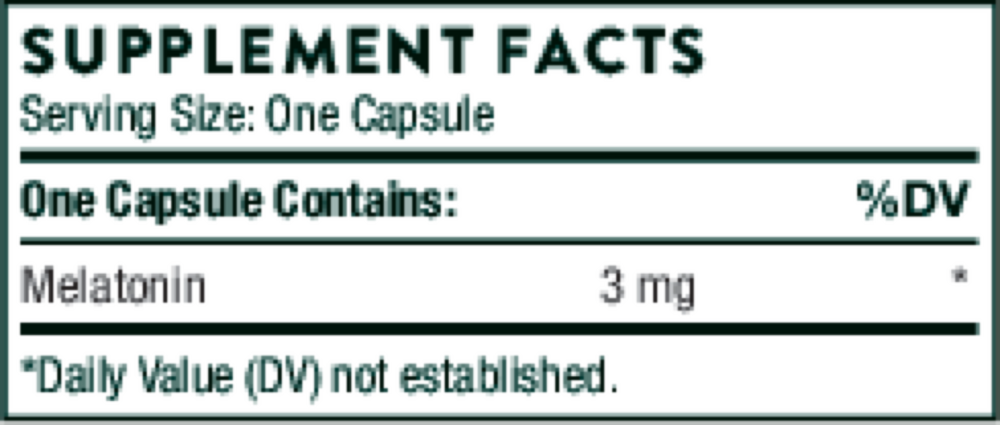



Thorne
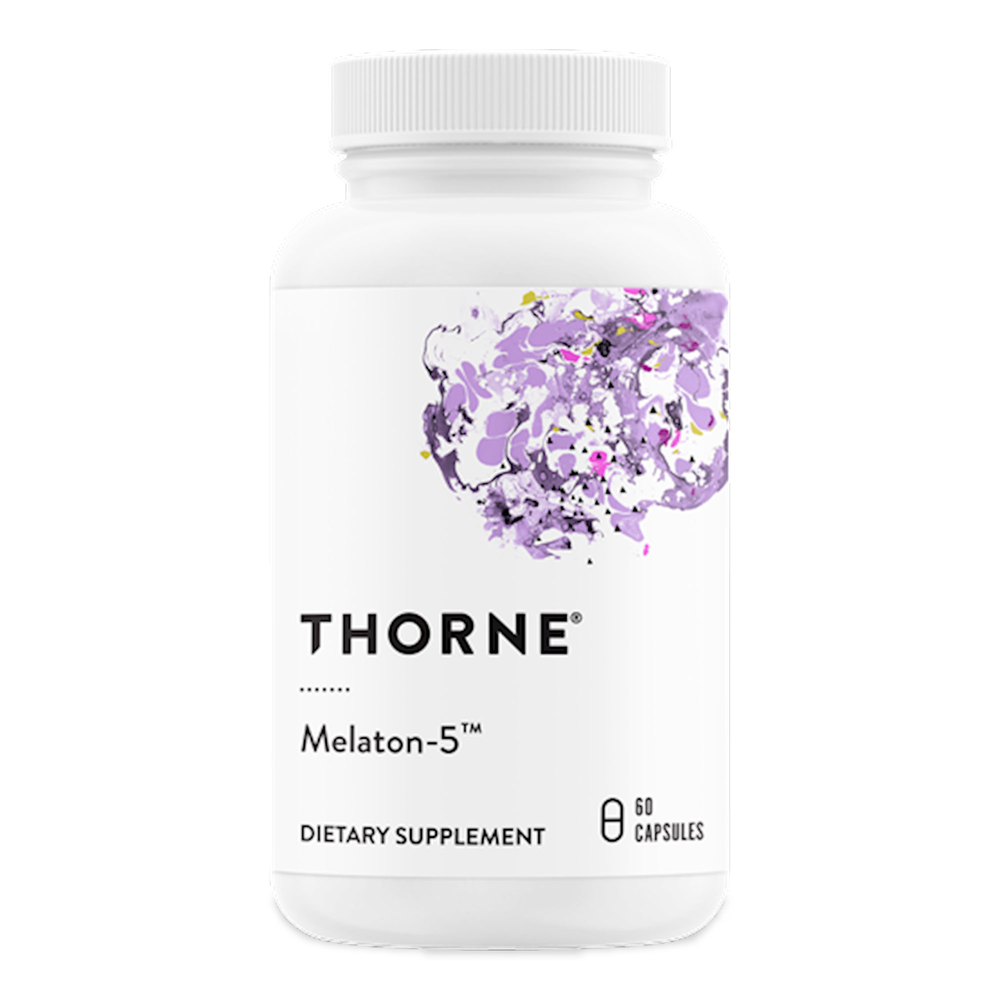
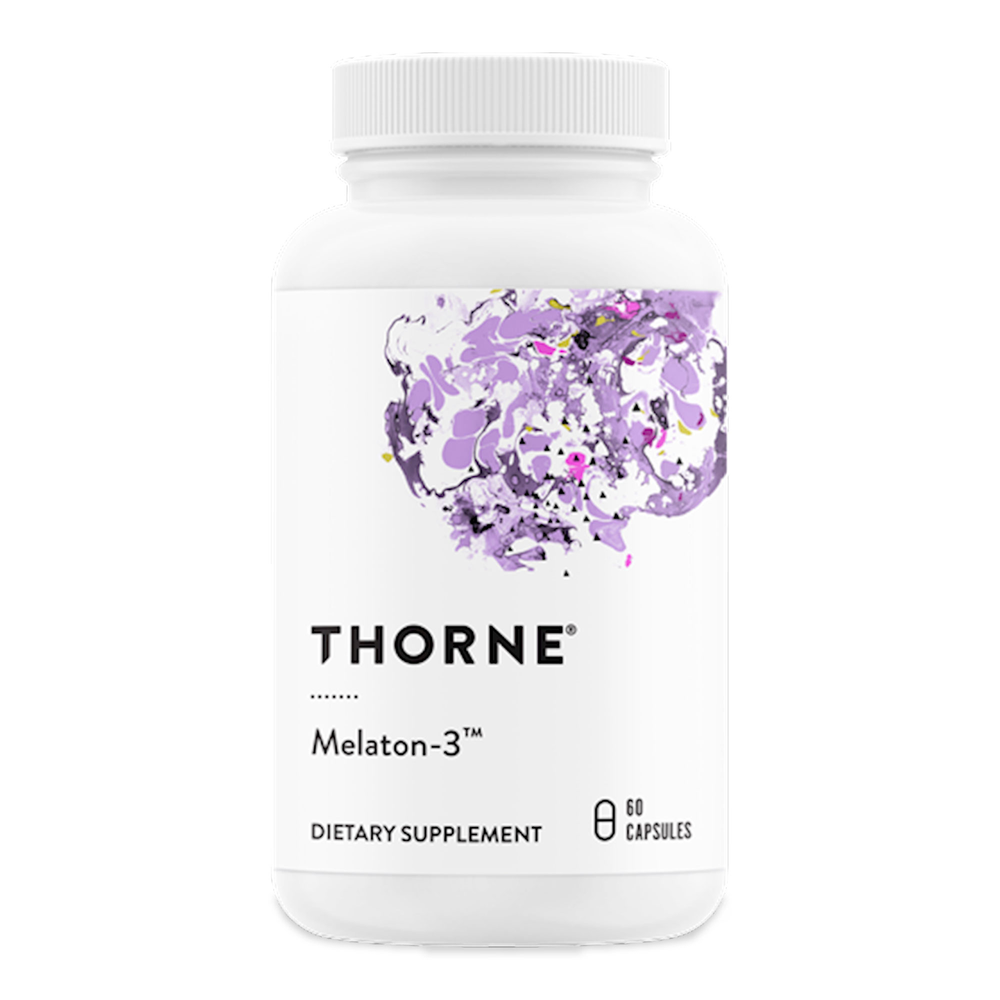
Melaton-3 by Thorne
60 capsules · 60-day supply
Support Healthy Sleep Patterns with 3 mg of Melatonin$16.00
Purchase options
Practitioner-grade brand3rd-party testedFree shipping $50+
Vegan·Vegetarian·Gluten Free·Soy Free·Dairy Free·Egg Free·
Thorne Melaton-3 overview
If you need help falling asleep, travel across time zones, or work nights, melatonin 3 mg can be a practical, off‑the‑shelf dose. It’s strongest when your sleep problem is circadian (your internal 24‑hour clock is misaligned), like jet lag or a delayed sleep phase where you naturally get sleepy very late. Healthy adults with age‑related declines in natural melatonin often respond, too. If you mainly wake up at 3 a.m. and can’t get back to sleep, melatonin is less reliable than sleep timing, morning light, and caffeine cutoffs.
Melatonin is the brain’s darkness signal made by the pineal gland that tells your body it’s nighttime. Taking melatonin at night can modestly shorten the time to fall asleep, and when taken earlier in the evening it can shift your internal clock earlier, which is why it helps jet lag. Its sleep‑onset effect is small on average (minutes, not hours) but clinically meaningful when timing is the issue. It is also an antioxidant in cells, but that’s not why people feel it working.
Thorne suggests one capsule at bedtime. In practice, start low if you’re new to melatonin: 0.3–1 mg 30–60 minutes before bed, then use 3 mg if lower doses don’t move the needle after a few nights. For eastbound jet lag or a delayed sleep phase, take it 3–5 hours before your current bedtime and pair with bright light soon after waking. Avoid alcohol at night, which fragments sleep and blunts melatonin’s effect.
Avoid melatonin if you’re on warfarin or other blood thinners without clinician oversight, because of bleeding risk reports. Transplant recipients and anyone on immunosuppressants should skip it, as melatonin can stimulate immune activity. Use caution with bipolar disorder (can trigger sleep‑phase shifts), uncontrolled epilepsy, or if you’re pregnant or breastfeeding. If morning grogginess or vivid dreams persist, lower the dose or stop.
Frequently asked questions
Is 3 mg of melatonin a lot?
It’s a common adult dose, but many people fall asleep just as well with 0.3–1 mg. Higher isn’t always better and can cause grogginess. Start low for a few nights, then step up to 3 mg only if needed or for jet lag and shift‑work schedules.
How long does melatonin take to work?
Most people feel the effect within 30–60 minutes. For shifting your body clock (jet lag or delayed sleep phase), timing matters more than sensation—take it several hours before your current bedtime and keep a consistent wake time with morning light.
Can I take melatonin every night?
Yes, short‑term nightly use is generally safe in healthy adults. For long‑term use, keep the lowest effective dose and focus on sleep timing, light exposure, caffeine, and alcohol. If you need it nightly for months, discuss with a clinician to rule out other causes.
Does melatonin interact with antidepressants or anti‑anxiety meds?
Most selective serotonin reuptake inhibitors and common anxiolytics can be used with melatonin, but additive sedation is possible. Avoid combining with other sleep aids or alcohol. If you take fluvoxamine, doses may hit harder; consider a lower dose and ask your prescriber.
Does melatonin cause vivid dreams or morning grogginess?
It can. Vivid dreams, next‑day fog, or headaches usually improve by lowering the dose or taking it earlier. If morning grogginess persists at 0.3–1 mg, melatonin may not be the right tool and sleep‑schedule work will help more.
How should I use melatonin for jet lag?
For eastbound travel, take melatonin in the early evening at your destination for several nights and get bright light soon after local waking. For westbound trips, a later bedtime and morning light often suffice; a small dose at local bedtime can still help align sleep.
Is melatonin safe if I’m trying to conceive?
Data in humans are limited. Because melatonin influences reproductive hormones in animal studies, most clinicians suggest avoiding routine use while trying to conceive or during pregnancy unless specifically recommended by your doctor.
Does melatonin thin your blood or affect bleeding?
Melatonin can increase bleeding risk when combined with warfarin or antiplatelet drugs. If you take blood thinners or have a bleeding disorder, avoid melatonin unless your clinician is monitoring you.
How to take it & ingredients
Suggested use: Take 1 capsule at bedtime or as recommended by your health professional.
Active ingredients
1 capsule per serving · 60 servings
Melatonin
3 mg
Other ingredients: Calcium laurate, Hypromellose capsule, Microcrystalline cellulose, Silicon dioxide
Certifications
Benefits
Warnings