 Instalab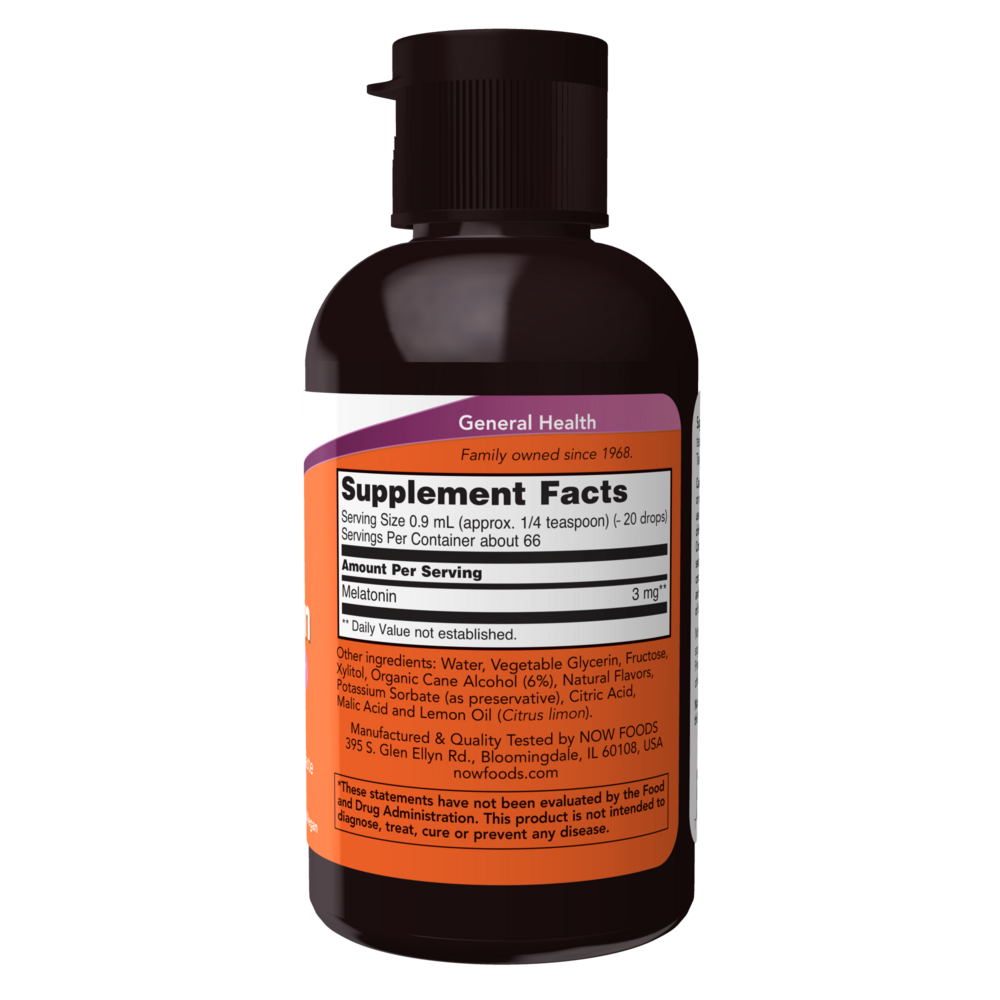

Now Foods
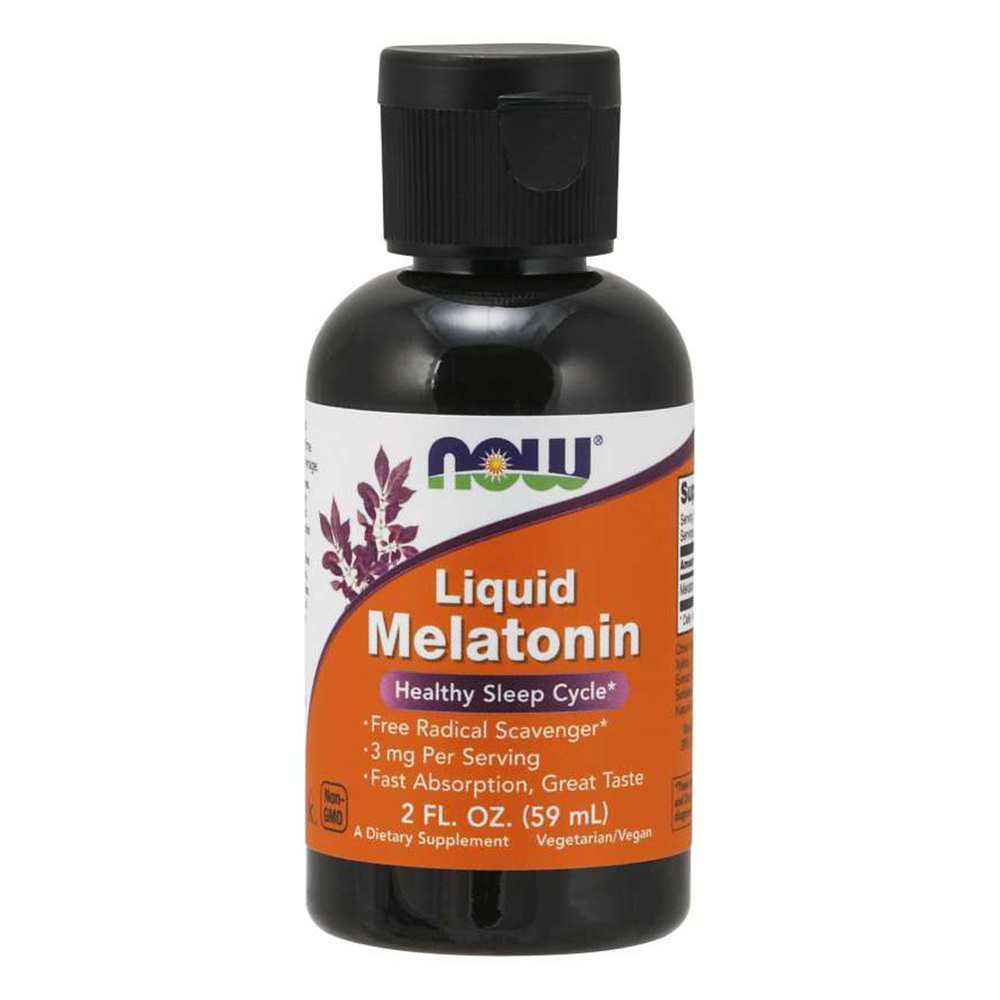
Liquid Melatonin 3 mg by Now Foods
59 milliliters · 65-day supply
Promote Restful Sleep with Natural Liquid Melatonin$9.99
Purchase options
Practitioner-grade brand3rd-party testedFree shipping $50+
Vegan·Vegetarian·Gluten Free·Soy Free·Dairy Free·Egg Free·
Now Foods Liquid Melatonin overview
If falling asleep is your bottleneck, liquid melatonin is a practical first step. It helps night owls with delayed sleep phase (your body clock runs late), travelers with jet lag, and shift workers trying to sleep on a new schedule. It can also help older adults whose natural melatonin output has fallen. The 3 mg here is a mid-range dose; many healthy adults do well with less. If your awakenings are from pain, reflux, hot flashes, or sleep apnea, fix those drivers first because melatonin will not override them.
Melatonin is your brain’s nightly darkness signal, not a sedative like antihistamines. Taken at the right time, it advances your circadian rhythm (your internal clock shifts earlier) and typically shortens sleep latency within the first night. Benefits depend on timing more than dose. It has antioxidant actions in lab studies, but that is not why sleepers feel better. Expect a stronger effect on sleep onset than on total sleep time, and pair it with low evening light to let the signal stick.
Take it 30–60 minutes before your target bedtime, and dim screens and overheads at the same time. Start low: with this liquid, 5–10 drops gives about 0.75–1.5 mg, which is often enough. If needed, move toward the full 20-drop serving on nights with stubborn sleep onset. For jet lag when flying east, take it at local evening for 2–4 nights after arrival; for night-shift sleep, take a small dose before daytime sleep in a dark room. Food is fine and liquid absorbs quickly.
Skip melatonin with fluvoxamine (it can spike levels) and avoid mixing with alcohol or other sedatives due to additive drowsiness. Hormonal birth control and ciprofloxacin can raise melatonin levels, so use a lower dose. Warfarin users should check with a clinician because of bleeding risk reports. Pregnancy and breastfeeding: avoid unless your obstetric clinician approves. Children need clinician guidance. If you wake groggy, take it earlier or reduce to just a few drops.
Does melatonin help you stay asleep? It mainly helps you fall asleep; staying asleep improves when your clock is aligned. How fast does it work? Most feel the onset effect the first night, with body-clock shifts taking several days of consistent timing. Can you take it every night? Many adults do; use the lowest dose that works and reassess once your schedule stabilizes.
Frequently asked questions
Is liquid melatonin better than melatonin tablets?
Liquid melatonin is easier to titrate by the drop and absorbs quickly. The hormone itself is the same. Choose liquid if you want fine control over dose or have trouble swallowing pills.
How much melatonin should I take to fall asleep?
Start low at about 0.5–1 mg 30–60 minutes before bed and adjust over a few nights. Many people do not need more than that. If sleep onset is still slow, increase gradually toward 3 mg.
Can I take melatonin with antidepressants or anxiety meds?
Avoid with fluvoxamine, which greatly raises melatonin levels. With other SSRIs or benzodiazepines, discuss with your prescriber due to additive sedation and potential next-day impairment.
Does melatonin help with jet lag?
Yes, when timed to local evening at your destination for several nights. It helps your internal clock shift and reduces sleep-onset delay. Combine with morning daylight exposure for best results.
What side effects should I watch for with melatonin?
Common effects are morning grogginess, vivid dreams, headache, or nausea. These usually resolve by lowering the dose or taking it earlier. Stop and consult a clinician if symptoms persist.
Can I drink alcohol with melatonin?
No. Alcohol fragments sleep and adds to melatonin-related drowsiness, increasing the risk of impaired judgment and next-day hangover-like grogginess. Separate them completely on nights you dose.
Will melatonin affect my hormones or fertility?
At typical sleep doses, there’s no clear evidence of harmful hormonal effects in adults. Oral contraceptives can increase melatonin levels, so many users do better with a lower dose.
How to take it & ingredients
Suggested use: Shake well. Take 1/4 teaspoon (~20 drops) just prior to bedtime. Take directly or add to your favorite beverage.
Active ingredients
20 drops (~0.9 ml) per serving · 66 servings
Melatonin
3 mg
Other ingredients: Water, Vegetable Glycerin, Fructose, Xylitol, Organic Alcohol (6%), Natural Orange Extract (Citrus sinensis), Natural Flavors, Potassium Sorbate (as preservative), Citric Acid, Malic Acid, Natural Lemon Oil (Citrus limon)
Certifications
Benefits
Warnings