 Instalab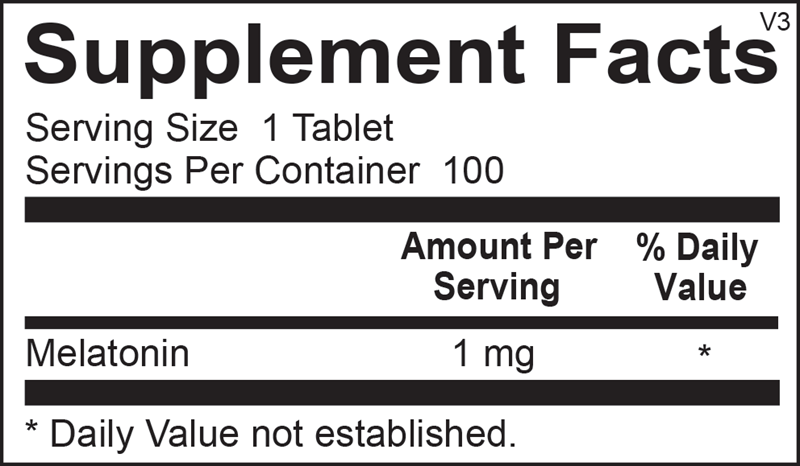

Ortho Molecular Products
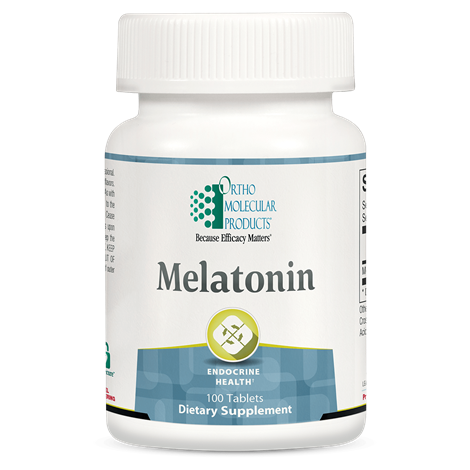
Melatonin 1 mg by Ortho Molecular Products
100 tablets · 100-day supply
Supports Restful Sleep and Healthy Sleep Cycles$30.69
Purchase options
Practitioner-grade brand3rd-party testedFree shipping $50+
Gluten Free·Yeast Free·Artificial Color Free·Artificial Flavor Free
Ortho Molecular Products Melatonin overview
Low dose melatonin fits adults who struggle to fall asleep on time, especially night-owl types with a delayed body clock or travelers adjusting eastward. It’s also useful if you’re over 50, since natural melatonin declines with age, or if you take beta blockers (common blood pressure drugs that suppress nighttime melatonin). If your Cortisol, AM is high and you feel wired at night, pairing this with dark evenings and dim screens works better than taking higher doses.
Melatonin is the brain’s darkness signal, not a knockout sedative. In dim light, it cues your internal clock (the timing system that sets sleep-wake rhythm) to shift earlier, and it slightly lowers core body temperature, which helps sleep onset. At 1 mg, you’re near physiologic levels your brain would make on its own, which tends to improve sleep latency without next-day fog. It won’t fix frequent 3 a.m. awakenings on its own; that’s a different problem to solve with sleep hygiene or cognitive behavioral strategies.
Take one tablet 30–60 minutes before your target bedtime, and keep lights and screens dim after dosing. To shift a delayed schedule earlier, take it 3–5 hours before your usual sleep time for a week while advancing bedtime. For jet lag, start at local bedtime on arrival for 2–3 nights. Most people notice faster sleep onset within 1–3 nights; full circadian shifting typically takes 3–7 days.
Skip this or speak with your clinician if you use warfarin or other anticoagulants (melatonin can increase bleeding risk), fluvoxamine (it can spike melatonin levels), or sedatives where extra drowsiness is unsafe. Autoimmune disease, epilepsy, pregnancy, and breastfeeding deserve individualized advice. Smoking and bright evening light blunt melatonin’s effect; alcohol fragments sleep even if you fall asleep faster.
Frequently asked questions
Is 1 mg of melatonin enough?
For falling asleep faster, 1 mg is often the sweet spot and less likely to cause morning grogginess than higher doses. If you’re still wide awake after a week of consistent timing and dim light, talk to a clinician before increasing.
How long does melatonin take to work?
You should feel a nudge toward sleep within 30–60 minutes. Many notice shorter time-to-sleep in 1–3 nights. Shifting your internal clock earlier, such as for a delayed schedule or jet lag, usually takes 3–7 days of steady use.
Does melatonin help me stay asleep?
It’s better at helping you fall asleep than keeping you asleep. Frequent 3–4 a.m. awakenings are often about sleep timing, alcohol, reflux, pain, or stress. Address those, and consider sleep hygiene or cognitive behavioral therapy for insomnia.
Can I take melatonin with antidepressants?
Usually yes, but avoid combining with fluvoxamine, which can raise melatonin levels too high. If you’re on other antidepressants, start low, keep evenings dark, and discuss persistent insomnia with your prescriber.
Is melatonin safe to use every night?
At low doses, nightly use is generally considered safe for adults. The bigger issues are timing and light exposure. If you need it long term, revisit caffeine timing, alcohol, and screen light, and rule out sleep apnea.
Does melatonin interact with blood thinners?
Yes. Melatonin can increase bleeding risk with warfarin and potentially with other anticoagulants or antiplatelet drugs. If you take these, ask your clinician before using melatonin.
What side effects should I watch for?
The most common are vivid dreams, mild morning grogginess, or headache. These are less likely at 1 mg and improve by taking it earlier or dimming lights. Stop and seek advice if you notice mood changes or persistent next-day sedation.
Will melatonin help with shift work?
It can help anchor sleep after a night shift when taken before your daytime sleep in a darkened room. Blackout shades and strict light control during your commute home matter as much as the dose.
How to take it & ingredients
Suggested use: Take 1 tablet per day or as recommended by your health care professional.
Active ingredients
1 tablet per serving · 100 servings
Melatonin
1 mg
Other ingredients: Isomalt, Natural Cane Sugar, Croscarmellose Sodium, Sodium Stearyl Fumarate, Stearic Acid, Silicon Dioxide
Certifications
Benefits
Warnings