 Instalab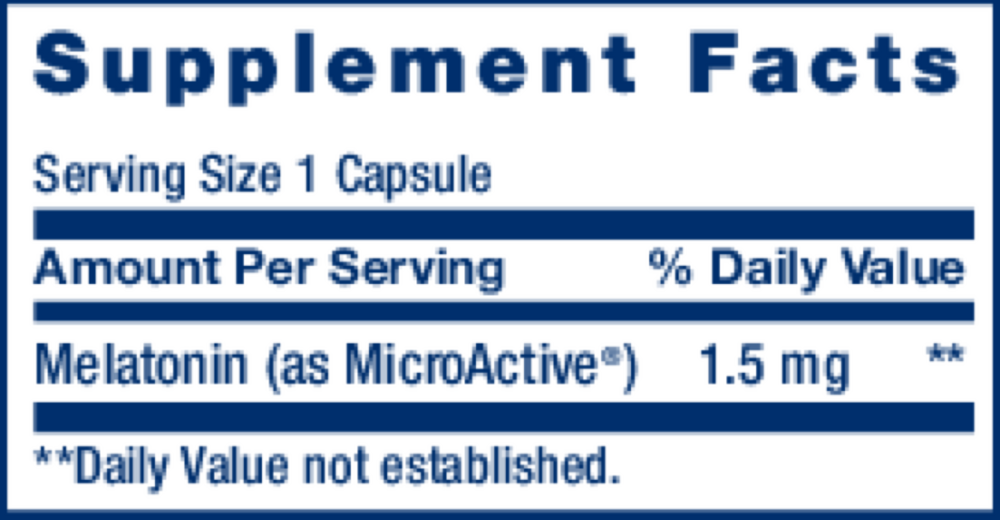

Life Extension
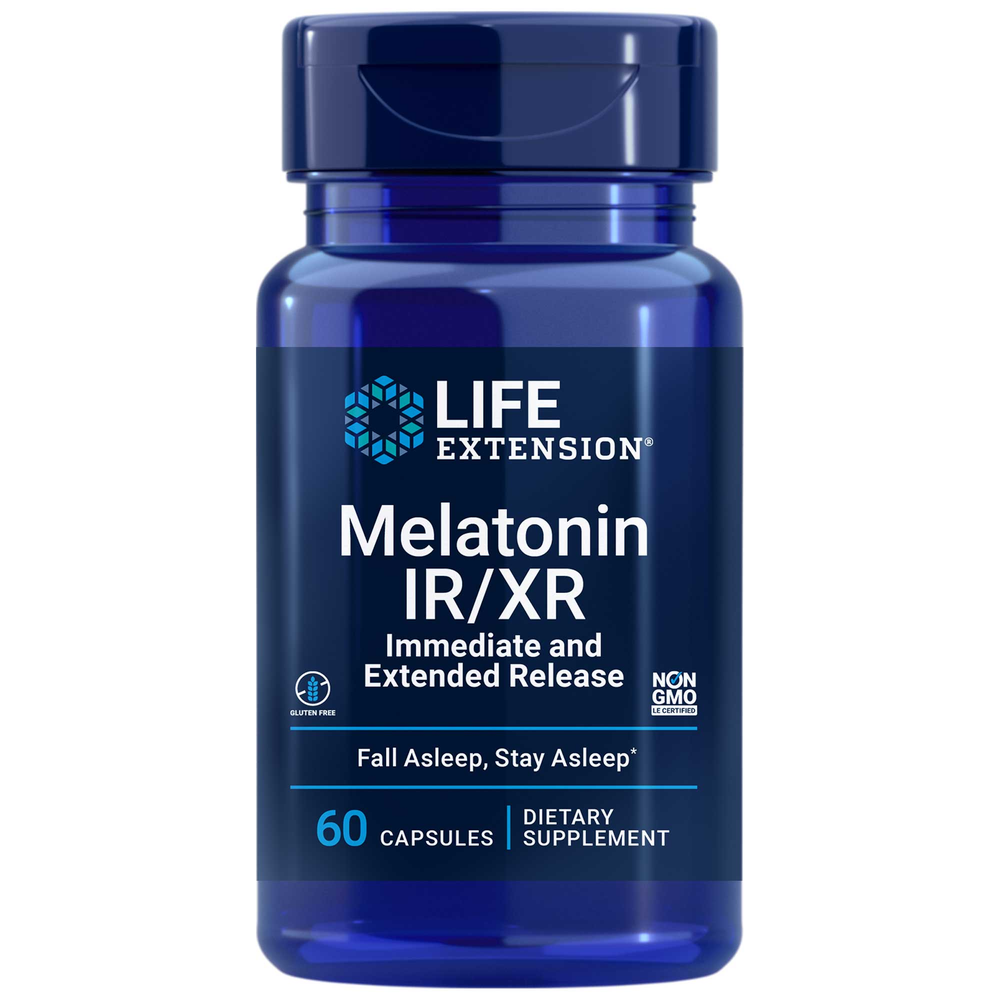
Melatonin IR/XR 1.5 mg by Life Extension
60 capsules · 60-day supply
Dual-Release Melatonin for Restful Sleep and Relaxation$12.99
Purchase options
Practitioner-grade brand3rd-party testedFree shipping $50+
Gluten Free
Life Extension Melatonin IR/XR overview
If you fall asleep slowly or wake at 2–4 a.m., extended-release melatonin is the version to consider. A low 1.5 mg dose suits adults who want help both initiating sleep and maintaining it through the night, without the grogginess common at higher doses. It’s particularly useful during jet lag, early-morning awakenings, or shift work when your internal clock is misaligned. If restless legs are suspected, check Ferritin (iron storage) first; if thyroid is overactive, check TSH (thyroid signal). Melatonin won’t fix those drivers.
Melatonin is your brain’s darkness signal, not a sedative. The immediate‑release portion nudges sleep onset, while the extended‑release portion maintains a gentle level for 6–8 hours to reduce middle‑of‑the‑night awakenings. Most people who respond fall asleep 7–12 minutes faster and spend a bit more time asleep. This MicroActive delivery releases gradually so you don’t get a big peak then a drop. If your Salivary melatonin is already robust at bedtime, more won’t add much.
Take one capsule 30–60 minutes before your target bedtime, and dim screens and overhead light so your brain gets a consistent darkness cue. Start with this 1.5 mg; higher doses rarely work better for maintenance and increase next‑day fog. For jet lag, take it at the new local bedtime for 3–5 nights. If you mainly have trouble staying asleep, keep the timing the same; the extended‑release component is what helps later in the night.
Avoid in pregnancy or when nursing unless your clinician agrees. Fluvoxamine (an antidepressant) can spike melatonin levels; caffeine late day can blunt it. Use caution with anticoagulants or antiplatelets (blood thinners), as case reports suggest a small bleeding risk. Epilepsy, autoimmune disease, and severe depression warrant clinician oversight. If snoring, witnessed apneas, or reflux drive awakenings, address those first—melatonin won’t correct airway or GI causes.
Frequently asked questions
Is extended-release melatonin better for staying asleep?
Yes. Immediate-release helps you fall asleep; extended-release maintains levels for 6–8 hours and is more useful for 2–4 a.m. awakenings. Many adults do best with a low dose that combines both forms.
How long does melatonin take to work?
Onset benefits are felt the first night when taken 30–60 minutes before bed. Nighttime awakenings usually improve within a few nights. Jet lag and shift-work rhythm shifts take 3–7 days of consistent timing.
Will 1.5 mg melatonin be enough?
Often, yes. Low doses align better with the brain’s natural signal and reduce next‑day grogginess. If you’re not improving after a week of good sleep hygiene and light management, talk to your clinician before increasing.
Can I take melatonin with alcohol or caffeine?
Skip alcohol near bedtime; it fragments sleep and counters melatonin’s effect. Limit caffeine after noon; it can delay melatonin signaling and undermine both falling and staying asleep.
Does melatonin cause morning grogginess or vivid dreams?
It can, especially at higher doses. Extended-release at 1.5 mg is less likely to cause hangover sedation, but if you feel foggy, take it earlier or reduce the dose and ensure your room is dark.
Is melatonin safe to take every night?
For most healthy adults, nightly use is considered safe short‑term. If you need it beyond a few weeks, reassess contributors like light exposure, sleep apnea, reflux, pain, or medications with your clinician.
Can I use melatonin for jet lag or shift work?
Yes. Take it at the target local bedtime while getting bright light in the morning and minimizing evening light. This combination resets circadian timing more reliably than melatonin alone.
How to take it & ingredients
Suggested use: Take one (1) capsule 30 to 60 minutes before bedtime, or as recommended by a healthcare practitioner. Melatonin is naturally secreted from the pineal gland at night, and should be taken at night for optimal results.
Active ingredients
1 capsule per serving · 60 servings
Melatonin
MicroActive® Melatonin
MicroActive® Melatonin
1.5 mg
Other ingredients: Microcrystalline cellulose, Gelatin (capsule), Hydroxypropyl methylcellulose, Sodium alginate, Carnuba wax, Silica
Certifications
Benefits
Warnings