
 Instalab

Metabolic Response Modifier
Raw Organic Moringa Leaf Powder by Metabolic Response Modifier
240 grams · 60-day supply
Organic Moringa Leaf Powder for Everyday Greens Nutrition$17.99
Purchase options
Practitioner-grade brand3rd-party testedFree shipping $50+
Vegan·Gluten Free·Lactose Free·Preservative Free·Animal Product Free
Metabolic Response Modifier Raw Organic Moringa Leaf Powder overview
Moringa powder suits people who want another green in the rotation: something to stir into a smoothie on days when vegetables are thin on the plate. It is a food more than a targeted supplement, so no lab test tells you to take it. If you are trying to correct a specific shortfall, such as a low Ferritin or Vitamin D (25-hydroxy), a dedicated supplement at a known dose will do far more than a spoonful of leaf powder.
The powder is a single ingredient: the dried, ground leaves of the moringa tree (Moringa oleifera), long eaten as a vegetable in India and across South Asia and Africa. The bag gives India as the country of origin. The leaves carry plant protein, fiber, minerals and polyphenols such as quercetin and chlorogenic acid. Per serving, the label lists 15 calories, 1 g of protein, 1 g of fiber, 70 mg of calcium, 1.3 mg of iron and 60 mg of potassium. That is useful, but modest next to a plate of cooked greens.
The label says to use 1 serving per day: 2 teaspoons (4 g), added to water, juices, smoothies and other recipes. The bag also suggests yogurt, cereal and baking. The taste is earthy and a little peppery, closer to matcha or spinach than to fruit, so it blends best with banana, citrus or yogurt. If your gut is sensitive to new fibers, start with a smaller spoonful for a few days. The bag holds 60 servings.
Leaf powder in food amounts is well tolerated, but a few cautions apply. Moringa may modestly lower blood sugar, so if you take diabetes medicine, watch your readings when you start. Like other dark leafy greens it contains vitamin K, which matters if you take warfarin: keep your intake consistent and tell your prescriber. Levothyroxine should be taken on an empty stomach, apart from this or any food. If you are pregnant or nursing, have a health condition or take medication, check with your clinician first.
Expect a food, not an effect you can feel. Studies of moringa leaf on blood sugar and cholesterol are small and mixed, so we would not take it for those reasons. Compared with a multi-ingredient greens blend, this is simpler: one organic ingredient, nothing added, and a label that says exactly what is in the bag. Compared with fresh greens, it is convenient but not a replacement.
Frequently asked questions
What does moringa powder taste like?
Earthy, green and slightly peppery, a little like matcha crossed with spinach, with some bitterness. Most people prefer it blended into a smoothie with fruit or stirred into soups and sauces instead of mixed into plain water.
How much moringa powder should I take a day?
The label says to use 1 serving per day, which is 2 teaspoons (4 g), added to water, juices, smoothies or recipes. The bag holds 60 servings. If you are new to it, start with a smaller spoonful for a few days and build up, since leaf fiber can upset some stomachs.
Is moringa powder a good source of iron?
It adds a little. A serving lists 1.3 mg of iron, and plant iron is absorbed less well than iron from meat. That is not enough to correct a low Ferritin; for that, use an iron supplement at a dose your clinician recommends.
Can I take moringa if I have diabetes?
Moringa leaf may lower blood sugar modestly, though the studies are small. In food amounts it is unlikely to cause problems, but if you take insulin or other glucose-lowering medicine, check your readings more often when you start and tell your clinician.
Is moringa safe during pregnancy?
Moringa leaves are eaten as a vegetable in many countries, but the root, bark and flowers are not considered safe in pregnancy, and powders are less studied than the fresh leaf. If you are pregnant or nursing, ask your clinician before using this product.
Does moringa interact with medications?
Possibly with a few. It may add to the effect of diabetes medicines, and as a leafy green it contains vitamin K, which matters for people on warfarin. Levothyroxine should be taken on an empty stomach, apart from this or any food. Ask your pharmacist if you are unsure.
Is this moringa powder organic and vegan?
Yes, according to the bag. It carries the USDA Organic seal and the Non-GMO Project Verified mark, along with vegan and gluten-free symbols, and lists animal products among the things it does not contain. The single ingredient is organic moringa leaf powder.
Can I cook with moringa powder?
Yes. The directions include adding it to recipes, and the bag suggests baking. It works in soups, dals, sauces, eggs and baked goods. Cooking reduces some heat-sensitive vitamins, so add it near the end when you can, or use it uncooked in smoothies.
How to take it & ingredients
Suggested use: Add 1 serving to water, juices, smoothies, and other recipes. Use 1 serving per day.
Active ingredients
2 tsp (4g) per serving · 60 servings
Organic Moringa Leaf Powder
4 g
Calcium
70 mg
Iron
1.3 mg
Potassium
60 mg
Certifications
Benefits
Warnings
Customers also considered
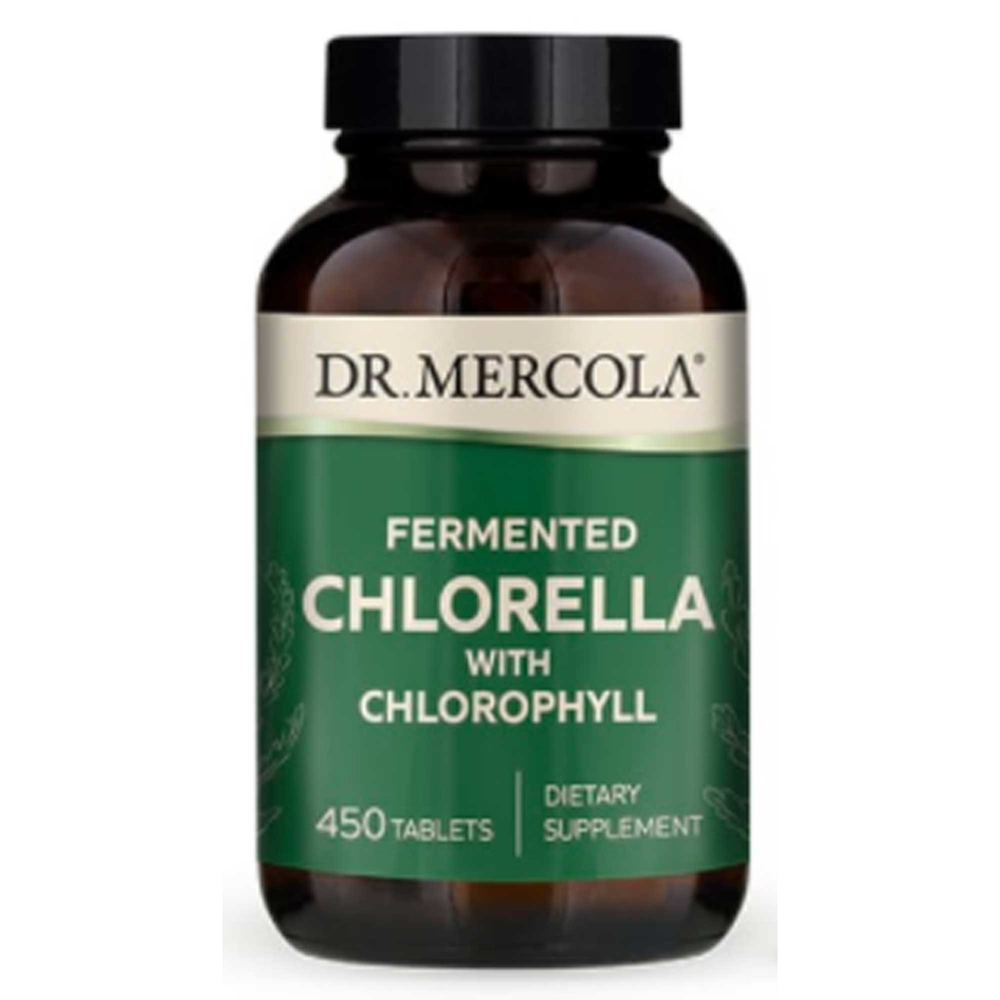
Fermented Chlorella with Chlorophyll
Dr. Mercola
450 tablets
$22.99$17.99 with Subscribe & Save
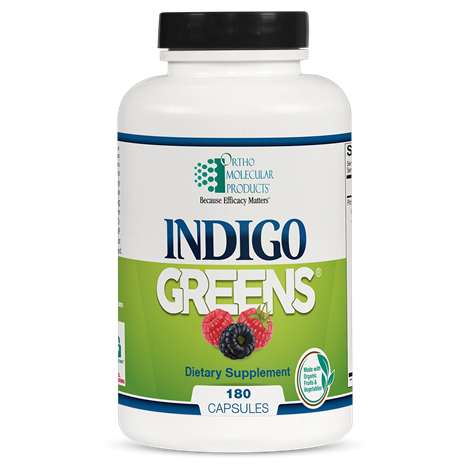
Indigo Greens Capsules
Ortho Molecular Products
180 capsules
$94.85$85.45 with Subscribe & Save
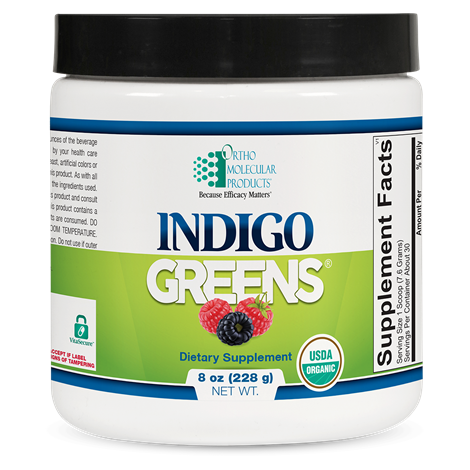
Indigo Greens Powder
Ortho Molecular Products
228 grams
$83.42$75.15 with Subscribe & Save
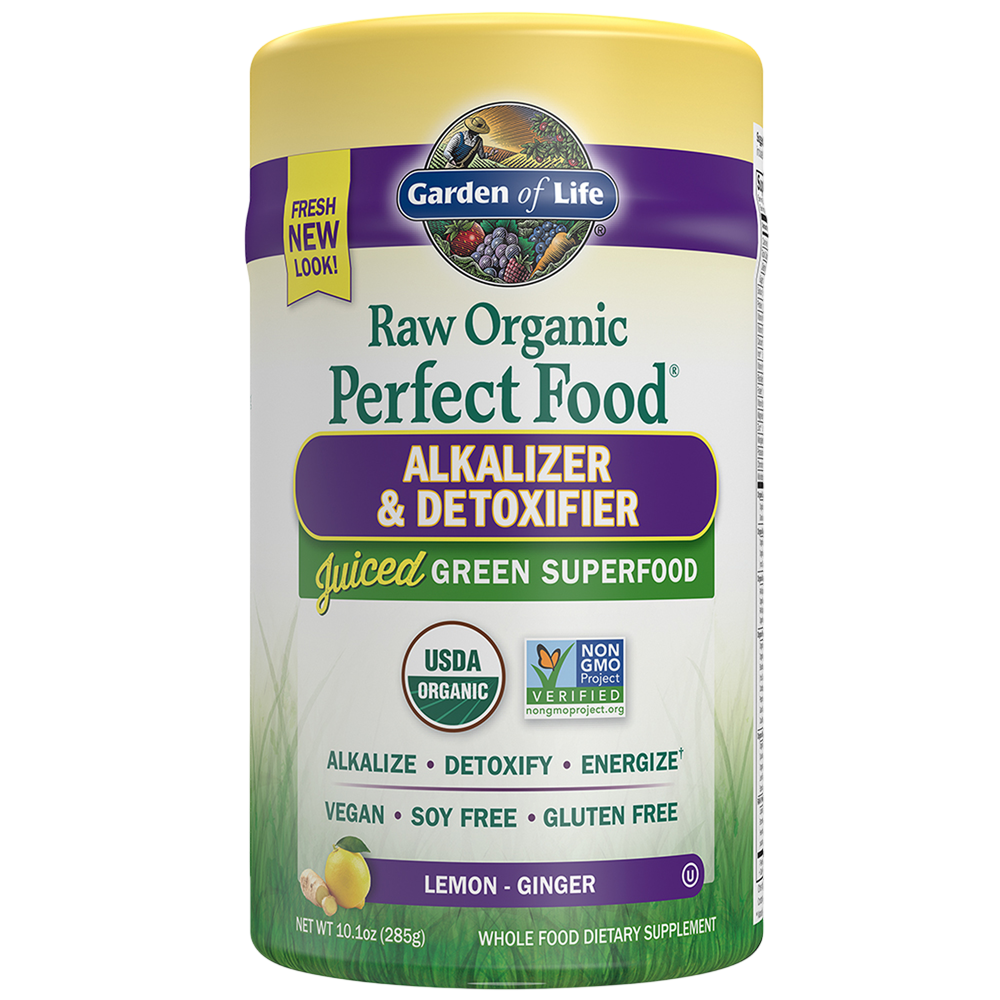
RAW Organic Perfect Food Alkalizer & Detoxifier
Garden of Life
285 grams
$48.99$38.99 with Subscribe & Save