
 Instalab


Nature's Way
Ashwagandha 500 mg by Nature's Way
60 capsules · 30-day supply
Sensoril Ashwagandha Root and Leaf Extract for Everyday Stress$25.99
Purchase options
Practitioner-grade brand3rd-party testedFree shipping $50+
Vegan·Gluten Free·Soy Free·Wheat Free·Corn Free·Dairy Free·
Nature's Way Ashwagandha overview
This fits adults under steady day-to-day strain who want a standardized ashwagandha extract at a moderate dose, especially when stress shows up as feeling wired in the evening or sleeping lightly. If you track labs, a morning Cortisol gives you a baseline to compare against after a couple of months. It is not for use in pregnancy, and people with a thyroid condition or diabetes should involve their clinician first.
Ashwagandha (Withania somnifera) is used in Ayurvedic practice as an adaptogen, a plant taken to help the body cope with stress. This product uses Sensoril, a branded extract of both root and leaf. The front calls it a standardized extract, but the label does not say what it is standardized to. Its active compounds, the withanolides, appear to act on the stress-hormone loop between the brain and the adrenal glands and on GABA, the brain's main calming signal.
A serving is 2 capsules, which provides 500 mg of extract. The label directs adults to take 1–2 capsules daily and not to exceed that. Starting with 1 capsule for the first week is a sensible way to see how you respond before moving to 2. Take it with food if it bothers your stomach. Evening suits people who find it relaxing; move it to the morning if it leaves you groggy the next day.
Do not use it if you are pregnant, and check with your clinician first if you are nursing. Ashwagandha can raise thyroid hormone output, so with hyperthyroidism or levothyroxine use, take it only under your clinician's oversight and recheck TSH, Free T4 and Free T3 a few weeks in. The label asks people with diabetes to monitor blood glucose closely, since it can add to glucose-lowering medicines. It can also add to sedatives and sleep medicines. Rare liver injury has been reported: stop and have ALT and AST checked if you notice dark urine, itching or yellowing eyes. With an autoimmune condition or immunosuppressants, ask your specialist first.
Give it time. In studies of ashwagandha extracts, changes in perceived stress and sleep generally appear over 4–8 weeks of daily use. Most trials last 8–12 weeks and long-term data are limited, so reassess every few months. Root-only extracts are the main alternative; which suits you comes down to how you respond. Stomach upset, loose stools and drowsiness are the most common side effects.
Frequently asked questions
What is Sensoril ashwagandha?
Sensoril is a branded ashwagandha extract made from the root and leaf of Withania somnifera. This product provides 500 mg of it per 2-capsule serving. The front calls it a standardized extract, but the label does not state what it is standardized to.
How many ashwagandha capsules should I take a day?
The label directs adults to take 1–2 capsules daily and not to exceed that. Two capsules make one full serving of 500 mg. Starting with 1 capsule for a week lets you gauge drowsiness and stomach tolerance before taking 2.
How long does ashwagandha take to work?
It is gradual. People who respond usually notice a change in stress or sleep within 2–4 weeks, with the fuller effect by 4–8 weeks of daily use. Give it at least a month before judging, and reassess after 2–3 months.
When is the best time to take ashwagandha?
Evening works well if it relaxes you or if sleep is the goal. If it leaves you groggy in the morning, take it earlier in the day. With food is easier on the stomach. Consistency matters more than the clock.
Can I take ashwagandha if I have a thyroid condition?
Only with your clinician's guidance. Ashwagandha can raise thyroid hormone levels, which matters with hyperthyroidism or if you take levothyroxine. If you do use it, recheck TSH, Free T4 and Free T3 a few weeks after starting.
Is ashwagandha safe during pregnancy or breastfeeding?
The label says not to use it if you are pregnant. If you are nursing, it says to consult a healthcare professional before use. Safety data in breastfeeding are limited, so most clinicians advise waiting.
Does ashwagandha affect blood sugar?
It may lower it modestly. The label tells people with diabetes to monitor blood glucose closely while taking this product. If you use insulin or other glucose-lowering medicines, talk to your prescriber before starting.
What are the side effects of ashwagandha?
The common ones are stomach upset, loose stools and drowsiness. Rare cases of liver injury have been reported; stop and see your clinician if you notice dark urine, itching, or yellowing of the skin or eyes.
How to take it & ingredients
Suggested use: Adults take 1-2 capsules daily. Do not exceed recommended dose.
Active ingredients
2 capsules per serving · 30 servings
Ashwagandha
Sensoril® (root, leaf) Extract
Sensoril® (root, leaf) Extract
500 mg
Other ingredients: Plant-derived capsule (hypromellose), Cellulose, Magnesium stearate, Calcium silicate, Silica
Certifications
Benefits
Warnings
Customers also considered
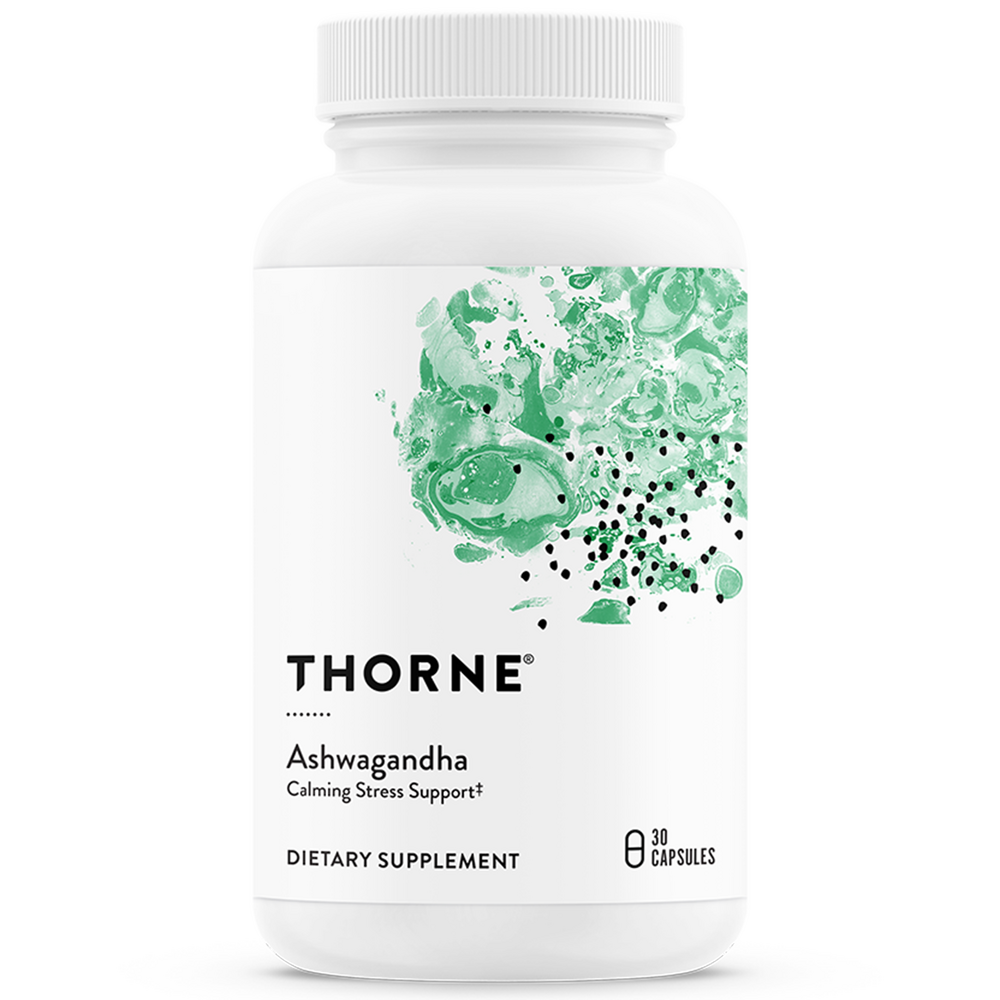
Ashwagandha
Thorne
30 capsules
$22.00$19.80 with Subscribe & Save
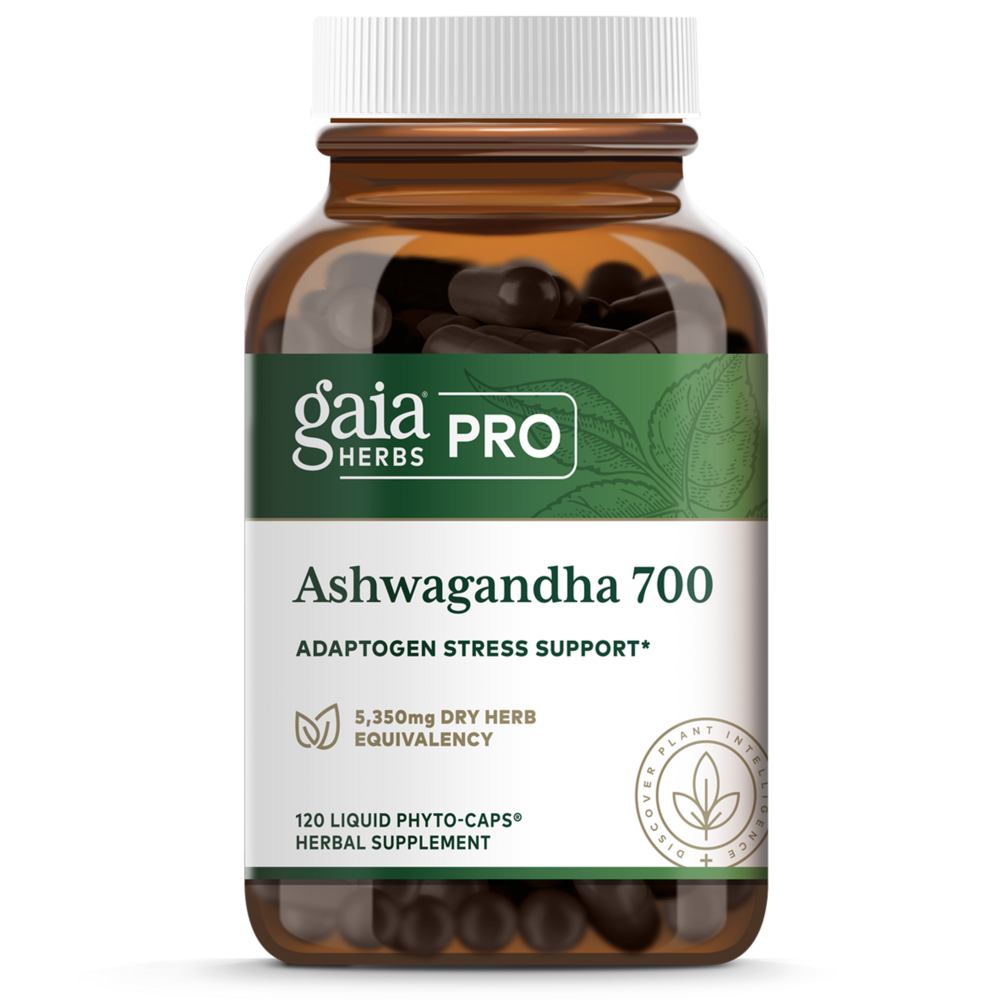
Ashwagandha 700
Gaia Herbs Pro
120 capsules
$45.99$36.99 with Subscribe & Save

Klean Ashwagandha
Klean Athlete
60 capsules
$32.00$25.99 with Subscribe & Save

Protocol, KSM-66 Ashwagandha®, Stress and Sleep Support
Protocol for Life Balance
90 capsules
$34.99$27.99 with Subscribe & Save