 Instalab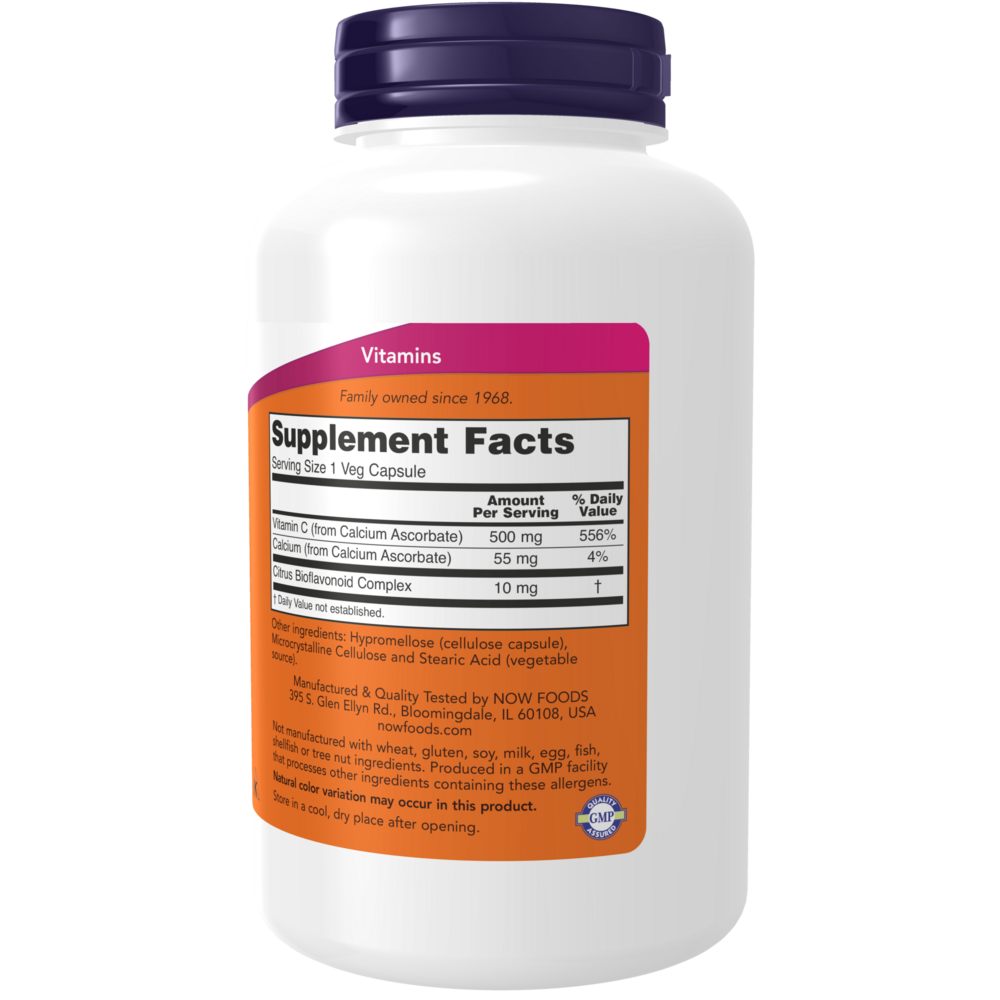

Now Foods
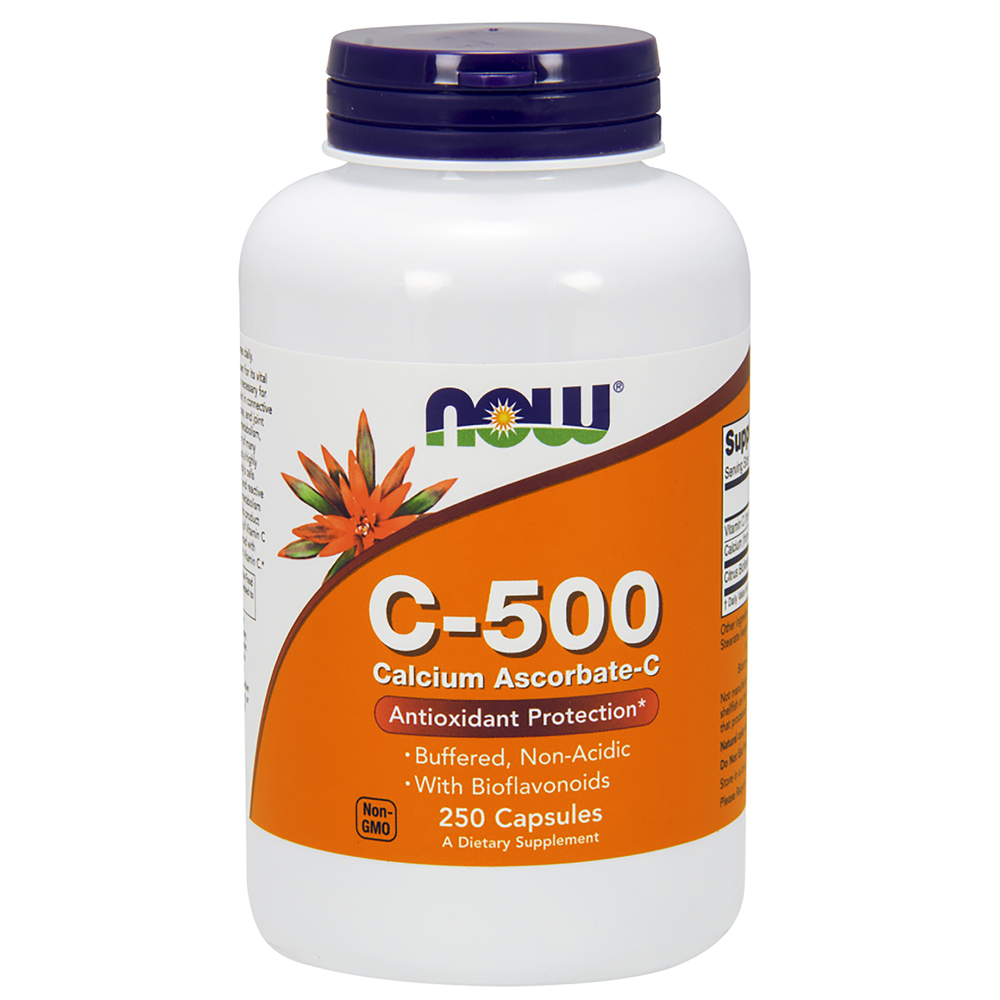
C-500 Calcium Ascorbate-C by Now Foods
250 capsules · 250-day supply
Buffered Vitamin C for Immune Support and Antioxidant Protection$24.99
Purchase options
Practitioner-grade brand3rd-party testedFree shipping $50+
Gluten Free·Soy Free·Dairy Free·Egg Free·Salt Free·Wheat Free·
Now Foods C-500 Calcium Ascorbate-C overview
If regular vitamin C upsets your stomach, buffered vitamin C fits. Calcium ascorbate is non‑acidic, so people with heartburn or sensitive digestion tolerate it better. It’s practical if your fruit-and-vegetable intake is low, you smoke or vape (needs are higher), or you want steady collagen support for skin and joints. If you’re taking iron for low Ferritin, use vitamin C, but consider a form without added calcium or take this at a different time.
Calcium ascorbate delivers ascorbate (the active vitamin C) paired with a small amount of calcium, which makes it gentler on the gut than plain ascorbic acid. Vitamin C powers collagen-making enzymes, the steps that strengthen skin, bone, and tendons. It also regenerates vitamin E, helps white blood cells function, and improves non‑heme iron absorption by reducing iron to a more absorbable form. Citrus bioflavonoids add plant compounds that ride along in foods where vitamin C naturally appears.
Take 1 capsule 1 to 3 times daily. Vitamin C uses a saturable transporter, so smaller split doses are absorbed better than a single large dose. Take with food if you’re sensitive; empty stomach is fine for most. If you supplement iron for low Ferritin, pair iron with plain ascorbic acid or take your iron at a different time than this calcium ascorbate—the small calcium here can compete with iron absorption at the same meal.
If you’ve had recurrent calcium oxalate kidney stones, avoid high-dose vitamin C; stick to modest intakes unless your clinician agrees. People with iron overload disorders (like hemochromatosis) should not use vitamin C to boost iron absorption. Certain chemotherapy regimens are sensitive to antioxidants—ask your oncology team before use. For colds, daily vitamin C slightly shortens duration in some, but starting it after symptoms begin hasn’t shown meaningful benefit.
Skin and gum health changes are gradual; give collagen-related effects 8 to 12 weeks. Iron status (Ferritin and Iron) typically improves over 8 to 12 weeks when vitamin C is paired correctly with iron. hs‑CRP (an inflammation marker) doesn’t reliably drop with vitamin C alone. NOW includes 500 mg vitamin C and 55 mg calcium per capsule—useful for gentle daily use rather than megadoses.
Frequently asked questions
What is buffered vitamin C, and is it gentler?
Buffered vitamin C (calcium ascorbate) is non‑acidic, so it’s easier on the stomach than ascorbic acid. It delivers the same active vitamin C with less heartburn or GI irritation, especially at higher intakes or when taken without food.
How much vitamin C should I take daily?
Most adults do well with 250–1,000 mg per day from food and supplements combined. This capsule provides 500 mg; 1–3 daily covers typical maintenance. Very high doses add cost and can cause loose stools without clear added benefit for most.
Does vitamin C help prevent or treat colds?
Taken daily, vitamin C modestly shortens cold duration in some people. Starting it after symptoms begin hasn’t shown a meaningful effect on severity or length. Good sleep, hand hygiene, and updated vaccines matter more.
Can I take vitamin C with iron?
Yes—vitamin C improves non‑heme iron absorption. For best results with low Ferritin, pair iron with plain ascorbic acid or take your iron at a different time than calcium-containing products, including calcium ascorbate.
Is calcium ascorbate better than ascorbic acid?
It’s gentler, not stronger. Calcium ascorbate delivers the same vitamin C with less acidity, which many people tolerate better. If you need to pair vitamin C with iron, plain ascorbic acid is often the more efficient choice at that dose.
How long until vitamin C works for skin and joints?
Collagen-related changes are slow. Expect 8–12 weeks for skin texture or gum health to shift, and longer for tendon or joint remodeling. Consistent intake and adequate protein make more difference than short bursts.
Who should avoid high-dose vitamin C?
People with a history of calcium oxalate kidney stones or iron overload (hemochromatosis, thalassemia) should avoid large doses. If you’re on chemotherapy or take aluminum-containing antacids, ask your clinician before using high-dose vitamin C.
How to take it & ingredients
Suggested use: Take 1 capsule 1 to 3 times daily.
Active ingredients
1 capsule per serving · 250 servings
Vitamin C
From Calcium Ascorbate
From Calcium Ascorbate
500 mg
Calcium
From Calcium Ascorbate
From Calcium Ascorbate
55 mg
Citrus Bioflavonoid Complex
10 mg
Other ingredients: Gelatin (capsule), Cellulose, Magnesium Stearate (vegetable source)
Certifications
Benefits
Warnings
Customers also considered
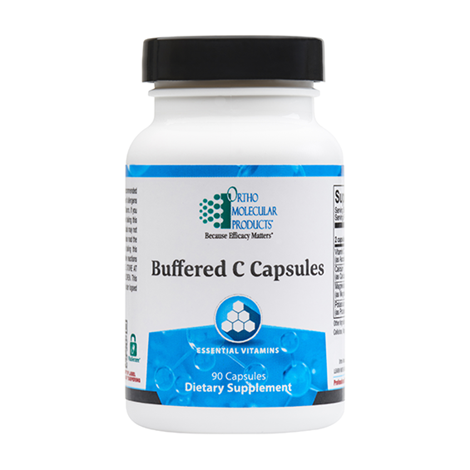
Buffered C Capsules
Ortho Molecular Products
90 capsules
$36.57$32.95 with Subscribe & Save
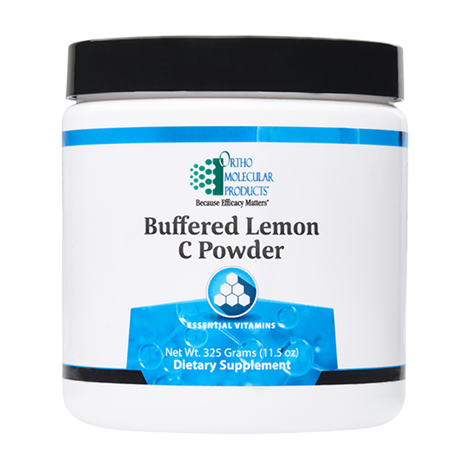
Buffered Lemon C Powder
Ortho Molecular Products
325 grams
$63.99$57.65 with Subscribe & Save
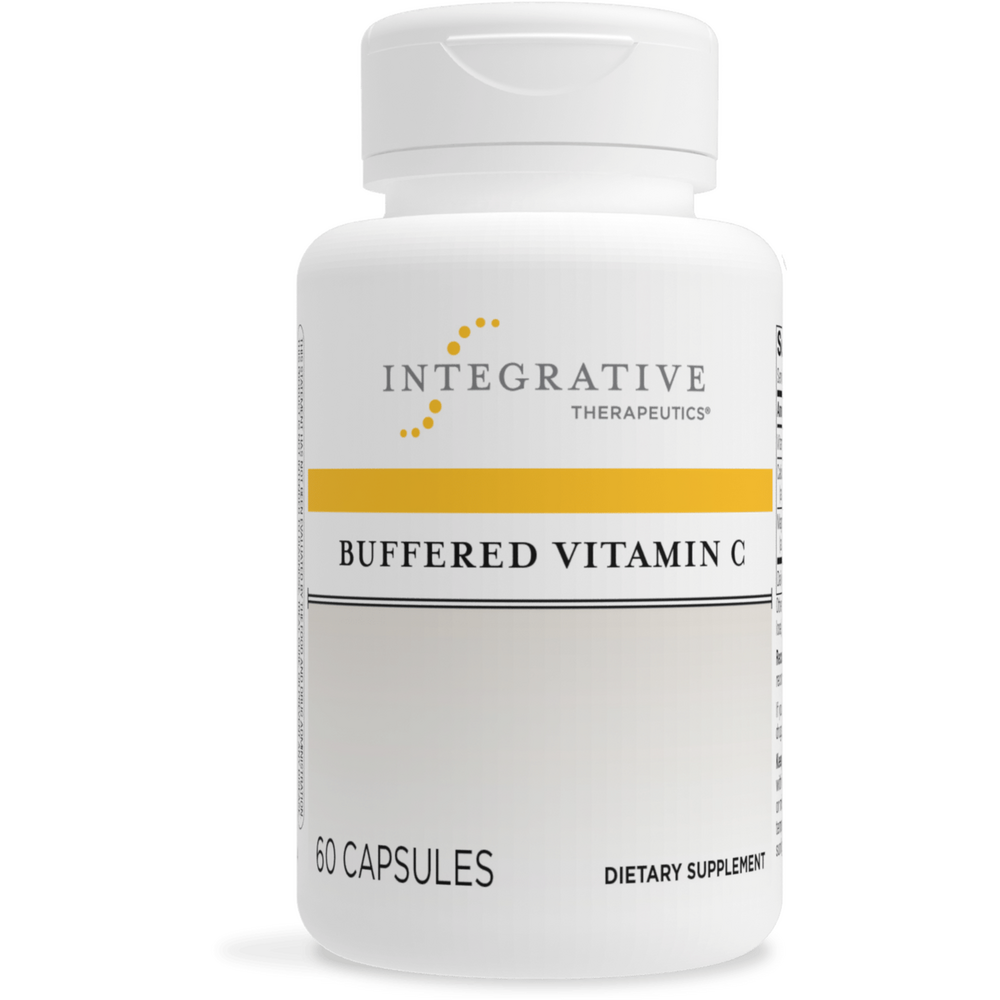
Buffered Vitamin C
Integrative Therapeutics
60 capsules
$15.99$12.99 with Subscribe & Save
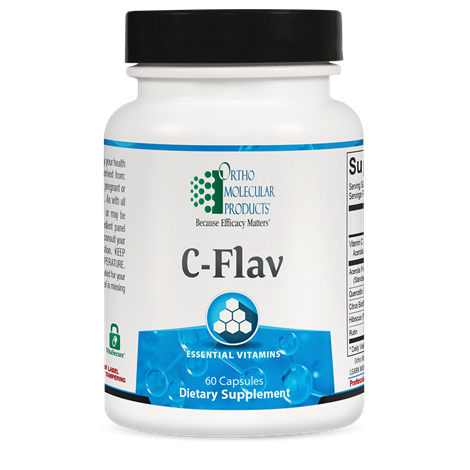
C-Flav
Ortho Molecular Products
60 capsules
$46.23$41.65 with Subscribe & Save