 Instalab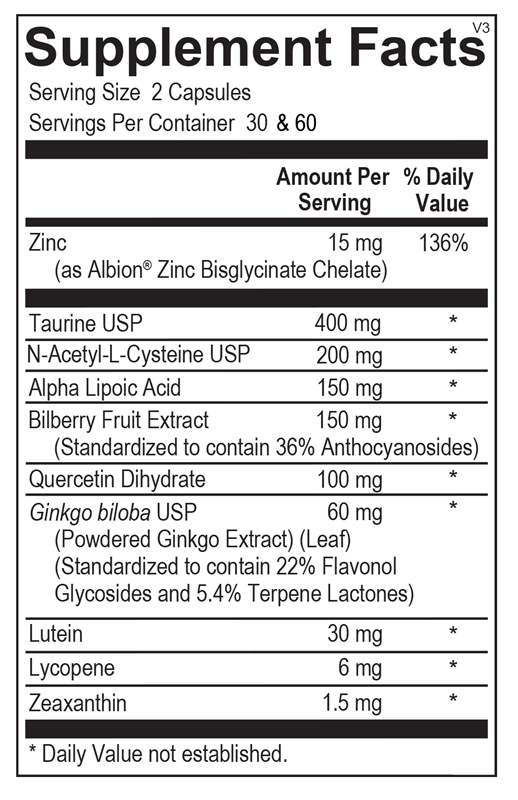
Ortho Molecular Products
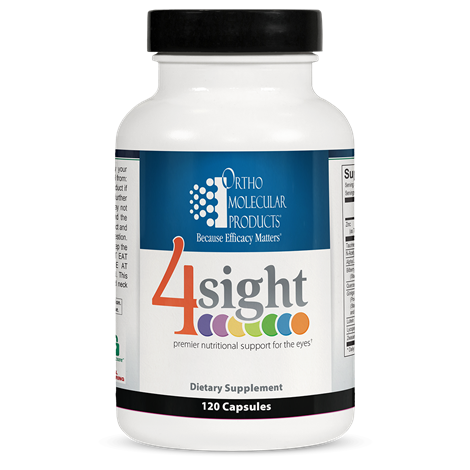
4sight by Ortho Molecular Products
120 capsules · 60-day supply
Comprehensive Support for Vision Health and Eye Function$181.76
Purchase options
Practitioner-grade brand3rd-party testedFree shipping $50+
Gluten Free·Artificial Color Free·Artificial Flavor Free
Ortho Molecular Products 4sight overview
If screens, bright sun, or night driving leave your eyes strained or glare-prone, a lutein and zeaxanthin supplement is a practical pick. These carotenoids concentrate in the macula (the central retina for sharp vision) and rise measurably within 8 to 12 weeks. It fits people with low dietary intake of leafy greens or eggs, those with low macular pigment optical density (a clinical measurement of macular carotenoids), and anyone aiming to improve contrast sensitivity and recovery from bright light.
Lutein 30 mg plus zeaxanthin 1.5 mg accumulate in the macula, where they act as blue-light filters and antioxidants, which helps reduce glare and supports visual function. Zinc 15 mg is a cofactor for retinal enzymes that handle light signals. Taurine, N-acetyl-L-cysteine, and alpha-lipoic acid help rebuild glutathione (the cell’s main antioxidant) and recycle vitamins C and E, adding resilience against oxidative stress. Bilberry and quercetin supply anthocyanins and flavonols that support retinal antioxidant capacity; evidence for night vision is mixed but they’re reasonable adjuncts. Ginkgo can aid microcirculation in the eye, though its visual effects are modest.
Take 2 capsules daily with a meal that includes fat; carotenoids absorb better with oils from foods like olive oil, avocado, or eggs. Consistency matters: plan on 8 to 12 weeks before you notice easier glare recovery. If you already use a multivitamin with zinc, this adds a moderate 15 mg more, which is generally acceptable for adults. Pairing with dietary omega-3s or fish oil is common when aiming to support the retina’s lipid-rich membranes.
Ginkgo can increase bleeding risk, so avoid this formula with warfarin, apixaban, rivaroxaban, clopidogrel, or high-dose aspirin unless your clinician agrees. Alpha-lipoic acid can lower blood sugar; monitor if you use diabetes medication. N-acetyl-L-cysteine can potentiate nitroglycerin headaches. Long-term high zinc can lower copper, but the 15 mg here is modest; if you use additional zinc elsewhere, consider a multivitamin that includes copper.
Frequently asked questions
How long does lutein and zeaxanthin take to work?
Most people need 8–12 weeks of daily use for macular pigment to rise and for glare recovery or contrast sensitivity to feel easier. Keep taking it with meals that include fat for best absorption.
Do I need to take lutein with food or oil?
Yes. Take it with a meal that contains fat, like olive oil, nuts, avocado, or eggs. Carotenoids absorb poorly on an empty stomach and much better alongside dietary fats.
Is this safe with blood thinners?
Not without supervision. Ginkgo can increase bleeding risk and should be avoided with warfarin, apixaban, rivaroxaban, clopidogrel, or high-dose aspirin unless your prescriber approves.
Can I use this with my multivitamin that already has zinc?
Usually yes. This adds 15 mg of zinc, a moderate amount for adults. If your total daily zinc intake is high for months, ensure you also get copper from diet or a multivitamin.
Will this help night vision or driving glare?
Lutein and zeaxanthin can improve contrast sensitivity and glare recovery over weeks. Evidence for bilberry and ginkgo on night vision is mixed, so count them as supportive rather than primary.
Any common side effects I should watch for?
Mild nausea or stomach upset can occur if taken without food. Rarely, high carotenoid intake can give skin a yellow tint that’s harmless and fades when intake drops.
Should I also take omega-3 with this eye supplement?
It’s reasonable. The retina is rich in omega-3s, and many clinicians pair carotenoids with fish oil. If you track labs, an Omega-3 Index can confirm whether you’re in a healthy range.
How to take it & ingredients
Suggested use: 2 capsules per day or as recommended by your health care professional.
Active ingredients
2 capsules per serving · 60 servings
Zinc
Albion® Zinc Bisglycinate Chelate
Albion® Zinc Bisglycinate Chelate
15 mg
Taurine
USP
USP
400 mg
N-Acetyl-L-Cysteine
USP
USP
200 mg
Alpha Lipoic Acid
150 mg
Bilberry Fruit Extract
Standardized to contain 36% Anthocyanosides
Standardized to contain 36% Anthocyanosides
150 mg
Quercetin
Quercetin Dihydrate
Quercetin Dihydrate
100 mg
Ginkgo biloba
USP (Powdered Ginkgo Extract) (Leaf), standardized to contain 22% Flavonol Glycosides and 5.4% Terpene Lactones
USP (Powdered Ginkgo Extract) (Leaf), standardized to contain 22% Flavonol Glycosides and 5.4% Terpene Lactones
60 mg
Lutein
30 mg
Lycopene
6 mg
Zeaxanthin
1.5 mg
Other ingredients: Hypromellose (Natural Vegetable Capsules), Microcrystalline Cellulose, Magnesium Stearate, Silicon Dioxide, Stearic Acid
Certifications
Benefits
Warnings
Customers also considered
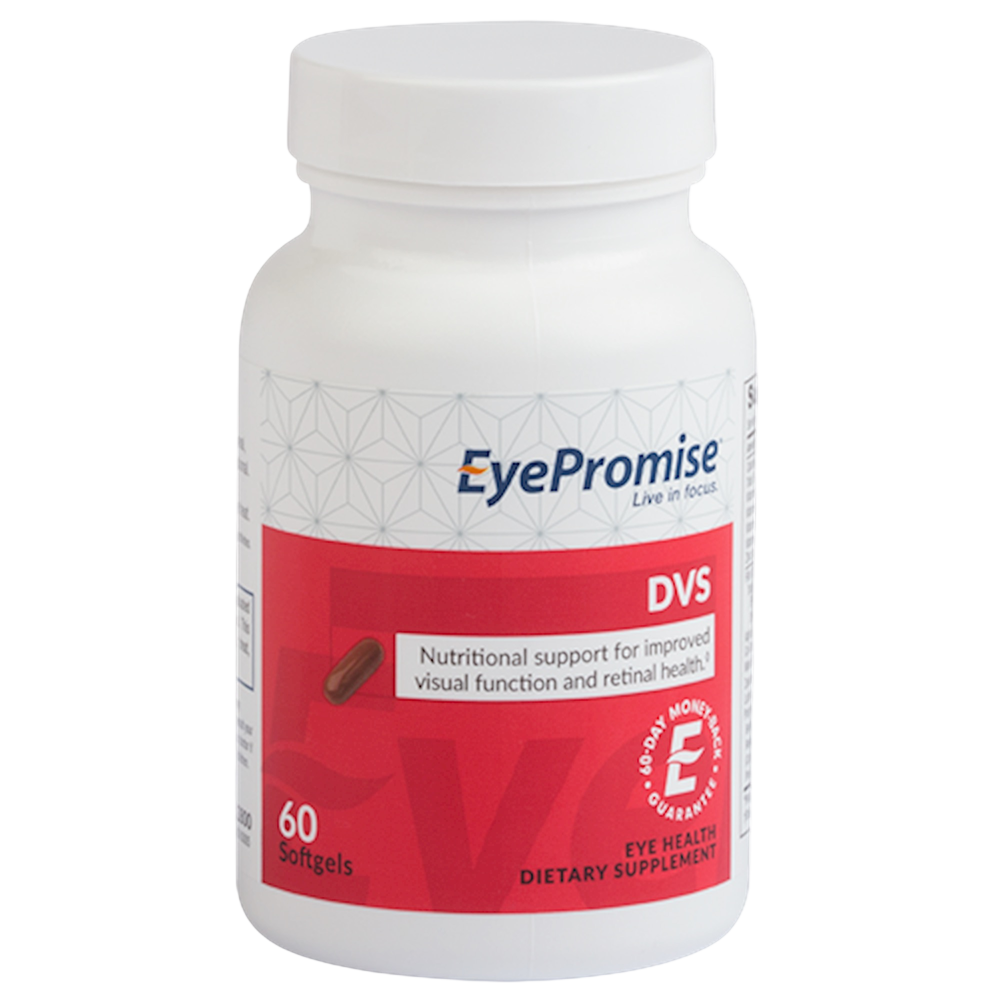
EyePromise DVS
Eye Promise
60 softgels
$45.99$36.99 with Subscribe & Save
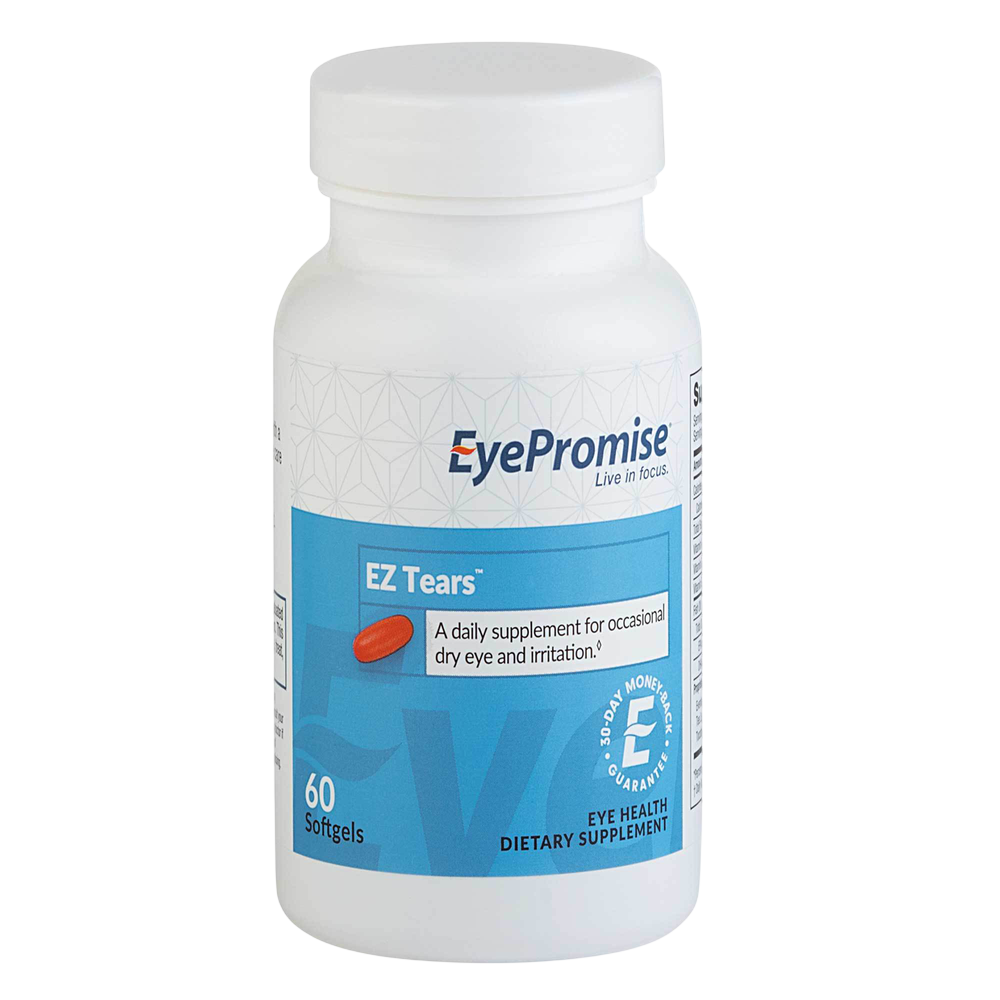
EyePromise EZ Tears
Eye Promise
60 softgels
$42.99$33.99 with Subscribe & Save
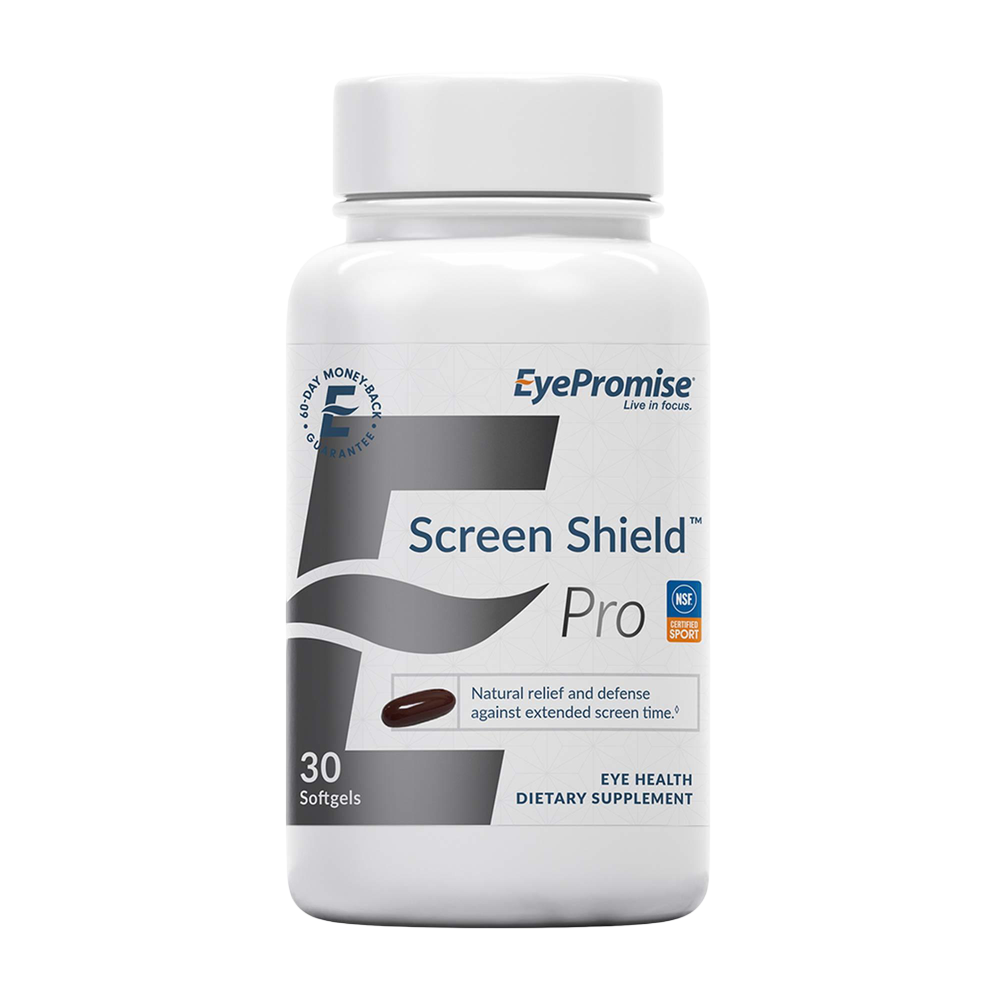
EyePromise Screen Shield Pro
Eye Promise
30 softgels
$39.99$31.99 with Subscribe & Save
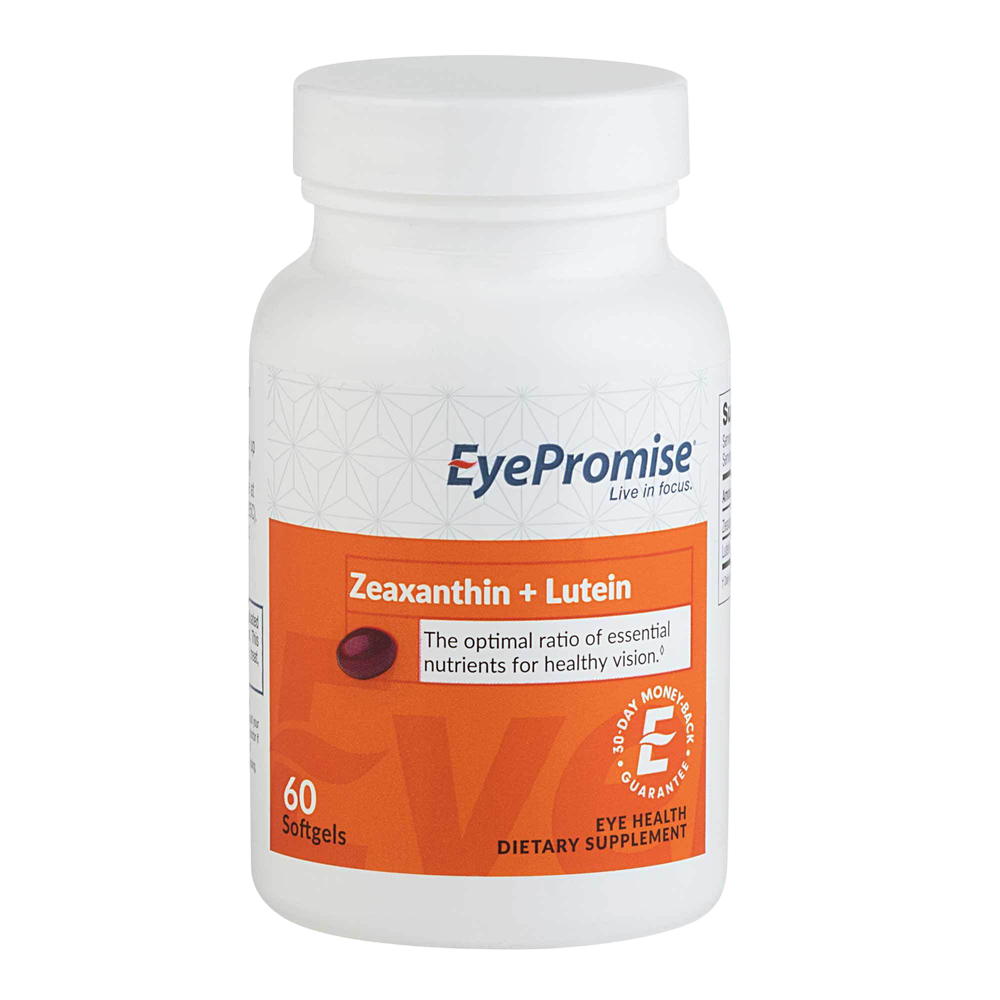
EyePromise Zeaxanthin + Lutein
Eye Promise
60 softgels
$41.99$33.99 with Subscribe & Save