 Instalab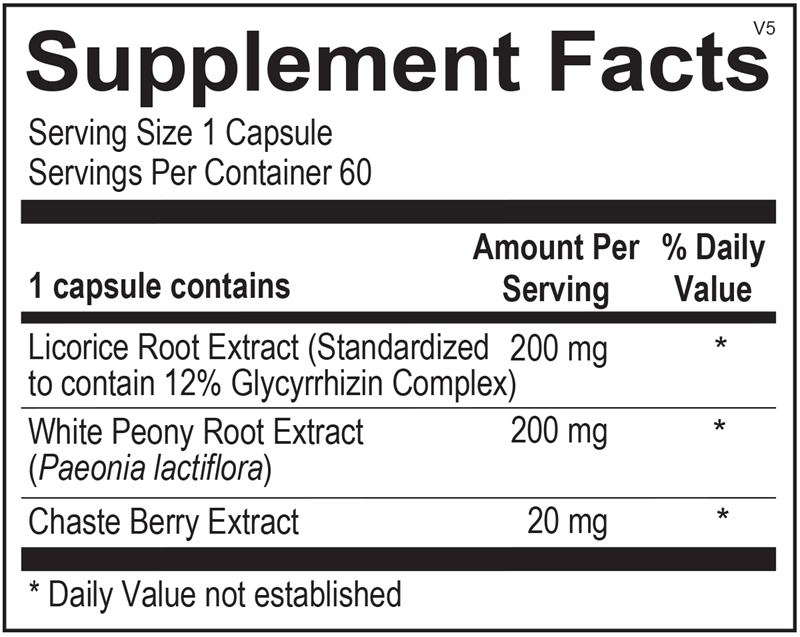


Ortho Molecular Products
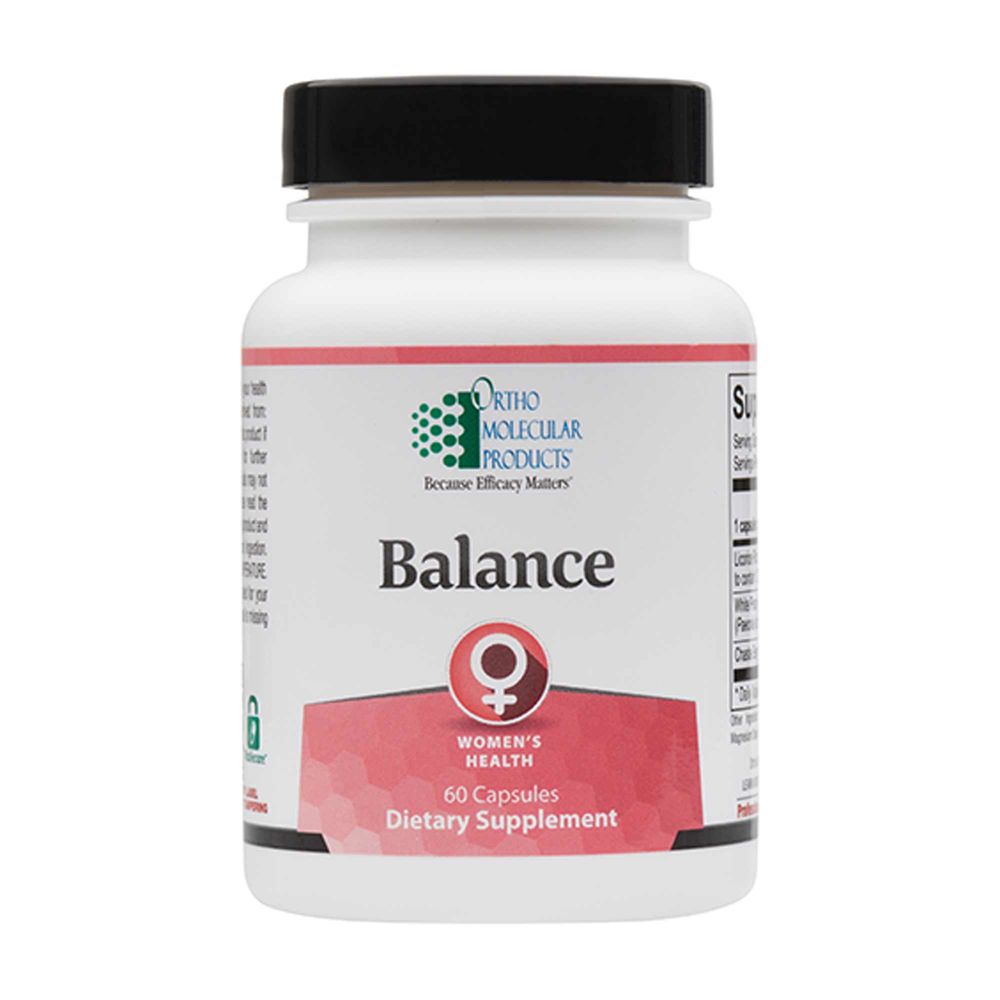
Balance by Ortho Molecular Products
60 capsules · 60-day supply
Support Hormonal Balance for Overall Well-Being$47.90
Purchase options
Practitioner-grade brand3rd-party testedFree shipping $50+
Vegan·Vegetarian·Gluten Free·Artificial Color Free·Artificial Flavor Free
Ortho Molecular Products Balance overview
If PMS symptoms like breast tenderness, mood swing days before bleeding, or short luteal phases are your pattern, a chaste berry for PMS blend is a reasonable first step. It’s also useful if your labs show high-normal Prolactin or low mid‑luteal Progesterone (the hormone that stabilizes the second half of the cycle). Those with androgen-leaning labs—higher DHEA‑S or free testosterone with adult acne—may benefit from the white peony and licorice pairing. If cycles are very heavy, absent, or highly painful, start with a clinician workup.
Chaste berry (vitex) nudges the pituitary’s prolactin output down by gently stimulating dopamine receptors, which can improve luteal-phase progesterone and lessen PMS breast tenderness. White peony is used for its anti-spasmodic effect on uterine muscle and its tendency to temper androgens (male-pattern hormones) by boosting aromatase, the enzyme that converts testosterone to estradiol. Licorice slows cortisol breakdown, smoothing stress signaling, but it can also raise blood pressure and lower potassium in sensitive people.
Take 1 capsule daily, ideally in the morning; consistency matters more than timing. With or without food is fine—use food if you’re prone to nausea. Expect a timeline of 2 to 3 cycles (8 to 12 weeks) before judging results. Track symptoms alongside labs when relevant: Prolactin, mid‑luteal Progesterone, DHEA‑S, and free Testosterone. If your Prolactin is clearly elevated, work with a clinician rather than self-titrating.
Skip this if you’re pregnant, breastfeeding, or using hormonal contraception (pill, patch, ring, hormonal IUD); chaste berry can counteract or confuse those signals. Avoid if you have uncontrolled high blood pressure, low potassium, kidney disease, or take drugs affected by licorice: diuretics, digoxin, corticosteroids, or antihypertensives. If you’re on dopamine-active meds (cabergoline, bromocriptine, antipsychotics), or in fertility treatment, use only with clinician guidance. For hormone‑sensitive cancers, discuss with your oncology team first.
Frequently asked questions
How long does chaste berry take to work for PMS?
Most people need 2–3 cycles (about 8–12 weeks) of daily use to see steadier mood and less breast tenderness. Track symptoms by cycle, not by days. If nothing changes after 3 cycles, reassess labs and fit.
Can I take this with birth control?
No. Chaste berry can oppose or confuse hormonal contraceptive signaling. If you’re on a pill, patch, ring, or hormonal IUD, avoid this blend and talk with your prescriber about cycle symptoms.
Does licorice in supplements raise blood pressure?
It can. Licorice slows cortisol breakdown, which in some people raises blood pressure and lowers potassium. If you have hypertension or use diuretics or digoxin, avoid or use only with monitoring.
What labs should I check while using this?
Useful markers include Prolactin, mid‑luteal Progesterone (drawn about 7 days after ovulation), DHEA‑S, total and free Testosterone, and TSH if cycles are irregular. Recheck after 8–12 weeks.
Is this safe in pregnancy or while breastfeeding?
No. Avoid during pregnancy and lactation. The prolactin and hormone effects of chaste berry and licorice aren’t appropriate in these settings without specialist guidance.
When is the best time of day to take vitex?
Morning is traditional for chaste berry, but the key is taking it daily. Use food if you experience nausea. Consistency across cycles matters more than clock time.
Can men use peony and licorice for androgens or stress?
Men sometimes use white peony and licorice for stress modulation, but licorice can lower potassium and raise blood pressure. If the goal is androgen management, get testosterone and DHEA‑S measured first.
How to take it & ingredients
Suggested use: 1 capsule per day or as recommended by your health care professional.
Active ingredients
1 capsule per serving · 60 servings
White Peony Root Extract
-
Licorice Root Extract
-
Chaste Berry Extract
-
Other ingredients: Natural vegetable capsules, Microcrystalline cellulose, Magnesium stearate, Silicon dioxide, Calcium silicate
Certifications
Benefits
Warnings
Customers also considered
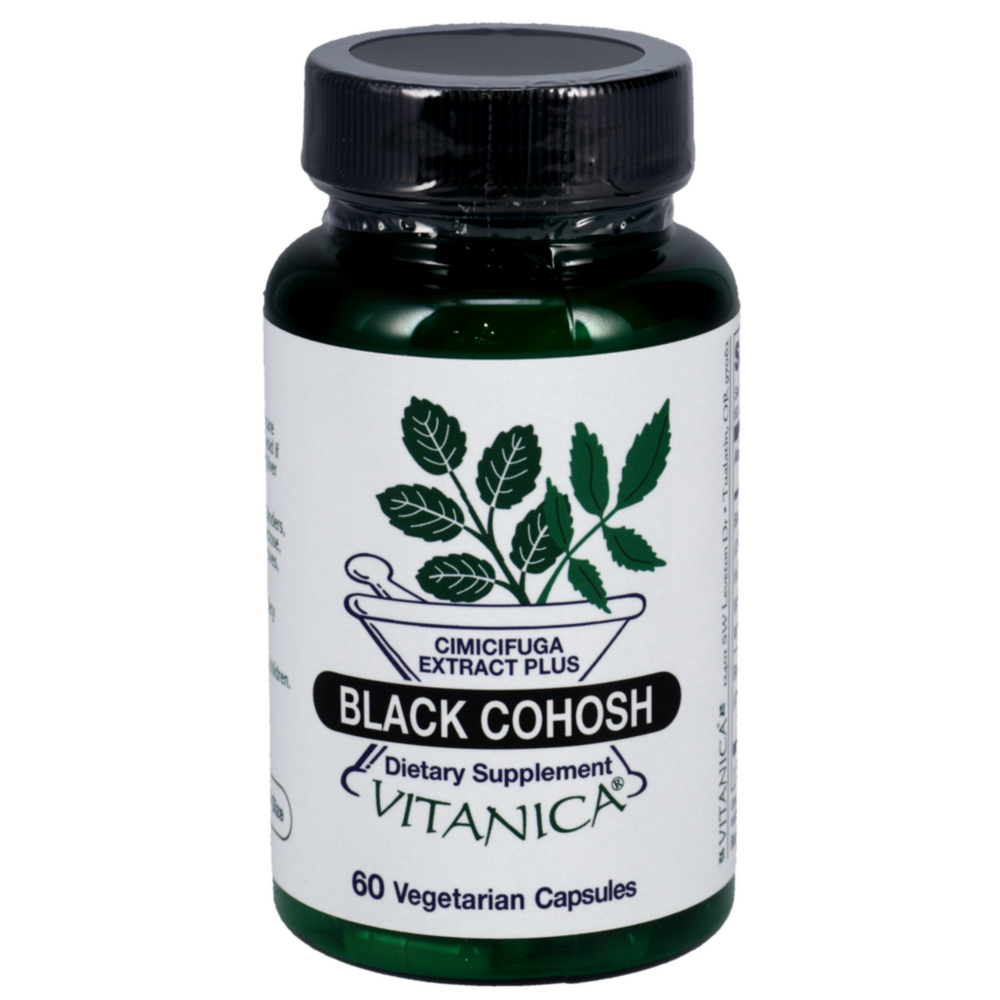
Black Cohosh
Vitanica
60 capsules
$17.99$13.99 with Subscribe & Save
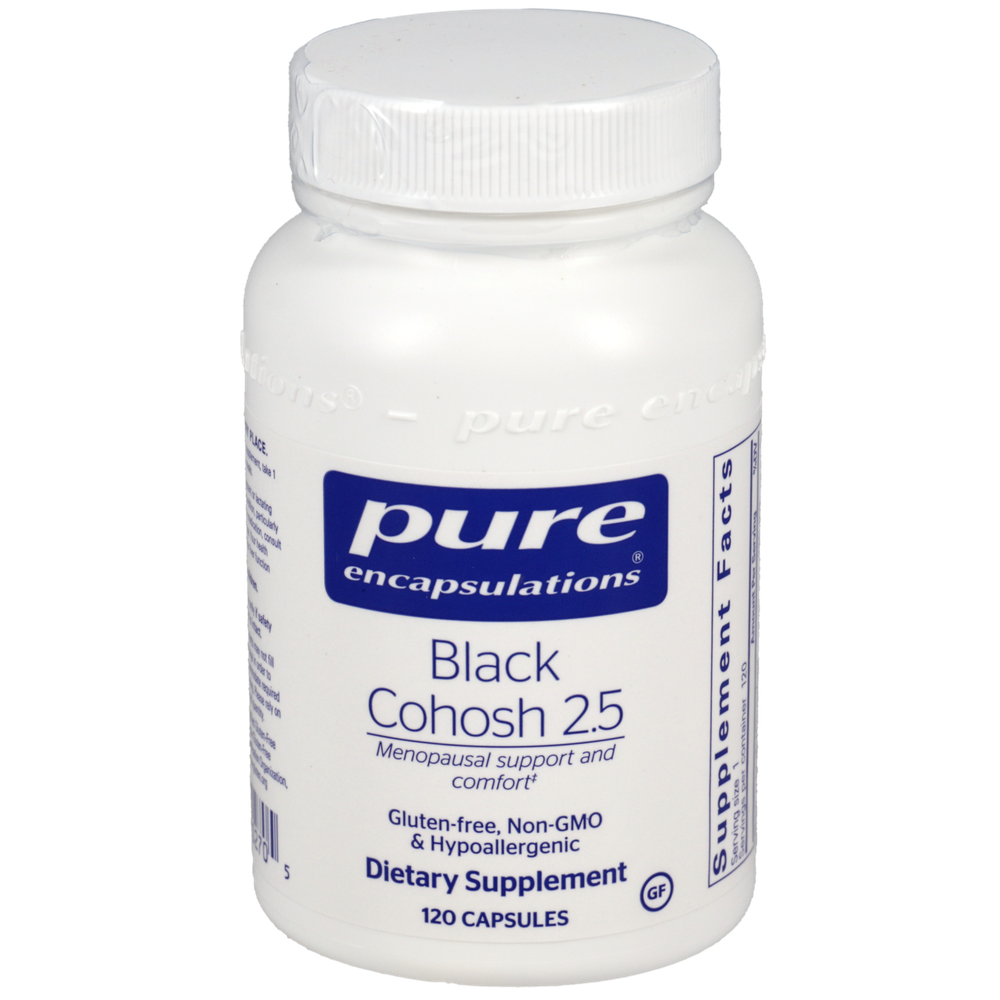
Black Cohosh 2.5
Pure Encapsulations
120 capsules
$53.00$41.99 with Subscribe & Save
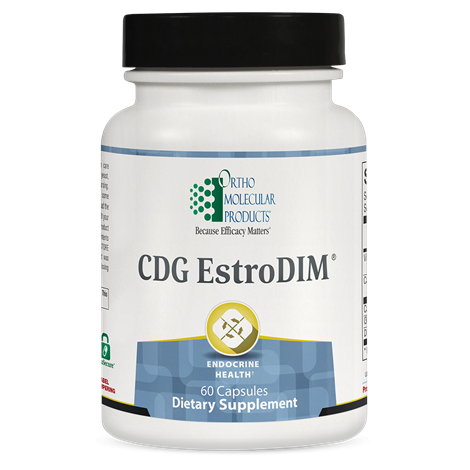
CDG EstroDIM
Ortho Molecular Products
60 capsules
$103.73$93.45 with Subscribe & Save
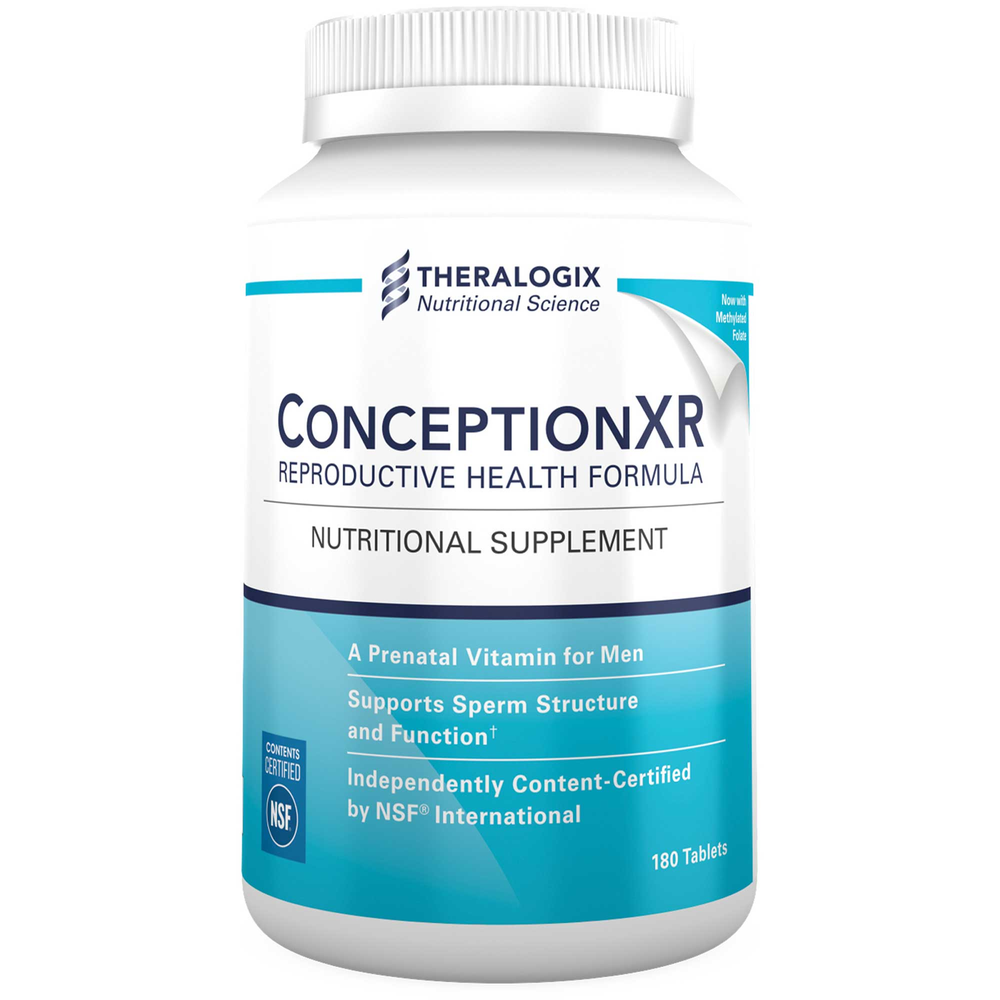
ConceptionXR Reproductive Health Formula
Theralogix
180 tablets
$77.99$61.99 with Subscribe & Save