 Instalab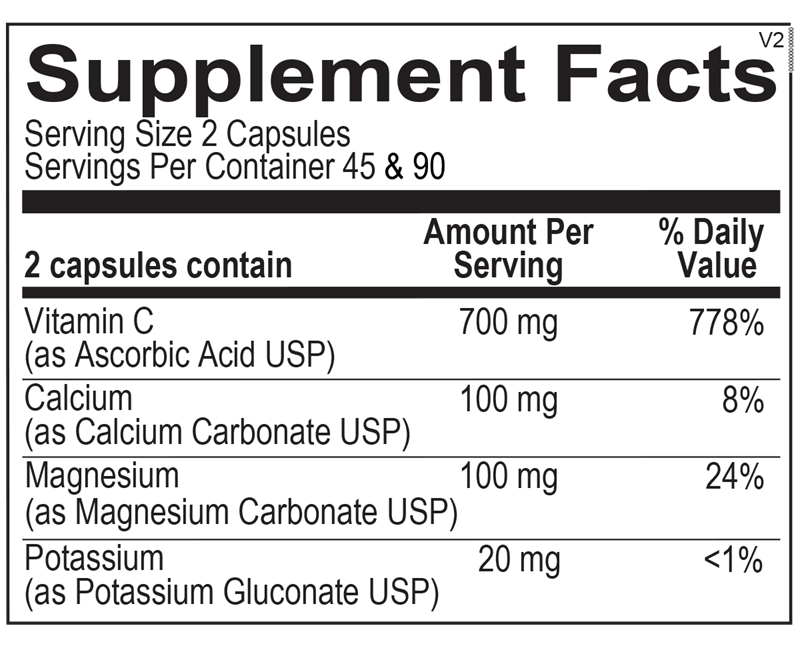
Ortho Molecular Products
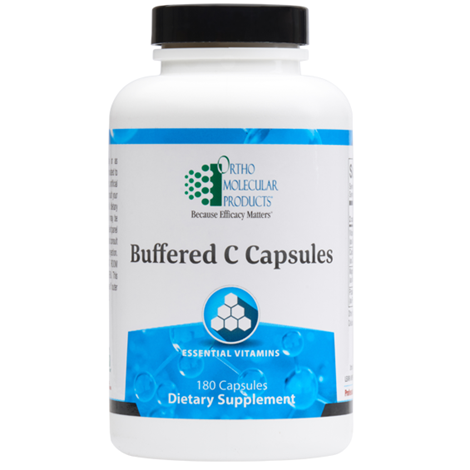
Buffered C Capsules by Ortho Molecular Products
180 capsules · 90-day supply
Gentle, Buffered Vitamin C for Immune Support and Antioxidant Protection$56.00
Purchase options
Practitioner-grade brand3rd-party testedFree shipping $50+
Gluten Free·Yeast Free·Artificial Color Free·Artificial Flavor Free
Ortho Molecular Products Buffered C Capsules overview
If regular vitamin C upsets your stomach, buffered vitamin C is the gentler way to raise intake. It suits adults with sensitive digestion, smokers or urban commuters with higher oxidative stress, endurance athletes, and people who eat little fruit and veg. It also helps if you’re working on iron status, since vitamin C boosts non‑heme iron absorption — pair with a Ferritin check to see if you’re moving the needle. For inflammation tracking, watch hs-CRP (a blood marker of systemic inflammation) over time.
This formula uses ascorbic acid (USP) combined with calcium, magnesium, and potassium salts to reduce acidity in the stomach while delivering vitamin C. Once absorbed, vitamin C acts as an antioxidant by donating electrons to unstable molecules, supports collagen synthesis for skin, gums, and tendon repair, and helps make carnitine (the shuttle that moves fats into mitochondria for energy) and norepinephrine (a focus-related neurotransmitter). In immune cells, it improves barrier integrity and function; in trials, regular users see slightly shorter colds, while starting only after symptoms offers minimal benefit. Small reductions in hs-CRP occur in some responders.
The suggested use is two or more capsules daily. Split dosing (morning and evening) improves absorption and is easier on the gut. Take with food if you’re sensitive; the buffering minerals already make it easier on the stomach than plain ascorbic acid. For maintenance, the listed amount is reasonable; for clear deficiency or wound healing, clinicians often use higher divided doses short term, then step down. Most responders notice changes like improved gum bleeding or bruise recovery within 2 to 4 weeks.
Skip high-dose vitamin C if you have a history of calcium oxalate kidney stones, hemochromatosis, or chronically high Ferritin, and discuss use if you have kidney disease. It enhances iron absorption; that’s helpful if Ferritin is low, but not if iron is already high. Very high intakes can falsely alter some point-of-care glucose readings; diabetics using handheld meters should confirm compatibility. Warfarin users should keep dosing consistent and monitor INR with any supplement change.
Frequently asked questions
What is buffered vitamin C and why choose it?
Buffered vitamin C is ascorbic acid combined with minerals like calcium and magnesium to reduce acidity. It’s easier on the stomach and teeth than plain ascorbic acid, with similar absorption and effects.
How much buffered vitamin C should I take daily?
Follow the label’s two-capsule daily suggestion unless your clinician advises differently. Split the total into two or three doses for better absorption. Higher short-term dosing is sometimes used for repletion under guidance.
Does vitamin C actually help with colds?
Taken regularly, vitamin C modestly shortens cold duration and severity. Starting only after symptoms appear has little effect. If you track outcomes, look at days of symptoms across several colds rather than a single episode.
Should I take vitamin C with food or on an empty stomach?
Either works. If you have a sensitive stomach, take it with food. Buffered forms are gentler than plain ascorbic acid, and splitting doses morning and evening also helps tolerance.
Can I take vitamin C with iron for low Ferritin?
Yes. Vitamin C increases non-heme iron absorption, so pairing it with iron can help when Ferritin is low. If your Ferritin is high or you have hemochromatosis, avoid adding vitamin C around iron-rich meals.
Is vitamin C safe if I’ve had kidney stones?
If you’ve had calcium oxalate stones, avoid high-dose vitamin C and discuss any supplement use with your clinician. Vitamin C can increase urinary oxalate in some people.
Does vitamin C affect blood thinners like warfarin?
At typical doses it’s unlikely to matter, but very high intakes have been reported to reduce warfarin effect in rare cases. Keep your dose consistent and check INR after any change.
Can vitamin C mess with glucose meter readings?
High vitamin C can interfere with some point-of-care glucose meters. If you use a handheld meter or CGM, check the manufacturer’s compatibility notes and verify unexpected readings with a lab test.
How to take it & ingredients
Suggested use: 2 or more capsules per day or as recommended by your health care professional.
Active ingredients
2 capsules per serving · 90 servings
Vitamin C
As Ascorbic Acid USP
As Ascorbic Acid USP
700 mg
Calcium
As Calcium Carbonate USP
As Calcium Carbonate USP
100 mg
Magnesium
As Magnesium Carbonate USP
As Magnesium Carbonate USP
100 mg
Potassium
As Potassium Gluconate USP
As Potassium Gluconate USP
20 mg
Other ingredients: Hypromellose (Natural Vegetable Capsules), Magnesium Stearate
Certifications
Benefits
Warnings
Customers also considered
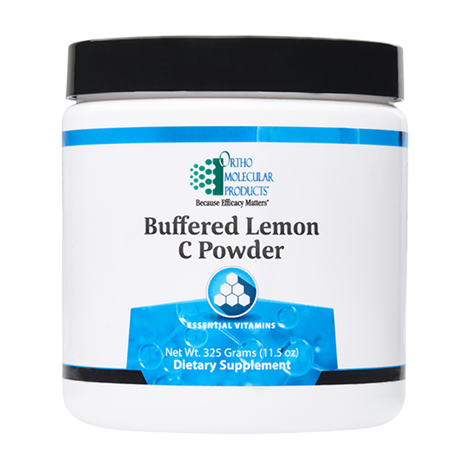
Buffered Lemon C Powder
Ortho Molecular Products
325 grams
$63.99$57.65 with Subscribe & Save
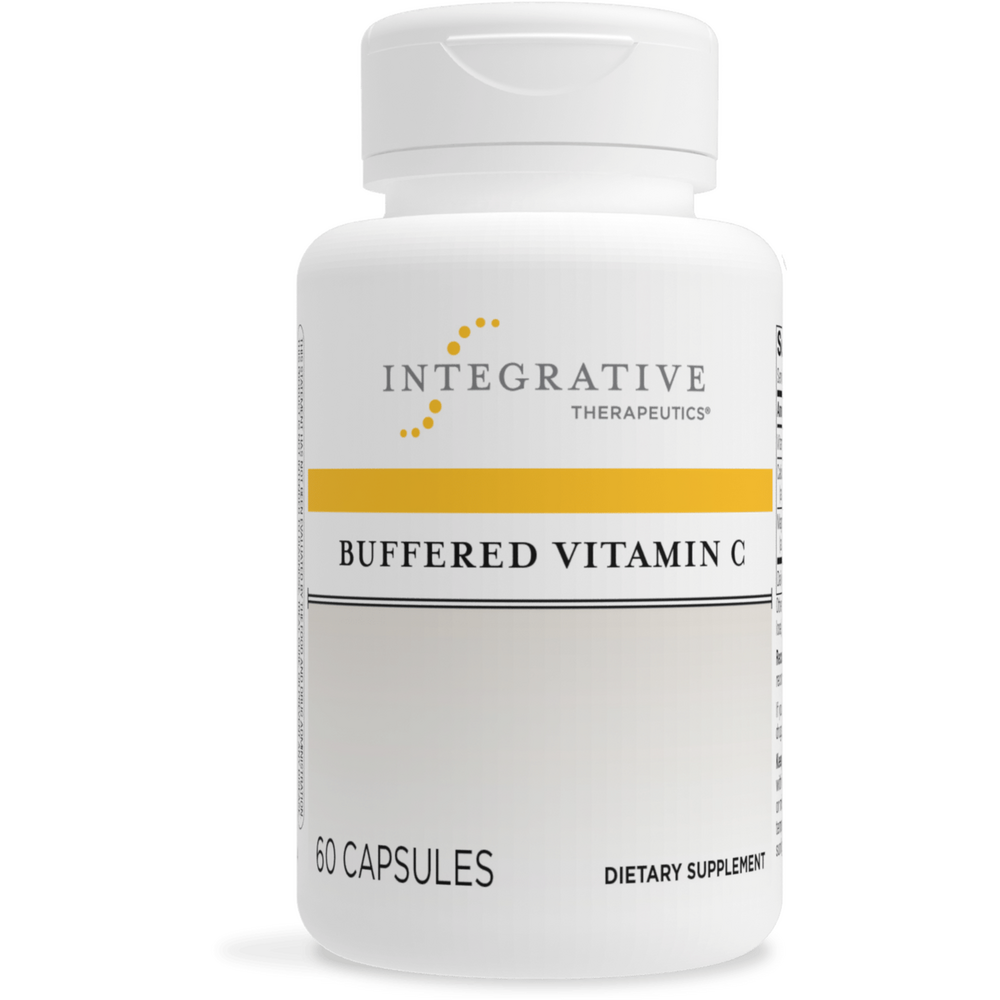
Buffered Vitamin C
Integrative Therapeutics
60 capsules
$15.99$12.99 with Subscribe & Save
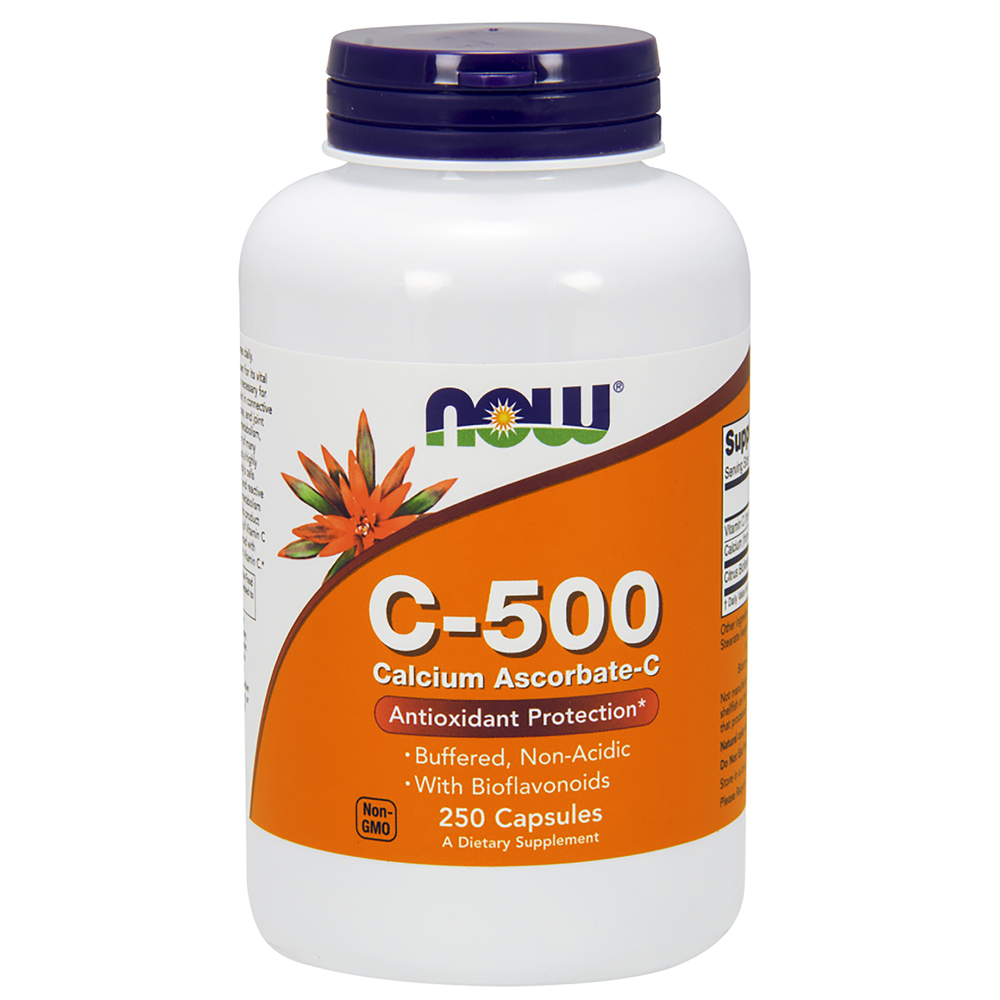
C-500 Calcium Ascorbate-C
Now Foods
250 capsules
$24.99$19.99 with Subscribe & Save
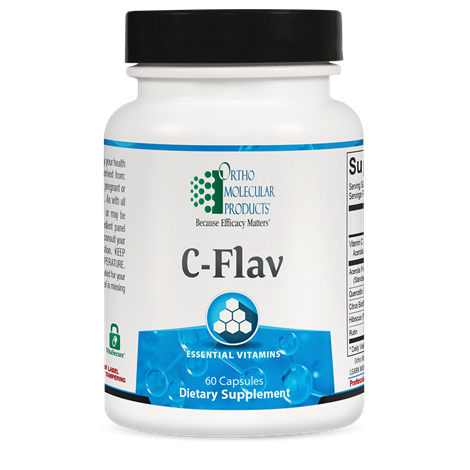
C-Flav
Ortho Molecular Products
60 capsules
$46.23$41.65 with Subscribe & Save