 Instalab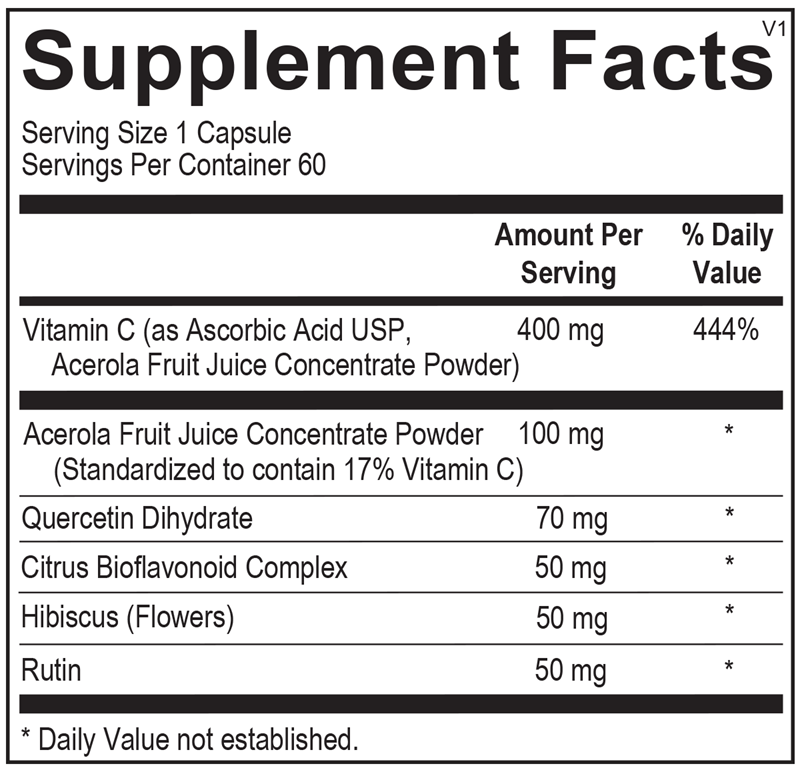
Ortho Molecular Products
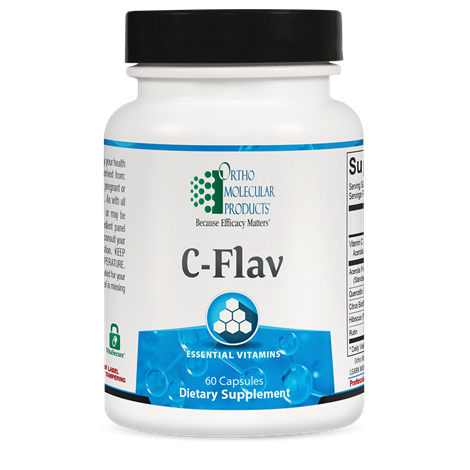
C-Flav by Ortho Molecular Products
60 capsules · 60-day supply
Powerful Antioxidant Support with Vitamin C and Bioflavonoids$46.23
Purchase options
Practitioner-grade brand3rd-party testedFree shipping $50+
Gluten Free·Corn Free·Yeast Free·Artificial Color Free·Artificial Flavor Free
Ortho Molecular Products C-Flav overview
If your fruit and vegetable intake is light, you bruise easily during training, or you’re prepping for allergy season, vitamin C with quercetin fits. It’s a maintenance-level 400 mg vitamin C with gentle bioflavonoids, not a high-dose repletion plan. Useful if your Plasma Vitamin C is low-normal, if you’re taking iron for low Ferritin (vitamin C improves absorption), or if you want steady immune readiness before travel or winter.
Vitamin C drives collagen formation, the scaffolding for blood vessels, skin, and gums, and recharges other antioxidants in cells. It also improves white blood cell function (the cells that clear microbes). Quercetin, rutin, and citrus bioflavonoids help stabilize mast cells (the cells that release histamine behind sneezing and itching) and support capillary integrity. In practice, steady intake modestly shortens cold duration in physically stressed people and can nudge hs-CRP (a systemic inflammation marker) down in some.
Take one capsule daily with food to reduce stomach upset. Vitamin C is better retained in divided doses, so if you use more elsewhere, spread it through the day. Start 2 to 4 weeks before allergy or cold season for best effect. If your Ferritin is low, pair this with iron to enhance absorption. Visible changes like gum bleeding or easy bruising often improve within 2 to 4 weeks when low vitamin C was part of the problem.
If you have hemochromatosis or consistently high Ferritin, avoid adding vitamin C to iron because it increases iron absorption. A history of calcium oxalate kidney stones warrants caution with total daily vitamin C above routine intakes; 400 mg/day is modest. Oncology patients should clear antioxidants with their care team. Quercetin can affect drug handling in the liver and gut; use caution with cyclosporine, tacrolimus, some calcium-channel blockers, and with anticoagulants due to mild antiplatelet effects.
Frequently asked questions
Is vitamin C with quercetin good for allergies?
It can help, especially if started 2–4 weeks before your season. Quercetin stabilizes mast cells that release histamine, but robust trials use much higher quercetin doses than 70 mg. Think of this as gentle daily support, not a stand‑alone treatment for severe symptoms.
How long does vitamin C with quercetin take to work?
For daily wellness and vessel support, give it 2–4 weeks. For seasonal allergies or cold season preparedness, start 2–4 weeks before exposure. In endurance athletes, regular vitamin C has shortened colds, but starting it at the first sneeze is less reliable.
Should I take vitamin C with food or on an empty stomach?
Either works, but with food is gentler on the stomach and reduces nausea or heartburn. If you take additional vitamin C elsewhere, smaller divided doses across the day improve retention compared to one large dose.
Can I take this with iron for low ferritin?
Yes. Vitamin C enhances non-heme iron absorption and is often paired with iron when Ferritin is low. Take them with a meal to improve tolerance. If your iron stores run high, skip extra vitamin C around iron and speak with your clinician.
Does vitamin C increase kidney stone risk?
High total intakes can raise oxalate in some people, which is linked to calcium oxalate stones. The 400 mg here is modest; risk rises as you approach gram-level dosing. If you’ve had stones, keep total vitamin C conservative and hydrate well.
Does quercetin interact with medications?
It can. Quercetin can affect CYP3A4 and P‑glycoprotein (drug-processing systems), which may change levels of drugs like cyclosporine, tacrolimus, and some calcium-channel blockers. It may also add to antiplatelet effects. If you take these, check with your clinician.
Will this help prevent colds?
Regular vitamin C can modestly shorten cold duration, most clearly in people under heavy physical stress. Starting after symptoms begin is less consistent. This blend is for steady daily intake rather than acute treatment.
Is it safe in pregnancy or breastfeeding?
Vitamin C at this dose is generally considered safe, but data for daily quercetin in pregnancy and lactation are limited. If you’re pregnant or breastfeeding, review this combo with your obstetric clinician before starting.
How to take it & ingredients
Suggested use: 1 capsule per day or as recommended by your health care professional.
Active ingredients
1 capsule per serving · 60 servings
Vitamin C
As Ascorbic Acid USP, Acerola Fruit Juice Concentrate Powder
As Ascorbic Acid USP, Acerola Fruit Juice Concentrate Powder
400 mg
Acerola Fruit Juice Concentrate Powder
Standardized to contain 17% Vitamin C
Standardized to contain 17% Vitamin C
100 mg
Quercetin
Dihydrate
Dihydrate
70 mg
Citrus Bioflavonoid Complex
50 mg
Hibiscus
Flowers
Flowers
50 mg
Rutin
50 mg
Certifications
Benefits
Warnings
Customers also considered
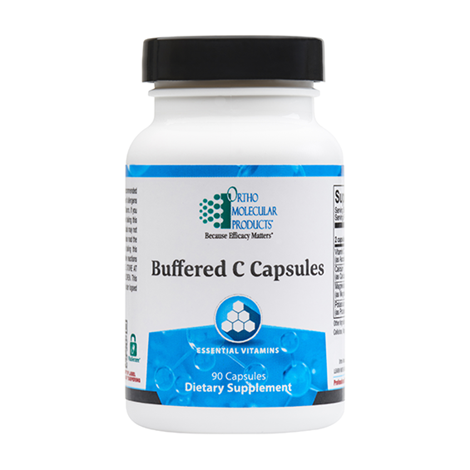
Buffered C Capsules
Ortho Molecular Products
90 capsules
$36.57$32.95 with Subscribe & Save
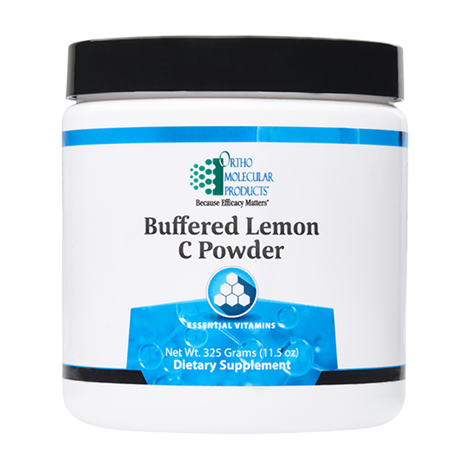
Buffered Lemon C Powder
Ortho Molecular Products
325 grams
$63.99$57.65 with Subscribe & Save
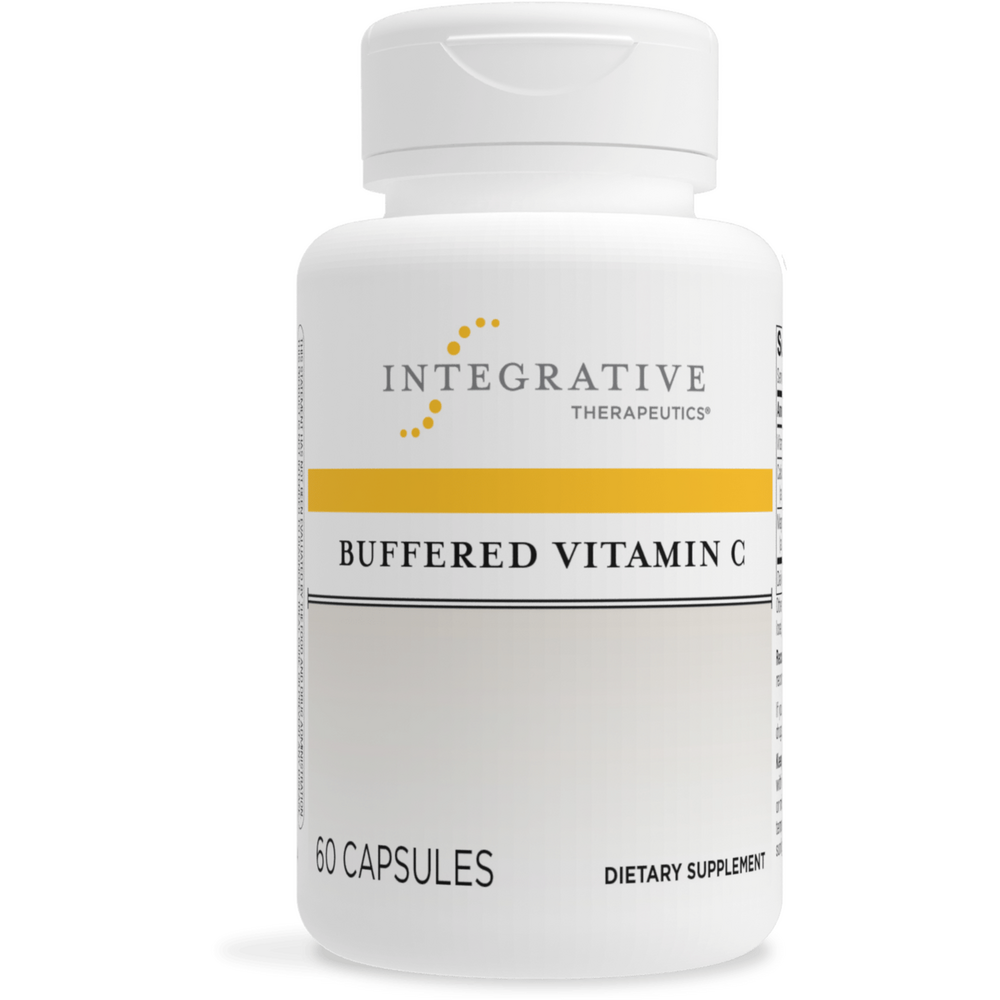
Buffered Vitamin C
Integrative Therapeutics
60 capsules
$15.99$12.99 with Subscribe & Save
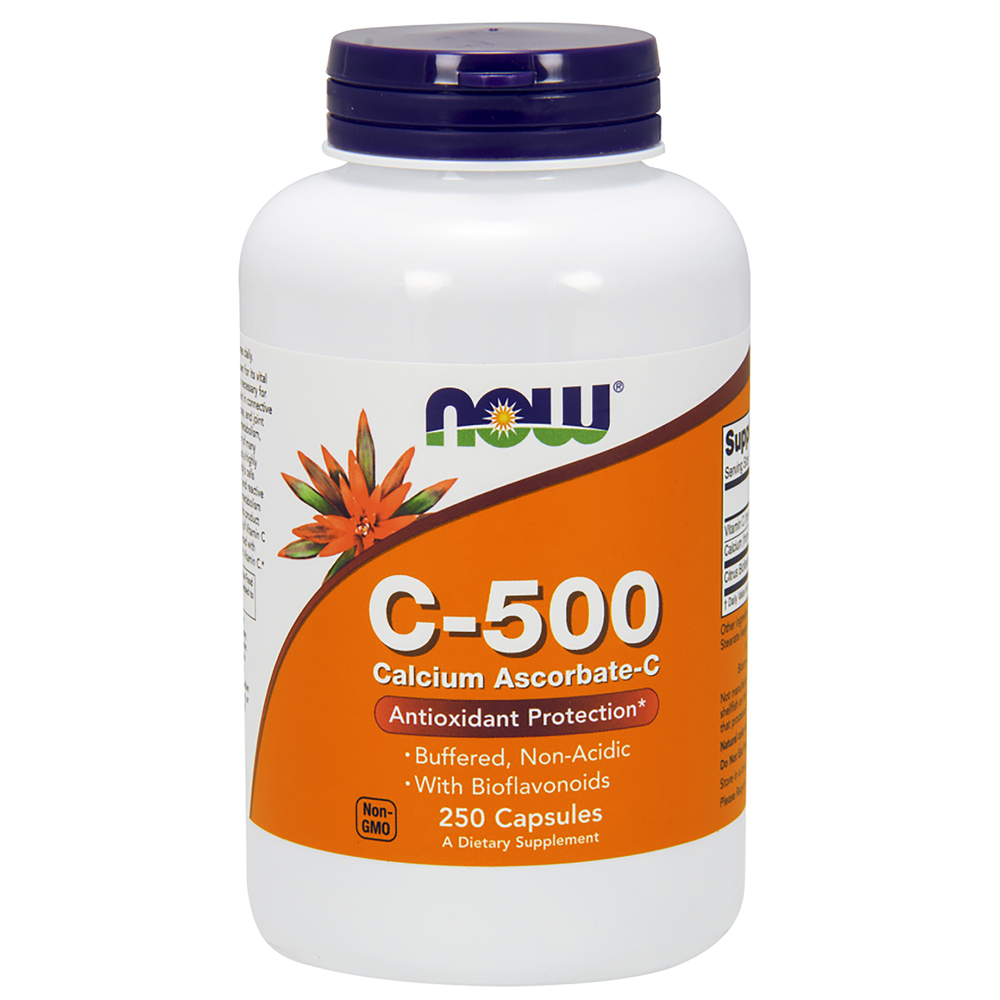
C-500 Calcium Ascorbate-C
Now Foods
250 capsules
$24.99$19.99 with Subscribe & Save