 Instalab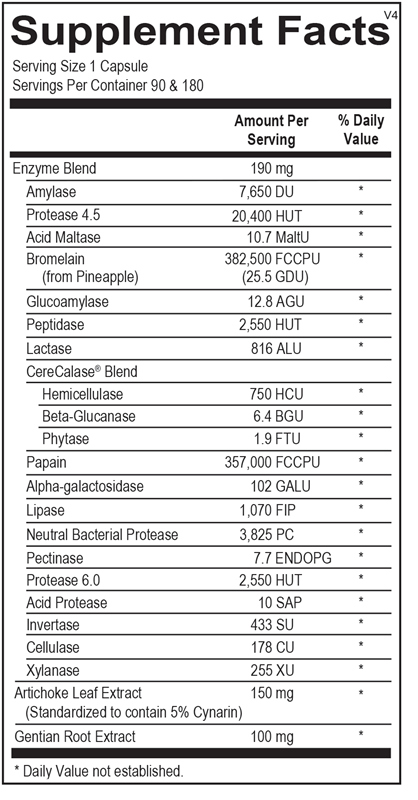
Ortho Molecular Products
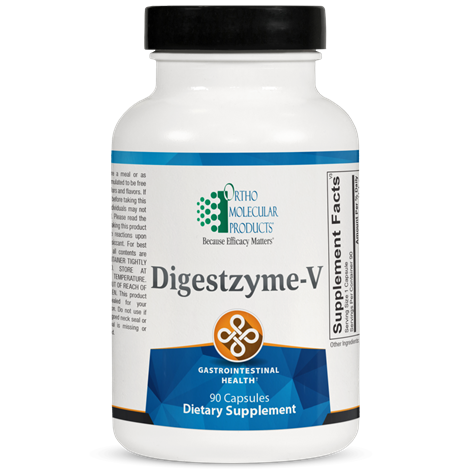
Digestzyme-V by Ortho Molecular Products
180 capsules · 180-day supply
Comprehensive Digestive Support for Optimal Nutrient Absorption$91.96
Purchase options
Practitioner-grade brand3rd-party testedFree shipping $50+
Artificial Color Free·Artificial Flavor Free
Ortho Molecular Products Digestzyme-V overview
If you get post-meal bloating from mixed meals or restaurant portions, digestive enzymes before eating are a practical first step. They’re useful if you notice gas with beans or bread, fullness after fatty meals, or lactose sensitivity but still eat dairy. People on restrictive diets, older adults with lower stomach acid, and those with low-normal appetite also tend to benefit. If you have chronic diarrhea, oily stools, or unexplained weight loss, get tested first (Stool Elastase, Celiac panel tTG-IgA, H. pylori) rather than self-treating.
The enzyme blend breaks large proteins, carbohydrates, and fats into smaller pieces your gut can absorb, which reduces the leftover “fuel” that bacteria ferment into gas. Artichoke leaf increases bile flow from the liver and gallbladder, helping emulsify fats so lipase (the fat-digesting enzyme) can work better. Gentian root is a classic bitter that nudges your stomach and pancreas to make more of their own digestive juices, easing that heavy, top-of-stomach fullness after meals.
Take 1 capsule about 15 minutes before a meal. For very large or high-fat meals, some people use two. If you forget, taking it with the first bites still helps, but mid-meal is better than after. Daily use can show relief on the first dose, with steadier bowel patterns within several days. Enzymes don’t replace chewing or balanced portions—use them alongside sane eating.
Skip bitters like gentian if you have active ulcers, severe reflux, or gastritis. Artichoke is in the Asteraceae family; avoid if you react to ragweed or related plants. Bile-stimulating herbs can aggravate gallstone pain or bile duct blockage. If you use acarbose or miglitol (diabetes drugs that block carb digestion), enzymes can counteract them. Persistent red flags (GI bleeding, nighttime pain, fever, anemia) warrant evaluation, not enzymes.
Frequently asked questions
Do digestive enzymes help with gas and bloating?
Often yes, especially when gas comes from carb-heavy or mixed meals. By breaking food down before it ferments, enzymes reduce gas production. If symptoms persist despite enzymes, check for lactose intolerance, SIBO, or celiac disease.
How quickly will I feel digestive enzyme benefits?
Many feel lighter and less gassy with the first meal. More consistent changes in stool form and post-meal comfort usually show within several days of regular pre-meal dosing.
Should I take digestive enzymes with every meal or only big ones?
Start with your largest or most trigger-heavy meals. If that helps, consider using them before other meals that reliably cause symptoms. They’re not usually needed for small snacks.
Can I use these if I’m on a PPI like omeprazole?
Yes. Supplemental enzymes still work in low-acid settings. The gentian’s “bitter” effect is blunted on acid suppression, so benefit may come mostly from the enzymes and artichoke.
Are these digestive enzymes vegan and gluten-free?
The enzyme blends in these formulas are typically microbial (non-animal), and the botanicals are plant-based. The finished product is formulated to be gluten-free. Check the label for your specific allergens.
Any side effects I should watch for?
Mild nausea, loose stools, or a warm stomach feel can occur, especially at higher doses or on an empty stomach. Stop if you notice hives, wheezing, or severe pain, and seek care for persistent symptoms.
What’s the difference between digestive enzymes and probiotics?
Enzymes digest your meal right now. Probiotics are live microbes that can shift your gut ecosystem over weeks. Many people use enzymes for immediate post-meal comfort and probiotics for longer-term microbiome goals.
Can I open the capsule and sprinkle it on food?
You can, but the bitter herbs will taste intense. If you do open it, mix into a small amount of food and eat promptly before the meal so the enzymes aren’t inactivated by prolonged exposure.
How to take it & ingredients
Suggested use: 1 capsule 15 minutes before a meal or as recommended by your health care professional.
Active ingredients
1 capsule per serving · 180 servings
▼
Enzyme Blend
190 mg
Amylase
-
Protease 4.5 / Neutral Protease
-
Peptidase
-
Lactase
-
Glucoamylase
-
CereCalase®
Hemicellulase, beta-glucanase and phytase
Hemicellulase, beta-glucanase and phytase
-
Alpha-Galactosidase
-
Pectinase
-
Cellulase
-
Xylanase
-
Acid Maltase
-
Bromelain
-
Lipase
-
Gentian Root
-
Artichoke Leaf Extract
150 mg
Gentian Root Extract
100 mg
Other ingredients: Hypromellose (Natural Vegetable Capsule), Microcrystalline Cellulose, Silicon Dioxide, Magnesium Stearate
Certifications
Benefits
Warnings
Customers also considered
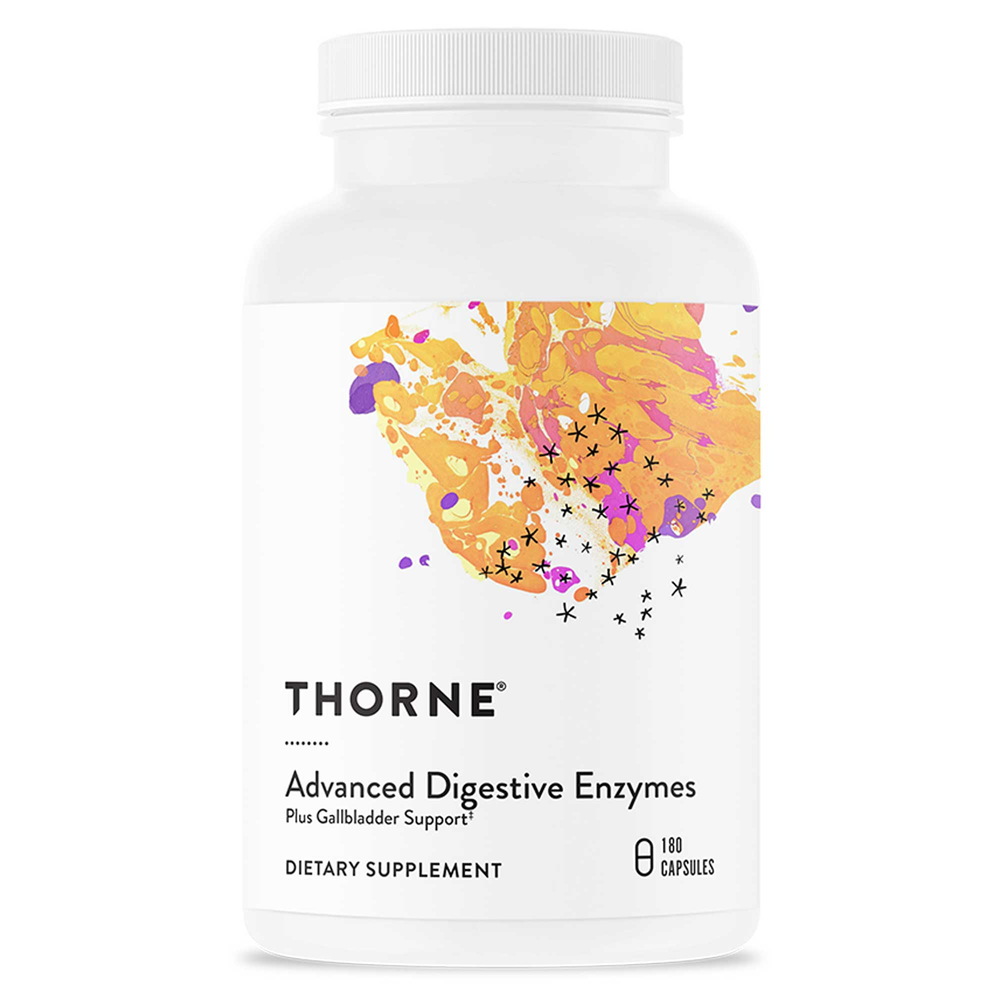
Advanced Digestive Enzymes
Thorne
180 capsules
$56.00$50.40 with Subscribe & Save
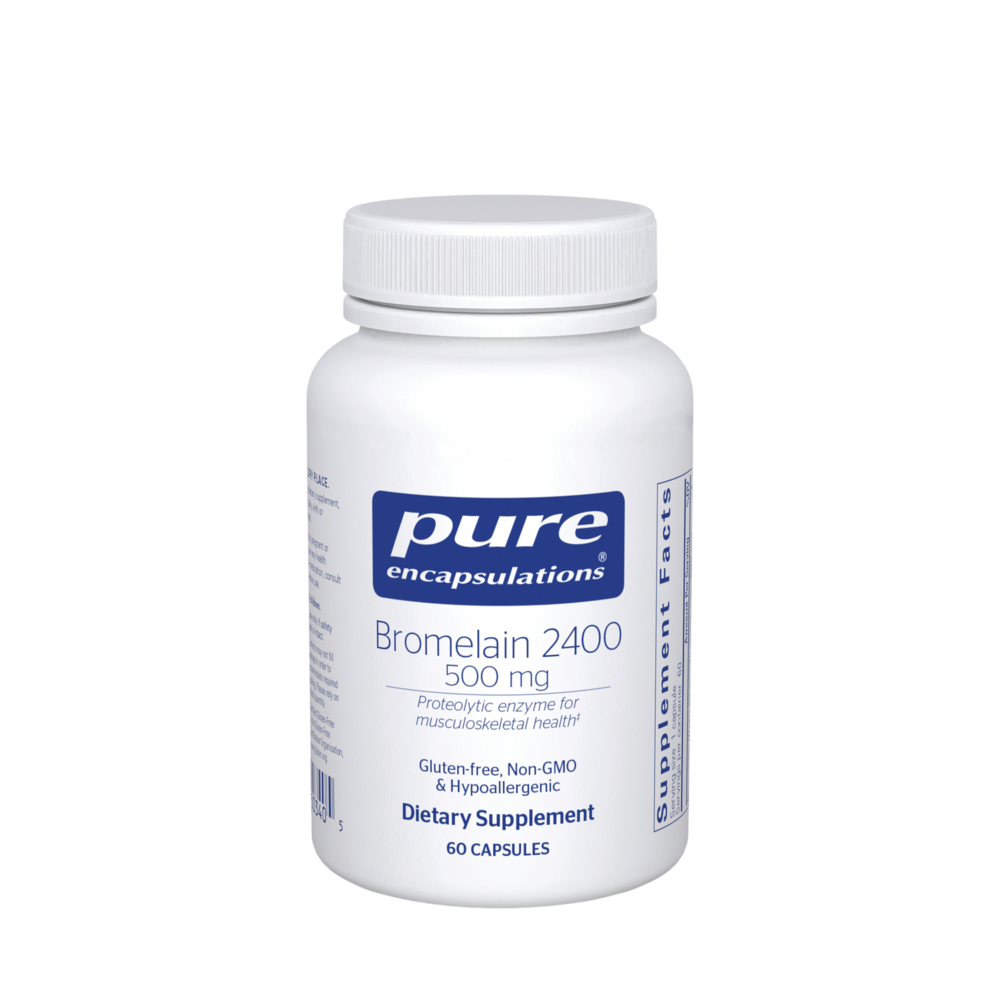
Bromelain 2400 500mg
Pure Encapsulations
60 capsules
$40.00$31.99 with Subscribe & Save
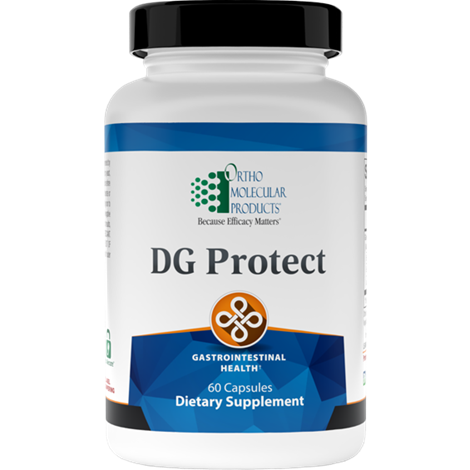
DG Protect
Ortho Molecular Products
60 capsules
$64.44$58.05 with Subscribe & Save
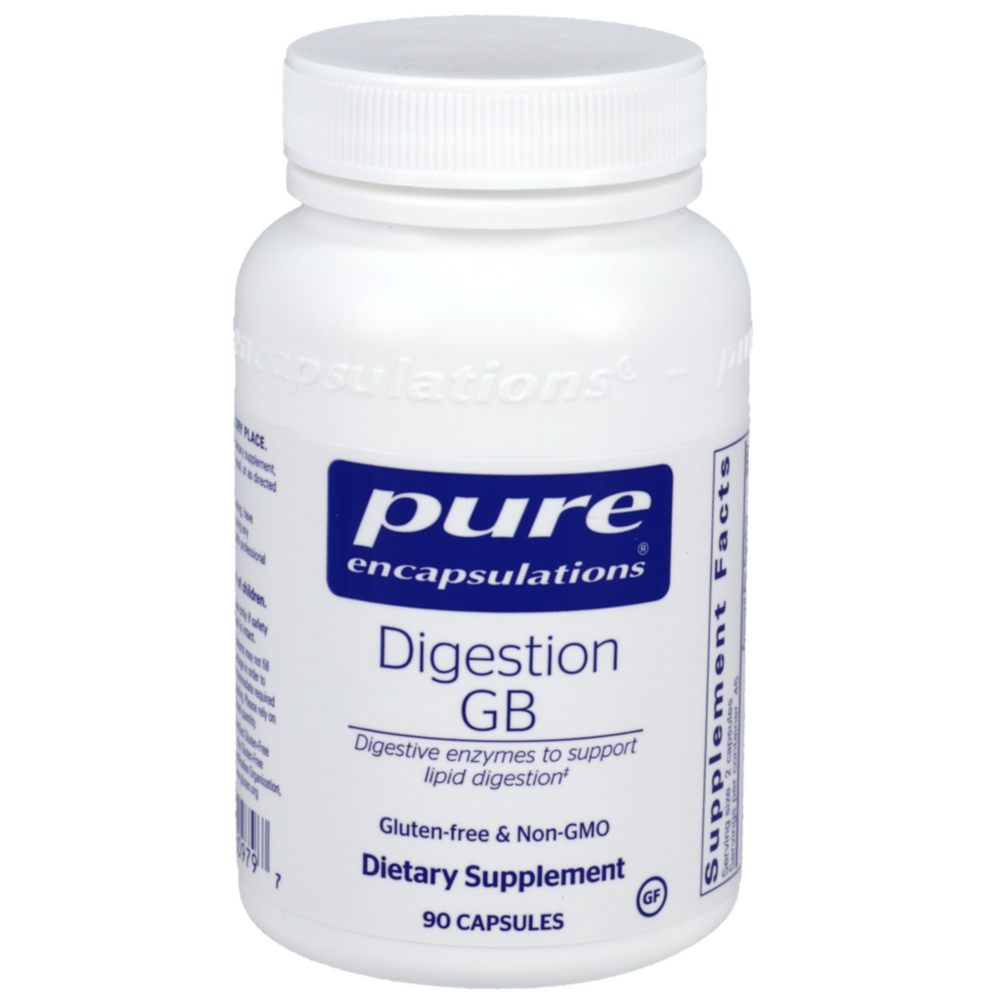
Digestion GB
Pure Encapsulations
90 capsules
$36.50$28.99 with Subscribe & Save