 Instalab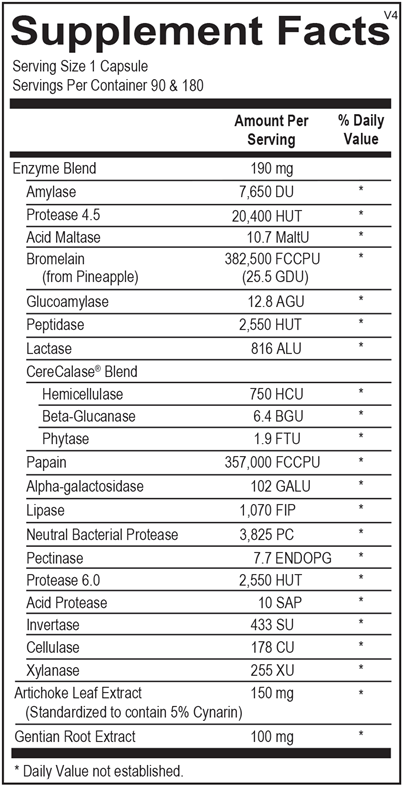
Ortho Molecular Products
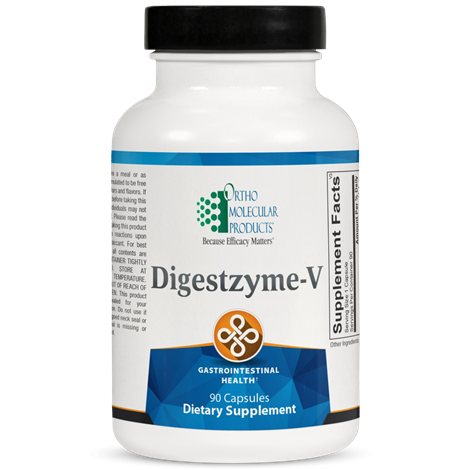
Digestzyme-V by Ortho Molecular Products
90 capsules · 90-day supply
Comprehensive Digestive Support for Optimal Nutrient Absorption$56.78
Purchase options
Practitioner-grade brand3rd-party testedFree shipping $50+
Artificial Color Free·Artificial Flavor Free
Ortho Molecular Products Digestzyme-V overview
If big meals leave you bloated, gassy, or overly full, digestive enzymes for bloating are a practical first step. This blend fits adults who feel heavy after high‑protein or high‑fat meals, plant-based eaters who struggle with legumes, and people over 50 who make less stomach acid. It’s also reasonable after gallbladder removal when fat digestion feels sluggish. Ongoing red flags like weight loss, persistent pain, black stools, or fever deserve medical workup before trying any enzyme.
The enzyme blend breaks down protein, fat, and carbs into smaller pieces your gut can absorb, which reduces the undigested leftovers that ferment and cause gas. Artichoke leaf supports bile flow from the liver and gallbladder, making fat digestion smoother. Gentian root is a classic bitter that nudges stomach acid and pancreatic secretions, priming digestion early in the meal. Symptom relief is most reliable for meal-triggered bloating and fullness; it will not correct structural disease.
Take one capsule 15 minutes before a meal, or with the first bites if you forget. Start with your largest or most triggering meal for a few days, then use before other meals as needed. Enzymes work only for the meal you take them with. If dairy is the main issue, a targeted lactase may work better. Persistent symptoms despite correct timing warrant testing such as H. pylori stool antigen, tTG-IgA celiac panel, or stool calprotectin.
Avoid bitters and artichoke if gallstones cause attacks, if there is bile duct blockage, or if you have active ulcers or frequent heartburn, since increasing acid can worsen symptoms. If fecal elastase is low, that points to pancreatic insufficiency that needs prescription enzymes, not over-the-counter blends. Use caution with blood thinners, and avoid in pregnancy. Allergic to artichoke or ragweed-family plants? Choose a plain enzyme without botanicals instead.
Frequently asked questions
Will digestive enzymes help my bloating?
Often, yes, if bloating is meal-triggered and tied to larger, fattier, or protein-heavy meals. By improving breakdown and absorption, less food is left to ferment. If you’re bloated all day or waking at night with pain, get evaluated instead of self-treating.
How long do digestive enzymes take to work?
They work with the very first meal when timed correctly. Most people can judge benefit within 1–3 days of consistent pre-meal use. If there’s no change after a week of proper timing, consider targeted enzymes or diagnostic testing.
Can I take digestive enzymes with a PPI or antacid?
Yes, but gentian can stimulate acid, which may aggravate reflux. If you use a proton pump inhibitor, consider a plain enzyme formula without bitters, and keep your prescriber in the loop if reflux symptoms change.
Is this vegan and can I open the capsule?
The enzymes are microbial-sourced and the botanicals are plant-based. You can open the capsule and sprinkle on a small amount of cool food. Avoid very hot foods, which can degrade enzymes, and keep the bitter taste in mind.
Are there side effects from digestive enzymes?
Most people tolerate them well. Possible effects include mild nausea, cramping, or loose stool, usually from overdoing the dose or taking on an empty stomach. Bitters can worsen heartburn in reflux-prone users. Stop if you notice itching, hives, or throat tightness.
Is artichoke safe if I have gallstones?
Not if gallstones cause symptoms. Artichoke can increase bile flow and may provoke a gallbladder attack in people with obstructive stones. If you’ve had biliary colic, skip bitters and artichoke and talk with your clinician.
What tests should I consider if enzymes don’t help?
Ask about H. pylori stool antigen or breath test, a celiac panel (tTG-IgA), stool calprotectin for inflammation, and fecal elastase for pancreatic function. Targeted tests beat guessing when symptoms persist despite correct enzyme timing.
Do I need enzymes with every meal?
Use them before meals that trigger symptoms. Many people only need them with their largest or richest meal. If you find you need them at every meal long term, pause and reassess the underlying cause with your clinician.
How to take it & ingredients
Suggested use: 1 capsule 15 minutes before a meal or as recommended by your health care professional.
Active ingredients
1 capsule per serving · 90 servings
▼
Enzyme Blend
190 mg
Amylase
-
Protease 4.5 / Neutral Protease
-
Peptidase
-
Lactase
-
Glucoamylase
-
CereCalase®
Hemicellulase, beta-glucanase and phytase
Hemicellulase, beta-glucanase and phytase
-
Alpha-Galactosidase
-
Pectinase
-
Cellulase
-
Xylanase
-
Acid Maltase
-
Bromelain
-
Lipase
-
Gentian Root
-
Artichoke Leaf Extract
150 mg
Gentian Root Extract
100 mg
Other ingredients: Hypromellose (Natural Vegetable Capsule), Microcrystalline Cellulose, Silicon Dioxide, Magnesium Stearate
Certifications
Benefits
Warnings
Customers also considered
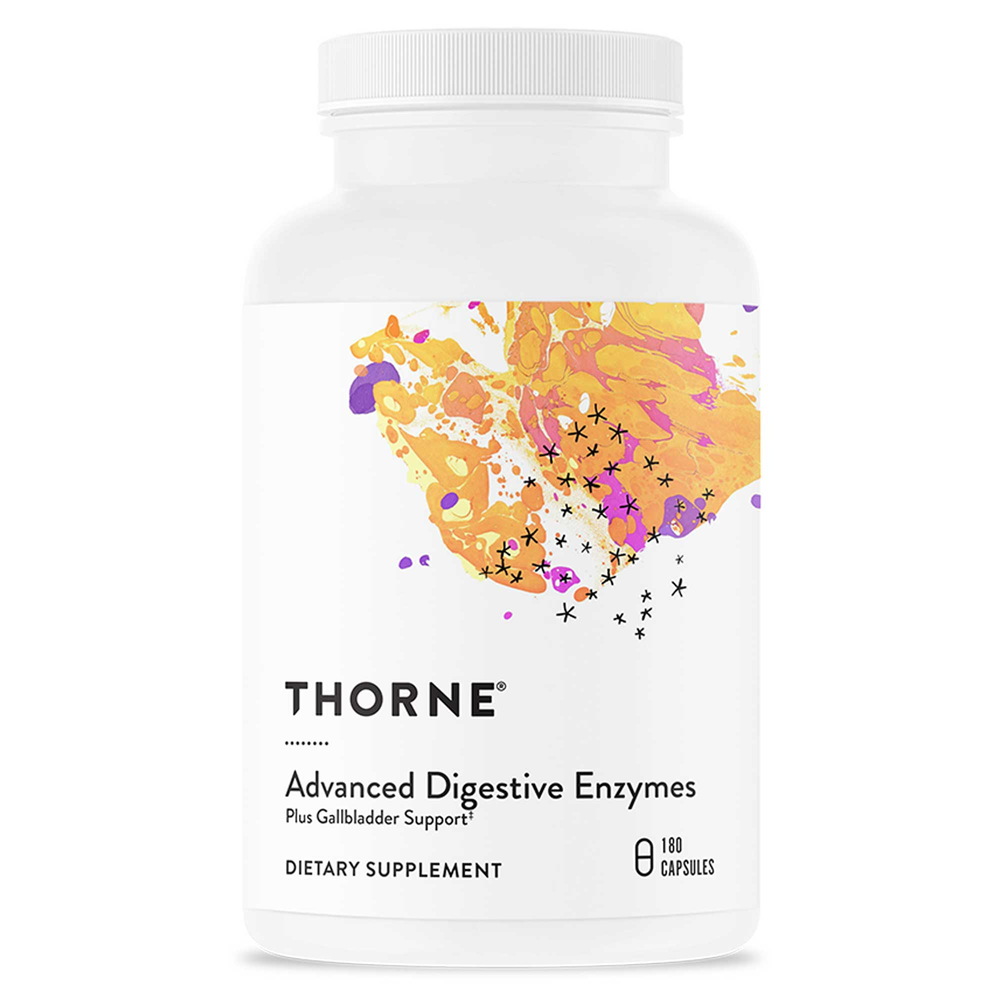
Advanced Digestive Enzymes
Thorne
180 capsules
$56.00$50.40 with Subscribe & Save
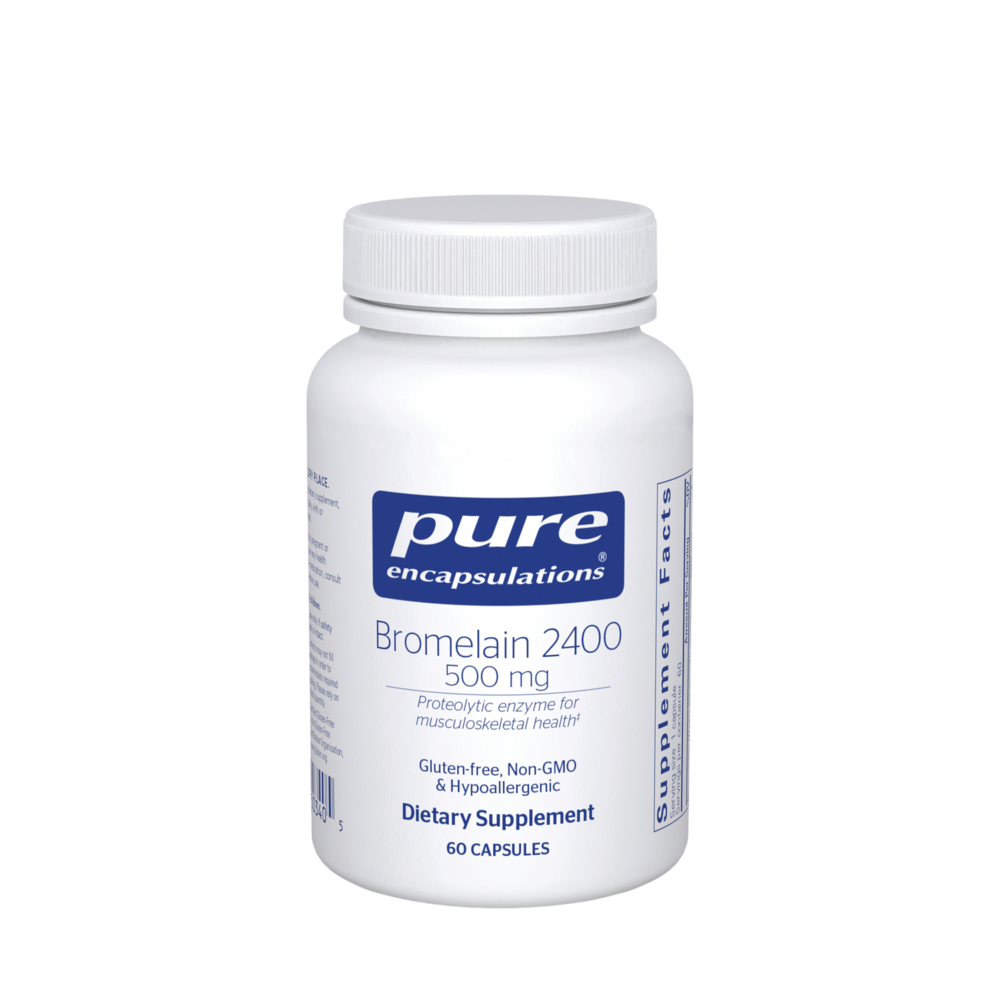
Bromelain 2400 500mg
Pure Encapsulations
60 capsules
$40.00$31.99 with Subscribe & Save
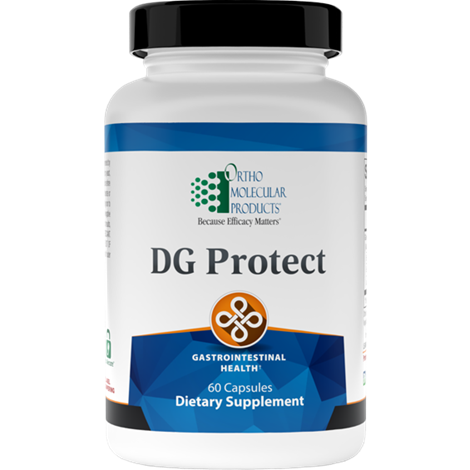
DG Protect
Ortho Molecular Products
60 capsules
$64.44$58.05 with Subscribe & Save
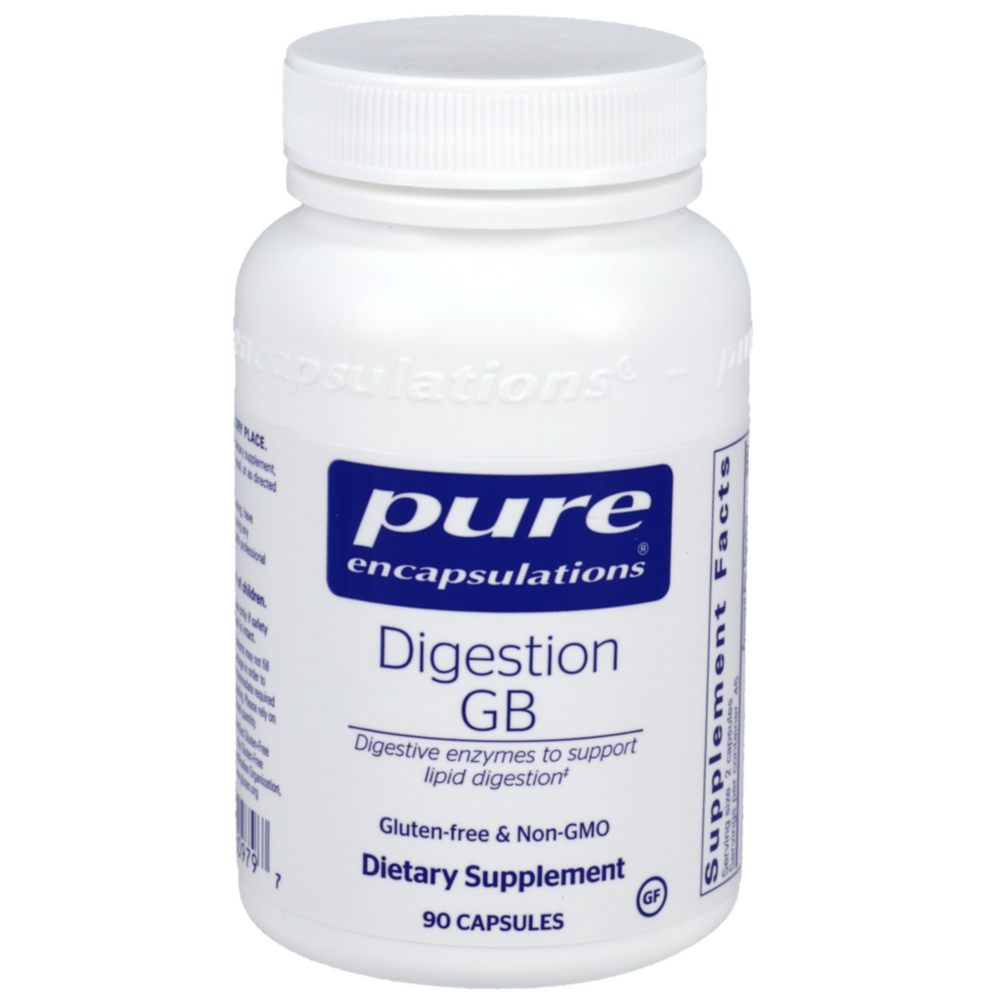
Digestion GB
Pure Encapsulations
90 capsules
$36.50$28.99 with Subscribe & Save